Scorata scores summarize analyzed review evidence on a 1–5 scale; they are not laboratory measurements or a simple average of customer star ratings. Feature scores summarize the reviews covering that feature. The overall score averages feature scores within each review, then combines review averages. When both expert and customer evidence are available, those two groups receive equal weight. Products can have different review coverage, so small score gaps do not establish a winner.
Recommendations prioritize important features for the category, with a score of at least 3.5, a gap of at least 0.25 points and at least two supporting reviews per product. Features with widely varying scores or broad connectivity contexts are excluded from recommendations. These safeguards do not establish statistical significance.
Quick verdict
What each product is best for
The review evidence points to a tradeoff: heart rate accuracy and battery life versus materials quality and workout tracking variety. Choose according to which strengths matter more to you; the overall score alone does not settle that choice.
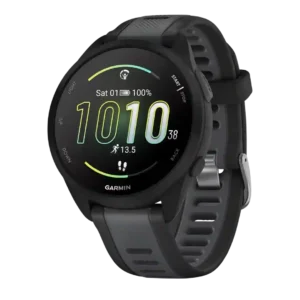
Choose Garmin Forerunner 165 for heart rate accuracy and battery life.
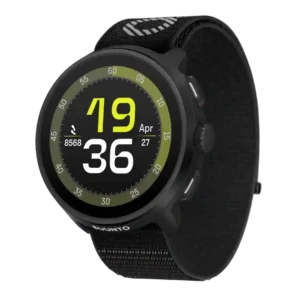
Choose Suunto Run for materials quality and workout tracking variety.
Why these recommendations?
Garmin Forerunner 165
Where It Has the Edge
heart rate accuracy is 4.3 vs 3.6. Heart-rate accuracy was generally praised across runs, rides, and intervals, with only occasional optical-sensor lag or spikes.
battery life is 4.2 vs 3.8. Battery life was generally good for an AMOLED Garmin and daily training, but reviewers flagged limits for long...
coaching features is 4.6 vs 4.3. Coaching and structured workouts were praised as approachable, flexible, and valuable for beginner and intermediate runners.
Suunto Run
Where It Has the Edge
materials quality is 4.4 vs 2.8. Materials quality stood out for the price, especially stainless steel, Gorilla Glass, and reinforced polyamide materials that reviewers...
workout tracking variety is 4.2 vs 3.6. Workout variety was generally seen as strong for runners and adequate for many sports, though reviewers noted the...
recovery insights is 3.6 vs 3.1. Recovery insights were valued for combining sleep, HRV, training load, and post-workout recovery, but several reviewers felt the...
Garmin Forerunner 1654.3 overall score
Suunto Run4.0 overall score
Compare features
Scores are out of 5. Missing scores mean missing review evidence, not a missing feature.
Scored on both products
Tracking and training
Heart rate accuracy
Garmin Forerunner 165
4.3
Heart-rate accuracy was generally praised across runs, rides, and intervals, with only occasional optical-sensor lag or spikes.
Suunto Run
3.6
Heart-rate accuracy was the most mixed core tracking area: reviewers praised steady running results and external strap support, while several saw misses during intervals, cycling, swimming, weights, or harder scenarios.
GPS accuracy
Garmin Forerunner 165
4.5
GPS accuracy was one of the strongest themes, with most reviewers finding reliable tracks even without dual-band GPS; a few dense-terrain issues remained.
Suunto Run
4.5
GPS accuracy was one of the strongest areas, with nearly every reviewer finding dual-band GPS accurate or very close to higher-end watches, aside from isolated track/open-water concerns.
Sleep tracking accuracy
Garmin Forerunner 165
3.8
Sleep tracking was mostly viewed as useful and directionally accurate, though one reviewer reported a poor night that the watch missed.
Suunto Run
3.5
Sleep tracking split reviewers: some found timing or wake detection accurate, while others reported errors, weak sleep scoring, or less impressive sleep analysis.
Fitness tracking accuracy
Garmin Forerunner 165
4.8
Fitness tracking accuracy was praised for broad data quality and even strength-training rep counting in testing.
Suunto Run
4.5
Fitness tracking accuracy was praised specifically around track-distance behavior, where the watch was described as doing a good job with spot-on distance.
Workout tracking variety
Garmin Forerunner 165
3.6
Workout variety covers most mainstream running, gym, cycling, swimming, and fitness needs, but reviewers consistently noted missing triathlon or backcountry profiles.
Suunto Run
4.2
Workout variety was generally seen as strong for runners and adequate for many sports, though reviewers noted the 34-profile list is smaller than Suunto’s higher-end watches.
Recovery insights
Garmin Forerunner 165
3.1
Recovery insights were useful but clearly limited versus higher Forerunners, with some reviewers calling out missing readiness/load tools or odd recovery estimates.
Suunto Run
3.6
Recovery insights were valued for combining sleep, HRV, training load, and post-workout recovery, but several reviewers felt the metrics could be quirky, acronym-heavy, or poorly contextualized.
Coaching features
Garmin Forerunner 165
4.6
Coaching and structured workouts were praised as approachable, flexible, and valuable for beginner and intermediate runners.
Suunto Run
4.3
Coaching and training features were well received, including intervals, ZoneSense, Marathon mode, Ghost Runner, and training tools, though some training-language presentation was criticized.
Step counting accuracy
Garmin Forerunner 165
4.5
Step counting was reported as close to other tested devices.
Suunto Run
2.8
Step counting accuracy was inconsistent: several reviewers found counts low, while one reviewer found steps nearly perfect in their use.
Blood oxygen tracking
Garmin Forerunner 165
4.0
Blood oxygen tracking was treated as a useful extra by reviewers who valued the reassurance, though broader accuracy was not deeply tested.
Suunto Run
3.5
Blood oxygen tracking was mentioned as an advanced capability, but reviewers provided little quality-focused testing beyond noting the sensor support.
Wellness insights
Garmin Forerunner 165
4.5
Wellness insights such as Morning Report and Body Battery were considered fun, useful, and sometimes addictive.
Suunto Run
4.3
Wellness insights were praised for useful sleep, recovery, readiness, and training context, especially for runners who want a simple view of how hard to train.
Health tracking accuracy
Garmin Forerunner 165
4.5
Reviewers described the Forerunner 165 as having reliable sensors and detailed data collection for general health and fitness tracking.
Suunto Run
4.6
One reviewer found overall activity, step, and sleep tracking to work very well, but this broader accuracy attribute is supported by limited evidence.
Comfort and build
Comfort
Garmin Forerunner 165
4.9
Comfort was consistently excellent, with reviewers praising the lightweight feel for all-day wear and sleep.
Suunto Run
4.7
Comfort was one of the clearest strengths, with reviewers repeatedly calling the Run light, easy to wear all day, and sometimes forgettable on the wrist.
Materials quality
Garmin Forerunner 165
2.8
Materials quality was mixed: plastic kept it light and affordable but felt less premium.
Suunto Run
4.4
Materials quality stood out for the price, especially stainless steel, Gorilla Glass, and reinforced polyamide materials that reviewers saw as premium or sensible.
Fit
Garmin Forerunner 165
4.8
Fit was strong for many wrists, with secure wear and little slipping, though the single case size remained a caveat.
Suunto Run
4.1
Fit was supported by strap sizing and the light case, though one reviewer noted the large diameter; overall evidence leaned positive but limited.
Band quality
Garmin Forerunner 165
4.1
Band quality was mostly comfortable and flexible, but one reviewer warned the stock strap needs frequent washing to avoid irritation.
Suunto Run
4.4
Band quality was mostly positive thanks to the soft nylon/fabric strap, stretch, quick drying, and included sizes, though a few noted fiddly pins or wet-strap behavior.
Water resistance
Garmin Forerunner 165
4.3
Water resistance was considered more than enough for rain, sweat, showering, and swimming use.
Suunto Run
4.1
Water resistance was treated positively for swimming and rain use, with reviewers presenting the 50m/5ATM protection as reassuring.
Durability
Garmin Forerunner 165
4.8
Durability was reassuring, with reviewers reporting no concerns and even real-world abuse without damage.
Suunto Run
4.6
Durability was praised through Gorilla Glass, scratch resistance, and real drops or impacts that did not visibly damage the watch.
Build quality
Garmin Forerunner 165
4.3
Build quality was viewed as solid and well-made for a lightweight running watch.
Suunto Run
4.5
Build quality was widely praised as premium for the price, with reviewers highlighting a substantial feel, robust case, and well-built design.
Style and design
Garmin Forerunner 165
4.5
Style and design were viewed as slim, low-profile, sleek, and suitable for daily wear, though still sporty.
Suunto Run
4.5
Style and design were praised for the clean, modern, sporty aesthetic and the way the lightweight build still looked and felt appealing.
Battery and charging
Battery life
Garmin Forerunner 165
4.2
Battery life was generally good for an AMOLED Garmin and daily training, but reviewers flagged limits for long adventures, always-on use, or heavy GPS/music.
Suunto Run
3.8
Battery life was adequate to good for regular training, but reviewers often noted always-on AMOLED, GPS use, or endurance needs shorten it versus larger or rival watches.
Charging speed
Garmin Forerunner 165
4.5
Charging speed was praised in the reviews that discussed it, ranging from under two hours to very fast top-ups.
Suunto Run
3.3
Charging speed was split: one reviewer reported a fast 75% refill in 40 minutes, while another found it slow versus recent Suunto devices.
Charging convenience
Garmin Forerunner 165
3.3
Charging convenience was mixed: secure contacts helped, but the proprietary/short cable was a drawback.
Suunto Run
2.7
Charging convenience was a common complaint, with several reviewers criticizing weak magnets, easy dislodging, cable changes, or orientation sensitivity, though a few saw improvements.
Performance
Display quality
Garmin Forerunner 165
4.9
Display quality was a standout strength thanks to a crisp, vibrant AMOLED screen, though one reviewer still preferred MIP for always-visible use.
Suunto Run
4.6
Display quality was consistently praised: reviewers repeatedly called the AMOLED screen clear, colorful, vivid, sharp, or easy to read.
Outdoor visibility
Garmin Forerunner 165
5.0
Outdoor visibility was excellent in direct sun and bright conditions.
Suunto Run
3.4
Outdoor visibility was mixed: some reviewers praised visibility, while others found tiny gray workout text or direct-sun viewing less readable.
Brightness
Garmin Forerunner 165
4.7
Brightness was strongly praised in sunlight and adaptive lighting conditions.
Suunto Run
4.0
Brightness was mostly strong, but not universally: reviewers praised the AMOLED display while noting medium brightness or direct sun could require adjustment.
Ownership and support
Reliability
Garmin Forerunner 165
5.0
Reliability was praised in workout use, with one reviewer reporting no issues with stability.
Suunto Run
4.5
Reliability evidence was limited but positive, with reviewers saying the watch worked fluidly and that the battery could be relied on.
Value for money
Garmin Forerunner 165
4.6
Value for money was one of the strongest areas, with reviewers repeatedly calling it a high-value or sweet-spot Garmin.
Suunto Run
4.7
Value for money was one of the strongest points, with reviewers repeatedly calling the Run a standout, affordable, or best-value running watch.
Controls and connectivity
Contactless payments
Garmin Forerunner 165
4.0
Garmin Pay was viewed as a straightforward, effective contactless payment feature.
Suunto Run
1.8
Contactless payments were a clear weakness, with reviewers noting no broad Google/Apple/Garmin Pay equivalent outside limited regional support.
Smartphone notifications
Garmin Forerunner 165
5.0
Smartphone notifications were described as reliable and easier to read on the AMOLED display.
Suunto Run
3.0
Notifications were useful but not especially polished; reviewers liked basic previews, yet criticized missing sender/context, no replies, and limited notification detail.
Music controls
Garmin Forerunner 165
2.0
Music controls were criticized as unintuitive during runs.
Suunto Run
4.0
Music controls received limited but positive support, with one reviewer finding pause and skip controls easy to use.
Watch face quality
Garmin Forerunner 165
5.0
Watch face quality was praised for full customization.
Suunto Run
3.2
Watch face quality was mixed, with some liking sharp custom watch faces and analytics, while others criticized limited face choices and customization.
User interface
Garmin Forerunner 165
4.7
The interface was repeatedly described as simple, approachable, and easy to use.
Suunto Run
3.5
The user interface was divisive: some found it clean, simple, and improved, while others found it confusing, less intuitive, or still behind rivals.
Customization options
Garmin Forerunner 165
4.7
Customization was a strength, from watch faces and widgets to activity screens and data pages.
Suunto Run
3.7
Customization was useful for data screens, buttons, routes, and watch faces, but reviewers disliked limits on widgets or needing the app for last-minute sport-profile changes.
App ecosystem
Garmin Forerunner 165
3.3
The app ecosystem was useful through Connect IQ and Garmin features, but Garmin's broader platform could still feel intimidating.
Suunto Run
4.2
The app ecosystem earned positive remarks where reviewers valued Strava/platform connections and Suunto’s broader ecosystem, though this was less central than hardware performance.
Review contexts may differ, so use caution when interpreting the score gap.
Third-party app support
Garmin Forerunner 165
3.3
Third-party app/widget support was available and sometimes useful for tailoring data, though one reviewer did not find it especially useful.
Suunto Run
2.4
Third-party app support was a recurring limitation, especially the lack of SuuntoPlus apps, TrainingPeaks workout import paths, and broader app-store support.
Review contexts may differ, so use caution when interpreting the score gap.
Smartwatch features
Garmin Forerunner 165
4.0
Smartwatch features were considered respectable for a training watch, especially notifications, Garmin Pay, music features, and basic phone-linked tools.
Suunto Run
3.3
Smartwatch features were viewed as intentionally basic: enough for notifications and essentials, but less slick than Apple, Garmin, or Coros-style smartwatch experiences.
Button controls
Garmin Forerunner 165
4.9
Button controls were a major strength, especially for workouts, gloves, sweat, rain, and avoiding touchscreen reliance.
Suunto Run
4.2
Button controls were a strength overall, especially the crown and physical buttons for running, gloves, sweat, and menu movement, though one reviewer wanted more buttons.
Pairing reliability
Garmin Forerunner 165
4.0
Pairing reliability for headphones was described as generally solid.
Suunto Run
4.5
Pairing reliability had limited but positive evidence, with one reviewer connecting a chest strap and headphones at the same time without problems.
Review contexts may differ, so use caution when interpreting the score gap.
Touchscreen responsiveness
Garmin Forerunner 165
4.6
Touchscreen responsiveness was widely praised, including smooth swiping, reliable taps, and usability with gloves or wet screens.
Suunto Run
4.1
Touchscreen responsiveness was generally good in normal use, including sweaty-hand or tilt-to-wake situations, though one reviewer noted shower water could trigger unwanted actions.
Menu navigation
Garmin Forerunner 165
4.5
Menu navigation was considered intuitive after a short adjustment period.
Suunto Run
4.0
Menu navigation ranged from buried features to praise for uncluttered menus and easy scrolling through watch menus.
Operating system experience
Garmin Forerunner 165
4.0
The operating experience was familiar and straightforward for Garmin users.
Suunto Run
3.6
The operating-system experience was mixed: one reviewer called menus imperfect, while another liked the increased responsiveness of the refreshed platform.
Onboard music storage
Garmin Forerunner 165
3.2
Onboard music storage drew split views: handy or smooth for some, but tedious and poor value for others.
Suunto Run
2.9
Onboard music storage was useful in theory and sometimes worked well, but reviewers repeatedly criticized MP3-only loading, no streaming services, slow transfers, and dated organization.
Mapping and navigation
Garmin Forerunner 165
4.0
Mapping and navigation were useful for breadcrumb routes and GPX/course following, but the lack of full maps was a repeated limitation.
Suunto Run
3.7
Mapping and navigation were useful for breadcrumb routes and staying on track, but reviewers consistently noted the absence of full offline maps as the main limitation.
Review contexts may differ, so use caution when interpreting the score gap.
Software smoothness
Garmin Forerunner 165
4.5
Software smoothness was praised as simple, fast, and accurate in use.
Suunto Run
4.3
Software smoothness was generally positive, with several reviewers describing smooth scrolling, little lag, and snappy response, though one reviewer still experienced lag while swiping.
Bluetooth connectivity
Garmin Forerunner 165
4.0
Bluetooth headphone pairing was reported to work without problems.
Suunto Run
3.8
Bluetooth connectivity was mostly workable for headphones, chest straps, and sensors, though sensor-pairing support is narrower than on higher-end multisport watches.
Review contexts may differ, so use caution when interpreting the score gap.
Companion app quality
Garmin Forerunner 165
4.1
Garmin Connect was seen as powerful and useful, with cleaner or comprehensive analysis, though one reviewer found the redesign not much easier.
Suunto Run
4.2
The companion app was mostly praised for being excellent, focused, detailed, or easy to navigate, though one reviewer still found it somewhat dated.
Wi-Fi connectivity
Garmin Forerunner 165
2.0
Wi-Fi/music setup drew criticism when troubleshooting made the watch appear connected even though playlist syncing failed.
Suunto Run
2.0
Wi-Fi connectivity was a weakness because the lack of Wi-Fi makes music or podcast syncing less convenient.
Review contexts may differ, so use caution when interpreting the score gap.
Other features
Safety features
Garmin Forerunner 165
4.0
Safety features such as LiveTrack were valued for sharing location during activities.
Suunto Run
4.2
Safety-feature evidence was limited to breadcrumb/return-route usefulness, where one reviewer valued it for avoiding getting lost.
Evidence available for one product
Other features
Cross-platform compatibility
Garmin Forerunner 165No score yet
Suunto Run
4.5
Cross-platform compatibility had limited but positive evidence, with one reviewer reporting problem-free use across Android phones and iPhones.
Flashlight usefulness
Garmin Forerunner 165No score yet
Suunto Run
3.9
Flashlight usefulness had limited but positive evidence, with reviewers treating the screen flashlight as handy for dark rooms or weekend use.
Comfort and build
Size options
Garmin Forerunner 165
3.2
Size options were limited because the watch comes in only one size, though one reviewer liked the in-between fit.
Suunto RunNo score yet
Tracking and training
Stress tracking
Garmin Forerunner 165
4.0
Stress tracking was mentioned as part of the watch's helpful health-glance system for knowing when to ease off.
Best for long battery life, accurate GPS and useful offline maps at a strong price. Skip it if you need payments, richer apps, a built-in LED flashlight or polished smartwatch...
Best for accurate run tracking, deep Garmin coaching and phone-free Spotify in a light package. Skip it if you need full maps, triathlon mode, Apple Music support or the strongest...
Pros: value for money, GPS accuracy
Cons: mapping and navigation, third-party app support
Good if you want premium running features, long battery life, and maps for under $200. Skip it if you need flawless heart-rate data, multiband GPS, LTE, or richer app support.
Pros: value for money, battery life
Cons: heart rate accuracy, third-party app support
Best for accurate running metrics, excellent coaching tools, a bright AMOLED display, and dependable battery life. Skip it if you need offline maps, music storage, contactless payments, multi-band GPS, or...