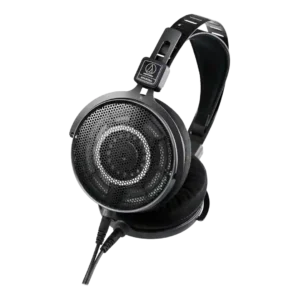
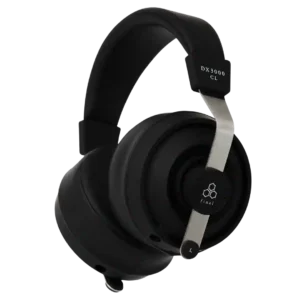
Audio-Technica ATH-R70XA Headphones
Where It Has the Edge
No clear scored advantage over the other product.

Scorata scores summarize analyzed review evidence on a 1–5 scale; they are not laboratory measurements or a simple average of customer star ratings. Feature scores summarize the reviews covering that feature. The overall score averages feature scores within each review, then combines review averages. When both expert and customer evidence are available, those two groups receive equal weight. Products can have different review coverage, so small score gaps do not establish a winner.
Recommendations prioritize important features for the category, with a score of at least 3.5, a gap of at least 0.25 points and at least two supporting reviews per product. Features with widely varying scores or broad connectivity contexts are excluded from recommendations. These safeguards do not establish statistical significance.
Quick verdict
The available evidence supports the recommendation below, but does not establish an overall winner. Check the remaining features against your priorities.
There is not enough comparable review evidence to recommend Audio-Technica ATH-R70XA Headphones over the other product.
Choose Final Audio DX3000CL for Sound leakage and Noise isolation (passive).
No clear scored advantage over the other product.
Scores are out of 5. Missing scores mean missing review evidence, not a missing feature.
Reviewers broadly praise the ATH-R70xa for natural, detailed, clean open-back sound, with only one dissenting review calling it merely fine and not personally compelling.
Overall sound quality is widely praised for clarity, natural timbre and an immersive closed-back presentation. The main disagreement is whether its warm, relaxed character feels engaging enough.
Sound leakage is a consistent downside because the open-back design lets others hear the music.
Sound containment is strong for a closed-back headphone, with little leakage reported at normal listening levels. It should work well around other people, though a dedicated isolation specialist can still do better.
Passive isolation is limited by the open-back design, making the headphones unsuitable for recording or noisy environments despite one reviewer finding outside sounds not too distracting.
Passive isolation is strong for a wired closed-back, helped by the thick, conforming pads. It is not portrayed as class-leading, but it blocks enough outside sound for shared spaces and casual portable use.
Bass is the most divided sound attribute: some reviewers hear tight, extended, accurate lows, while others want more punch, richness, or sub-bass headroom.
Bass is usually described as deep, punchy and weighty without overwhelming the mix. A few listeners hear it as softer, slightly muffled or mildly bloated, so bass precision is more divisive than bass enjoyment.
Immersive audio impressions are positive, with reviewers describing an entrancing and surrounding presentation.
The spacious, layered presentation creates a convincing sense of immersion for a closed-back headphone. Warm tonality and strong lateral imaging help the sound feel enveloping rather than boxed in.
Soundstage width is a consistent highlight, with reviewers describing the presentation as wide, spacious, airy, large, and open.
The closed-back stage is unusually broad and spacious, often reaching a scale that feels exceptional for the category. A more critical take hears an intimate, slightly congested presentation rather than true open-back spaciousness.
Frequency response is mostly praised as neutral, flat, even, and suitable for critical listening, though one reviewer heard a warm-but-lean tonal balance.
Most descriptions center on natural, balanced tuning with either neutral or gently warm tonality. A minority hears a more bass-forward, intimate balance that trades strict neutrality for comfort and richness.
One reviewer raises a clear durability concern, saying the light construction did not inspire confidence for longevity.
The modular construction is expected to support many years of use. Replaceable parts and screw-based assembly make long-term ownership more reassuring than sealed or glued alternatives.
Build quality is sharply split, ranging from flimsy, rattly, and delicate to solid, sturdy, excellent, and well constructed.
Build quality is one of the strongest areas, with sturdy materials, smooth assembly and excellent fit and finish. The resin construction keeps mass manageable without making the headphone feel cheaply made.
Weight comfort is the strongest point of agreement: reviewers repeatedly describe the headphones as extremely light and easy to forget during wear.
Despite a roughly 410g chassis, the DX3000CL feels lighter than expected because the support and clamp distribute weight well. Long sessions rarely feel burdensome from weight alone.
Long-session comfort is a major strength thanks to the light build and soft contact points, though fit can be poor for smaller heads.
Comfort is a major strength thanks to soft pads, controlled clamp and good weight distribution. Heat buildup can become a problem for some listeners during longer or warmer sessions.
Clamping force is praised as light and low-pressure, including for eyeglass users, while still staying usable on at least one reviewer’s head.
Clamp pressure is repeatedly described as well judged: secure enough to hold the headphones steady without feeling oppressive. It can feel slightly tight at first, but remains comfortable over longer sessions.
One reviewer praises the overall design as professional-looking and good-feeling.
The design is widely admired for clean, understated Japanese styling and distinctive construction. The look is functional rather than flashy, with the unusually broad silhouette being the main visual tradeoff.
Headband adjustability is inconsistent, with serious complaints about fit and the strap design alongside one reviewer who found adjustment easy.
The sliding earcup/headband system provides a broad, easy fit range and works even for smaller heads. Adjustment is unusual but generally considered effective and comfortable.
Feature depth is limited, with one review calling the features sparse despite a few useful extras.
For a passive wired headphone, the essentials are judged complete and well executed. The core cable and termination setup covers dedicated audio use without unnecessary extras.
Volume output is a practical weakness because several reviewers note the 470-ohm load needs a capable amplifier and can be too quiet from weaker sources.
Useful listening volume is easy to reach from ordinary headphone amplification. The DX3000CL does not demand unusually powerful gear just to play loudly.
Connectivity is limited to wired use; one review frames that as a drawback versus wireless options, while another appreciates having no wireless complexity.
Balanced 4.4mm support and the included 6.3mm adapter give the DX3000CL strong compatibility with dedicated audio gear. The unusual device-side termination setup is much less convenient for standard 3.5mm equipment.
Carry case feedback is mixed: one reviewer liked the soft carry case, while another wanted a harder protective case.
Travel storage is a weak point because the standard package may arrive without a case or bag. That omission feels out of place at this price and makes transport less convenient.
Headband padding feedback is split between one complaint that the pad collapses into the metal and one praise for comfort.
The padded headband stays comfortable for hours without creating a hotspot on the top of the head.
Stability depends on fit: one reviewer with a smaller head had slippage, while another found the light clamp still secure.
The moderate clamp and soft pads keep the headphones securely in place without excessive pressure. They stay steady on the head even though the overall frame is large.
One reviewer found resolution and clarity weaker at low levels, saying the headphone opens up more when played louder.
The DX3000CL can play loudly from ordinary amplification while staying clear. Clean output is a strength even without unusually demanding amplification.
Cable quality is mixed: reviewers like the useful length and dual cable in some contexts, but others criticize the split design, length, memory, and ergonomics.
The supplied cable is substantial, sturdy and flexible, with little memory reported. Its quality matches the headphone’s premium construction even if the termination choices are not ideal for every device.
The detachable cable system is convenient for some because it locks, removes, and routes either way, but others dislike the proprietary or over-complicated design.
Cable swapping is straightforward, and common aftermarket dual-3.5mm cables fit well in the recessed sockets. That makes replacement and system matching relatively easy.
The ear pads are generally described as soft, comfortable, breathable, and well padded, with one caveat that they can feel slightly shallow.
The oversized pads are consistently praised as exceptionally soft, thick and plush. Their cushioning helps sealing and comfort, though the same generous padding can trap heat.
Premium feel is mixed: some reviewers praise the finish and feel, while another says the simple build lacks premium materials.
Craftsmanship and premium materials give the DX3000CL a high-end feel, though the resin surfaces look more functional than overtly luxurious. The premium impression comes more from engineering and construction than visual bling.
One review positively notes the included long lead as a useful standard accessory.
The accessory package is inconsistent: the cable and 6.3mm adapter are well regarded, but the bundle can feel minimal and the missing case is a drawback. The unexplained foam inserts also create unnecessary confusion.
One review criticizes the ear cup swivel for not rotating enough to help the fit and seal.
The cups adjust enough for fit but do not swivel flat. That limits neck-wear and packing convenience compared with more travel-oriented designs.
Midrange clarity is usually a strength, with vocals and mids described as clear, present, and revealing, though one reviewer found the mids shouty and honky.
The midrange is a standout, with natural vocals, strong texture and clear instrument timbre. Even more critical takes say the mids remain fairly clear despite warmth from the lower frequencies.
Instrument separation and imaging are repeatedly praised, especially for stereo placement, mix decisions, and hearing individual elements clearly.
Instruments are usually easy to distinguish, with strong spacing and little smearing even in busy recordings. A warmer bass-to-mid blend can reduce separation for listeners seeking surgical precision.
Treble is generally praised as clear, smooth, detailed, and not harsh, with caveats about slight restraint or peakiness in a few reviews.
Treble is generally smooth, clear and non-fatiguing, avoiding harshness better than many brighter headphones. Some listeners miss upper-air sparkle and microdetail because the highest frequencies can sound rolled off.
Travel friendliness is poor because reviewers repeatedly say the open-back design is bad for commuting, public listening, and shared spaces.
These are home-first headphones: the bulky frame, limited folding and missing travel case work against frequent transport. They can be driven portably, but their physical design is not especially travel friendly.
Overall recommendations are mostly positive for critical listening, mixing, and mastering, but fit, bass needs, build expectations, and use case shape the verdict.
The DX3000CL is easy to recommend for detail, comfort and spacious closed-back sound. The case becomes more conditional for buyers prioritizing explosive dynamics, compact portability or aggressive price-to-performance.
Value is generally positive for sound quality and flagship-level pricing, though reviewers still note that the headphones are not cheap.
The $599 price is generally competitive for the sound, comfort, build and serviceability offered. Cheaper closed-backs can still undercut it for buyers who prioritize a more balanced or spacious sound per dollar.
Standard 3.5mm device use is awkward because the supplied cable terminates in balanced 4.4mm and may require stacked adapters. Common wired compatibility is broad, but direct 3.5mm convenience is inconsistent.
The DX3000CL is easy to drive but still benefits from stronger amplification, which can improve expansiveness and overall authority. It does not require a powerful amp, yet better upstream gear can extract more from it.
The DX3000CL is consistently easy to power, reaching useful volume from portable and modest amplifiers. Stronger amplification can still add a little more scale.
Finish behavior is mixed: oily hands can leave fingerprints, but the black material can also resist visible prints better than expected.
Glasses compatibility depends on frame shape: the soft pads can conform comfortably, but rigid arms may interfere with a proper seal.
Imaging is consistently strong, with instruments occupying precise lateral positions and layers remaining easy to locate. The spacious stage is organized rather than diffuse, especially impressive for a closed-back design.
Wired compatibility is broad with dedicated audio gear, but standard laptops and phones may need an adapter because the supplied device-side termination is not ordinary 3.5mm.
Overall impressions lean strongly positive, with repeated praise for the headphone’s thoughtful engineering and enjoyable sound. Satisfaction drops when buyers expect maximum dynamics, travel convenience or unbeatable price-to-performance.
Portability is poor: the headphone is bulky and does not collapse or lie flat. Its easy drivability does not offset the physical size when packing or commuting.
The modular construction supports part replacement, including earpads, but original parts may require international ordering. That keeps serviceability high while making sourcing less convenient.
Glue-free construction using screws and seals makes the DX3000CL unusually easy to dismantle, service and rebuild. This approach also reduces chemical use and supports longer product life.
Dynamics are the clearest point of disagreement. The DX3000CL can sound too polite and restrained on big swings, yet it can also deliver fast bass, good transient response and an engaging presentation.
Detail retrieval is a defining strength, exposing small transient information and low-level textures without making the presentation feel artificially analytical. It is exceptional for the price.
Spatial performance is praised for impressive imaging and positional cues, including mixing placement and gaming directionality.
Heat is the main comfort caveat. The thick synthetic pads can become stuffy or sweaty in warm conditions, although the design can still run cooler than some competing headphones.
One review criticizes the hinge/swivel area as weak and a source of rattles.
The left/right-independent cable routing is repeatedly treated as useful, clever, or cool.
The glue-free construction reduces unnecessary chemical use and supports a more sustainable build approach. Screws, seals and replaceable parts are favored over permanent adhesives.
Replacement earpads appear serviceable, but sourcing original parts may require international ordering. The modular construction helps, while regional parts availability remains the inconvenience.
Serviceability is good in theory, but the lack of local service centers and internationally sourced parts can make repairs inconvenient in some regions.
The stock tuning responds well to external EQ, especially when trimming the lower-treble area. This flexibility can smooth the sound for listeners who like the core tuning but want small tonal changes.
Setup simplicity is praised because the wired, app-free design is plug-and-play.
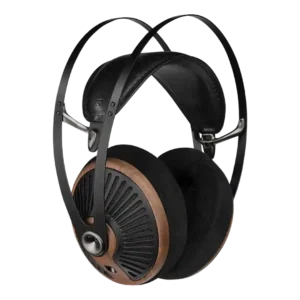
Choose the 105 Silva for beautiful, repairable construction, superb comfort, easy driveability, and an engaging spacious sound. Skip it if you need isolation, balanced connectivity, heavy sub-bass, or consistently smooth...
Pros: Design and Aesthetics, Overall recommendation
Cons: Noise isolation (passive), Connectivity options
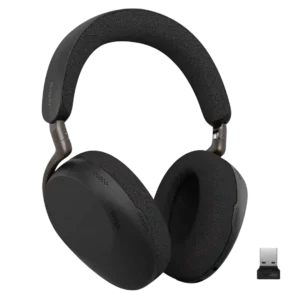
Choose it if your workday revolves around calls and you want exceptional mic isolation, huge battery life, all-day comfort, and a slim travel-friendly design. Skip it if music fidelity, class-leading...
Pros: Battery, Charging
Cons: Value for money, Codec support
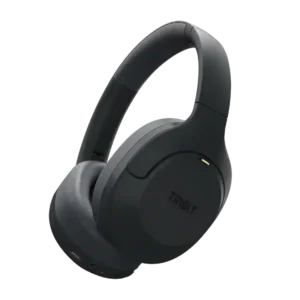
Best for exceptional battery life, useful ANC, flexible EQ, and strong budget value. Skip it if refined, detailed sound or polished controls matter more than price.
Pros: Value for money, Sound quality
Cons: Button control usability, App
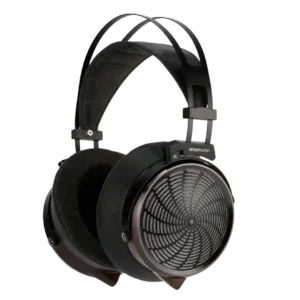
Best for spacious, detailed home listening, excellent comfort, and premium construction. Skip it for commuting, private shared-space use, built-in voice chat, or subwoofer-like bass impact.
Pros: Build quality, Comfort during long use