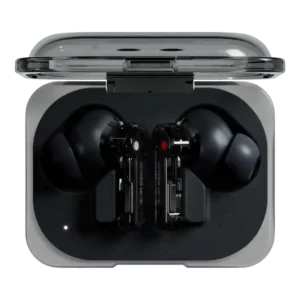
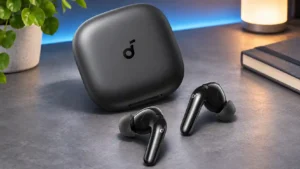
Nothing Ear (a) Earbuds
Where It Has the Edge
- Midrange clarity is 4.2 vs 3.9. Midrange comments were positive overall, with reviewers hearing open mids, clean dynamics, and pronounced upper-mid detail.

Scorata scores summarize analyzed review evidence on a 1–5 scale; they are not laboratory measurements or a simple average of customer star ratings. Feature scores summarize the reviews covering that feature. The overall score averages feature scores within each review, then combines review averages. When both expert and customer evidence are available, those two groups receive equal weight. Products can have different review coverage, so small score gaps do not establish a winner.
Recommendations prioritize important features for the category, with a score of at least 3.5, a gap of at least 0.25 points and at least two supporting reviews per product. Features with widely varying scores or broad connectivity contexts are excluded from recommendations. These safeguards do not establish statistical significance.
Quick verdict
The review evidence points to a tradeoff: Midrange clarity versus Fingerprint and smudge resistance and Transparency mode quality. Choose according to which strengths matter more to you; the overall score alone does not settle that choice.
Choose Nothing Ear (a) Earbuds for Midrange clarity.
Choose Anker Soundcore P31i for Fingerprint and smudge resistance and Transparency mode quality.
Scores are out of 5. Missing scores mean missing review evidence, not a missing feature.
Reviewers generally found the Ear (a) sound strong for the price, with several calling it excellent or impressive, though one lab-style review described it as only mediocre and a 2025 comparison found newer rivals can match or beat it.
Warm, punchy sound is generally enjoyable, particularly after EQ adjustments. Stock tuning and upper-frequency clarity divide listeners.
Spatial audio was a clear omission in the available evidence, with one review listing no head-tracking spatial audio as a con.
Spatial audio adds useful separation and gaming immersion, although some music settings introduce a metallic edge.
Passive isolation was mixed: some reviewers said the tips block outside noise well, while others still heard leakage or pressure from the remaining earbud.
A well-seated silicone tip provides useful passive isolation, but the seal must be established first.
Several reviewers heard a wide or expansive presentation, but one later comparison found the soundstage less wide than stronger budget rivals.
A spacious left-right presentation gives instruments and vocals room to breathe.
Frequency-response accuracy was the weakest sound-related measurement, with one review saying the default tuning misses the preferred curve.
The tuning favors bass and treble over strict neutrality, although it is more balanced than several older models.
ANC earned broad praise for the price, often described as effective or impressive, but it was not consistently top-tier and struggled more with mid/high frequencies.
Steady engine and fan noise is reduced well for the price, although speech, sudden sounds and imperfect seals can defeat the system. Some more expensive rivals cancel more noise.
Bass was usually praised as strong, fun, and adjustable, but a few reviewers found the default tuning bass-heavy or said it was not the strongest.
Bass is generally deep and controlled rather than muddy. Listeners disagree over whether its impact is excessive or too restrained.
Low-latency support was useful for casual gaming, but one reviewer cautioned that Bluetooth latency still was not fully solved.
Video synchronization is device-dependent: some tests found barely perceptible lag, while Android video playback was noticeably misaligned in another test.
Microphone noise reduction was a strength in the direct evidence, with reviewers praising background voice isolation and environmental filtering.
The microphones often separate speech from surrounding noise well, although voice level can dip when the environment gets loud.
Charging was mixed: fast charging was praised repeatedly, but the lack of wireless charging was a recurring tradeoff.
Quick charging is convenient in normal use, but a reported defective earbud would not accept a charge.
Battery life was generally solid to impressive, especially with ANC off, but ANC use and newer competition made it only midrange in some reviews.
Battery endurance is a standout, with roughly seven to eight hours of ANC listening in several tests and multiple additional case charges. Codec and volume settings affect runtime.
Case hinge confidence was positive in the limited evidence, with reviewers noting a wider hinge and solid metal hinge feel.
One owner found the case hinge wobbly with a noticeable gap.
Sustainability evidence was negative overall: recycled content was mentioned, but reviewers criticized disposability and non-replaceable batteries.
Plastic-free packaging is a welcome reduction in unnecessary material.
Ear tip size options were mixed: one reviewer appreciated the extra sizes, while another cited complaints about not enough assortment.
Multiple tip sizes provide flexibility for finding a comfortable seal.
Ear tip fit was positive overall, with a tight seal and size changes resolving a fit issue for one reviewer.
The right ear tips can provide a comfortable seal and better sound, yet some ears require experimentation or experience poor grip.
Build quality was mostly positive, with strong fit-and-finish and hinge/material comments, though the plastic case raised scratch concerns elsewhere.
The plastic earbuds often feel solid for their price, though some find the construction cheap and the case less refined.
Design was a standout strength, with reviewers consistently praising the transparent look, yellow option, and distinctive Nothing styling.
Clean stem styling and restrained finishes look more polished than the price might suggest.
Long-use comfort was one of the strongest consensus points, with reviewers repeatedly saying the earbuds stayed comfortable for commutes, work, and hours of wear.
The light stems generally remain comfortable for hours, but deeper insertion and choosing the right tips matter.
Weight comfort was praised where discussed, with reviewers emphasizing the lightweight feel and how easy they are to forget in the ear.
Lightweight earbuds put little pressure on the ears and can almost disappear during listening.
Smudge/scratch resistance was a weakness, with reviewers warning the clear case can scratch easily over time.
The matte case finish helps hide fingerprints and everyday marks.
Transparency mode drew split reactions: some found it useful or above average, while others said it was merely acceptable or too weak for conversation.
Transparency often sounds natural and clear, though some sounds can seem compressed and traffic direction can be difficult to judge.
Portability was positive, with reviewers highlighting the smaller, lighter, pocket-friendly case design.
The case is pocketable for some, but several find it unnecessarily bulky compared with other earbuds.
Volume output was mostly sufficient, with one reviewer noting loud output and another calling peak volume only average.
Music can reach high volumes, but one test found call playback noticeably muted even at the maximum setting.
Treble was usually described as clear, detailed, or expressive, though one reviewer connected the pronounced upper treble with an analytical sound.
Some find the highs smooth and crisp, while others hear grain, harshness or a lack of sparkle.
Water and sweat resistance was viewed as sufficient for gym or running use, even if not the highest possible protection.
IP55 protection is useful against sweat, splashes and light rain. The charging case should not be assumed to share that protection.
Android compatibility evidence centered on LDAC delivering high-quality streaming to supported Android devices.
Android pairing is convenient, but seamless Google device synchronization did not work for one user.
Preset EQ evidence was mixed, with one reviewer disliking extreme presets and another valuing the available preset/custom choices.
Preset profiles offer convenient starting points, with the bass reducer particularly useful for some. Other listeners prefer manual adjustment.
Midrange comments were positive overall, with reviewers hearing open mids, clean dynamics, and pronounced upper-mid detail.
Vocals often remain audible over the bass, but recessed or nasal mids can leave instruments sounding crowded.
Instrument separation was praised for placement and vocal/instrument isolation, though one comparison framed its advantage as only slight.
Many tracks benefit from clearly separated instruments and voices, though complex mixes can sound congested to some ears.
LDAC was a clear positive for Android and hi-res playback, although one later reviewer avoided it because of the battery-life penalty.
LDAC can improve detail and is unusual at this price, but availability varies by region and the benefits can come with battery or connection tradeoffs.
The case was one of the most mixed areas: many liked the smaller pocketable form, while others found it fiddly, unintuitive, or less refined.
Magnetic seating is convenient, but the case's slippery finish, size and occasional loose hinge reduce its appeal.
Touch and pinch responsiveness was mostly positive, but advanced gestures could be finicky or create annoying feedback in some use.
Customizable taps are generally responsive and easy to learn. Accidental inputs and an initial firmware-related control issue have been reported.
Find My was liked where evaluated, with one reviewer specifically appreciating that the feature was included.
An audible locator tone helps find a misplaced earbud nearby.
Stability was usually strong, with repeated reports of secure fit, though one reviewer’s left earbud worked loose.
Many wearers get a secure fit even during movement, but some experience persistent loosening or need frequent adjustment.
The squeeze/pinch control system was generally praised as intuitive and effective, though a few reviewers found some combinations tricky.
One regional-model account praises tactile stem presses for avoiding accidental activation.
Equalizer customization was useful and often praised, but reviewers also noted it is limited compared with the flagship Nothing Ear or competing 10-band EQs.
Manual EQ and personalized sound profiles can substantially improve stock tuning, although the available adjustments do not satisfy everyone.
Bluetooth reliability was mixed: some reviewers reported sturdy connections and no interruptions, while one experienced stutters in busy downtown conditions.
Pairing and everyday wireless connections generally work well, though isolated range, pairing and connection problems occur.
The Nothing X app was a major strength, repeatedly praised for intuitive design, customization, responsiveness, and clean organization.
The feature-rich app offers extensive sound and control customization, translation and ambient sounds. Some find the interface cluttered or less intuitive than desired.
Setup and everyday software use were praised as easy, fast, responsive, and intuitive.
Initial pairing is generally straightforward, with the app detecting the earbuds quickly.
Call quality was generally usable to good, with several reviewers reporting clear voices, though others heard compression, artificial tone, or obvious earbud processing.
Calls are usually clear for the price, especially in quiet conditions. Wind, noise and low call volume can make performance less dependable.
Value was a major strength, with many reviewers calling the Ear (a) unusually competitive or hard to beat, though one later review argued cheaper rivals now close the gap.
An unusually rich combination of noise cancellation, long runtime and adjustable sound makes these particularly compelling at discounted prices.
Multipoint was widely valued and usually smooth, with app-based device management praised; one reviewer still noted occasional priority confusion.
Switching between two devices can be fast and convenient, although simultaneous connection support varies across reported settings and versions.
Vocal pickup is generally clear for a budget model, although not consistently at flagship level.
Live translation can be surprisingly quick and useful, but accuracy, instructions, connection requirements and possible trial limits warrant caution.
Multiple manual and adaptive settings give useful control; the strongest manual setting sometimes works better than scene-based modes.
The supplied USB-A to USB-C cable is less convenient for buyers who prefer USB-C at both ends.
Multiple colors give buyers a welcome choice of appearance.
Pairing worked seamlessly with the tested Samsung and Apple phones.
Ambient mode lets conversations and surrounding sounds through without removing the buds, but it is not consistently equivalent to open ears.
Firmware updates can improve operation and have resolved initial touch-control issues.
Google Fast Pair makes initial Android pairing quick and convenient.
Personalized hearing tests and safe-volume limits add useful ways to tailor listening.
The selection of ear tips covers basic fit needs, although a lanyard would have been a useful inclusion.
Separate controls for one-bud use are handy, but one test found that single-bud playback omits the opposite stereo channel.
The paperwork explains basic operation but leaves translation setup unclear.
Integrated microphones were viewed positively where directly discussed, especially with multiple microphones supporting call performance.
A reported dead-on-arrival earbud prevented pairing and charging before an international trip.
The ear-specific gestures take a little practice but can become familiar within a day or two.
The left and right markings can be hard to read.
The dedicated gaming setting generally reduces delay enough for responsive play, with performance depending on the device and codec.
Maximum-volume clarity looked strong in the evidence, with reviewers reporting no clipping and plenty of detail at low listening levels.
Multi-platform compatibility was positive, with reviewers saying the earbuds work well across devices and check broad feature boxes.
Most overall impressions are enthusiastic about the package, though a compilation of negative experiences highlights inconsistent reliability and fit.
Organized, practical packaging makes unboxing straightforward; plastic-free presentation is appreciated.
If powered off, the buds need to be returned to their case to restart rather than simply tapped on.
Some find the matte finish practical, while others notice scratches easily.
Sensor-related evidence was mixed: wearer recognition impressed in one review but ear detection misfired in another.
LDAC, multipoint and other advanced modes may not all operate together on every version or firmware. Reports disagree about which combinations work.
Some regional listings omit important details, making it harder to confirm the exact codec, fit or controls before purchase.
Translation trial limits are a concern, particularly when the ongoing cost is not clearly communicated before purchase.
USB-C case charging is efficient and convenient for cable-based charging routines.
Most accounts describe no automatic pause on removal, while one regional-model test reports working wear detection. Confirm the actual version if this matters.
The stems can make the earbuds easy to handle, although the thinner profile may be harder to grip when removing them from the case.
Switching between ANC and transparency preserves a similar sound balance, with a modest bass change in normal mode.
Distortion is generally controlled, but one listener found higher frequencies harsh and grainy, and another account described random crackling.
Voice isolation helps when recording video in surroundings with background noise.
Breathing and running impacts are less intrusive than on the preceding model.
A protective tip mesh helps keep grime away from the buds, although white earbuds can get visibly dirty.
The earbuds handle quiet and loud passages with a pleasing sense of range.
Bass can remain satisfying at lower volumes, although one listener felt the overall presentation only came alive at excessively loud settings.
Footsteps can be distinguished on the left and right, helping with directional awareness in games.
Fine guitar textures, percussion and small musical details can come through clearly, particularly with compatible high-resolution playback.
Adjustable background sounds are a welcome addition for relaxing, focusing or falling asleep.
Soundstage depth had limited but positive evidence, with one reviewer hearing space and texture around vocals.
The spatial presentation can be more expansive than older virtual surround implementations, especially in gaming mode.
Wind filtering can help keep calls and ambient modes usable, but windy conditions still cause voice dips for some users.
ANC pressure ranges from barely noticeable to uncomfortable; normal mode can be preferable for longer sessions if you are sensitive.
Auracast support was a negative omission in the evidence, appearing as part of a broader future-proofing complaint.
Codec support was praised mainly because LDAC and hi-res support are unusual and valuable at this price.
Volume-adjustment glitches, crackling and occasional connection issues undermine reliability for some users.
Cleaner tuning, stronger ANC and a broader feature set make these a worthwhile step up from several older budget models, despite a few lost conveniences.
Several tests found reliable room-scale connectivity, but one owner reported unusually short range and dropouts.
Instant confirmation tones make taps easier to register, and the loud feedback can be disabled.
Stock sound can be underwhelming until the app is used to personalize EQ, adding an extra step to the experience.
The extra AI features can be avoided when using the regular headphone settings.
Regular app-delivered firmware updates help address bugs and connection performance.
Voice assistant integration had weak evidence: the available test showed the assistant failing to understand the product context.
Speech generally retains a reasonably natural tone rather than sounding heavily processed.
Startup, pairing and mode-change prompts can sound cheap despite quick touch feedback.
Removing the previous model's built-in phone stand sacrifices a handy viewing convenience.
A short case top-up can restore several hours of playback, reducing downtime before leaving home.
The lack of wireless charging is a recurring compromise that many accept at this price.
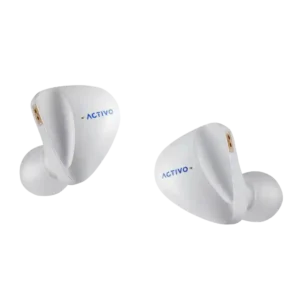
Best for detailed, natural wired sound, three connector options, and standout value around $99. Skip it if you need wireless features, stronger bass, softer treble, or a compact fit for...
Pros: Value for money, Multi-platform compatibility

Clear calls and a remarkably comfortable, secure fit make these compact earbuds an appealing value. Wind handling and touch-control convenience are less consistent, while ANC performance varies more than the...
Pros: Integrated microphone, Microphone quality for calls
Cons: Spatial audio
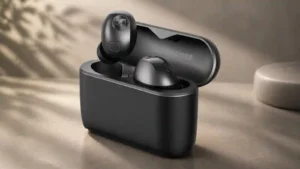
Choose these for excellent, balanced sound, a comfortable redesign, deep EQ tools and uniquely replaceable batteries. Skip them if you need class-leading ANC, consistently great calls or the smoothest treble...
Pros: User-replaceable batteries, Overall satisfaction
Cons: Auracast support, Sensors

Choose the AirPods 5 for strong open-ear ANC, clearer sound, easy Apple-device switching, and excellent value. Skip them if you need all-day battery, a very secure workout fit, or full...
Pros: Overall satisfaction, Sound quality
Cons: Battery, Eartips fit