Compare Sony BRAVIA 3 II vs LG C6H OLED

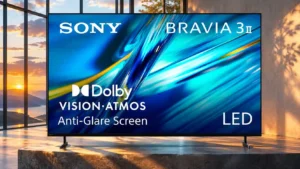
Sony BRAVIA 3 II

Sony BRAVIA 3 II

Overall score 3.8 / 5

Based on 14 scored reviews

vs
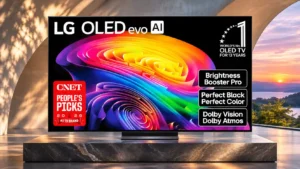
LG C6H OLED

LG C6H OLED

Overall score 4.1 / 5

Based on 11 scored reviews

How we score

Scorata scores summarize analyzed review evidence on a 1–5 scale; they are not laboratory measurements or a simple average of customer star ratings. Feature scores summarize the reviews covering that feature. The overall score averages feature scores within each review, then combines review averages. When both expert and customer evidence are available, those two groups receive equal weight. Products can have different review coverage, so small score gaps do not establish a winner.

Recommendations prioritize important features for the category, with a score of at least 3.5, a gap of at least 0.25 points and at least two supporting reviews per product. Features with widely varying scores or broad connectivity contexts are excluded from recommendations. These safeguards do not establish statistical significance.

Quick verdict

What each product is best for

The review evidence points to a tradeoff: glare resistance and privacy controls versus dark-room performance and HDR brightness. Choose according to which strengths matter more to you; the overall score alone does not settle that choice.

Choose Sony BRAVIA 3 II for glare resistance and privacy controls.

Choose LG C6H OLED for dark-room performance and HDR brightness.

Why these recommendations?

Sony BRAVIA 3 II

Where It Has the Edge

  • glare resistance is 4.3 vs 2.4. Direct reflections are well controlled on the matte 65- and 75-inch versions. Glossy sizes show brighter mirror-like reflections,...
  • privacy controls is 4.0 vs 2.2. A physical microphone switch allows hands-free listening to be disabled. Google setup can also avoid a sign-in, though...
  • refresh rate is 4.8 vs 3.0. The move to a native 120Hz panel is a substantial leap over the previous 60Hz model, especially for...

LG C6H OLED

Where It Has the Edge

  • dark-room performance is 4.7 vs 1.3. Perfect blacks and dynamic range make this an excellent night-movie TV, although near-black banding on some panels can...
  • HDR brightness is 5.0 vs 2.6. Exceptional HDR brightness is the C6H’s signature improvement over smaller C6 models; sunlight, flames and other highlights gain...
  • wall-mount compatibility is 4.5 vs 2.5. The large display looks attractive on a standard VESA bracket, but recessed inputs and a fixed cable make...
Sony BRAVIA 3 II 3.8 overall score
LG C6H OLED 4.1 overall score

Compare features

Scores are out of 5. Missing scores mean missing review evidence, not a missing feature.

Scored on both products

Performance

Picture quality
Sony BRAVIA 3 II
4.3

Natural color and fine-detail processing make ordinary shows and daytime films pleasing to watch. More critical assessments find washed-out blacks and insufficient highlight punch on the 65-inch IPS model.

LG C6H OLED
5.0

The large tandem OLED panel delivers striking, nearly flagship-level images with deep blacks, punchy HDR highlights, and rich colors. Uniformity and reflections are the main visual reservations.

Dark-room performance
Sony BRAVIA 3 II
1.3

The absence of local dimming makes black-heavy scenes much less immersive, especially on the 65-inch IPS model. Even enthusiastic owners often see a higher-tier backlight as preferable for nighttime films.

LG C6H OLED
4.7

Perfect blacks and dynamic range make this an excellent night-movie TV, although near-black banding on some panels can undermine dark scenes.

Local dimming performance
Sony BRAVIA 3 II
1.8

Without independently controlled dimming zones, bright details and dark backgrounds cannot be optimized separately. This puts cinematic HDR and night viewing at a disadvantage against locally dimmed sets.

LG C6H OLED
5.0

With lighting controlled pixel by pixel, black-to-bright transitions appear precise and free of LCD-style dimming-zone compromises.

Contrast ratio
Sony BRAVIA 3 II
2.5

The lack of local dimming leaves dark scenes flatter than on many Mini LED rivals. Some users find the contrast acceptable with room lights on, especially on regional VA-panel versions.

LG C6H OLED
5.0

The essentially infinite contrast lets bright objects sit next to pitch-black areas without compromising the image.

Picture detail
Sony BRAVIA 3 II
4.4

The XR processor makes textures, faces and object edges impressively distinct. Compressed material can lose a little fine detail during cleanup.

LG C6H OLED
2.0

The picture is finely resolved, but always-on smooth-gradation processing can wipe out genuine texture in demanding scenes.

HDR brightness
Sony BRAVIA 3 II
2.6

Moderately lit HDR scenes can look lively, but the measured output lacks the headroom to make tiny specular highlights sparkle. Opinions are more positive when judging against basic LCD sets.

LG C6H OLED
5.0

Exceptional HDR brightness is the C6H’s signature improvement over smaller C6 models; sunlight, flames and other highlights gain a dramatic sense of impact.

HDR performance
Sony BRAVIA 3 II
3.4

Some users enjoy the natural color and refined details in Dolby Vision films. Others find HDR underwhelming because poor native contrast and limited peak output flatten highlights.

LG C6H OLED
4.9

HDR movies and games benefit from intense specular highlights, perfect blacks and excellent range, although the brightest small highlights can exceed the intended tone curve.

Peak brightness
Sony BRAVIA 3 II
3.5

SDR output handles ordinary room lighting adequately and improves on the earlier generation. It is not powerful enough to compete with brighter Mini LED sets.

LG C6H OLED
4.9

The tandem panel gives the C6H unusually bright highlights for a C-series OLED, often approaching the output of more expensive flagship sets.

Soundstage
Sony BRAVIA 3 II
4.5

The speakers can project a surprisingly broad and lively sound for their size, though the presentation remains limited by a two-channel TV layout.

LG C6H OLED
3.3

Built-in speakers can sound reasonably wide for everyday TV, but lack the spaciousness of an external surround system.

Sustained brightness
Sony BRAVIA 3 II
3.0

The backlight maintains adequate output in ordinary and moderately bright scenes rather than delivering dramatic localized highlights.

LG C6H OLED
4.0

Full-screen brightness is strong for OLED and several tests found it held up well in big bright scenes. Heavy automatic limiting or the G6 advantage can still show in some situations.

Bass performance
Sony BRAVIA 3 II
2.4

Deep bass is consistently the weak link, with limited rumble in explosions, film scores and bass-heavy music. Speech and lighter material fare better.

LG C6H OLED
3.2

The small speakers offer some welcome low-end weight but cannot consistently reproduce deep bass without boominess.

Color accuracy
Sony BRAVIA 3 II
4.6

Natural skin tones and restrained saturation are recurring strengths, with strong SDR accuracy even before calibration. Some settings deliberately trade precision for brighter, punchier colors.

LG C6H OLED
4.0

SDR Filmmaker Mode is generally natural and convincing. HDR accuracy is less consistent, with cool color temperature, undersaturated reds, and limited gains from calibration on some samples.

Daytime viewing performance
Sony BRAVIA 3 II
4.5

Ordinary programs look bright, clear and colorful with the lights on, especially on versions with a matte screen. It is less forgiving when a bright window reflects directly in a glossy model.

LG C6H OLED
5.0

The tandem OLED brightness makes daytime TV more practical than on older C-series sets, provided direct window reflections are controlled.

Overall image accuracy
Sony BRAVIA 3 II
4.0

Factory SDR colors are particularly well tuned, and HDR color mapping is mostly good despite some midtone and luminance errors.

LG C6H OLED
3.7

Filmmaker Mode can look impressively natural in SDR, but HDR calibration and some tone-mapping behaviors vary, with cool color casts and red saturation errors in certain modes.

Noise reduction
Sony BRAVIA 3 II
4.6

Compression blocks and digital noise are cleaned up while preserving a surprisingly crisp image. Very fine source detail may occasionally soften in the process.

LG C6H OLED
4.3

Compression artifacts and dark-scene noise are generally reduced, though one evaluation found that HDR dithering remains visible.

White balance accuracy
Sony BRAVIA 3 II
4.0

Factory white balance is good, if slightly warm with a touch of excess red in several shades. HDR color temperature is even closer to target.

LG C6H OLED
3.8

Factory white balance can lean cool, especially in HDR, but straightforward adjustments often bring gray tracking and color temperature close to reference.

Picture mode tuning
Sony BRAVIA 3 II
4.2

Cinema and Professional favor natural images, while Standard and Vivid add punch for animation or sports. Selecting a preset is worthwhile because brightness and color differ noticeably.

LG C6H OLED
4.0

Accurate Filmmaker modes coexist with brighter alternatives; some modes overprocess colors or lock adjustments.

SDR picture performance
Sony BRAVIA 3 II
4.7

News, broadcast sports and brightly colored animation look lively yet largely natural. Good out-of-box tuning and image cleanup make routine viewing a standout.

LG C6H OLED
4.8

Everyday shows, broadcasts and sports benefit from accurate color and unusually strong OLED daylight brightness.

Sound quality
Sony BRAVIA 3 II
3.6

The built-in speakers emphasize crisp voices and can sound fuller than expected. They still lack the deep bass and cinematic scale of an external sound system.

LG C6H OLED
3.7

Built-in sound opinions are split: several found clear, surprisingly capable audio, while others heard a thin, limited presentation lacking power.

Gaming performance
Sony BRAVIA 3 II
5.0

Fast Game Mode response and four high-bandwidth ports are major strengths. Lab testing nevertheless finds more blur at 60Hz than the smooth 120Hz experience suggests.

LG C6H OLED
5.0

Exceptionally fast pixels, low lag, 165Hz capability and four HDMI 2.1 inputs make the C6H one of the strongest large-screen gaming choices.

Other features

Motion handling
Sony BRAVIA 3 II
4.4

The 120Hz panel and Sony’s processing earn strong praise for sports and smooth camera movement. Lab testing is more cautious about blur at 60Hz, where transitions can look smeary.

LG C6H OLED
4.6

Fast action looks crisp with excellent pixel response and film playback is generally controlled, though some panning stutter is characteristic of OLED.

Input lag
Sony BRAVIA 3 II
4.8

Game Mode is impressively responsive, even in timing-heavy PlayStation games. Lag rises substantially outside Game Mode, making external navigation feel sluggish.

LG C6H OLED
5.0

Controls feel exceptionally responsive, with particularly low latency at 120Hz and a faster mode for 60Hz.

Ease of use
Sony BRAVIA 3 II
4.8

Simple Google TV navigation and accessible quick settings keep daily operation straightforward. Advanced HDMI input formats may still require manual configuration.

LG C6H OLED
3.0

webOS 26 can be fast and feature-rich yet frustrating to navigate, particularly for inputs, apps and detailed settings.

1440p input compatibility
Sony BRAVIA 3 II
2.0

PlayStation checks found 1440p unsupported despite excellent 4K/120Hz operation. Players who specifically need that resolution should check their setup.

LG C6H OLED
5.0

Both supported consoles can send 1440p at 120Hz, making it a flexible gaming input option.

Account requirements
Sony BRAVIA 3 II
4.0

Google sign-in is optional for basic TV use, which also removes home-screen advertising. Giving up the account means losing most of the smart features.

LG C6H OLED
1.3

Installing and using internal apps requires an LG account and acceptance of terms, an unwanted obstacle for privacy-minded owners.

Stand width
Sony BRAVIA 3 II
2.4

The two legs sit far apart and cannot be moved toward the center, so larger versions demand a wide media stand.

LG C6H OLED
5.0

The centralized pedestal allows the 77-inch display to sit on a cabinet narrower than the screen.

Black levels
Sony BRAVIA 3 II
2.4

The 65-inch IPS set struggles to deliver convincing blacks in dark rooms, where shadowy scenes can appear gray. Some other sizes or reviewers report better results, but panel differences make generalizations risky.

LG C6H OLED
5.0

Self-lit pixels create impressively deep blacks and striking depth, making movies and games look dramatic without the washed-out grays of many LCDs.

Flicker control
Sony BRAVIA 3 II
5.0

The standard DC-dimmed backlight is flicker-free, a welcome trait for viewers sensitive to ordinary PWM flicker.

LG C6H OLED
2.5

Normal OLED dimming differs from PWM, but black-frame insertion and certain VRR cases can still cause noticeable flicker.

Black uniformity
Sony BRAVIA 3 II
3.0

The tested matte 65-inch IPS panel shows substantial clouding and uneven blacks. A separate VA variant was described much more favorably, emphasizing the importance of screen size.

LG C6H OLED
5.0

Deep blacks are uniform and free of halos thanks to individual pixel control, apart from separate near-black banding concerns.

Burn-in resistance
Sony BRAVIA 3 II
5.0

The direct-lit LCD construction carries very low risk of permanent image retention, reassuring viewers who leave static graphics on-screen.

LG C6H OLED
3.0

Static logos and unchanging screens can still cause permanent OLED damage, despite confidence in the newer tandem panel design.

Content recommendations
Sony BRAVIA 3 II
4.0

The Google TV home screen offers reasonably useful suggestions alongside its familiar app and show navigation.

LG C6H OLED
2.0

LG’s default home page can bury useful content under suggested services, paid promotions and poorly matched recommendations.

HDR highlight detail
Sony BRAVIA 3 II
3.0

Sony’s processing can make bright objects appear clear, but genuinely small HDR highlights are too dim on the tested 65-inch panel.

LG C6H OLED
5.0

Bright specular areas reveal tiny movie details that dimmer OLEDs can lose.

Search quality
Sony BRAVIA 3 II
4.0

Gemini voice search can help locate content in conversational language without digging through several app menus.

LG C6H OLED
2.0

Integrated search does not cover every installed streaming app, so results can be incomplete.

Wall-mount compatibility
Sony BRAVIA 3 II
2.5

VESA mounting is supported, but downward and rear-facing inputs are awkward to access after installation. Connect eARC and other essential cables first.

LG C6H OLED
4.5

The large display looks attractive on a standard VESA bracket, but recessed inputs and a fixed cable make installation less convenient.

High-refresh-rate gaming
Sony BRAVIA 3 II
3.0

The native 120Hz refresh delivers fluid play on current consoles. PC users seeking 144Hz, 165Hz or faster must look elsewhere.

LG C6H OLED
4.9

PC users can reach 165Hz with VRR, but some testing found that 120Hz gives a cleaner, more stable image.

Glare resistance
Sony BRAVIA 3 II
4.3

Direct reflections are well controlled on the matte 65- and 75-inch versions. Glossy sizes show brighter mirror-like reflections, so placement matters.

LG C6H OLED
2.4

Normal room lighting is workable, but direct light sources can appear like a mirror, especially during dark scenes.

Refresh rate
Sony BRAVIA 3 II
4.8

The move to a native 120Hz panel is a substantial leap over the previous 60Hz model, especially for sports and consoles.

LG C6H OLED
3.0

The 165Hz mode offers headroom for gaming PCs, but some tests found flicker or reduced dark-scene detail, making 120Hz a safer option.

Response time
Sony BRAVIA 3 II
3.3

120Hz motion is usable but shows some pixel-transition overshoot; at 60Hz motion is substantially blurrier. Other evaluations of gaming response are more upbeat.

LG C6H OLED
5.0

Nearly instantaneous pixel transitions minimize trailing and keep fast games remarkably clear.

Remote control usability
Sony BRAVIA 3 II
4.8

Raised controls help with eyes-free operation, and the familiar layout is easy to learn. Small or closely spaced buttons can cause accidental presses.

LG C6H OLED
3.2

The pointer and wheel are convenient for some, while others dislike the motion interface and indirect access to inputs.

Maximum volume
Sony BRAVIA 3 II
3.5

Some speakers are clear and ample for regular room listening, while lab testing found the maximum output unimpressive. Loudness depends on the volume and expectations involved.

LG C6H OLED
2.0

The internal speakers do not play as loudly as a large cinematic display might warrant.

Stand stability
Sony BRAVIA 3 II
4.5

Metal-topped feet generally hold the panel securely and sit confidently on a wide cabinet.

LG C6H OLED
3.0

The big screen can sway a little on its pedestal without feeling dangerously unstable.

Reflection handling
Sony BRAVIA 3 II
3.7

The 65- and 75-inch matte screens control direct reflections well, making them appealing in bright spaces. Glossy sizes are more vulnerable to windows or lamps facing the screen.

LG C6H OLED
2.3

The glossy screen preserves vivid OLED contrast but reflects windows and bright lamps far more strongly than the G6 or certain Samsung rivals.

Screen uniformity
Sony BRAVIA 3 II
3.8

The center stays relatively clean with minimal dirty-screen patches and no obvious near-black banding. Some edge darkening and clouding remain.

LG C6H OLED
2.5

Panel uniformity is the biggest sample-dependent issue: some examples hide faint banding in films, while others show distracting dark vertical lines or edge tinting.

Remote layout
Sony BRAVIA 3 II
3.8

Useful app shortcuts and a customizable button speed common tasks. A few important controls could be larger and easier to distinguish.

LG C6H OLED
2.5

Small and traditional remotes suit different tastes; missing backlighting and indirect input access remain frustrating.

Gradient handling
Sony BRAVIA 3 II
3.5

Color transitions look generally smooth, with a little banding in difficult gradients rather than major posterization.

LG C6H OLED
4.7

Smooth tonal transitions are a standout, with minimal posterization in most HDR scenes. A few demanding dark clips still uncover faint lines.

Remote control quality
Sony BRAVIA 3 II
4.2

The recycled-plastic remote is generally comfortable, tactile and useful. Some users would prefer a smaller body or larger setting buttons.

LG C6H OLED
3.0

The Magic Remote works effectively, but its plastic feel disappoints at this TV’s price.

Motion clarity
Sony BRAVIA 3 II
3.8

Many sports and gaming sequences look strikingly smooth, but instrumented tests describe pronounced 60Hz smearing and slower dark transitions.

LG C6H OLED
5.0

Rapidly moving objects stay exceptionally sharp, particularly at 120Hz and above.

Blooming control
Sony BRAVIA 3 II
4.0

The absence of local dimming avoids the usual isolated halos around subtitles and highlights. The compromise is an elevated glow across larger dark areas rather than genuinely deep blacks.

LG C6H OLED
5.0

Small bright objects and subtitles remain free of the light halos that can surround them on backlit TVs.

Energy efficiency
Sony BRAVIA 3 II
4.0

The Eco Dashboard offers easy access to consumption controls, though higher-performance settings trade reduced automatic dimming for greater electricity use.

LG C6H OLED
3.0

A large, bright panel can use substantial electricity even if tandem OLED is relatively efficient per unit of screen area.

Free streaming channels
Sony BRAVIA 3 II
4.0

Google TV Freeplay adds readily accessible channels without a separate antenna, a useful bonus when the TV is online.

LG C6H OLED
5.0

LG Channels gives access to a broad collection of no-subscription, ad-supported programming.

Overall satisfaction
Sony BRAVIA 3 II
4.0

The BRAVIA 3 II wins praise for polished everyday viewing and full-featured gaming, but opinions diverge sharply on whether its plain backlight justifies Sony’s price. Dark-room performance is the recurring sticking point.

LG C6H OLED
5.0

The C6H inspires strongly positive recommendations for its picture and gaming strengths, despite recurring complaints about webOS, glare and some sample variation.

Calibration options
Sony BRAVIA 3 II
3.4

Color is already accurate in the preferred presets and can be refined further, with Calman support available. Missing granular color-management controls limit a full professional adjustment.

LG C6H OLED
4.3

Expert controls and AutoCal can dial in very accurate images, but HDR color adjustments are finicky on some tested units.

Banding control
Sony BRAVIA 3 II
3.5

Most gradients stay reasonably smooth, though mild visible banding prevents a truly spotless result.

LG C6H OLED
4.4

New processing largely eliminates obvious color banding, but dark-gray patterns and occasional Dolby Vision scenes may still show artifacts.

Motion artifacts
Sony BRAVIA 3 II
2.5

Fast transitions can show inverse ghosting and minor overshoot, even when most 120Hz motion looks clear. These issues are more apparent at 60Hz.

LG C6H OLED
3.4

Motion is normally clean, but shadow overshoot, rare banding patterns and VRR flicker can appear in difficult content.

Stand quality
Sony BRAVIA 3 II
3.3

Slim feet and a clean metallic look appeal to some reviewers, but the support positions are fixed and can be inconvenient.

LG C6H OLED
4.2

The centered stand looks good and suits narrower furniture, but some large examples wobble slightly.

Gaming mode quality
Sony BRAVIA 3 II
4.5

PlayStation-oriented tuning produces a polished image and automatically selects low-latency settings. Custom picture controls are more limited than on higher-end Sony sets.

LG C6H OLED
3.7

Game Optimizer is feature-rich and fast, though some high-refresh or Dolby Vision modes can alter shadows and color accuracy.

Gaming dashboard
Sony BRAVIA 3 II
4.3

A dedicated on-screen game menu groups VRR, black equalizer, crosshair and motion controls in one convenient place.

LG C6H OLED
5.0

On-screen controls make it easy to tune game brightness, black visibility and other settings without leaving the action.

Off-axis color shift
Sony BRAVIA 3 II
2.5

One regional screen showed a slight pink shift in a warm-toned game scene when viewed from the side, so important color work is better done head-on.

LG C6H OLED
3.2

Mild green, cyan or blue casts can appear from the sides, with the severity varying considerably between panels.

Viewing angles
Sony BRAVIA 3 II
4.0

The tested 65-inch IPS panel holds colors reasonably well for people sitting off-center, making group viewing practical. VA-panel sizes can shift more when watched from the side.

LG C6H OLED
4.7

The picture stays bright and blacks remain deep across wide seating positions, though mild green or blue tinting appears at some angles.

Auto low-latency mode
Sony BRAVIA 3 II
4.4

The TV can switch into low-latency play automatically when a compatible console starts. That removes the need to hunt through menus before gaming.

LG C6H OLED
5.0

The TV switches into a responsive low-latency state automatically for compatible consoles.

Dirty screen effect
Sony BRAVIA 3 II
4.5

Uniform areas are relatively clean, with little obvious blotching or vertical banding in the screen tests. Slight edge darkening remains visible on some patterns.

LG C6H OLED
4.0

Bright scenes are often impressively uniform, but some units show darker edges or uneven gray patches.

Large-screen immersion
Sony BRAVIA 3 II
4.5

The 100-inch option creates a particularly impressive, enveloping image at an unusually accessible price for a Sony with XR processing.

LG C6H OLED
5.0

At 77 or 83 inches, bright HDR effects and enormous contrast deliver a convincing cinematic scale.

PC text clarity
Sony BRAVIA 3 II
4.5

Proper RGB and chroma 4:4:4 rendering keep Windows or PC interface text readable at both 1080p and 4K.

LG C6H OLED
4.0

Full chroma support helps PC images, but the non-RGB subpixel arrangement can slightly soften or fringe fine Windows text.

Motion interpolation
Sony BRAVIA 3 II
3.8

Sony’s motion smoothing can reduce cinematic stutter effectively at conservative settings. Pushing it harder may add artificial trails or compromise other frame rates.

LG C6H OLED
4.2

Cinematic Movement subtly smooths 24fps films without introducing much soap-opera effect, although stronger settings may add artifacts.

Upscaling quality
Sony BRAVIA 3 II
4.5

Low-resolution broadcasts, older videos and DVDs come out surprisingly sharp and well controlled. This is one of the strongest reasons to choose the Sony over less expensive alternatives.

LG C6H OLED
4.9

DVDs, lower-resolution TV channels and HD streams are handled with impressively natural detail, although optional sharpening can become aggressive.

Advertising intrusiveness
Sony BRAVIA 3 II
2.0

Google TV includes on-screen ads even when personalized advertising is disabled. Basic offline setup removes them at the cost of smart functions.

LG C6H OLED
1.7

Ads and sponsored content are a recurring irritation, with some placements impossible or cumbersome to remove and autoplay sound particularly unwelcome.

Dialogue clarity
Sony BRAVIA 3 II
4.5

Voices remain intelligible through action sequences and at moderate TV volumes. This is a more consistent strength than music weight or bass impact.

LG C6H OLED
4.2

Voices sound crisp and intelligible in several listening tests, although a few found dialogue muted by the tonal balance.

G-SYNC compatibility
Sony BRAVIA 3 II
4.5

G-SYNC Compatible operation is a useful addition for gaming PCs, complementing the set’s native 120Hz panel and low Game Mode input lag.

LG C6H OLED
4.8

G-SYNC makes Nvidia PCs a strong fit, though VRR flicker can still occur in a few dark menus.

Image processing
Sony BRAVIA 3 II
4.8

Sony’s XR processing is a consistent highlight, making mixed-quality content look more refined without obvious artificial sharpening. Its improvements cannot fully overcome the native backlight limitations.

LG C6H OLED
4.5

The Alpha 11 Gen 3 gives streams and movies a clear, polished appearance. Purists may dislike processing that cannot always be fully switched off.

Stutter handling
Sony BRAVIA 3 II
3.5

Slow camera pans can show mild stutter; conservative interpolation reduces it without completely removing it.

LG C6H OLED
3.8

OLED response exposes some film-pan stutter, but modest motion interpolation helps without making movies look overly processed.

Variable refresh rate
Sony BRAVIA 3 II
4.3

VRR helps match the screen to changing console and PC frame rates, reducing tears without sacrificing 120Hz input support.

LG C6H OLED
4.5

FreeSync, G-SYNC and HDMI VRR largely keep gameplay tear-free, with occasional dark-scene flicker or raised blacks.

Color volume
Sony BRAVIA 3 II
4.4

Bright animated scenes and vivid daylight colors look lively, but dark saturated colors and extreme HDR highlights are harder for this panel to reproduce.

LG C6H OLED
4.6

The new tandem panel produces vivid bright colors, a meaningful step up from standard WOLED, though extremely saturated highlights can still lose color intensity.

Color gamut
Sony BRAVIA 3 II
4.2

The DCI-P3 and SDR coverage are impressive for a direct-lit set, giving images pleasing variety. More demanding BT.2020 colors, especially rich blues and greens, are less complete.

LG C6H OLED
4.3

P3 coverage is excellent and BT.2020 reach is strong for WOLED. Some QD-OLED competitors still show a wider range of vivid saturated color.

Judder handling
Sony BRAVIA 3 II
4.3

Film cadence is handled cleanly without extra setup for most 24p sources. Some 25p material and selected 60p inputs need extra care or settings.

LG C6H OLED
4.3

Proper 24fps film cadence works well with the right setting, though a few unusual signal and motion combinations can cause judder.

HDMI 2.1 port count
Sony BRAVIA 3 II
5.0

Four full-bandwidth HDMI 2.1 inputs stand out even against pricier Sony models. They make multiple modern consoles and a gaming PC much easier to keep connected.

LG C6H OLED
5.0

Four full-speed HDMI 2.1 inputs are a welcome advantage for homes with multiple consoles and gaming PCs.

AI scene optimization
Sony BRAVIA 3 II
4.0

The XR processor adjusts images based on the objects in a scene, and the resulting color enhancement is regarded as impressive rather than gimmicky.

LG C6H OLED
4.0

AI tuning brings small improvements in sharpness and day-to-day viewing but does not fundamentally change the picture.

Backlight strobing
Sony BRAVIA 3 II
2.5

Optional strobing can reduce persistence blur, but its 120Hz flicker produces distracting duplicated images with 60fps footage.

LG C6H OLED
2.5

Optional BFI reduces 60Hz persistence blur but also dims the image and may introduce uncomfortable flicker.

HDMI port accessibility
Sony BRAVIA 3 II
2.0

Some rear inputs face downward and are awkward to reach after mounting, especially the eARC connection. Plugging in essential cables before hanging the set saves frustration.

LG C6H OLED
2.0

Rear-side ports are difficult to reach when the screen is mounted close to the wall.

Image realism and naturalness
Sony BRAVIA 3 II
5.0

Skin tones, greens and blues retain a believable balance without the artificial saturation common to more aggressive picture presets.

LG C6H OLED
5.0

Natural skin tones and restrained Filmmaker presets give SDR and HDR movies a lifelike look, notwithstanding a few calibration caveats.

Low-resolution content handling
Sony BRAVIA 3 II
4.6

DVDs, 720p video and compressed streams are cleaned up well without heavy sharpening halos. Very low-resolution 480p images still have unavoidable softness.

LG C6H OLED
4.6

Weak streams look much cleaner thanks to effective scaling and compression cleanup; the very softest sources still show their limitations.

Shadow detail
Sony BRAVIA 3 II
4.0

Picture processing can preserve attractive texture in dark scenes, but the tested panel’s raised blacks make some subtle shadow gradations inaccurate.

LG C6H OLED
4.0

Dark scenes retain pleasing depth and detail, although some processing lifts blacks or comes out of them a little slowly.

Ownership and support

Reliability
Sony BRAVIA 3 II
3.5

Direct-lit LCD hardware carries a low projected burn-in risk and resists some aging-related panel problems. A single backlight failure could affect a large screen area.

LG C6H OLED
3.0

Most panel failure risks are modest, but static-image burn-in and eventual edge pixel defects remain considerations.

Chromecast support
Sony BRAVIA 3 II
2.5

Chromecast functionality can work well once the TV is discoverable. One owner had to switch networks before Android or Mac devices could find it.

LG C6H OLED
5.0

Chromecast provides an easy workaround for apps missing from webOS.

DTS support
Sony BRAVIA 3 II
4.0

Broad DTS compatibility is useful for disc-based films and external audio gear, especially when paired with the full eARC passthrough.

LG C6H OLED
2.0

Lack of DTS decoding or passthrough remains a frustrating omission for disc-based home theater systems.

AirPlay support
Sony BRAVIA 3 II
3.3

Apple mirroring can be seamless on a suitable connection, but another setup failed to discover the TV on the home network. Results can depend on network configuration.

LG C6H OLED
5.0

AirPlay 2 makes streaming from Apple devices a practical alternative to built-in apps.

Casting support
Sony BRAVIA 3 II
3.3

Chromecast and AirPlay make wireless sharing practical, but discovery failed on one home network even when ordinary Wi-Fi connectivity remained stable. A phone hotspot restored casting.

LG C6H OLED
5.0

Phone casting is convenient for showing content on the large screen.

HDR format support
Sony BRAVIA 3 II
4.5

Dolby Vision, HDR10 and HLG give good access to mainstream streaming formats. HDR10+ remains absent, even for services that offer it.

LG C6H OLED
3.0

Dolby Vision and HDR10 cover common material well, but HDR10+ and Dolby Vision 2 are absent.

Value for money
Sony BRAVIA 3 II
3.3

Plenty of reviewers like the Sony processing and four gaming-ready ports for the money, especially on sale. Others argue that cheaper Mini LED TVs or a closely priced BRAVIA 5 deliver better contrast.

LG C6H OLED
4.8

Almost flagship-level OLED images at lower prices win repeated recommendations, though expensive screen sizes and discount G5s affect the calculation.

Dolby Atmos support
Sony BRAVIA 3 II
4.0

Format compatibility helps the TV work with Atmos content and compatible external sound systems. The internal two-speaker setup does not deliver true room-filling surround on its own.

LG C6H OLED
5.0

Dolby Atmos can be passed to a capable sound system, and built-in processing adds some perceived height and immersion.

FreeSync support
Sony BRAVIA 3 II
4.5

FreeSync support joins HDMI Forum VRR to help keep fluctuating game frame rates free of visible tearing.

LG C6H OLED
5.0

FreeSync support gives AMD hardware smooth, tear-reduced playback alongside the other VRR standards.

HDMI 2.1 support
Sony BRAVIA 3 II
4.5

Every HDMI input carries the higher-bandwidth format needed for modern 4K/120Hz devices, a rare convenience in Sony’s lineup.

LG C6H OLED
5.0

All four ports provide full-bandwidth HDMI 2.1 capability for demanding modern gaming sources.

Dolby Vision support
Sony BRAVIA 3 II
4.3

Dolby Vision improves the balance of tone and detail for streaming movies and games, with bright and dark picture modes available. Physical brightness limits still hold back the most demanding highlights.

LG C6H OLED
4.0

Dolby Vision films can look cinematic and striking, but a few evaluations found tone-mapping, halos, or rare dark-scene artifacts.

HDR10+ support
Sony BRAVIA 3 II
1.8

There is no HDR10+ decoding, so compatible services fall back to standard HDR10. That omission matters more because the display has limited brightness headroom.

LG C6H OLED
2.0

LG still leaves out HDR10+, reducing format flexibility for viewers with compatible sources.

4K at 120 Hz support
Sony BRAVIA 3 II
4.9

Native 4K/120Hz support gives modern consoles smooth, responsive play on any of the four HDMI inputs. There is no higher-than-120Hz option for demanding PC players.

LG C6H OLED
5.0

Both major current-generation consoles can output full 4K at 120Hz without sacrificing core gaming features.

Large-screen value
Sony BRAVIA 3 II
5.0

The 100-inch version offers a huge 120Hz Sony screen with XR processing for unusually accessible money, even though its black levels trail premium alternatives.

LG C6H OLED
5.0

The 77-inch C6H gets close to G6 picture quality while offering more screen area for similar money.

Controls and connectivity

HDR tone mapping accuracy
Sony BRAVIA 3 II
2.0

Near-black details appear raised and bright scenes can clip sharply at the panel’s peak output, reducing the intended HDR gradation.

LG C6H OLED
3.8

Reference tracking is generally strong, although very small bright objects can be shown brighter than intended and dynamic modes exaggerate the effect.

Privacy controls
Sony BRAVIA 3 II
4.0

A physical microphone switch allows hands-free listening to be disabled. Google setup can also avoid a sign-in, though most connected services are then unavailable.

LG C6H OLED
2.2

Account agreements, viewing-data collection and consent settings deserve careful attention before using webOS services.

Tone mapping
Sony BRAVIA 3 II
2.0

Bright HDR scenes can abruptly clip instead of preserving subtle gradations, while midtones remain more consistent.

LG C6H OLED
3.5

Static HDR tracking is often impressively faithful, while Dynamic Tone Mapping makes the picture brighter at the cost of some accuracy.

Smart home integration
Sony BRAVIA 3 II
4.5

AirPlay, HomeKit and voice commands add convenient control from phones and compatible home devices, including power and volume.

LG C6H OLED
3.5

Smart-home controls can be useful for households with LG appliances, but are less compelling if the TV is the only connected device.

App selection
Sony BRAVIA 3 II
4.3

Google TV supplies a wide app catalogue, including major streaming services. Access and navigation are uncomplicated, making it well suited to routine streaming.

LG C6H OLED
5.0

Popular streaming services are well represented, with casting as a useful fallback.

Picture settings menu flexibility
Sony BRAVIA 3 II
3.0

Core adjustments remain useful, but higher-end Sony models offer more complete picture controls, including local-dimming and tone-mapping options.

LG C6H OLED
3.5

There is plenty of expert control, but important settings can be buried or locked depending on the selected picture preset.

Voice assistant support
Sony BRAVIA 3 II
4.3

Hands-free commands and Google/Gemini tools make playback and search convenient, with a hardware microphone switch for opting out.

LG C6H OLED
4.0

The remote provides direct AI-powered voice assistance, although account and microphone choices deserve attention.

Operating system speed
Sony BRAVIA 3 II
4.5

The MediaTek-powered Google TV interface feels quick and responsive in normal use. Startup and occasional heavy-use stutters are less polished.

LG C6H OLED
4.7

webOS 26 generally runs quickly and reliably even when its interface is busy.

Comfort and build

Size options
Sony BRAVIA 3 II
4.5

Screen sizes from 43 to 100 inches cover small rooms through giant living-room installations. Coating and panel variations make size selection more consequential than usual.

LG C6H OLED
3.0

The tandem-equipped C6H comes only in 77- and 83-inch formats, so buyers seeking a smaller TV need a different panel.

Bezel size
Sony BRAVIA 3 II
4.1

Some sizes and reviewers find the bezels pleasingly thin and unobtrusive, while the tested 65-inch unit has a thicker, dated-looking bottom edge.

LG C6H OLED
5.0

The ultra-thin border lets the huge picture dominate the front of the TV.

Design and appearance
Sony BRAVIA 3 II
4.1

The clean front and slim trim win admirers, though the heavy plastic rear and fixed wide feet strike others as old-fashioned. Appearance varies somewhat by size and region.

LG C6H OLED
4.7

A slim, restrained, glossy design looks premium without distracting from the picture, though it lacks the G6’s flush-mounted gallery styling.

Build quality
Sony BRAVIA 3 II
4.3

The chassis and stand feel sturdy in some size variants, and several owners describe a premium finish. Others think the plastic back and construction are merely adequate.

LG C6H OLED
4.5

The chassis feels solid and well made, although its very large thin panel needs careful handling.

Inconsistent panel and coating by size
Sony BRAVIA 3 II
2.5

The 65-inch version uses a matte IPS panel, while the confirmed 50-inch VA version is glossy. These changes alter contrast, off-axis performance and glare, so conclusions from one size may not transfer perfectly.

LG C6H OLED
2.5

The C6 name covers substantially different panel technology at smaller sizes, so C6H picture performance should not be assumed for every C6.

Evidence available for one product

Ownership and support

4K gaming support
Sony BRAVIA 3 II
5.0

Modern consoles can deliver 4K gameplay at 120Hz with VRR and automatic low-latency switching. Smooth responsiveness is the standout benefit.

LG C6H OLEDNo score yet
Art Store subscription value
Sony BRAVIA 3 IINo score yet
LG C6H OLED
2.0

The most appealing Gallery+ screensaver and art features require ongoing payment, diminishing their value.

Cloud gaming support
Sony BRAVIA 3 IINo score yet
LG C6H OLED
5.0

Built-in game services and high-refresh streaming options broaden play without a console.

EARC support
Sony BRAVIA 3 II
4.5

The audio return channel passes high-quality formats to a soundbar or receiver, including lossless movie soundtracks. Its downward-facing port can be fiddly after wall mounting.

LG C6H OLEDNo score yet
Setup ease
Sony BRAVIA 3 II
4.5

Assembly and initial configuration are uncomplicated, with stands that slot into place and secure with screws. Large sizes still need assistance with lifting and positioning.

LG C6H OLEDNo score yet
Tuner support
Sony BRAVIA 3 II
2.0

The ATSC 1.0 tuner receives ordinary broadcasts but cannot handle the newer ATSC 3.0 4K over-the-air format.

LG C6H OLEDNo score yet

Other features

Accessibility features
Sony BRAVIA 3 II
4.5

The remote’s raised, tactile buttons can be located without looking, helping make the TV easier to navigate for people with limited vision.

LG C6H OLEDNo score yet
AI artwork generation
Sony BRAVIA 3 IINo score yet
LG C6H OLED
2.0

Generating custom AI art is locked behind a paid Gallery+ subscription.

Antenna reception
Sony BRAVIA 3 IINo score yet
LG C6H OLED
5.0

Over-the-air reception, the program guide and channel switching work smoothly for traditional broadcast television.

Artwork library selection
Sony BRAVIA 3 IINo score yet
LG C6H OLED
4.0

Free gallery images are available, but full subscription artwork features remain limited without payment.

Built-in speaker surround immersion
Sony BRAVIA 3 IINo score yet
LG C6H OLED
3.0

Some hear worthwhile Atmos height effects, but others find the built-in presentation front-heavy with little genuine envelopment.

Cable management
Sony BRAVIA 3 IINo score yet
LG C6H OLED
4.5

Routing features in the stand help keep cables organized, though wall-install cable access is less tidy.

Distortion control
Sony BRAVIA 3 II
4.3

Moderate and fairly loud playback stays clean without much audible breakup. The low-end extension remains limited despite that clarity.

LG C6H OLEDNo score yet
Dolby Vision 2 improvements
Sony BRAVIA 3 IINo score yet
LG C6H OLED
2.0

Dolby Vision 2 is absent and future compatibility is uncertain, despite very good support for conventional Dolby Vision.

Game Mode interpolation
Sony BRAVIA 3 II
2.0

There is no low-latency motion interpolation option, which is disappointing for players who want smoother retro games without added lag.

LG C6H OLEDNo score yet
HDMI enhanced signal configuration
Sony BRAVIA 3 II
2.3

Four advanced-capable HDMI ports are useful, but enhanced input formats may need to be selected individually before a console can display 4K at 120Hz.

LG C6H OLEDNo score yet
Included accessories
Sony BRAVIA 3 II
3.5

Accessory policies differ by market: some installations provide a stand or mount during setup without extra charge, while another unit did not include either in the box.

LG C6H OLEDNo score yet
Input accessibility
Sony BRAVIA 3 IINo score yet
LG C6H OLED
2.0

Finding and changing HDMI inputs takes too many steps without a truly direct selection control.

Local dimming zone transitions
Sony BRAVIA 3 II
4.0

Without individually driven zones, the picture does not show zone pumping or flashing around moving highlights. The entire frame brightens together instead.

LG C6H OLEDNo score yet
Multi-View functionality
Sony BRAVIA 3 IINo score yet
LG C6H OLED
5.0

Multi-View lets you watch two sources at once, making it an unusually useful extra for gaming alongside video.

PlayStation Remote Play functionality
Sony BRAVIA 3 II
4.5

The built-in app lets owners stream gameplay from a PS5 located in another room or another home. It is a convenient addition for households that share a console.

LG C6H OLEDNo score yet
Power-on readiness
Sony BRAVIA 3 II
2.0

A cold start can take a couple of minutes before full functionality returns, despite reasonably responsive operation afterward.

LG C6H OLEDNo score yet
Power cable replaceability
Sony BRAVIA 3 IINo score yet
LG C6H OLED
1.0

The nonremovable power cord is an awkward constraint when hiding wiring behind the wall.

Remote finder
Sony BRAVIA 3 II
4.7

The remote can emit a sound after a command from the TV, turning a misplaced remote into a quick search rather than an inconvenience. It is especially welcome as a small everyday convenience.

LG C6H OLEDNo score yet
Retail availability
Sony BRAVIA 3 II
1.5

The TV launched in several markets, but UK shoppers were specifically warned that there was no confirmed local release.

LG C6H OLEDNo score yet
Screen mirroring
Sony BRAVIA 3 II
4.5

Sharing photos or videos to the TV is convenient once connected, though responsiveness can differ between static images and moving footage.

LG C6H OLEDNo score yet
Storage capacity
Sony BRAVIA 3 II
3.0

There is enough room for mainstream streaming apps, but estimates around 15–18GB usable space can feel restrictive for large app collections.

LG C6H OLEDNo score yet
TV recording capabilities
Sony BRAVIA 3 IINo score yet
LG C6H OLED
5.0

USB recording and a smooth program guide keep conventional TV functions useful.

Unexpected power-on behavior
Sony BRAVIA 3 IINo score yet
LG C6H OLED
2.0

Default widget standby can take an extra power-button press to fully switch off, although the behavior is configurable.

VRR range
Sony BRAVIA 3 IINo score yet
LG C6H OLED
5.0

Variable refresh remains effective over a broad refresh range, including lower-frame-rate situations with compensation.

Wall flushness
Sony BRAVIA 3 IINo score yet
LG C6H OLED
2.3

Unlike the flatter G6, the C6H has an electronics hump that prevents a fully flush gallery-style installation.

Performance

AI audio processing
Sony BRAVIA 3 IINo score yet
LG C6H OLED
4.0

Some find AI sound makes voices and effects fuller, while others hear only a minor improvement over the limited built-in speakers.

Art display mode
Sony BRAVIA 3 IINo score yet
LG C6H OLED
4.5

Ambient art and informational widgets can make the TV useful while not watching shows, though full gallery automation may require a subscription.

Audio/video sync
Sony BRAVIA 3 II
1.5

Gaming audio delay has been reported through both internal speakers and a soundbar, while controller-connected headphones avoided it. This is an isolated but potentially important complaint.

LG C6H OLEDNo score yet
Audio passthrough
Sony BRAVIA 3 IINo score yet
LG C6H OLED
2.0

HDMI audio output is useful, but missing DTS support can complicate playback of certain Blu-ray soundtracks.

Audio settings
Sony BRAVIA 3 II
2.5

An equalizer provides room for customization, but one assessment found the default tuning unpleasant enough to require several adjustments.

LG C6H OLEDNo score yet
Automatic brightness adjustment
Sony BRAVIA 3 II
4.0

Ambient-light sensing can keep the image comfortable when room lighting changes. Manual brightness control is available by choosing a different energy setting.

LG C6H OLEDNo score yet
External soundbar channel routing
Sony BRAVIA 3 IINo score yet
LG C6H OLED
2.0

A connected soundbar occasionally reversed the front and rear channels, putting dialogue behind the viewer until playback restarted.

On-screen game visibility tools
Sony BRAVIA 3 II
4.4

Black Equalizer, crosshair overlays and related controls are practical additions for fast gameplay and shadow-heavy games.

LG C6H OLEDNo score yet
Picture-in-picture availability
Sony BRAVIA 3 IINo score yet
LG C6H OLED
2.0

One assessment flags missing conventional PiP, even though other software offers a separate Multi-View function.

Sony Pictures Core streaming
Sony BRAVIA 3 II
4.5

Sony’s dedicated app offers high-bitrate streams and IMAX-enhanced titles; free credits add appeal, while some content needs rentals or purchases.

LG C6H OLEDNo score yet
Soundbar clearance
Sony BRAVIA 3 IINo score yet
LG C6H OLED
4.5

The central stand leaves enough space for many soundbars without blocking the image.

Surround sound virtualization
Sony BRAVIA 3 II
4.0

Virtual surround gives the built-in speakers a greater sense of spread than basic stereo, but it is not a substitute for separate surrounds.

LG C6H OLEDNo score yet

Controls and connectivity

Bluetooth audio support
Sony BRAVIA 3 II
4.5

Wireless headphone listening is available, including a reported simultaneous speaker-and-headphone mode with separate volume adjustment.

LG C6H OLEDNo score yet
Menu responsiveness
Sony BRAVIA 3 II
4.0

Navigation is generally quick, and several users report smooth animation. A few occasional stutters and slower source changes keep it from being flawless.

LG C6H OLEDNo score yet
Smart TV platform
Sony BRAVIA 3 II
4.3

Google TV is generally organized, fast and stocked with popular apps and voice features. Home-screen advertising and occasional software hiccups are the main downsides.

LG C6H OLEDNo score yet
Smart TV platform
Sony BRAVIA 3 IINo score yet
LG C6H OLED
3.0

webOS has useful apps and extras, but its cluttered layout and persistent promotions make it divisive.

Software updates
Sony BRAVIA 3 IINo score yet
LG C6H OLED
4.3

Multiple years of webOS support and firmware fixes add value, and updates have corrected some early Dolby Vision artifacts.

Wi-Fi performance
Sony BRAVIA 3 II
3.0

Normal network speeds can remain solid even if casting devices cannot discover the TV. Switching to a mobile hotspot resolved the one reported problem.

LG C6H OLEDNo score yet

Comfort and build

Power cord design
Sony BRAVIA 3 IINo score yet
LG C6H OLED
1.0

The angled, nonremovable plug makes concealed cable routing unusually difficult.

Other Top TVs to Consider

#1 Samsung S90H
4.5

Choose the S90H for bright-room OLED viewing, deep blacks and top-tier gaming without flagship pricing. Skip it if you want Dolby Vision, a glossy screen or the simplest smart-TV software.

Pros: glare resistance, black levels

Cons: Dolby Vision support, color gamut

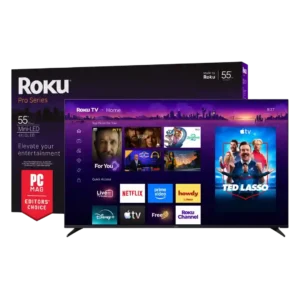
#2 Roku Pro Series (2025)
4.4

Best for bright Mini-LED picture, excellent built-in audio, easy Roku navigation, and responsive 4K/120 gaming. Skip it if you want ad-free menus, premium motion consistency, or stronger confidence in long-term...

Pros: overall satisfaction, picture quality

Cons: reliability, portability and versatility

#3 TCL QM8L
4.4

Choose the QM8L for a big, brilliantly bright TV with vivid HDR, deep mini-LED blacks, low input lag, and four HDMI 2.1 ports. Skip it if you need OLED-clean motion,...

Pros: picture quality, value for money

Cons: stand quality, judder handling

#4 LG G6
4.4

Choose the G6 for class-leading bright-room OLED picture, rich color, deep blacks and elite gaming. Skip it if you want strong built-in audio, polished launch firmware, no account sign-in, or...

Pros: picture quality, peak brightness

Cons: value for money, sound quality