
Birds of War
Where It Has the Edge
- suspense is 4.5 vs 4.3. Unanswered messages, uncertain travel and the possibility of sudden violence create sustained anxiety. The tension later shifts toward...

Scorata scores summarize analyzed review evidence on a 1–5 scale; they are not laboratory measurements or a simple average of customer star ratings. Feature scores summarize the reviews covering that feature. The overall score averages feature scores within each review, then combines review averages. When both expert and customer evidence are available, those two groups receive equal weight. Products can have different review coverage, so small score gaps do not establish a winner.
Recommendations prioritize important features for the category, with a score of at least 3.5, a gap of at least 0.25 points and at least two supporting reviews per product. Features with widely varying scores or broad connectivity contexts are excluded from recommendations. These safeguards do not establish statistical significance.
Quick verdict
The review evidence points to a tradeoff: suspense versus directing quality and visual style. Choose according to which strengths matter more to you; the overall score alone does not settle that choice.
Choose Birds of War for suspense.
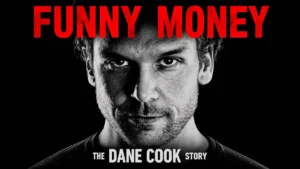
Choose Funny Money: The Dane Cook Story for directing quality and visual style.
Scores are out of 5. Missing scores mean missing review evidence, not a missing feature.
The title effectively holds romantic tenderness and wartime threat together in a single phrase.
The title promises an expansive portrait of the comedian, and some fans are frustrated that the finished documentary is much narrower.
The two voices add layers of perspective and can make history accessible. At times the imagery and structure communicate so clearly that the narration feels unnecessary.
Narration, interview excerpts and documentary visuals are assembled into a distinctive presentation praised by a young reviewer.
Moments of intimacy bring relief without softening the conflict’s reality. The balance lets romantic warmth coexist with a sustained awareness of violence and loss.
For one longtime fan, the slow and somber storytelling never matches Cook’s energetic comedic persona.
The relationship’s optimistic direction offers a welcome note of hope amid ongoing turmoil.
One viewer felt the conclusion lingered past its natural stopping point, weakening an otherwise effective ending.
Creative visual transitions earn praise, while the cold open and emphatic music attract reservations. The strongest direction lets the personal and political material carry its own force.
Harvey’s direction frequently earns praise for finding the emotional core and assembling a riveting crime story, though some interview choices draw criticism.
The later self-portrait can feel protective, preserving harmony and a romanticized image instead of pushing into difficult questions.
Several viewers appreciate hearing another side of the dispute, but one critic thinks highlighting an interviewee’s spiritual identity unfairly influences credibility.
Repeating the opening border-crossing scene later creates a misleading sense that the film is nearing its climax, despite a substantial section still to come.
Repeated explanations and scenes are cited as a key reason the documentary feels longer than necessary.
The nighttime border crossing immediately creates danger and uncertainty for several critics. Others find its cold-open construction sensationalized or too much like an unacknowledged reenactment.
The opening sequence draws a complaint for taking too long to get underway.
The strongest editing joins contrasting worlds with precise rhythm and emotionally effective transitions. One critic finds the later cutting more guarded as the couple begin filming their shared domestic life.
Editing divides viewers sharply: some admire the fluent assembly and scrapbook treatment, while others say the film is bloated and poorly cut.
Family interactions supply nuance, tenderness and unspoken political tension. They also reveal how the effects of war persist across generations.
The film makes the brothers’ longstanding bond central to the story, so the theft registers as a lasting personal wound rather than just a financial loss.
The shared perspective offers unusual intimacy, though it can protect the couple from probing scrutiny. One account finds that careful narrative shaping preserves documentary truth rather than compromising it.
Several viewers find the competing voices and investigative material fair-minded; others question the film’s framing of an interviewee.
A tender romance sits alongside wartime terror without consistently losing either its warmth or seriousness. The contrast is often the source of the film’s unusual power.
Mixing celebrity biography with true crime gives the documentary both a show-business rise and a shocking financial mystery.
The early stretch can take patience, and one critic finds the pacing indistinct. Others praise the precise rhythm and the way it builds emotional force across the timeline.
Pacing is unusually divisive: some viewers find each development gripping, while others experience long stretches of repetition and padding.
The depiction of safety at a distance makes survivor guilt and fear for loved ones feel painfully restrictive, even far from the battlefield.
The film makes the family rupture feel lasting and unresolved rather than neatly healed by financial recovery.
Love, displacement and the responsibilities of witnessing reinforce one another rather than sitting in separate strands. The couple’s shared purpose gives the film room to explore hope without overlooking loss.
Beyond the embezzlement, the film explores trust, loyalty, grief and resilience; its cautionary financial lesson gives the story broader significance.
Rough smartphone images and sharp frontline recording both serve the story. The unpolished look conveys danger, while quieter images preserve the beauty of places threatened by destruction.
Reviewers praise the polished photography and sharp image quality, particularly the combination of interviews with meaningful locations.
The documentary moves between tenderness, loss and devastating accounts of civilian life. Its strongest responses describe a powerful emotional grip that survives reservations about structure and coverage.
The loss of a brother’s trust hits harder than the financial figures. Viewers describe unexpected sympathy, heartbreak and occasional uplift.
Unanswered messages, uncertain travel and the possibility of sudden violence create sustained anxiety. The tension later shifts toward whether the marriage can withstand exile and competing commitments.
New details, contradictory accounts and staged revelations create genuine suspense, even for viewers who know the outcome.
Even a relatively short running time can feel laborious when the unvarnished presentation becomes a chore.
At nearly two hours, the documentary races by for enthusiastic viewers but feels significantly overextended for others.
The alternating accounts of growing up in Lebanon and prewar Syria give useful context to the couple’s different choices and circumstances.
The film provides useful childhood and career background, but several critics want broader treatment of the comedy, controversies and subsequent recovery.
The most persistent gap is the move from remote courtship to everyday life together. Missing family revelations, limited attention to later years and an absent pandemic chapter leave parts of the relationship underexplored.
The narrow focus on the theft works for some, but leaves others wanting a more comprehensive life story.
Hope and connection remain possible amid displacement and brutality. The film’s strongest message links love with resilience, human rights and a continued commitment to bearing witness.
Its most appreciated takeaway is a caution about unchecked financial trust, paired with a more hopeful message about recovery after betrayal.
The frontline archive is widely praised for rare access, visceral immediacy and harrowing force. Its roughness often strengthens the experience, although some critics find the war imagery familiar.
Archival photographs, childhood videos and financial records help make the chronology tangible and deepen the personal story.
The converging personal perspectives can feel artful and true to life. Others find the final third loose and unfocused once the couple have met and the original narrative drive subsides.
The biography-to-crime structure appeals to some as expert storytelling but strikes others as repetitive and overbalanced toward a single episode.
The relationship creates a compelling human thread through the conflict. Praise focuses on the force of a well-told personal story rather than spectacle alone.
The story of a comedian robbed by a trusted family member is widely regarded as compelling, though a few critics think the film could have told it more efficiently.
Pixelation, shaky framing and darkness can become expressive parts of the film’s visual language. Reactions are less positive when the look feels undistinguished, tiring or self-conscious.
A distinctive scrapbook-like collage and foreboding visual motifs give the investigative material personality.
Unreliable phone audio and sudden blasts contribute to the raw experience. Breath, distance and silence are particularly effective at concentrating the tension.
Changing musical cues help signal approaching revelations and support the documentary’s suspense.
The portrait is engaging and affirming, sustained by two people’s commitment to truth and to one another.
Most critics find the family-fraud narrative unusually engaging; a smaller group calls the finished film disappointing despite its interesting subject.
Young reviewers explicitly recommend the documentary for older children and teens, while warning about repeated strong language and mature circumstances.
Even viewers who dislike Cook’s comedy can become invested in his vulnerability and the financial crime at the center of the movie.
The couple’s disarming presence gives the film a warm human centre amid the surrounding violence.
Its restrained, sometimes grim tone may make the film harder to market as a Dane Cook celebrity documentary.
Nostalgic interest in the comedian’s early career can turn to frustration when familiar specials and television work receive little attention.
Texts, voice notes and video calls make a distant relationship feel tangible and immediate. The on-screen message device occasionally feels self-conscious, but usually supplies the film’s most intimate moments.
One reviewer appreciates how narration is integrated with interviews and supporting visuals.
The film communicates war’s cost through disrupted ordinary lives and the fears of civilians. Its unflinching perspective makes those consequences visceral rather than abstract.
Saved messages, calls and private recordings give the film urgency and unusual access to a developing relationship. Careful assembly turns scattered fragments into a coherent emotional experience.
Access to participants and private case materials gives viewers a closer view of the crime and its emotional aftermath.
The early life and brotherly relationship are explored effectively, but some critics consider the career portrait incomplete.
Subtle changes in the couple’s dynamic make the evolving relationship especially endearing, including shifts in who worries and who reports from danger.
Entertainment and creative-business workers may find the tale especially useful as a warning about delegating finances without oversight.
The poetic text exchanges give the relationship a cinematic intimacy and make the developing bond feel emotionally vivid.
Escape brings safety without a settled sense of home. The film thoughtfully explores the shock of rebuilding identity, although some conversations about life in London deserve more time.
Insight into the closeness of Cook’s family makes the breach of trust far more painful and understandable.
Critics disagree on whether the documentary successfully balances Cook’s personal history with the central fraud investigation.
The presentation divides opinion: visibly arranged personal scenes can feel contrived, while the handling of wartime images also earns praise for immersion without manipulation.
The fraud investigation is the film’s standout element, revealing a shocking family deception through records, interviews and an account of enduring hurt.
The film works as a memorable reminder to monitor accounts and remain accountable for decisions even when dealing with trusted family members.
Personal histories and later developments add useful perspective on Syria and Lebanon. The film is less consistent as a source of new historical insight or a comprehensive account of the conflict.
Cook’s humor cuts through the family tragedy for many viewers, although some jokes fall flat and the somber mood frustrates fans expecting a comedy.
Family, friends, financial investigators and an especially revealing ex-sister-in-law interview provide much of the film’s texture; the interview access receives repeated praise.
Police records and investigative details receive praise for adding specificity to the financial case.
The frequent cursing, including repeated F-words, is flagged as a drawback for people sensitive to strong language.
The documentary examines the uneasy conversion of suffering into news and monetized attention. It is especially perceptive about the risks borne by people whose images circulate far beyond their control.
A glimpse of distress and hesitation about confiding in doctors raises questions that the film does not pursue. The lack of follow-up leaves this part of the personal story thin.
The film maintains its pull as the immediate danger of frontline life gives way to uncertainty about the marriage’s survival.
Cook’s open, emotionally raw testimony is one of the film’s greatest assets, helping viewers see beyond his familiar stage persona.
The shared perspective and digital romance can feel fresh, but the conflict imagery and some documentary observations are familiar. Its distinctiveness lies more in the personal relationship than in new coverage of war.
The personal perspective sometimes reveals the wider aftershocks of regional conflict, but political explanations remain uneven. Viewers seeking a clear account of changing events may want more orientation.
The contrast between a newsroom workday and frontline danger makes journalism’s unequal risks concrete. The film also probes editorial limits, ethical responsibility and the personal cost of getting images into public view.
Frontline recordings and personal communications give the film a raw, lived-in authenticity. A staged-looking opening is a notable reservation within otherwise strong praise for its immediacy.
The tentative messages and eventual reunions give the film a tender, unusually intimate love story. Several critics find the transition to married life less vivid and wish the later relationship had more room to develop.
Sudden explosions jolt the viewer, but their inclusion is judged appropriate to conveying the unpredictability of the war zone.
The music draws criticism for pressing emotions that the footage already communicates. Its emphasis can push an intimate account toward sensationalism.
The sober, emotionally heavy treatment does not satisfy a fan expecting Cook’s rapid-fire comic energy.
The bird imagery joins fragility, escape and the threat of confinement, giving the romantic language a wider political resonance.
The account feels timely in its insistence that love and human resilience can persist across political barriers.
The focus on an interviewee’s witchcraft beliefs strikes some critics as gratuitous and irrelevant to the alleged wrongdoing.
The filmmaker’s occasional interjections feel underdeveloped to one critic, who wants a more disciplined approach to the interviews.
Two accessibility-focused assessments describe missing audio description on the versions they watched, making it hard to identify changing interview speakers.
The broad subtitle can feel misleading: some expect a career-spanning biography and instead receive an extended account of a single family betrayal.
The background music supports the investigative mood without dominating the interviews.
The film’s overall polish is comparable to well-produced streaming documentaries.
The volume of details and testimonies makes a second viewing appealing to at least one enthusiastic fan.
One viewer enjoyed the rental so much that they wished they had bought a copy instead.

Choose this inventive, unsettling documentary for fearless questioning, dark humor, and unpredictable storytelling. Skip it if you want a short, straightforward exposé with definitive answers.
Pros: originality, humor

Extraordinary performances and richly observed relationships make this a rewarding, emotionally forceful drama. Its nearly three-hour length and slow opening demand patience and undivided attention.
Pros: class commentary, character development

Best for a hypnotic, bookish mystery with tactile visuals and cerebral chills. Skip it if reading-heavy, attention-demanding storytelling sounds more exhausting than exciting.
Pros: Atmosphere, cinematography
Cons: audience appeal

Best for an intimate, searching documentary that rewards focused attention and invites discussion. Skip it when devastating grief, addiction footage, and unresolved family tensions would be too much.
Pros: emotional impact, theme depth