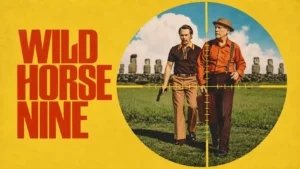
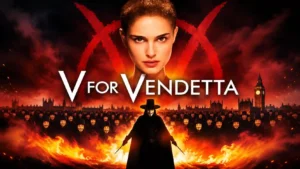
Wild Horse Nine
Where It Has the Edge
No clear scored advantage over the other product.

Scorata scores summarize analyzed review evidence on a 1–5 scale; they are not laboratory measurements or a simple average of customer star ratings. Feature scores summarize the reviews covering that feature. The overall score averages feature scores within each review, then combines review averages. When both expert and customer evidence are available, those two groups receive equal weight. Products can have different review coverage, so small score gaps do not establish a winner.
Recommendations prioritize important features for the category, with a score of at least 3.5, a gap of at least 0.25 points and at least two supporting reviews per product. Features with widely varying scores or broad connectivity contexts are excluded from recommendations. These safeguards do not establish statistical significance.
Quick verdict
The available evidence supports the recommendation below, but does not establish an overall winner. Check the remaining features against your priorities.
There is not enough comparable review evidence to recommend Wild Horse Nine over the other product.
Choose V for Vendetta for originality.
No clear scored advantage over the other product.
Scores are out of 5. Missing scores mean missing review evidence, not a missing feature.
The early comic exchanges open into a more substantial character drama. That development is satisfying when the emotional stakes take hold.
A strongly negative assessment finds the dramatic exchanges juvenile and too cartoonish for the political ambitions.
The stronger readings see affection and mortality held apart from moral absolution. Friendship matters here without automatically erasing the consequences of violence.
The film’s pursuit of freedom through revenge is criticized for abandoning truth, justice, and moral restraint.
The profanity is often enjoyed as part of the dialogue's ingenuity and comic rhythm. Its repetition becomes excessive for some, so approval depends on how well that style lands.
Strong profanity is a specific concern in the most strongly opposed content assessment.
Malkovich and Rockwell create the easy irritation and unspoken affection of people with a long shared history. Their contrasting energies keep even extended conversations engaging.
The fixed mask makes it harder for Portman and Weaving to build the emotional connection the central relationship requires.
The mentor and protégé relationship carries palpable affection beneath professional duty. Rockwell's restraint makes the burden of caring for his older partner particularly clear.
Evey’s supposed liberation raises difficult questions about a mentor using coercion to teach. The fictional outcome can be effective while the methods remain ethically unacceptable.
The restraint around gore is appreciated because the film emphasizes psychological consequences. When violence does erupt, its sudden presentation gives it dramatic weight.
One parent assessment finds the violence disturbing but limited and meaningful in context. A strongly opposed review sees the violent material and its justification as excessive and harmful.
Buddy comedy, espionage thriller and late-life reflection often fit together with surprising grace. A minority find the mixture crowded or feel the comedy and melancholy pull against each other.
The investigative mystery does not always mesh naturally with the more confrontational thriller material.
Some find the construction controlled and effective in supporting changes of mood. The strongest criticism describes scenes arriving in mechanical thematic blocks rather than flowing naturally.
Parallel action and multiple simultaneous events are conveyed with slick, confident editing. The action sequences also benefit from strong cutting.
The CIA and Chilean coup framework gives the friendship story weight and contemporary resonance. Criticism centers on whether Chile's catastrophe receives enough perspective beyond the Americans' personal reckoning.
The mechanisms of authoritarianism feel incisive and recognizable to supporters. Critics argue that the film replaces serious political reasoning with simplistic contrasts and provocative imagery.
The film can move from ridiculous banter to grief with remarkable ease. When it fails, those same changes feel mechanical or the humor sits awkwardly beside the melancholy.
The balance of political seriousness, intimate emotion, comedy, and action works for some viewers. Others find abrupt tonal shifts or a single powerful sequence that the rest of the film cannot match.
Certain lines, performances and images linger powerfully. A competing view finds the attractive experience surprisingly fleeting once the screening ends.
The masked hero, striking compositions, and provocative questions tend to linger after viewing. Enthusiastic reactions describe a film that remains mentally absorbing well beyond its runtime.
The banter ranges from profane nonsense to sudden emotional clarity, often within a single exchange. Most find it exceptionally sharp, while critics point to stale provocations, modern-sounding terminology or pauses that drain momentum.
V’s literary, alliterative speeches are memorable and can sound magnificent through Weaving’s delivery. The same verbal flourishes strike other viewers as bloated slogans or pseudo-intellectual posturing.
Dry insults, absurd tangents and delayed callbacks produce some of the most enthusiastic praise. The jokes are deliberately abrasive, and a small minority find recurring bits stale or overly pleased with themselves.
Fry’s warmth and the satirical television material offer welcome relief for some viewers. The Benny Hill-style parody is a particular point of disagreement.
The film's relatively grounded approach strengthens its reflective side. Even with historical hindsight, the agents' knowledge and behavior can remain believable within the story.
The grounded vigilante and recognizable government abuses convince some viewers. Others find the political mechanics and psychological behavior insufficiently thought through.
Sharp banter, meaningful callbacks and layered character revelations are the screenplay's strongest assets. Criticism focuses on recycled structures, underwritten supporting roles and whether the final emotion is earned.
The screenplay combines eloquent speeches, interwoven stories, and an ambitious freedom theme. Its clarity and emotional power are disputed by viewers who find it preachy, shallow, or overly conventional.
McDonagh is widely praised for drawing nuanced work from his actors and balancing laughter with sorrow. Reservations concern familiar dramatic machinery and the integration of political history with personal redemption.
The strongest reactions celebrate confident visual staging and powerful set pieces. Detractors see static dialogue scenes, dull framing, and a debut unable to sustain the material’s energy.
This works best as character-led tragicomedy with thriller elements. It is less dependable as the action-spy adventure that its premise or promotion may suggest.
The combination of conspiracy, revenge, and cathartic political conflict is praised as an exceptional political thriller.
The agents' casual approach to destabilizing democracies creates sharp, often uncomfortable comedy. For some it exposes institutional cruelty; for others the treatment feels flippant beside the historical stakes.
The television parody of the dictator is either a rare, entertaining high point or a feeble tonal diversion, depending on the viewer.
Horses, moths and the moai connect freedom, mortality and the characters' moral smallness. These images are evocative for many, though the horse mysticism does not feel fully developed to everyone.
The masks, dominoes, and visual echoes can communicate complex ideas vividly. Some find the symbolism excessive or the final collective imagery manipulative.
The final act often brings the scattered details into a powerful, affecting resolution. Dissent centers on an extended goodbye and an important plotline that feels left hanging.
The exploding Parliament and masked crowd deliver a rousing, visually potent payoff for admirers. Critics call the finale sentimental, ethically troubling, implausible, or a betrayal of the source.
The film's new historical setting and older temperament give recurring ideas a different angle. Its freshness remains contested because the basic structure and central relationship strongly echo earlier work.
The grounded political focus and unconventional masked hero offer a distinctive alternative to formula superhero films. Its boldness is a major part of the appeal for enthusiasts.
The melancholy is substantial, with only a narrow sliver of hope beneath the cynicism. Its contrast with the comedy gives the film much of its power.
The gritty darkness gives the film personality for admirers. Others find its solemnity slips into pomposity.
Trust, surveillance and divided loyalties give the conversations an undercurrent of danger. The late escalation is gripping for many, while others want more intrigue earlier.
The uncertain course of V’s campaign can generate a perverse suspense. A dissenting reaction finds little tension after the first act.
The gradual revelation of Chris's vulnerability is a major strength. The surrounding characters, especially the women, are less consistently developed, and some viewers want a deeper foundation for the central friendship itself.
Evey’s transformation and Finch’s growing doubts provide satisfying arcs for many viewers. Critics find some changes schematic, inadequately motivated, or weakened by simplified supporting roles.
The Steinbeck connection gives the ending a recognizable literary framework. Its resonance is part of a larger web of references that can also feel overly calculated.
Recognizable allusions and a literate script give V an erudite personality. The references offer texture without requiring viewers to identify every source.
The story's planted details and later payoffs impress many viewers, especially once its purpose becomes clear. Others find the opening directionless, the political strands overcrowded or the final threads insufficiently resolved.
Parallel scenes, interwoven subplots, and repeated images reward attention. The adaptation’s rearranged events are also criticized for blunting the source’s ideas or muddling their meaning.
Revelations often feel carefully planted and grow naturally out of character. Not everyone finds the destination surprising, but many enjoy the route and its delayed payoffs.
The captivity revelation makes the story boldly unpredictable for some viewers. Another reaction finds a twist included chiefly for its own sake.
The measured conversations are absorbing for many, particularly once the story locks into place. The opening and middle are the main pressure points for viewers who experience the film as slow or directionless.
Some find the film continuously absorbing and well paced, while others experience long stretches of static conversation and exposition. The political speeches are a recurring source of drag.
Mortality, freedom, guilt and friendship give the film more weight than its comic surface suggests. The ambition impresses many, though some feel the political and personal themes compete rather than deepen one another.
Freedom, fear, terrorism, and resistance give the film more to discuss than a conventional superhero spectacle. Opinions divide between finding its questions provocative and finding its philosophy shallow or oversimplified.
The central actors are repeatedly described as ideal vessels for the material. The main reservation concerns whether every supporting performer, particularly Posey, receives the right role and enough room to use it.
The British supporting ensemble and Hugo Weaving’s masked lead are frequent strengths. John Hurt’s reversal from the oppressed to the oppressor adds another resonant casting choice.
References to earlier films enrich the visual and thematic texture, particularly the Monument Valley homage. They can also feel too conspicuous, as though the film is assembling a shrine to its star.
Classic film clips and stylistic callbacks ground the adaptation in cinematic tradition rather than simply reproducing comic panels.
The final stretch draws conspicuously on Steinbeck's Of Mice and Men. The connection adds resonance while contributing to the sense of a carefully assembled tribute to its star.
The Count of Monte Cristo connection brings revenge-story parallels and a light romantic influence to the film.
The film asks what loyalty, remorse and meaningful change can amount to after a life spent serving power. Its moral reflection is compelling to admirers but can feel compromised by the sympathy sought for its agents.
The call to defend freedom and challenge oppressive power can be stirring. Its endorsement of violent resistance, blunt slogans, and limited moral ambiguity also draw forceful objections.
The relationship-driven story can make large political and existential concerns feel entertaining and personal. Its weakest points are the familiar framework, occasional drift and the burden of too many late complications.
The layered resistance story can build into an unusually cohesive and satisfying whole. Less favorable reactions find that the second half loses the promise of the opening.
Natural-looking daylight and faces with contrast give the images a pleasing cinematic texture. The island's bright skies and open landscapes are especially well used.
Deep shadows around government officials reinforce the sense of secrecy and institutional terror.
The nearly two-hour length works when the banter and narrative payoffs maintain momentum. Less enthusiastic responses find sections overextended, especially before the story settles and during the farewell.
The two-plus-hour duration is satisfying to some but feels bloated or exhausting to others. Long conversations and an extended final act are the chief pressure points.
The supporting cast frequently leaves a stronger impression than its limited time allows it to develop. Separating the two leads also weakens the middle stretch for some viewers.
Stephen Fry’s emotionally resonant character leaves one critic wanting substantially more time with him.
Chris's late reckoning gives the film much of its emotional substance. Whether his remorse earns the sympathy the film seeks is a central point of disagreement.
Small gestures of shame and withdrawal make V’s regret visible beneath his mask, adding emotional complexity.
Wide island vistas, natural-looking light and grainy images make this an unusually beautiful setting for abrasive conversations. The photography is widely admired, even by those who find its style restrained or less memorable than the words.
Shadowy, noir-inflected photography gives London menace and lends emotional scenes a grand scale. A dissenting view finds the camera too dull to sustain the film’s potential.
Burwell's music is widely praised for its warm, melancholy and elegiac character. It helps the film express sadness and changing moods without relying only on the dialogue.
The musical score is strongly praised alongside the film’s photography, action, and effects.
The film saves much of its physical excitement for a tense late escalation. Those moments can be thrilling, but the long conversational stretches leave action-seekers wanting more.
The knife fights and landmark destruction can be thrilling, especially the final confrontation. Several critics find the action unnecessary, unexciting, or inserted to satisfy expectations of a Matrix-style spectacle.
Rapa Nui's open landscapes give the film a tranquil, elegiac mood beneath the abrasive jokes. That calm can feel contemplative and moving, even as darker consequences hover over the trip.
A steady sense of apocalyptic dread and a promisingly dark opening give the dystopia menace.
The historical setting repeatedly feels connected to present-day questions about power and intervention. Its relevance is strongest when the film lets those parallels emerge through character rather than explanation.
The warnings about authoritarianism, manipulated news, and freedoms surrendered through fear repeatedly feel disturbingly current. Retrospective assessments often find the film more resonant with time.
The chief concern is whose perspective the film gives room to develop. Chilean characters and national history can feel secondary to the Americans' spiritual crisis, despite the setting's thematic importance.
The Americanized treatment of London and Britain can feel condescending rather than culturally convincing.
Malkovich's drawn-out, sometimes wavering delivery gives Chris a distinctive mixture of mischief and decline. Most find it expressive, while a few need time to adjust or find the mannerism excessive.
Weaving’s melodic, richly textured voice makes V elegant, mysterious, and commanding. Even admirers of the performance acknowledge that ornate slogans and the rigid mask can be obstacles.
Many responses describe unexpectedly strong sadness and a farewell that earns tears. Others remain detached from the agents or feel the film pushes too hard for sympathy it has not earned.
Evey’s prison ordeal, Valerie’s letter, and the central relationship can be profoundly moving. Others find that isolated moments of feeling cannot overcome an emotionally remote film.
Uncertainty about motives and the slow disclosure of secrets help pull viewers beyond the early banter. The mystery is strongest as an extension of character rather than conventional spy procedure.
Finch’s investigation and V’s hidden history provide a compelling political mystery, with discoveries that broaden the central conflict.
The first half can take time to reveal a clear direction. Later, a consequential unresolved thread leaves some viewers uncertain about what happens beyond the ending.
The central mission can be easy to follow even without the comic. Dense investigation, unexplained abilities, and occasional character choices nevertheless leave some viewers confused.
The student characters bring political urgency and a different moral outlook, but their roles are frequently judged too thin. Posey's brief appearances are similarly entertaining yet often leave viewers wanting more substance and time.
Evey’s rewrite divides opinion: some prefer the film’s handling of her, while others see reduced agency, a sanitized background, or a regressive dependence on V.
The photography and Malkovich's performance are considered strong enough to justify the ticket price. The large-screen experience is a particular part of that value.
The DVD Special Edition’s short supplements struggle to justify its premium. The later UHD upgrade is also conditional because HDR improvements are selective rather than transformative.
The strongest responses find the film a delight to spend time with, full of memorable exchanges and performances. Even more qualified recommendations usually acknowledge the pleasure of the central double act.
For admirers, political provocation and memorable spectacle make this richly satisfying entertainment. Its detractors find the same package joyless, tedious, or too self-important to engage.
Dense dialogue, callbacks and the central performances give the film strong repeat-viewing appeal. Several viewers want to return immediately to particular exchanges or experience the whole film again.
Repeat viewing can reveal new musical, visual, and thematic details. Several admirers describe a growing appreciation as the film’s ideas and character work become more apparent.
The period songs add atmosphere and emotional meaning. Some selections feel overly obvious, even when they remain effective or additive.
Classical music and carefully chosen songs intensify both the quiet scenes and the explosive ones. The later audio presentation gives the varied soundtrack added power and definition.
The promotion can suggest a much more straightforward comic action thriller. The actual film is quieter, more melancholy and more dependent on conversations than that impression prepares viewers for.
Promotion leaning heavily on The Matrix and action spectacle creates expectations that the more political, dialogue-driven film does not fulfill.
The historical framing has a recognizable factual basis but takes comic and conspiratorial liberties. Anachronistic language and the choice of JFK as a defining national turning point draw particular objections.
The solemn revolutionary treatment of the Guy Fawkes rhyme is criticized for distorting its mocking historical context.
The performances are the most consistent source of praise, led by an unusually expressive central pairing. Even viewers less persuaded by the story often admire the precision and emotional range of the acting.
Weaving’s voice and physicality, Portman’s intense prison scenes, and an accomplished supporting ensemble are frequent highlights. The mask and some thin roles limit the performances for less convinced viewers.
Malkovich's Chris shifts between mischief, menace, confusion and remorse with unusual range. Career-best praise is common, although the drawn-out delivery feels mannered or overpowering to a few.
Weaving’s masked precision and Portman’s emotional intensity are frequent strengths. Their effectiveness is disputed by viewers who find the mask restrictive or Evey underwritten.
Buscemi, Posey, Waits and the student performers often make small roles memorable. Opinions split when limited or distracting material prevents those contributions from matching the central pair.
Stephen Fry’s warmth, Stephen Rea’s restraint, and John Hurt’s menace give the supporting roles considerable presence. Less enthusiastic reactions find some portrayals one-note or underwritten.
The home-movie passages help make the trip feel inhabited rather than merely observed. They add an immersive sense of accompanying the characters through the setting.
The oppressive Britain feels grounded and alarming to admirers. Skeptics find its future poorly imagined or insufficiently credible.
The men's wardrobe and carefully chosen 1970s clothing are clear pleasures. Costumes help establish the period without needing to dominate the frame.
The costumes help the film feel both contemporary and rooted in an earlier visual era.
An abrupt arrival of violence without a cushioning music cue gives the moment extra force. The unsoftened presentation makes its consequences feel immediate.
Small surround details and carefully integrated music strengthen the soundscape. Later listening impressions also praise clear, enveloping sound.
Saturated landscapes and grainy period textures make the film striking to look at. Its images are often more restrained than its language, which some appreciate and others find less memorable.
Dark compositions, strong iconography, and explosive landmarks create memorable images for many viewers. Others find the look derivative, stiff, or too close to a conventional music video.
Color, clothes, songs and period vehicles create an appealing 1970s texture. One reservation is that the film sometimes relies on that surface while neglecting finer historical detail.
V’s art-filled sanctuary and the oppressive architecture help establish a distinctive world. The handsome design can be effective even for viewers unconvinced by the politics.
There is room both to explore the themes and simply enjoy the characters. Its humor and accessible performances can make a thoughtful film feel broadly entertaining.
Despite a provocative terrorist protagonist, the film can play as a surprisingly effective crowd pleaser through its opposition to oppression.
Chris is funny, intelligent and unexpectedly vulnerable despite a profoundly troubling past. Malkovich makes him compelling, although not everyone accepts the invitation to care for him.
V’s eloquence, theatricality, and dangerous unpredictability make him magnetic to many viewers. His manipulation of Evey and romanticized violence can also push sympathy too far.
The 4K presentation brings strong texture, rich shadows, and convincing color. Its gains are often subtle, with some reviewers finding limited HDR improvement and less sharpness than the best recent releases.
Natalie Portman’s British accent is a recurring distraction, with several assessments hearing slips or an unintended regional sound. A minority finds it improved or appealing despite inconsistencies.
The story's older, more reflective temperament gives its familiar concerns a different emotional shade. Memory, dependence and the knowledge of limited time make the humor more bittersweet.
The roaming horses add beauty, calm and a recurring image of freedom. Their mystical connection to Chris moves some viewers, while others find it underdeveloped or unclear.
The anti-militant message has emotional force, although using Chile's political tragedy primarily to frame American protagonists raises reservations.
The treatment of media manipulation makes the regime’s control of information disturbing to contemplate.
The later filmmaker conversation provides an engaging perspective on the production and on the story’s meaning to its makers.
The original DVD supplements divide opinion over their brevity and substance. The UHD release adds appealing auditions and filmmaker conversation, while the Kaleidescape download disappoints by omitting those newer extras.
Brief appearances often deliver outsized comic or emotional impact, especially Waits's phone scene. A few responses find the same appearances underwritten or included mainly for the pleasure of recognition.
The historical crowd effects are convincing enough that the digital work does not call attention to itself.
Patient delivery, reactive glances and well-timed callbacks generate many of the biggest laughs. Malkovich's wandering rhythms and Rockwell's exasperation complement each other especially well.
The film finds humanity in its agents while repeatedly returning to the harm they helped cause. Admirers value that moral tension; detractors feel their charm and late remorse receive too much sympathy.
V’s coercion and torture of Evey are among the most troubling aspects of the story. Some accept the fictional breakthrough while others reject the implied justification and her later attachment to him.
The Guy Fawkes mask has become a powerful protest symbol beyond the film. Its adoption across conflicting causes also shows how selectively its message can be read.
Chris's unreliable memory creates uncertainty about where illness ends and old spycraft begins. The most effective passages let confusion, vulnerability and calculation coexist rather than reducing him to decline alone.
The mask and some older audio mixes can make speech difficult to understand. The newer Atmos remix is praised for delivering V’s elaborate lines more clearly.
The DVD transfer earns strong praise for sharpness, realistic color, rich blacks, and well-preserved shadow detail.
The closing use of “Street Fighting Man” is a fitting musical send-off that sustains the film’s rebellious mood.
The central pair dominates the film, and some see an exceptionally strong ensemble around them. More often, the limitation is that interesting supporting characters are used as brief comic turns or moral pressure points.
The film preserves memorable sequences while simplifying the comic’s anarchism, moral ambiguity, and supporting characters. Some welcome the clearer emotional story; others find the changes a serious loss.
A brief encounter between estranged brothers delivers unusually concentrated emotion. It adds a personal sense of loss beyond the central professional partnership.
The huge landscape makes the characters look small, while handheld and Super 8 passages bring a more intimate texture. A sudden shift to Monument Valley supplies a particularly striking visual contrast.
Flashbacks enrich the layered mystery for some viewers. Others find that piling them onto exposition makes the film laborious.
The partnership feels lived-in through bickering, restraint and small gestures of care. Its depth moves many viewers, though a few want more development before the final emotional demands.
The violence gains weight from its psychological consequences rather than excessive gore. That restraint is appreciated without making this a gentle film.
The approaching loss of a friend lands with particular force. Its treatment of mortality can bring deeply personal feelings of bereavement to the surface.
The collision of invented agents with real political events gives the comedy an extra edge. Admirers find that the historical framework creates rewarding revelations and helps distinguish the familiar friendship setup.
The political history supplies weight, but its depth is limited by the focus on the American agents. More Chilean perspective and context would make the larger tragedy feel less like background.
The prison ordeal becomes especially moving through the letter Evey reads in her cell.
The jokes about Indigenous terminology can feel contemptuous rather than revealing. The island's beauty does not fully compensate for a perspective some find narrowly touristic.
The best jokes grow into later payoffs rather than ending with a single punch line. The cheese discussion is repeatedly singled out for its unusual comic invention.
The frank treatment of persecution and Valerie’s love story give the freedom theme personal weight. Her story is especially important to Evey’s awakening.
Easter Island is more than an attractive backdrop for many viewers: its isolation, horses and monumental statues deepen the characters' predicament. Others question how closely the story truly belongs to this place.
Affection emerges through insults, silences and gestures rather than direct declarations. The film is especially perceptive about men who struggle to admit how much they need one another.
The portrayal of controlled information and media manipulation creates a disturbing reflection on how fear shapes public opinion.
The film's most affecting passages concern how a life comes into focus as it ends. Its mixture of illness, memory loss, regret and fragile pleasure can be deeply moving without offering easy redemption.
The familiar pairing of troubled men in a scenic location is unmistakable. Some see a mature refinement of the director's interests; others see a formula being replayed too closely.
Small conversations and withheld information gradually acquire serious consequences. The strongest responses value how the film links personal danger to its comic exchanges.
V’s rescue, elaborate introduction, and first explosive intervention can make a powerful opening impression, even for viewers who later lose interest.
The two-disc Special Edition offers more attractive DVD cover art than the single-disc edition.
A brief moment of mock hostility becomes an affectionate physical exchange. The gesture communicates closeness that the characters rarely put into words.
V’s speeches assemble memorable poetry into an appealing verbal showcase.
The film’s sharply defined heroes, villains, and political speeches can feel heavy-handed. Critics miss the source’s ambiguity and object to the way the deck is stacked.
The agents' casual attitude toward killing is presented as part of a job they have normalized. That matter-of-fact approach is accepted as credible characterization rather than a simple moral escape.
The portrayal of a religiously conservative regime and Christian leaders is criticized as hostile and intolerant in a strongly opposed assessment.
The unusual bond avoids a conventional unmasking-and-kiss payoff and feels mature to some viewers. Others find affection after coercion implausible or disturbing.
The knife fights are criticized for failing to feel scary or exciting.
Evey’s movement beyond fear and self-preservation gives the freedom theme a personal dimension. Her awakening is especially powerful for admirers of the film.
A strongly critical assessment treats the sexual material and nudity as serious obstacles to recommending the film.
The willingness to make jokes at everyone's expense is welcomed as an energetic part of the comedy. The actors' timing keeps the provocations entertaining for viewers comfortable with that approach.
The explosions and destruction of recognizable landmarks are repeatedly convincing and impressive. Unobtrusive effects also help the historical opening feel tangible.
The explosive physical adventure is one component of the film’s exhilarating action appeal.
A request for a friend to hasten death is handled with painful humor and emotional complexity. The scene's effect comes from the impossible burden placed on their friendship.
The screen-bound dictator can be chilling and effectively remote. Critics miss the comic’s more human antagonists and find the film’s villains exaggerated or generic.
The strongest age-specific recommendation favors older teenagers, with political complexity and intense material requiring maturity.
The acting and substantial dramatic turn make the film an appealing awards-season conversation piece. Its entertainment value also gives it a route beyond purely critical admiration.
The period cars are an enjoyable detail within the 1970s setting. They contribute to the pleasure of the film's surrounding design.
Valerie’s narrated letter gives the prison sequence a poetic quality and helps Evey’s emotional transformation become briefly convincing.
The Atmos remix adds power, resolution, and much clearer speech. Occasional overuse of overhead effects can be distracting.
The lossless multichannel disc audio is praised for rich explosions and a strong orchestral presentation.
One DVD assessment praises the forceful action and subtle surrounds. Another finds the same format badly balanced, with dialogue overwhelmed and explosions requiring constant volume adjustment.
V’s fixed smiling mask is an arresting concept, but its unmoving mouth can make spoken exchanges feel unnatural.
One disappointed assessment finds the presentation too close to television despite a handful of impressive explosions.

Choose this inventive, unsettling documentary for fearless questioning, dark humor, and unpredictable storytelling. Skip it if you want a short, straightforward exposé with definitive answers.
Pros: originality, humor

Extraordinary performances and richly observed relationships make this a rewarding, emotionally forceful drama. Its nearly three-hour length and slow opening demand patience and undivided attention.
Pros: class commentary, character development

Best for a hypnotic, bookish mystery with tactile visuals and cerebral chills. Skip it if reading-heavy, attention-demanding storytelling sounds more exhausting than exciting.
Pros: Atmosphere, cinematography
Cons: audience appeal

Best for an intimate, searching documentary that rewards focused attention and invites discussion. Skip it when devastating grief, addiction footage, and unresolved family tensions would be too much.
Pros: emotional impact, theme depth