Scorata scores summarize analyzed review evidence on a 1–5 scale; they are not laboratory measurements or a simple average of customer star ratings. Feature scores summarize the reviews covering that feature. The overall score averages feature scores within each review, then combines review averages. When both expert and customer evidence are available, those two groups receive equal weight. Products can have different review coverage, so small score gaps do not establish a winner.
Recommendations prioritize important features for the category, with a score of at least 3.5, a gap of at least 0.25 points and at least two supporting reviews per product. Features with widely varying scores or broad connectivity contexts are excluded from recommendations. These safeguards do not establish statistical significance.
Quick verdict
What each product is best for
The review evidence points to a tradeoff: audience appeal and Genre blending versus cinematography and production value. Choose according to which strengths matter more to you; the overall score alone does not settle that choice.
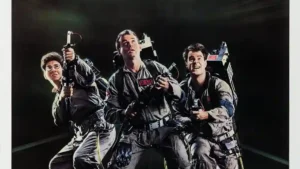
Choose Ghostbusters for audience appeal and Genre blending.
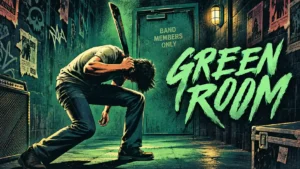
Choose Green Room for cinematography and production value.
Why these recommendations?
Ghostbusters
Where It Has the Edge
audience appeal is 4.8 vs 3.7. A broad mixture of gadgets, comedy, adventure, and ghosts gives the film appeal across different tastes. Its strongest...
Genre blending is 5.0 vs 4.5. The blend of dry comedy, science fiction, and genuine supernatural danger is a defining strength. Most admirers find...
memorability is 5.0 vs 4.7. Many moments linger well beyond a viewing, with Stay Puft an especially enduring image. The combination of quotable...
Green Room
Where It Has the Edge
cinematography is 4.5 vs 3.4. The green palette, clear compositions, and confident camera movement draw frequent praise. Some find the same visual precision...
production value is 5.0 vs 4.5. The modest production achieves unusually high technical quality and intensity. Its impact is repeatedly judged to exceed what...
Location authenticity is 4.8 vs 4.5. The shabby backstage room and underground club feel recognizably lived in. People familiar with similar venues find the...
Ghostbusters3.9 overall score
Green Room4.1 overall score
Compare features
Scores are out of 5. Missing scores mean missing review evidence, not a missing feature.
Scored on both products
Other features
Portrayal of women
Ghostbusters
2.3
Dana and Janine divide opinion: some find Dana a memorable participant in the adventure, while others see talented actresses confined to thin or sexualized roles. The limited material for both women is a recurring complaint.
Green Room
5.0
Amber stands out for having meaningful agency over who she chooses to become. Her decisions make her more than a passive survivor in someone else's story.
Bonus features
Ghostbusters
1.5
The assessed “Mastered in 4K” Blu-ray sacrifices the earlier disc’s commentary and featurettes. The improved picture wins out for its reviewer, but the empty bonus section is a disappointment.
Green Room
4.2
Commentaries and making-of material are worthwhile, though the original discs can feel modestly stocked. The later Second Sight edition earns strong praise for expanding the supplementary package.
CGI quality
Ghostbusters
2.0
One critical assessment finds the imagery campy and unattractive by modern standards. Even that viewer still enjoys the wonky charm of Slimer and Stay Puft.
Green Room
4.5
The combination of digital and practical work is praised for injuries that feel painfully real. The finished illusion matters more here than a conspicuous effects showcase.
Cultural representation
Ghostbusters
1.5
One critique finds Winston tokenized rather than given a meaningful identity or story. His limited dialogue and racial joke make the ensemble feel less inclusive than it could be.
Green Room
3.9
The grimy venues and touring-band details ring especially true to many people familiar with punk culture. Others find the band superficial or the treatment of racial politics insufficiently nuanced.
Ensemble balance
Ghostbusters
2.3
Winston’s late arrival and limited function are the most persistent ensemble complaints. Murray’s prominence leaves several other strong performers with less to do than viewers would like.
Green Room
4.5
The ensemble is praised for maintaining a consistent level rather than relying on one star showcase. Even the familiar veteran presence fits into the group's shared pressure.
Accent authenticity
Ghostbusters
4.5
Janine’s accent is enjoyed as part of her instantly recognizable New York personality. Her impatient manner helps make a small role stand out.
Green Room
2.5
The villain's American accent attracts some criticism for being merely adequate or slipping out of character. Those lapses can briefly interrupt an otherwise restrained portrayal.
Theme depth
Ghostbusters
2.0
One critic finds the high-concept comedy shallow. Interesting spiritual and character possibilities seem sacrificed for jokes and spectacle.
Green Room
3.7
The film can offer a pointed look at authenticity, survival, and ordinary human evil. Others see little thematic depth beneath the ordeal or think its racial politics deserve more responsibility.
Lighting quality
Ghostbusters
3.0
Lighting adds gritty texture and an effective horror mood for one admirer. Another critic finds it heavy and immobilizing for the actors.
Green Room
4.6
Sickly green tones and shifting color create an effective contrast between deceptive calm and danger. The lighting helps give the club a visually rich, oppressive identity.
Serious tone
Ghostbusters
4.8
Taking ghosts and apocalyptic danger seriously is praised as essential to the comedy. The threat gives the wisecracking protagonists something substantial to react against.
Green Room
3.3
The cold, unsentimental tone is exhilarating to one enthusiastic viewer. Another finds its dour seriousness kills the pleasure and leaves the brutality grinding away without release.
Dialogue quality
Ghostbusters
4.5
Dry one-liners and quotable exchanges are among the most frequently praised strengths. A minority finds the dialogue empty or overly dependent on jargon and Murray’s attitude.
Green Room
3.2
Natural shorthand and polished conversations help establish relationships without long explanations. Some speeches and late exchanges strike dissenters as artificial, poorly placed, or too Hollywood.
Emotional impact
Ghostbusters
2.5
One host finds that a joke about Dana’s transformation punctures the moment’s emotional intensity. The comic interruption weakens the concern the scene has built for her.
Green Room
3.8
Believable fear and vulnerable characters make the violence land hard for many viewers. Others feel the film reduces deaths to a puzzle or discards people before their losses can matter.
Ending satisfaction
Ghostbusters
2.9
Stay Puft supplies a celebrated comic reveal and a spectacular finish. The resolution itself is more divisive, with complaints about an abrupt fight, a thin crossing-the-streams setup, and convenient survival.
Green Room
4.1
The final reversals and closing exchange can deliver catharsis, bleak humor, or a small note of hope. Others find the payoff slight or weakened by implausible tactics.
Plot clarity
Ghostbusters
2.0
One detailed critique finds the early passage of time poorly communicated. The speed of setting up the business and equipment is difficult to reconcile with the chronology shown.
Green Room
3.2
The basic standoff is easy to grasp; the secondary conspiracies and character allegiances are more divisive. Some appreciate the lack of exposition, while others struggle to follow motives and late revelations.
Cinematography
Ghostbusters
3.4
The photography ranges from resourceful and textured to heavy and overly deliberate in these assessments. Its strongest moments support the sets and New York atmosphere, though some framing feels merely functional.
Green Room
4.5
The green palette, clear compositions, and confident camera movement draw frequent praise. Some find the same visual precision mannered or more interested in beautiful frames than dramatic purpose.
Narrative stakes
Ghostbusters
3.7
Admirers value a threat that stays serious while the heroes joke around. A dissenting view finds the final danger too briefly established to make its stakes clear.
Green Room
4.8
The danger matters because wounds persist and no character feels safely expendable. That physical and emotional vulnerability gives the survival plans real weight.
Villain quality
Ghostbusters
3.3
Gozer and Stay Puft are admired for leaving strong impressions with limited screen time. Walter Peck is more contentious, seen either as an effective comic obstacle or a flat, unfairly maligned antagonist.
Green Room
4.4
Darcy's polite, businesslike menace is widely considered more frightening than a ranting monster. Dissenters find the same restraint underwhelming or the character too thin to command his followers convincingly.
Pacing
Ghostbusters
3.4
Some praise brisk storytelling and sustained comic-action rhythm. Others find sluggish stretches, or a well-paced beginning followed by a rushed resolution.
Green Room
4.4
Most find the film tightly paced, with a measured introduction giving way to escalating pressure. A few find the final stretch repetitive or the unanswered questions too leisurely.
Special effects quality
Ghostbusters
4.0
Many find the effects imaginative and surprisingly durable, especially when they serve a joke or reveal. Others notice dated dog animation, visible compositing seams, or spectacle that overwhelms the characters.
Green Room
4.9
Convincing injury effects make each attack feel consequential rather than disposable spectacle. Their physical realism is a major source of the film's impact.
Originality
Ghostbusters
4.7
Turning paranormal research into a ghost-extermination business is repeatedly praised as an unusually inventive premise. The combination of ordinary work and fantastic threats remains a major reason to watch.
Green Room
3.8
Human antagonists and an unusual punk-band setup give familiar siege mechanics freshness. Some still see a conventional slasher framework and predictable horror decisions beneath the style.
Film framing
Ghostbusters
2.5
The framing is judged serviceable rather than visually inspired in one otherwise admiring assessment. The film’s personality comes more from its performers and tonal mixture than its compositions.
Green Room
3.3
Close compositions can make the confinement almost palpable. The counterview is that carefully arranged frames sometimes become pictorial grandstanding at the expense of emotion.
Friendship portrayal
Ghostbusters
5.0
The evident warmth between the actors gives the friendship a sweet, unforced quality. That camaraderie helps make the supernatural adventure feel welcoming.
Green Room
4.3
Mutual loyalty gives the band a touching human center. Their genuine bonds also sharpen the contrast with the villain's transactional control over his followers.
Action sequence quality
Ghostbusters
3.4
The effects-driven action offers entertaining big moments and a showy final confrontation. Other responses want more actual ghostbusting and a longer, less abrupt final fight.
Green Room
4.1
Messy confrontations and urgent escape attempts usually feel forceful and well staged. Repetition and doubts about the tactical setup temper some of the enthusiasm.
Directing quality
Ghostbusters
3.6
Reitman earns praise for holding comedy, effects, and horror together, particularly in the Stay Puft reveal. Other critics find his staging stiff or his control of the growing spectacle weak.
Green Room
4.3
Precise control of space, escalation, and audience expectations earns substantial praise. Dissenters see fussy visual display, confused storytelling, or an excessive fixation on wounds.
Message quality
Ghostbusters
4.2
Celebrating intelligence, persistence, and ordinary people taking a chance on themselves gives the film an appealing message. Its commercialism also supports a praised satirical reading.
Green Room
3.5
The villain's exposure can read as an effective argument against petty tyranny. Another view finds punk defiance too slight an answer to the film's hate-based politics.
Practical effects quality
Ghostbusters
3.9
Practical textures and large physical sets help the ghosts and destruction feel tangible. The stop-motion dogs and some older effects are less convincing to other viewers.
Green Room
4.6
Practical gore work is repeatedly admired for convincing, abruptly shocking injuries. The effects make damage feel lasting, with little Hollywood gloss to soften it.
Realism
Ghostbusters
3.3
The grounded tools, ordinary personalities, and earnest paranormal detail help some viewers believe the fantasy. Others struggle with implausible financing, convenient logistics, or characters who feel artificial.
Green Room
3.9
Persistent injuries and fallible, panicked reactions give the danger unusual credibility. The biggest split concerns whether the characters' mistakes feel human or simply foolish.
Character development
Ghostbusters
3.3
Some find the characters distinct and efficiently established through performance. Others see undeveloped stereotypes, with Winston and Dana particularly shortchanged.
Green Room
3.9
Supporters see distinct, vulnerable people beneath the punk and skinhead personas. Critics want more background, clearer motives, and stronger reasons to care about the band.
Cast chemistry
Ghostbusters
3.9
The trio’s contrasting personalities and Murray’s spark with Weaver are major pleasures for many viewers. Dissenters find little give-and-take or feel that the comic styles compete rather than connect.
Green Room
4.5
The band often feels like people with an established shared history. Brief performance moments and conversational shorthand make their group dynamic convincing.
Classic cinema references
Ghostbusters
4.0
The film earns credit for knowing its horror lineage, especially its Lovecraftian elements. That genre awareness is an admired strength even for a critic who dislikes the comedy.
Green Room
4.5
The film draws effective energy from classic siege thrillers and blunt horror traditions. Those influences help give its modern presentation a vintage backbone.
Narrative structure
Ghostbusters
2.0
The early story and its montage shortcuts are recurring structural weak points. Critics describe loosely connected sketches and information supplied too casually to form a satisfying progression.
Green Room
2.5
Late-arriving side stories can feel irrelevant to the urgent escape plot. Earlier setup or resolution might have given them more weight.
Opening sequence quality
Ghostbusters
4.0
The library opening establishes an eerie mood and launches the film with energy. It can still frighten viewers who are sensitive to sudden monster reveals.
Green Room
4.5
The opening efficiently establishes the band's circumstances and personalities. Small visual shortcuts communicate more than lengthy setup would need to.
Topical relevance
Ghostbusters
4.5
Making money from a discovery about the afterlife gives the premise continuing relevance. One admirer finds that commercial instinct especially recognizable beyond its original era.
Green Room
4.0
The neo-Nazi threat gives the film an unsettling contemporary resonance. Some find it even more urgent and frightening on later viewings.
Vocal characterization
Ghostbusters
5.0
Gozer’s voice is remembered as a chilling part of the villain’s impact. Its spooky delivery helps the brief appearance leave a stronger impression.
Green Room
4.5
Small vocal choices give the villain a deceptively soothing authority. A lower pitch, measured rhythm, and restrained delivery help turn reassurance into menace.
Genre blending
Ghostbusters
5.0
The blend of dry comedy, science fiction, and genuine supernatural danger is a defining strength. Most admirers find that each element sharpens the others rather than pulling the movie apart.
Green Room
4.5
Horror, siege suspense, action, and bleak comedy generally fit together effectively. The result can deliver B-movie force with an art-house sensibility.
Memorability
Ghostbusters
5.0
Many moments linger well beyond a viewing, with Stay Puft an especially enduring image. The combination of quotable scenes and unusual visuals gives the film a strong identity.
Green Room
4.7
The injuries, visual identity, and sustained tension tend to linger after the film ends. Several assessments describe a lasting physical or mental impression.
Casting quality
Ghostbusters
4.7
The cast is repeatedly praised as an unusually good fit for the material. Supporting players are especially valued for making small roles distinctive.
Green Room
4.4
The against-type villain and believable young ensemble make the casting a major strength. One dissent argues that the lead lacks the credibility of a committed punk musician.
Blu-ray video quality
Ghostbusters
4.5
The assessed “Mastered in 4K” Blu-ray brings clearer detail, finer grain, and steadier color than the earlier disc. Some shots remain rather dark, and old optical seams are still visible.
Green Room
4.8
The assessed Blu-ray transfers look sharp, clean, and appropriately colored. One assessment finds no visible encoding artifacts at all.
Comic timing
Ghostbusters
4.8
Small gestures and well-prepared punch lines help the best jokes land. The elevator business and a famous exchange with the mayor stand out for their comic precision.
Green Room
5.0
Well-timed black humor gives the central performances brief, welcome release. The comic beats help the characters' scrappy resourcefulness register without softening the threat.
Location authenticity
Ghostbusters
4.5
The gritty streets and familiar landmarks give the fantasy a persuasive New York setting. One particularly affectionate response treats the film as a love letter to the city of 1984.
Green Room
4.8
The shabby backstage room and underground club feel recognizably lived in. People familiar with similar venues find the grime and layout especially convincing.
Professional life portrayal
Ghostbusters
4.5
Winston’s desire for an ordinary paycheck grounds the supernatural work in a recognizable employment story. That practical motivation strengthens the film’s working-class appeal.
Green Room
4.8
The touring-band details capture the practical grind of bad gigs, money shortages, promoters, and life in a van. Familiarity with that work makes the opening especially convincing.
Runtime
Ghostbusters
5.0
One assessment praises how much character and story fit into the compact running time. The film feels efficient beside much longer franchise adventures.
Green Room
4.8
The brisk running time supports unusually concentrated suspense. The compact length is praised for giving the ordeal little room to lose pressure.
Story quality
Ghostbusters
3.6
An inventive ghost-catching premise and entertaining character situations carry the story for admirers. Critics see loose sketches, thin development, and plotting that does not fully earn its climax.
Green Room
3.9
A lean punk-band siege premise usually grips, but several dissenters find its execution muddled or underdeveloped. The strongest praise goes to how much suspense it extracts from a simple predicament.
Score quality
Ghostbusters
4.4
Bernstein’s score is praised for supplying chills while preserving comic energy. Its eerie textures and memorable cues add personality, with only modest rather than enthusiastic approval from a dissenting critic.
Green Room
4.2
Quiet electronic textures and deliberate gaps in the music help preserve tension. The accompaniment is effective for several viewers, though not everyone finds it memorable.
Editing quality
Ghostbusters
3.2
The editing can feel dynamic and sustain comedy and action together. Dissenters see slackness, missing connective scenes, or a montage that skips opportunities for more ghosts.
Green Room
3.4
Clever compression and sharp cutting receive praise, especially in the early setup. Other assessments call for trimming misplaced conversations and apparently pointless scenes.
Character screen time
Ghostbusters
2.1
The film repeatedly leaves viewers wanting more from Winston, Janine, and other supporting characters. Murray’s dominance and scenes cut short can limit an otherwise appealing ensemble.
Green Room
2.3
Several assessments wish the main villain had more screen time or a defining showcase. His reduced presence in the final stretch can make the film feel weaker.
Writing quality
Ghostbusters
3.6
Admirers celebrate clever dialogue, efficient characterization, and a script that makes an unlikely premise work. Critics find loose ends, a broken first act, underwritten roles, and shortcuts in the final solution.
Green Room
3.8
Economical setups, character shorthand, and delayed payoffs make the screenplay feel smart to many. Its thin background detail, confusing subplots, and occasional contrived speeches are the main complaints.
Suspense
Ghostbusters
4.5
Careful buildup makes the library, Dana’s haunting, and Stay Puft’s arrival effectively suspenseful. These scenes gain their impact before the comedy releases the tension.
Green Room
4.7
Sustained, claustrophobic tension is the dominant strength, often holding viewers on edge through the entire siege. A minority finds the brutality oppressive enough to overwhelm the suspense.
Genre satisfaction
Ghostbusters
4.8
For admirers of its particular mixture, the film delivers the promised combination of spooky adventure and laughs. Its appeal rests on being a successful horror comedy rather than a pure scare picture.
Green Room
4.8
The film is widely admired as a potent siege thriller and survival-horror experience. Its strongest genre appeal comes from relentless human danger rather than an elaborate high concept.
Scares
Ghostbusters
4.3
The library haunting, possession, and terror dogs deliver genuine spooky moments beneath the jokes. Hardcore horror viewers may find them mild, while younger or more sensitive viewers can find them disturbing.
Green Room
4.4
Quiet threats, sudden attacks, and plausible human danger generate strong fear without relying on supernatural creatures. A handful of dissenters find the increasingly graphic violence less frightening than the setup.
Humor
Ghostbusters
4.0
Sardonic delivery, absurd situations, and witty exchanges make the comedy a lasting favorite for many. Several critics find the same material thin, unfunny, or too reliant on rude behavior.
Green Room
4.1
Dry exchanges and recurring desert-island-band jokes give the ordeal brief flashes of black humor. A few find the callbacks corny or the overall experience too humorless.
Atmosphere
Ghostbusters
4.5
The library and Dana’s apartment create an eerie mood that gives the comedy a real supernatural edge. That atmosphere remains part of the film’s charm on later viewings.
Green Room
4.5
The club's constricted spaces and constant uncertainty create dense, stifling dread. Most find that atmosphere highly effective, while one strongly negative assessment finds little genuine unease.
Makeup quality
Ghostbusters
4.5
The makeup work shares explicit praise for the film’s impressive audiovisual effects. Its contribution is valued within the achievement of the original production.
Green Room
4.5
Realistic prosthetics and injury makeup make the physical damage hard to dismiss. Even critics of the film's cruelty acknowledge the technical skill behind the wounds.
Mystery quality
Ghostbusters
4.5
The architect’s hidden history gives the haunting an intriguing extra dimension. Details about the building and its cult encourage interest in the supernatural mystery.
Green Room
4.5
Unfamiliar terminology and slowly explained club rituals create an intriguing chain of small mysteries. Discovering what the hierarchy means is part of the appeal.
Ownership and support
Rewatch value
Ghostbusters
4.8
Repeat viewings often preserve or increase the enjoyment. One initially underwhelmed viewer grows much more appreciative after returning to the film without the pressure of its reputation.
Green Room
3.5
Some want another viewing to catch details or share the experience with friends. Others admire it once but find the graphic, exhausting ordeal a barrier to returning.
Entertainment value
Ghostbusters
4.3
Most responses find the film highly entertaining, often calling it a lasting favorite. The strongest dissenters instead experience a boring or deeply disappointing comedy that its reputation cannot rescue.
Green Room
3.8
Many find the film compulsively watchable or among their year's favorites. Its harshness produces a sharp split between exhilarating genre entertainment and a punishing experience to endure.
Production value
Ghostbusters
4.5
The large-scale production adds grandeur without always losing the intimate comedy. Admirers feel the money is used effectively to make the absurd premise more impressive.
Green Room
5.0
The modest production achieves unusually high technical quality and intensity. Its impact is repeatedly judged to exceed what its limited resources might suggest.
Controls and connectivity
Audience appeal
Ghostbusters
4.8
A broad mixture of gadgets, comedy, adventure, and ghosts gives the film appeal across different tastes. Its strongest supporters recommend it enthusiastically and widely.
Green Room
3.7
The appeal is strongest within horror and intense-thriller audiences. Its offbeat structure and graphic, draining violence make a broader recommendation conditional.
Character appeal
Ghostbusters
3.8
Egon, Louis, and the kindly or fallible misfits inspire considerable affection. Not every character lands: Louis can seem annoying, and one host specifically dislikes Slimer.
Green Room
3.5
The band's vulnerability and resourcefulness create a strong rooting interest for many. Others struggle to like characters whose decisions seem foolish or whose personalities remain sketchy.
Nostalgia appeal
Ghostbusters
4.3
Childhood scares, familiar characters, and 1980s memories make revisiting the film especially rewarding for many. One newcomer argues that nostalgia can also conceal a disappointing movie.
Green Room
4.5
The early-eighties genre sensibility is an explicit pleasure for one assessment. Its unapologetic throwback energy feels refreshing rather than insecure.
Comfort and build
Sound design
Ghostbusters
5.0
The sound effects receive emphatic praise alongside the visual work. They help make the original production feel impressively realized for its era.
Green Room
4.1
Muffled interiors, carefully placed effects, and strategic sonic restraint strengthen the confinement. One critic finds the abrasive music and noise too close to the dialogue level.
World-building
Ghostbusters
4.0
The building’s history and paranormal lore make the universe inviting to explore. A dissenting view finds its spiritual rules evasive or inconsistent.
Green Room
4.5
Gradually revealing the band, the club, and their shared background makes the setting feel established. The world gains texture without requiring a separate explanatory detour.
Visual style
Ghostbusters
4.5
The graphic, cartoon-like style and playful fantasy imagery give the film much of its appeal. Its distinctive look is warmly remembered alongside the characters and gadgets.
Green Room
4.1
Lush exteriors give way to grimy, choking interiors with a distinctive green cast. The look is memorable and often admired, though the heavy color treatment can feel distracting or showy.
Production design
Ghostbusters
4.8
The firehouse world, Ecto-1, and elaborate climactic sets give the film a memorable physical identity. The recreated street is especially admired for blending convincingly with real locations.
Green Room
4.7
The battered club and cramped backstage room become an effective maze of blind corners and uncertain exits. Grime, graffiti, and limited space make the environment feel tangible and oppressive.
Performance
Soundtrack quality
Ghostbusters
4.6
The catchy title song is a major attraction, supported by other energetic tracks. Its singalong appeal and Halloween-party presence help the soundtrack remain memorable.
Green Room
3.8
The punk songs and brooding electronic accompaniment can create a striking contrast. Musical taste matters: some love the selections, while others find the band's songs annoying and the later music forgettable.
Blu-ray audio quality
Ghostbusters
4.0
The assessed Blu-ray’s 5.1 mix delivers lively surround activity and bass. Thin source audio and a low mastering level keep it from sounding consistently full or forceful.
Green Room
4.3
The Blu-ray sound is praised as satisfying, punchy, and active around the listening space. Strong low-frequency and surround activity suit the film's physical impact.
Supporting cast performance
Ghostbusters
4.3
Moranis, Weaver, Potts, and Hudson supply many of the supporting highlights. Their talent is often praised even when the roles are too small, though Moranis’s broadness and Potts’s delivery do not work for everyone.
Green Room
4.5
The ensemble gives even brief appearances weight, with the controlled main villain and conflicted underlings drawing particular praise. Some wish supporting actors had more room to register.
Acting performance
Ghostbusters
4.8
The comic cast is one of the film’s most consistent attractions, with distinctive personalities carrying the absurd situations. Even admirers of individual performances sometimes find the ensemble rhythm uneven.
Green Room
4.6
Grounded, believable performances are among the film's most consistent strengths. A small minority finds the acting too subdued to bring the characters fully alive.
Lead performance
Ghostbusters
4.4
Murray’s dry, unflappable delivery is widely treated as the film’s comic engine. A few viewers find the performance sleepy, excessive, or unpleasant rather than charming.
Green Room
4.3
The lead portrayal is widely praised for vulnerable, nervous humanity rather than action-hero swagger. One prominent dissent finds the central punk persona unconvincing.
Evidence available for one product
Controls and connectivity
Age appropriateness
Ghostbusters
4.0
One recommendation explicitly welcomes viewers aged eight and older. The frightening possession scenes and adult jokes still deserve consideration when choosing it for younger children.
Green RoomNo score yet
Bonus feature navigation
GhostbustersNo score yet
Green Room
3.3
Disc menus range from stylish animated presentation to a distinctly basic interface. Navigation and presentation are serviceable, but polish varies by edition.
Marketing appeal
GhostbustersNo score yet
Green Room
4.5
The marketing is praised as effective alongside the film's strong word of mouth. It successfully reinforces the appeal of the bloody survival-thriller premise.
Smartphone storytelling
GhostbustersNo score yet
Green Room
4.0
Sharing a single phone gives the story a practical way to isolate the band. The device setup helps sustain the siege without immediate outside intervention.
Title appeal
GhostbustersNo score yet
Green Room
2.0
The color-based title attracts a pointed complaint about heavy-handed naming. That reaction is part of a broader objection to the film's self-conscious artiness.
Other features
Animal presence
GhostbustersNo score yet
Green Room
2.7
The dogs divide opinion sharply: a quiet character moment is admired, while their use as attack threats attracts strong objections. One viewer finds their menace exaggerated and unearned.
Animation quality
Ghostbusters
3.3
The stop-motion dogs show their age for some viewers. Another response finds the brief, restrained animation convincing enough to avoid distracting from the story.
Green RoomNo score yet
Behind-the-scenes access
GhostbustersNo score yet
Green Room
4.0
The making-of material provides worthwhile access to the shoot and its practical challenges. The short featurette is considered informative and enjoyable despite the original package's modest size.
Class commentary
Ghostbusters
4.5
Financial insecurity makes the scientists and their new employee feel relatable. The business is more appealing when its heroes seem only a month away from losing what they have.
Green RoomNo score yet
Consent and relationship ethics
Ghostbusters
1.9
Venkman’s pursuit of Dana repeatedly draws criticism as harassment or predatory behavior. A more forgiving reading sees consequences for his behavior and genuine interest developing later, while still finding the early apartment scene awkward.
Green RoomNo score yet
Creative collaboration
Ghostbusters
5.0
The combination of distinct creative personalities is celebrated as difficult to reproduce. Different ideas about comedy and paranormal science meet in a particularly fortunate collaboration.
Green RoomNo score yet
Creative process insight
GhostbustersNo score yet
Green Room
4.5
The director's commentary offers candid, detailed accounts of practical decisions and production problems. It combines useful explanations with engaging stories and evident commitment to the film.
Cultural impact
Ghostbusters
4.9
The logo, cast, creatures, and theme song give the film unusual staying power. Its continuing place in popular culture is widely treated as an achievement rather than a passing craze.
Green RoomNo score yet
Dialogue clarity
GhostbustersNo score yet
Green Room
1.5
One assessment finds the villain's delivery difficult to understand. Combined with unclear actions and motives, that can make subtitles feel necessary.
Drama quality
GhostbustersNo score yet
Green Room
3.3
The survival ordeal can retain a strong sense of human tragedy beneath its extremes. Dissenters find the casual disposal of characters strips away the dramatic weight.
Dream-sequence execution
Ghostbusters
2.0
Ray’s sexual dream is criticized as a dispensable detour. The gag may be memorable, but it does little for the story in this assessment.
Green RoomNo score yet
Environmental commentary
Ghostbusters
2.5
The treatment of the EPA inspector invites a pointed objection: his safety concerns have merit. Casting him as a nuisance can make the film’s attitude toward environmental oversight feel unfair.
Green RoomNo score yet
Ethical handling of deaths
GhostbustersNo score yet
Green Room
4.0
Many appreciate that death feels ugly, consequential, and stripped of easy glory. Others condemn the lingering suffering as cruel or voyeuristic rather than humane.
Family friendliness
Ghostbusters
4.5
Several admirers praise the family-accessible handling of horror and adult humor. The ghostly danger remains real enough that individual children may react more strongly than the light tone suggests.
Green RoomNo score yet
Gadgetry
Ghostbusters
4.8
Proton packs, traps, and containment equipment are among the movie’s most appealing inventions. Their mixture of nerdy detail and ordinary working tools helps make ghost-catching feel tangible.
Green RoomNo score yet
Gender and sexism portrayal
Ghostbusters
1.5
One strongly critical reading finds the sexist jokes and stereotyped roles especially dated. The humor’s treatment of women becomes a barrier to enjoying the central characters.
Green RoomNo score yet
Gore-sensitive viewing
GhostbustersNo score yet
Green Room
1.3
This is a poor fit for squeamish viewers. Realistic mutilation and graphic attacks make it difficult even when the violence is brief or narratively purposeful.
Graphic identity
Ghostbusters
4.6
The ghost logo earns affection for its simple, immediately recognizable design. It neatly pairs a supernatural creature with an everyday prohibition symbol.
Green RoomNo score yet
Grief portrayal
GhostbustersNo score yet
Green Room
2.5
The film is criticized for giving too little space to feelings after deaths. Its forward drive can leave grief barely explored.
Hairstyling
GhostbustersNo score yet
Green Room
2.0
The conspicuous blonde punk haircut is singled out as unflattering. It is a small but repeated aesthetic complaint.
Investigative procedure
Ghostbusters
2.0
The investigation attracts criticism for leaving obvious research unfinished. Delayed answers about Dana’s haunting make the team’s detective work feel less convincing.
Green RoomNo score yet
Language level
Ghostbusters
4.5
One assessment praises the relative restraint in vulgarity compared with the cast’s earlier adult comedies. That restraint helps the humor reach a wider age range.
Green RoomNo score yet
Literary homage
Ghostbusters
4.0
Lovecraftian academics, slimy creatures, and ancient gods give the film an appreciated literary-horror foundation. That knowledgeable influence stands out even in a strongly negative assessment.
Green RoomNo score yet
Literary references
Ghostbusters
4.0
The references to Lovecraft are appreciated for giving the supernatural premise a literate genre background. They do not, for this critic, compensate for weaknesses in the story.
Green RoomNo score yet
Packaging quality
GhostbustersNo score yet
Green Room
4.5
The limited edition's slipcase and new artwork are attractive additions. Art cards and a substantial essay book further strengthen its collector presentation.
Physical comedy
Ghostbusters
4.8
Ramis’s eccentric reactions and the team’s physical mishaps provide comedy beyond the one-liners. Their ungainly attempts at supernatural heroism are a particular pleasure.
Green RoomNo score yet
Plot twists
GhostbustersNo score yet
Green Room
4.5
Abrupt deaths and failed plans keep survival uncertain, even when the overall setup looks familiar. The unpredictable escalation is a frequent source of praise.
Political context depth
GhostbustersNo score yet
Green Room
2.9
Its treatment of extremism is sharply divisive: some find a useful critique of manipulative authority, while others see easy villains and missed racial nuance. The political material often remains secondary to the siege mechanics.
Political satire
Ghostbusters
4.0
The idea of turning paranormal discovery into a business supports an admired jab at commercialism. The satire gives the absurd premise a recognizable social target.
Green RoomNo score yet
Religious messaging
Ghostbusters
2.0
One critique finds the film evasive about the spiritual questions its ghosts and gods introduce. Contradictory answers make that side of the world feel underdeveloped.
Green RoomNo score yet
Romance quality
Ghostbusters
2.5
Murray and Weaver’s comic interplay appeals to some, but Venkman’s courtship is a frequent sticking point. Harassing behavior and awkward early advances can make the eventual pairing feel unearned.
Green RoomNo score yet
Sexual assault portrayal
Ghostbusters
1.5
One critique finds the hands grabbing Dana uncomfortably suggestive of assault. The staging makes the possession sequence feel exploitative for that viewer.
Green RoomNo score yet
Sexual content level
Ghostbusters
3.0
Some appreciate adult jokes kept brief enough to sit within a broadly accessible comedy. Others object to a tawdry ritual or needless sexualization, especially in Dana’s possession scenes.
Green RoomNo score yet
Slasher kill execution
GhostbustersNo score yet
Green Room
4.5
Deaths arrive abruptly, without heroic ceremony or familiar slasher fanfare. That bluntness is praised for keeping survival uncertain and the consequences final.
Stunt choreography
GhostbustersNo score yet
Green Room
4.5
Unflashy takedowns make the combat feel like frightened people using practical skills. That grounded physical staging is judged more exciting than a polished martial-arts display.
Survival problem-solving
GhostbustersNo score yet
Green Room
3.6
Supporters appreciate resourceful improvisation and believable mistakes under pressure. Critics see inexplicable decisions, ill-conceived escapes, and an attacking force that should be harder to hold off.
Symbolism
GhostbustersNo score yet
Green Room
2.0
The color symbolism in the title is criticized as heavy-handed. It contributes to one assessment's sense that the film strains for artistic significance.
Tonal consistency
Ghostbusters
4.3
The straight treatment of supernatural danger usually strengthens the absurd humor for admirers. Dissenters find moments where spectacle, sexualization, or an ill-placed gag disrupt the balance.
Green RoomNo score yet
Violence level
GhostbustersNo score yet
Green Room
3.8
The violence earns praise when its realism makes consequences matter, but strong criticism when it feels prolonged, voyeuristic, or simply too much. Approval of the brutality is far from universal.
Workplace teamwork portrayal
Ghostbusters
4.5
The team’s bickering and problem solving feel natural and enjoyable together. Their different personalities make the working partnership part of the comedy’s appeal.
Green RoomNo score yet
Comfort and build
Costume design
Ghostbusters
4.5
The uniforms contribute to the movie’s beloved cartoon-like visual identity. Their recognizability remains part of its appeal long after the original release.
Green RoomNo score yet
Creature design
Ghostbusters
4.8
Slimer, the library ghost, the terror dogs, and Stay Puft give the film a varied, memorable bestiary. Even criticism of aged effects often comes with affection for the underlying creatures.
Green RoomNo score yet
Performance
Live performance sequences
GhostbustersNo score yet
Green Room
4.3
The band's set can feel raw, convincing, and briefly transcendent. One viewer instead finds the performance messy and the songs personally unappealing.
Marketing accuracy
Ghostbusters
4.5
One response finds the experience lives up to the title’s promise: ghosts, spookiness, and comedy. The film delivers the particular entertainment it advertises.
Green RoomNo score yet
Monster visibility
Ghostbusters
2.3
The business montage leaves one fan wishing it showed more ghosts. A harsher assessment likewise finds too little on-screen ghostbusting to sell the team’s reputation.
Choose this inventive, unsettling documentary for fearless questioning, dark humor, and unpredictable storytelling. Skip it if you want a short, straightforward exposé with definitive answers.
Extraordinary performances and richly observed relationships make this a rewarding, emotionally forceful drama. Its nearly three-hour length and slow opening demand patience and undivided attention.
Best for a hypnotic, bookish mystery with tactile visuals and cerebral chills. Skip it if reading-heavy, attention-demanding storytelling sounds more exhausting than exciting.
Best for an intimate, searching documentary that rewards focused attention and invites discussion. Skip it when devastating grief, addiction footage, and unresolved family tensions would be too much.