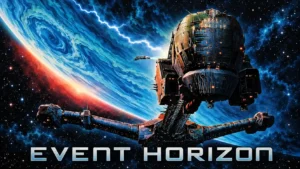

Event Horizon
Where It Has the Edge
- Blu-ray video quality is 4.8 vs 1.7. The admired Blu-ray presentations showcase sharp detail and the physical sets. The newer scan improves picture quality while...

Scorata scores summarize analyzed review evidence on a 1–5 scale; they are not laboratory measurements or a simple average of customer star ratings. Feature scores summarize the reviews covering that feature. The overall score averages feature scores within each review, then combines review averages. When both expert and customer evidence are available, those two groups receive equal weight. Products can have different review coverage, so small score gaps do not establish a winner.
Recommendations prioritize important features for the category, with a score of at least 3.5, a gap of at least 0.25 points and at least two supporting reviews per product. Features with widely varying scores or broad connectivity contexts are excluded from recommendations. These safeguards do not establish statistical significance.
Quick verdict
The review evidence points to a tradeoff: Blu-ray video quality versus supporting cast performance and cast chemistry. Choose according to which strengths matter more to you; the overall score alone does not settle that choice.
Choose Event Horizon for Blu-ray video quality.
Choose The Way of the Gun for supporting cast performance and cast chemistry.
Scores are out of 5. Missing scores mean missing review evidence, not a missing feature.
The admired Blu-ray presentations showcase sharp detail and the physical sets. The newer scan improves picture quality while preserving a film-like appearance.
The older Blu-ray is criticized for heavy image processing and dated picture quality. The newer 4K transfer is a substantial visual improvement.
The script has a strong central hook and a clever villain reversal. Thin characterization, forced exposition, derivative plotting, and underexplained developments repeatedly weaken the execution.
The script is admired for sharp exchanges, layered betrayals and unconventional character choices. Its tendency to pile on complications leaves some critics feeling the cleverness overwhelms the story.
The worn future and occasional accurate space details appeal to some viewers. Implausible science, impractical systems, and inconsistent professional decisions are much more persistent objections.
The gun battles favor credible movement, cover and consequences over flashy movie choreography. A few ballistics and plot details strain belief, but the grounded combat style earns unusually strong praise.
The Blu-ray keeps speech clear and intelligible, while the story’s scientific explanations can still feel overloaded with jargon.
The remixed center channel keeps even quiet remarks intelligible, so the elaborate dialogue rarely gets lost under the soundtrack.
The opening repeatedly wins praise for its polish, ominous transitions, and intriguing setup, including from viewers disappointed by what follows.
The confrontational opening makes an immediate impression and sharply establishes the leads’ cruelty. Some find it memorably bold, while others consider its profanity and aggression unpleasant.
Dry, understated reactions can land beautifully, and Cooper’s energy works for some. Forced jokes and poorly timed wisecracks irritate others or interrupt the dread.
The movie uses grim, profane humor to puncture its hard-boiled seriousness. Its abrasive jokes and occasional absurdity are a strong taste rather than broadly accessible comedy.
Fans appreciate the sharp impact of brief, controlled bursts of gore. Others find the brutality unnecessary, grotesque, or close to exploitation, even in the shortened cut.
Graphic gunfire, a disturbing childbirth sequence and the aggression of the opening are central to the experience. Some accept the brutality as part of the film’s identity; others find particular moments unpleasant.
The compact cut leaves many viewers wanting more character development and explanation. One defense finds the existing running time sufficient and its escalation disciplined.
At nearly two hours, the film feels longer to viewers frustrated by its many subplots and drawn-out confrontations. The runtime is a frequent concern rather than a selling point.
The collision of gothic haunted-house horror and space exploration is thrillingly distinctive for fans. Detractors find the ingredients borrowed or poorly integrated.
A modern kidnapping thriller is recast in the language of old Westerns, from desert landscapes to gunslinger showdowns. The combination gives the action an unusual identity beyond routine crime-movie conventions.
The carefully curated horror and science-fiction homages are part of the appeal for the source that praises them.
Names, confrontations and desert images pay clear homage to classic Westerns. The references are most rewarding for viewers familiar with older outlaw films.
The haunted spaceship and portal-to-hell premise can feel bold and fresh. Other sources see conspicuous borrowing from established classics rather than an original story.
Some regard the film as a distinctive revisionist Western, with inventive tactics and an abrasive personality. Others see too much borrowing from late-1990s crime cinema.
The brisk cut is tight and propulsive for some. More often, sources flag rushed developments, uneven transitions, and a second half that sacrifices buildup for shocks.
A striking opening and muscular finale are often separated by a slower, tangled middle act. Several critics find the two-hour film sluggish despite its frequent bursts of action.
Decompression and desperate escapes can deliver spectacular impact. The final stretch’s fistfights and explosions also draw criticism for overwhelming the psychological horror.
The low-speed car chase, tightly planned kidnapping and bloody final battle are frequent standouts. A minority find the extended gunplay repetitive or anticlimactic, but its staging is the film’s clearest attraction.
Early banter often makes the crew feel like colleagues with a shared history, and the central pair can play off each other beautifully. One negative assessment finds later interactions hollow.
The two leads play off one another effectively as wary partners, creating tension even when their characters are hardly sympathetic.
Stilted exposition, clichés, and misplaced wisecracks attract frequent criticism. Dry reactions such as Miller’s understated response to the ship’s log are memorable exceptions.
The highly stylized, quotable exchanges are a major attraction for admirers, especially the verbal sparring between seasoned criminals. Detractors call the lines overwritten, self-conscious or too eager to shock.
Sympathetic characters can make the deaths hurt, but thin development and uneven performances sometimes limit attachment. For one viewer, the terror itself carries a substantial emotional toll.
The film’s refusal to make its leads sympathetic can leave viewers detached even when its action and dialogue impress.
Weir’s shift from apparent protagonist to villain is praised as a smart reversal that suits Neill especially well.
Reversals and double-crosses keep the criminal alliances unstable, which some find exciting and unpredictable. For others, the sheer number of turns becomes exhausting rather than surprising.
The recognizable, experienced ensemble is generally considered a strong fit. The most substantial reservation concerns whether Neill fully convinces in the villain’s later form.
Several performances feel sharply matched to the film’s abrasive tone, with particular enthusiasm for the principal cast and the memorable opening cameo.
The blend of orchestral horror and electronic textures is generally admired as distinctive and effective, giving the film a sound of its own.
The restrained, Western-influenced orchestral score reinforces the dusty crime atmosphere. Its distinctive motifs also benefit from the remastered Atmos presentation.
Exploration scenes and the airlock countdown can be intensely tense. Rushed exposition and implausible behavior sometimes drain the suspense the setting establishes.
Escalating betrayals and carefully controlled confrontations can keep the stakes tense. For those unable to connect with the amoral characters, the danger loses its grip.
Wide compositions and elaborate space-station camera moves are recurring visual highlights. The more disorienting movements can also provoke vertigo.
Still, observant camerawork contrasts with sudden violence, while dusty exteriors echo classic Westerns. Even some critics disappointed by the story admire the film’s visuals.
Many sources consider it a standout piece of space horror. Its cult reputation remains contested by those who see derivative shocks and missed psychological potential.
It offers a bleak, hard-boiled take on crime and noir that some find refreshingly uncompromising. Other viewers consider the formula overly familiar and derivative.
Efficient early introductions work for some viewers, but thin backstories and abrupt changes are recurring complaints. Several sources want more time with the crew before the nightmare accelerates.
Surprising loyalties and shifting motives can make the characters feel richer as the story develops. Others see inconsistent decisions and too little believable personal growth.
The ambiguous conclusion can linger as a powerful final nightmare. Others feel the last act rushes its payoff or leaves them slightly disappointed.
The extended, blood-soaked climax delivers catharsis for some action fans but strikes others as overlong or emotionally empty. The protagonists’ uncertain fate is another point of division.
The film fares poorly for viewers who dislike graphic imagery. Even split-second glimpses can be too grotesque, and one viewer had to look away.
The extended shootings, bloody injuries and disturbing childbirth imagery make it a poor choice for viewers uncomfortable with graphic violence.
The brief visions, unsettling transformations, and infernal imagery have a remarkable tendency to linger, even for viewers who find the experience uncomfortable.
Distinctive dialogue, vivid action moments and unusual character confrontations linger long after viewing, including for critics who have reservations about the film as a whole.
The Collector’s Edition offers extensive, valuable supplements, including commentary and a substantial making-of documentary. Some new interviews have remote-recording limitations or leave much of the cast absent.
The edition includes substantial director and music commentaries alongside new production-design and firearms featurettes. Some archival cast interviews are fairly routine, but the overall selection is worthwhile.
A compelling rescue mission and haunted-ship premise draw viewers in. Whether the later chaos fulfills that promise or squanders it is one of the largest divisions.
The kidnapping premise opens into a knot of shifting allegiances and motives. Some enjoy the complexity; others find the story overworked and unable to sustain its striking individual scenes.
Admirers see unusually controlled, ambitious work from Anderson, particularly in building spatial dread. Critics find careless execution or action-film habits that undercut the horror.
Christopher McQuarrie shows a distinctive eye for gunfights, staging and performances in his debut. Critics differ over his control of the overall pace and crowded narrative.
The compressed cut often feels choppy and short of connective material. Others appreciate the judiciously brief gore and the momentum of the finished film.
The film can feel overlong and overcomplicated, with transitions between action and plotting slowing the momentum. Some appreciate the deliberate pacing more than others.
Unanswered questions and inconsistent mechanics frustrate viewers who want a coherent explanation. Admirers value the same uncertainty for making the ship’s evil harder to grasp.
Multiple schemes and hidden relationships reward attention but can be hard to follow. Several critics find the motivations inconsistent or the twists too convenient, while others appreciate how the pieces connect.
Creaks, whispers, ambient detail, and powerful surround effects often strengthen the oppressive mood. Other assessments criticize overwhelming noise, cartoonish moments, or rushed finishing.
Gunshots have heavy, realistic impact, and the action gains extra presence from strong bass and atmospheric effects. The contrast between restrained quiet passages and explosive battles is especially effective.
The gothic, cathedral-like ship and elaborate gravity-drive chamber are the clearest visual attractions. A few sources question the practicality or dated appearance of particular spaces.
The seedy rooms, stark settings and convincingly staged spaces support the film’s modern-Western atmosphere without expensive spectacle.
The film’s imposing space imagery and gothic industrial look are widely admired, often remaining a strength even in otherwise negative assessments.
Dry landscapes, subdued colors and carefully composed confrontations evoke a gritty 1970s Western. The deliberate, unshowy look is an important part of its personality.
The eyeless, flayed transformation creates an iconic horror image that stands out for its lasting impact.
Weapon choices help distinguish generations and professions among the criminals, subtly conveying who these people are before they speak.
The trailer’s emphasis on space adventure leaves the supernatural and occult horror underrepresented, creating expectations the film does not meet.
The comedy-heavy trailers are criticized for giving a misleading impression of a much bleaker and more violent crime drama.
Supporting performers often supply personality, nuance, and welcome energy. Thin roles and occasional unconvincing delivery keep the ensemble from working equally well for everyone.
James Caan is repeatedly singled out for his commanding, world-weary presence. The bodyguards and other supporting players also help make the criminal standoffs compelling.
The electronic-orchestral palette can give the film a distinctive identity. The techno opening and closing choices are more divisive, with the end-credit music especially jarring for one viewer.
Music is used sparingly during several firefights, giving the gunfire a raw, immediate feel instead of making every encounter a conventional action spectacle.
The experienced cast usually gives the nightmare credibility and emotional weight. A smaller group finds the ensemble uneven or merely adequate within thin roles.
The cast earns considerable praise, particularly the understated work of Benicio del Toro and James Caan. A few critics struggle with Ryan Phillippe’s mannerisms or Juliette Lewis’s delivery.
The central performances give the film authority and a convincing descent into madness. Neill is often the standout, although some find the later villain turn too broad.
Benicio del Toro brings a restrained, watchful presence, while Ryan Phillippe offers a more aggressive counterpart. Their contrast works for many viewers, though Phillippe’s hard-boiled persona draws some skepticism.
The physical sets and older production methods have an admitted nostalgic pull, reinforcing appreciation of the film’s tangible craftsmanship.
Its unapologetically early-2000s crime-movie attitude makes it a time capsule for admirers of that era, although its provocative language has aged poorly for some.
Fans find the crew unusually likable and worth rooting for. Others struggle to distinguish the supporting characters or feel invested in their fates.
The lead criminals are deliberately ruthless and unlikable; some find that honesty compelling, while others never develop a reason to care. Caan’s seasoned enforcer is a particular standout.
Enthusiastic collectors consider the film and feature-rich Blu-ray worth owning. An older Blu-ray remains a reasonable option for viewers who do not need the improved presentation.
The 4K Steelbook is praised as a worthwhile upgrade, particularly for anyone still using the old DVD or Blu-ray. Its limited distribution makes the purchase less convenient and potentially expensive.
For enthusiasts, the film is a forceful, rewatchable blast of extravagant horror. Negative assessments call it dull, silly, or too compromised to enjoy.
Viewers who respond to the film’s attitude find it engaging and frequently revisit it. Others see a frustrating mismatch between excellent isolated sequences and a cumbersome whole.
Large physical environments, detailed miniature work, and strong technical craft make the film feel substantially produced rather than disposable genre filler.
The climactic shootout feels impressively large and intricate despite the film’s relatively modest budget.
Enthusiasts find the film rewarding across repeated viewings, with details and atmosphere that retain their appeal years later.
Admirers keep returning for its quotable exchanges and carefully staged violence, finding new details over time. Some initial enthusiasm fades when its limitations become more apparent.
The UHD restoration brings much sharper textures, more natural film grain, and stronger desert colors than earlier editions. A few softer shots and subdued interiors keep it from being a consistently showy transfer.
Ryan Phillippe’s affected vocal delivery is a sticking point for some critics, who find his accent distracting or unconvincing.
The oppressive mood is the film’s most dependable strength: shadowy corridors and an apparently living ship sustain a sense of isolation and malevolence.
Commentaries, interviews, and making-of material offer substantial access to the film’s creation. The breadth is a major attraction despite gaps in cast participation.
The prosthetic injuries and transformations are frequently admired as exceptionally disturbing. Their brief appearances can leave an impact far beyond their screen time.
Computer effects are among the most disputed technical elements. Many find the floating liquids and debris badly dated, while others consider the imagery impressive for its era or still convincing.
Several performers and crew members are considered underused. Missing backstory is particularly frustrating when the film relies on personal fears to drive its horror.
Miller’s underplayed reaction can be hilariously effective. Forced comic interjections elsewhere are much less welcome.
The orchestral and electronic collaborators are praised for pushing each other toward a more distinctive musical result.
The commentary explains development, design choices, effects, and difficult production decisions candidly, making it especially useful for understanding the finished film.
The film’s visual identity and cosmic-horror approach are positively recognized as a lasting genre touchstone.
The diverse crew and Fishburne’s substantial leadership role earn appreciation. Cooper’s comic characterization draws pointed complaints about racial stereotyping.
The final nightmare delivers a terrifying stinger and reinforces the uncertainty about whether the survivors are truly safe.
The number of crew members dilutes the focus for the source that criticizes the ensemble balance; fewer characters might have made the psychological threads stronger.
Crisp widescreen compositions keep the action contained and readable, allowing the environments to make their full impression.
Careful reloads, use of cover, weapon malfunctions and coordinated movement make the gunfights unusually convincing. Firearms specialists still notice a handful of errors, but tactical detail is a defining strength.
The visions and flashbacks can feel like false alarms or awkward inserts, weakening their attempt to provide psychological depth.
Weir’s bereavement becomes a chilling point of vulnerability, tying his personal loss to the ship’s corrupting influence.
The ship’s exploitation of private failures turns guilt into a personal threat. This psychological approach often gives the horror weight, although some find its treatment heavy-handed.
The new interviews offer worthwhile material, although much of the cast is absent. Remote recording can introduce buffering problems without making the discussion unintelligible.
Inventive swearing entertains some viewers, but the repeated obscenities and derogatory slurs can feel gratuitous and unpleasant.
Shadows, floor lighting, and flashes of lightning make the ship feel imposing and difficult to read. The lighting frequently carries the dread even during quieter conversations.
The eyeless transformations, corpses, and prosthetic injuries are among the most admired craft elements. One strongly negative assessment finds the horrific imagery too ridiculous to frighten.
The implied suspicion of scientific knowledge troubles the critic who evaluates the film’s message.
The missing ship and its unknowable fate can create an unsettling mystery. The finished film only partly develops the intriguing questions it raises.
The later narrative can become hurried or unglued, trading its initially intriguing setup for disconnected developments and spectacle.
The lenticular sleeve and wraparound Steelbook artwork make the limited edition a handsome collectible, although getting hold of it can be inconvenient.
The cooperative, racially and gender-mixed crew offers a welcome alternative to stories defined by prejudice and exclusion.
The physical gravity drive, miniatures, and prosthetics give the nightmare tangible weight. Their craftsmanship often holds up better than the digital effects.
The account that evaluates the working conditions describes excessive physical demands on performers during elaborate wire-work sequences.
Its best sequences generate lasting dread and sudden, visceral fear. Predictable jumps, excessive shock imagery, or tonal missteps leave other viewers laughing or unmoved.
Treating the supernatural threat with conviction gives the horror weight and helps its science-fiction setting feel consequential.
Model work and gruesome practical effects receive substantial praise, with some sources admiring the full effects package. Aging digital elements and uneven integration temper that enthusiasm.
The deliberately slow vehicle pursuit and close-quarters firefights offer unconventional action beats. Careful movement and spatial staging make even modest-budget scenes memorable.
The crew’s pragmatic decisions stand out positively, particularly the captain’s immediate determination to leave once the danger becomes clear.
The cathedral layout, eye motifs, and inverted religious imagery give the ship a coherent symbolic menace. The design can reward interpretation beyond the immediate shocks.
Guilt, grief, scientific hubris, and human limits give the horror ideas worth discussing. Critics find those ideas shallow, heavy-handed, or insufficiently developed.
The move from solemn psychological horror to action, camp, or comic relief can be disruptive. Some viewers nevertheless appreciate the strange fit or the restraint that prevents outright camp.
The sentient ship and Weir’s corruption can make a disturbing, unconventional threat. His abrupt or inconsistent progression weakens the villain arc for some viewers.
The crew’s professional cooperation and diverse leadership can be refreshing. Their pragmatic scientific approach and willingness to leave danger are praised.
The Atmos mix gives gunfire powerful impact, clear dialogue and an expansive soundstage. Quiet scenes are less immersive, but the firefights make excellent use of a home theater setup.
The home surround presentations are praised for clear dialogue, accurately placed ambience, and forceful effects that remain balanced.
Keeping the threat in the ship and its psychological influence, rather than revealing a conventional creature to fight, is strongly appreciated.
The relentless brutality and unsettling ideas limit broad appeal. Enjoyment depends heavily on a taste for grotesque, confrontational horror.
The deliberately literary narration exaggerates classic noir conventions, giving the story a knowingly artificial flavor rather than a naturalistic voice.
Small uniform details help make the future feel lived in, and the captain’s jacket has charm. The bulky spacesuits look dated to another viewer.
Uniform markings and other small background details suggest a larger future history, making the setting feel like a functioning world.

Choose this inventive, unsettling documentary for fearless questioning, dark humor, and unpredictable storytelling. Skip it if you want a short, straightforward exposé with definitive answers.
Pros: originality, humor

Extraordinary performances and richly observed relationships make this a rewarding, emotionally forceful drama. Its nearly three-hour length and slow opening demand patience and undivided attention.
Pros: class commentary, character development

Best for a hypnotic, bookish mystery with tactile visuals and cerebral chills. Skip it if reading-heavy, attention-demanding storytelling sounds more exhausting than exciting.
Pros: Atmosphere, cinematography
Cons: audience appeal

Best for an intimate, searching documentary that rewards focused attention and invites discussion. Skip it when devastating grief, addiction footage, and unresolved family tensions would be too much.
Pros: emotional impact, theme depth