Scorata scores summarize analyzed review evidence on a 1–5 scale; they are not laboratory measurements or a simple average of customer star ratings. Feature scores summarize the reviews covering that feature. The overall score averages feature scores within each review, then combines review averages. When both expert and customer evidence are available, those two groups receive equal weight. Products can have different review coverage, so small score gaps do not establish a winner.
Recommendations prioritize important features for the category, with a score of at least 3.5, a gap of at least 0.25 points and at least two supporting reviews per product. Features with widely varying scores or broad connectivity contexts are excluded from recommendations. These safeguards do not establish statistical significance.
Quick verdict
What each product is best for
The available evidence supports the recommendation below, but does not establish an overall winner. Check the remaining features against your priorities.
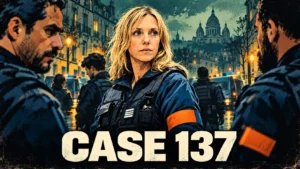
Choose Case 137 for realism and character development.
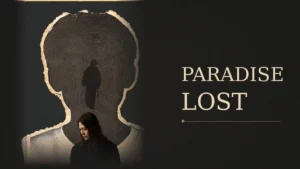
There is not enough comparable review evidence to recommend Paradise Lost over the other product.
Why these recommendations?
Case 137
Where It Has the Edge
realism is 4.6 vs 1.6. Natural performances, plain interviews, and rough digital images create a convincing, almost documentary texture. A minor reservation concerns...
character development is 4.1 vs 2.0. Stéphanie’s compromised loyalties and questionable methods give the central character dimension. The supporting characters can feel comparatively thin,...
character appeal is 3.8 vs 2.3. Stéphanie’s commitment to establishing facts makes her an admirable, sympathetic center. The surrounding characters do not always earn...
Paradise Lost
Where It Has the Edge
No clear scored advantage over the other product.
Case 1374.0 overall score
Paradise Lost3.2 overall score
Compare features
Scores are out of 5. Missing scores mean missing review evidence, not a missing feature.
Scored on both products
Other features
Plot clarity
Case 137
5.0
The story earns strong approval for avoiding plot holes and keeping events credible.
Paradise Lost
1.7
The later twists make the plot increasingly muddled or absurd for several critics. The emotional premise loses force when the story’s logic becomes difficult to accept.
Realism
Case 137
4.6
Natural performances, plain interviews, and rough digital images create a convincing, almost documentary texture. A minor reservation concerns the more contrived pursuit of a reluctant witness.
Paradise Lost
1.6
The mother’s choices and the killer plot repeatedly strain psychological credibility. For some, the central dilemma cannot work once a real child’s life is weighed against a digital replica.
Editing quality
Case 137
4.3
Brisk interview montages build a mosaic of testimony, and the report-writing sequence gains force from its juxtaposition with the injured victim. These choices make administrative work engaging.
Paradise Lost
1.5
The editing reveals too much around the missing-child subplot, defusing the mystery that could have sustained it.
Message quality
Case 137
4.1
The strongest praise goes to the clear warning that establishing the truth does not guarantee accountability. Reservations concern an argument that sometimes feels too cautious, familiar, or overtly explained.
Paradise Lost
1.5
One sharply negative response finds the film’s intended statement buried beneath incoherent storytelling.
Investigative procedure
Case 137
4.5
Interrogations, camera tracing, and painstaking examination of recordings are the film’s most consistently admired craft elements. Mundane legwork becomes compelling through precision and accumulating obstacles.
Paradise Lost
2.0
The journalist’s investigation begins to promise suspense but ends before it can carry much weight. That leaves it feeling inconsequential.
Runtime
Case 137
2.5
The nearly two-hour running time feels generous once the culprit is identified. The extended final section may seem to continue after the main investigation has made its point.
Paradise Lost
5.0
The lean running time is praised for preserving momentum and avoiding an overstretched thriller experience.
Character development
Case 137
4.1
Stéphanie’s compromised loyalties and questionable methods give the central character dimension. The supporting characters can feel comparatively thin, and some moral implications remain underexplored.
Paradise Lost
2.0
The adult son is frequently criticized as a one-dimensional plot device whose missing years deserve more attention. The mother’s later decisions also strain the characterization for some viewers.
Narrative structure
Case 137
4.3
A case-centered structure keeps the investigation focused, while interwoven testimony builds a reconstruction from competing accounts. The approach favors cumulative detail over broad political exposition.
Paradise Lost
2.2
The grief drama and killer thriller frequently compete for attention instead of strengthening each other. A more positive reading finds the return to the opening imagery satisfyingly circular.
Writing quality
Case 137
3.8
The screenplay earns praise for solid construction, credible events, and characters who feel human. More critical reactions find parts of the witness subplot laborious or the political dialogue too explicit.
Paradise Lost
1.8
The screenplay often introduces rich possibilities before jumping to another idea. Exposition, thin characterization, and increasingly implausible turns make it feel underdeveloped to its harshest critics.
Drama quality
Case 137
3.3
The confrontation with the hotel witness is a dramatic highlight for one assessment. Another finds the same exchange stagy and overly melodramatic.
Paradise Lost
1.8
The later storytelling can become so melodramatic that it obscures the quieter psychological conflict. The most negative responses find the drama flat despite its many provocative ideas.
Story quality
Case 137
4.3
The investigation earns praise for focused, credible storytelling and the human detail behind the case. A more thriller-like witness pursuit introduces a small note of artificiality for one assessment.
Paradise Lost
2.9
A compelling mother-son dilemma becomes an enthralling thriller for some and a disjointed collection of ideas for others. The competing grief and killer storylines drive much of that divide.
Suspense
Case 137
4.4
Tension grows through questioning, surveillance footage, and the slow discovery of inconsistencies. The strongest sequences make an obstructed investigation absorbing without relying on action spectacle.
Paradise Lost
3.0
The premise and the adult son’s stillness can create gripping unease. Several critics feel obvious revelations, abandoned threads, or implausible choices drain the tension instead.
Cinematography
Case 137
4.5
Camera movement gives the investigation a felt momentum, distinguishing breakthroughs from the stasis of office work.
Paradise Lost
3.3
The photography can reinforce the mother’s deteriorating emotional state and produce striking individual scenes. Other responses find it unexceptional or criticize the shaky camera style as dated.
Memorability
Case 137
3.3
The lasting impression divides opinion: the loyalty-versus-justice conflict can linger, but the restrained presentation is also judged less memorable than Moll’s earlier work.
Paradise Lost
4.5
The uncomfortable questions about parental influence and blood bonds can remain with viewers after the plot has ended.
Theme depth
Case 137
3.7
Loyalty, impartiality, and institutional self-protection give the investigation substance. Reactions differ on whether the narrow focus exposes the system incisively or stops short of a sufficiently challenging political argument.
Paradise Lost
2.7
Questions about memory, personhood, parental love, and AI offer plenty to consider. The most repeated complaint is that the film raises more ideas than it can explore meaningfully.
Atmosphere
Case 137
3.8
The quiet, drab setting often creates an effective mood of pressure and frustration. A dissenting reaction finds the tone pale and lacking energy.
Paradise Lost
4.5
The bleak setting and creepy family reunion create an effective atmosphere of unease, with the mystery mood praised even when the logic draws criticism.
Ending satisfaction
Case 137
3.5
The ending can be powerful and realistic even when its outcome is predictable. Its refusal of neat justice also leaves some viewers frustrated, emotionally underwhelmed, or with a sense of incompleteness.
Paradise Lost
2.8
The ending is a major point of disagreement: some find it bold, devastating, or satisfyingly circular. Many others feel the resolution simplifies the dilemma or fails to deliver its promised emotional force.
Dialogue quality
Case 137
2.5
The witness confrontation and political exchanges sometimes spell out the themes too plainly. Some find the scene stagy or melodramatic, weakening the otherwise restrained approach.
Paradise Lost
1.9
Key ideas too often arrive through explanatory conversations, while other crucial questions go unasked. The later dialogue is repeatedly criticized as clumsy or implausible.
Directing quality
Case 137
4.0
Dominik Moll makes interrogations and desk work absorbing through patient, restrained staging. That same reserve can feel ordinary or inert, and some find his handling of political questions hesitant.
Paradise Lost
3.4
The director earns praise for intimate menace, emotional engagement, and moments of tight thriller craft. His detractors find the execution generic or too reluctant to investigate the premise’s harder questions.
Genre satisfaction
Case 137
4.1
This is generally regarded as an effective, carefully assembled police procedural. Its conventional form and deliberate restraint make it less exciting for anyone expecting a more forceful or surprising thriller.
Paradise Lost
3.5
The early sections can lack the expected genre edge, but the bold final act delivers a much stronger payoff for one otherwise disappointed viewer.
Emotional impact
Case 137
4.0
Quiet performance and the victim’s lasting injuries can produce empathy, unease, and a strong final impression. Some find that the film’s restraint reduces the emotional force it might have had.
Paradise Lost
3.4
The mother’s grief and the lead performances deliver crushing emotion for some viewers. Others find the later dilemmas contrived and the final payoff too weak to earn its intended force.
Portrayal of women
Case 137
4.5
The portrait of a woman navigating a male-dominated institution is praised as compelling. Her professional persistence exposes how loyalty can obstruct accountability.
Paradise Lost
4.0
The focus on a single mother’s vulnerability gives the story a meaningful perspective on grief, isolation, and the absence of other family support.
Originality
Case 137
2.7
The familiar procedural form is the most common reservation about freshness. Skilled execution and moral purpose carry more weight than surprise, while some find the treatment programmatic.
Paradise Lost
3.1
The returning-child premise gains a fresh psychological angle through the virtual son, especially when the AI manipulates its user. Other reactions find familiar genre devices beneath that promising hook.
Pacing
Case 137
3.1
Patient interrogations and methodical detective work can be absorbing, though the computer scenes and extended final stretch sometimes feel languid. The deliberate rhythm rewards patience more than a desire for quick thrills.
Paradise Lost
2.7
One enthusiastic response praises perfect momentum, but more critics find the progression rushed, uneven, or sluggish. The later complications often interrupt the more absorbing emotional setup.
Topical relevance
Case 137
4.7
The questions of protest rights, police violence, and accountability feel urgent well beyond the events depicted. Contemporary unrest strengthens the sense that the film’s concerns remain unresolved.
Paradise Lost
4.4
The use of responsive digital replicas feels timely as AI takes on more emotional and social roles. Its warning about dependence connects directly with contemporary anxieties.
Family relationships
Case 137
4.0
The personal episodes are a welcome counterweight to the investigation. Domestic scenes add warmth and show the officer beyond her professional role.
Paradise Lost
4.0
The conflict between a mother’s remembered child and the stranger who returns gives the story its strongest emotional hook. Its credibility depends on accepting her attachment to the virtual boy and her increasingly troubling decisions.
Controls and connectivity
Character appeal
Case 137
3.8
Stéphanie’s commitment to establishing facts makes her an admirable, sympathetic center. The surrounding characters do not always earn the same care or interest.
Paradise Lost
2.3
Some viewers struggle to remain sympathetic when the mother’s attachment puts real lives at risk. Her emotional vulnerability only partly offsets those troubling choices.
Comfort and build
Visual style
Case 137
3.7
The subdued images can make bureaucracy feel oppressive, while rough phone footage brings immediacy and a closing close-up carries emotional weight. Other reactions find the presentation visually unmemorable or formally plain.
Paradise Lost
2.6
Reactions to the visual approach range from effective warm-and-cold contrasts to uninspired, dated imagery. Even a negative response acknowledges that the film can look good.
Performance
Supporting cast performance
Case 137
4.5
Guslagie Malanda’s witness role is singled out for lasting impact and a standout presence. Solàn Machado-Graner adds welcome warmth to the domestic scenes.
Paradise Lost
5.0
Yu Ji-wan’s child performance stands out for natural, authentic emotion without exaggeration.
Acting performance
Case 137
4.5
The performances are widely praised for natural emotion and subtle facial expression. Restraint gives the moral conflict weight without turning it into a showy crusade.
Paradise Lost
4.6
The acting often gives the fractured family more credibility than the script provides. The child performance also draws praise for natural emotion and convincing humanity.
Lead performance
Case 137
4.6
Léa Drucker anchors the investigation with quiet intensity, conveying self-doubt and conflicting loyalties through small expressions. One dissenting view finds the portrayal cold.
Paradise Lost
4.6
Kim Hyun-joo’s grieving mother is the clearest strength, with Bae Hyeon-seong also praised for his controlled menace. Even several detractors find the leads stronger than their material.
Ownership and support
Entertainment value
Case 137
3.0
The serious subject is not treated as easy entertainment. Its value lies more in confronting an important problem than in offering uncomplicated enjoyment.
Paradise Lost
3.2
Enthusiasts describe a lean, gripping psychological thriller; detractors describe wasted potential and mounting frustration. Strong acting gives the film appeal even when the plotting disappoints.
Evidence available for one product
Other features
AI portrayal
Case 137No score yet
Paradise Lost
3.2
The virtual son creates a disturbing tension between comforting memory and difficult reality. Admiration for that premise often gives way to frustration with shallow exploration or an overly simple moral conflict.
Cast chemistry
Case 137No score yet
Paradise Lost
4.5
The two leads use contrasting demeanors and closely observed gestures to convey both estrangement and a disturbing family resemblance.
Child abuse portrayal
Case 137No score yet
Paradise Lost
2.0
The grooming that shaped the son’s violence is not explored deeply enough. That omission limits the treatment of the predatory relationship behind the tragedy.
Creative collaboration
Case 137
4.5
The collaboration between Moll and Drucker is described as a productive dialogue built on trust. Their shared search helps shape the lead performance scene by scene.
Paradise LostNo score yet
Ethical handling of deaths
Case 137No score yet
Paradise Lost
1.0
The stylized display of dead children is criticized as an unsavory gamification of their deaths, without a perspective that would justify the device.
Generational trauma
Case 137No score yet
Paradise Lost
4.5
The shared instability of mother and son becomes one of the film’s richest threads. Subtle gestures make the possibility of inherited madness linger after the ending.
Genre blending
Case 137No score yet
Paradise Lost
1.8
The collision of intimate science fiction, grief drama, and procedural thriller can feel awkward. Several critics find the procedural material poorly integrated with the emotional story.
Grief portrayal
Case 137No score yet
Paradise Lost
4.3
Small memories and the refusal to let go can make the grief devastatingly tangible. Several critics feel the later killer plot crowds out this emotional foundation.
Historical reenactments
Case 137
4.5
The recreated protest imagery is praised for making the historical situation feel immediately believable. Rough digital texture helps the staging lose its sense of cinematic artifice.
Paradise LostNo score yet
Loneliness portrayal
Case 137No score yet
Paradise Lost
4.0
The mother’s isolation makes her dependence on the virtual child more understandable. The contrast with parents who have other family support gives that loneliness significance.
Media sensationalism
Case 137No score yet
Paradise Lost
4.0
The early media spectacle gives the disappearance an immediate emotional pull, drawing viewers into the parents’ public anguish.
Mental health portrayal
Case 137No score yet
Paradise Lost
4.5
The mother’s fragile psychology is conveyed through small expressions and conflicting impulses. Kim’s performance keeps her from becoming a simple portrait of bereavement.
Mystery quality
Case 137No score yet
Paradise Lost
2.6
The setup offers an intriguing psychological puzzle and occasional flashes of a compelling mystery. Predictable outcomes and premature revelations often limit that promise.
Narrative stakes
Case 137No score yet
Paradise Lost
2.0
The life-or-death stakes of the killer plot overwhelm the earlier grief dilemma, making its virtual-child conflict feel less important.
Opening sequence quality
Case 137No score yet
Paradise Lost
3.5
The opening’s news coverage and unfolding tragedy can establish a powerful emotional hook. Others find the compressed setup generic or too hurried to let the loss sink in.
Plot twists
Case 137No score yet
Paradise Lost
3.6
Some find the narrative unpredictable and its final turns thrilling. Others see obvious twists or shocks that weaken the more interesting psychological dilemma.
Political context depth
Case 137
2.5
The narrow investigation gives limited space to the Yellow Vests’ own politics. Criticism centers on a protest movement that functions more as background than a fully explored political struggle.
Paradise LostNo score yet
Political perspective balance
Case 137
3.3
The fact-centered investigator is admired for resisting tribal loyalties and considering competing positions. Other reactions find the police-centered perspective unfair to protesters or the attempt at balance politically evasive.
Paradise LostNo score yet
PTSD portrayal
Case 137No score yet
Paradise Lost
2.2
The son’s traumatic missing years are repeatedly judged underexplored. Their limited connection to the AI story weakens the explanation for his transformation.
Religious messaging
Case 137No score yet
Paradise Lost
3.0
The heaven-and-hell imagery is overt rather than subtle, but still prompts an interesting question about whether artificial comfort becomes an escape from unbearable reality.
Scares
Case 137No score yet
Paradise Lost
4.3
The adult son and the turn toward bloody thriller territory can be genuinely frightening. The fear comes as much from damaged family bonds as from the violence.
Scientific credibility
Case 137No score yet
Paradise Lost
4.0
The immersive AI and alternate-reality technology feels plausible rather than far-fetched.
Score quality
Case 137No score yet
Paradise Lost
3.0
The score is functional but does not stand out beside the performances or distinguish the film from other Korean thrillers.
Serious tone
Case 137
4.3
A sober, focused approach gives the investigation credibility and weight. One qualification is that the seriousness can become slightly programmatic.
Paradise LostNo score yet
Special effects quality
Case 137No score yet
Paradise Lost
1.5
The presentation of the virtual-reality glasses is criticized as cheap, weakening the visual realization of the concept.
Symbolism
Case 137No score yet
Paradise Lost
3.3
Fake flowers, photographs, and heaven-and-hell imagery underline the divide between reality and imitation. These touches range from beautifully pointed to blunt or empty, depending on the critic.
Technology and humanity
Case 137No score yet
Paradise Lost
3.7
The most provocative question is whether a comforting artificial relationship can feel more valuable than a painful real one. Reactions divide over how thoughtfully the film develops that tension.
Tonal consistency
Case 137No score yet
Paradise Lost
2.1
The move from grief drama into a violent thriller is a recurring sticking point. Some settle into the shift, while others feel the two halves never belong together.
Villain quality
Case 137No score yet
Paradise Lost
1.8
Turning the adult son into a one-dimensional psychopath strips away complexity. The antagonist becomes a mechanism for the plot rather than a fully explored person.
Ownership and support
Production value
Case 137No score yet
Paradise Lost
1.5
The virtual-reality presentation can look cheap, leaving the film’s ambitious concept without a convincing visual realization.
Controls and connectivity
Smartphone storytelling
Case 137
4.3
Digital recordings make viewers examine the case alongside Stéphanie and bring a raw, immediate texture to the investigation. Scrutinizing screens becomes a cinematic activity in its own right.
Paradise LostNo score yet
Voiceover effectiveness
Case 137No score yet
Paradise Lost
2.0
Compressed news narration and explanatory exchanges can move the story past its most important emotional questions too quickly.
Comfort and build
Sound design
Case 137No score yet
Paradise Lost
4.5
The sparse soundscape sets the warmth of the artificial sanctuary against uncomfortable real-world quiet, strengthening the emotional divide.
Choose this inventive, unsettling documentary for fearless questioning, dark humor, and unpredictable storytelling. Skip it if you want a short, straightforward exposé with definitive answers.
Extraordinary performances and richly observed relationships make this a rewarding, emotionally forceful drama. Its nearly three-hour length and slow opening demand patience and undivided attention.
Best for a hypnotic, bookish mystery with tactile visuals and cerebral chills. Skip it if reading-heavy, attention-demanding storytelling sounds more exhausting than exciting.
Best for an intimate, searching documentary that rewards focused attention and invites discussion. Skip it when devastating grief, addiction footage, and unresolved family tensions would be too much.