Scorata scores summarize analyzed review evidence on a 1–5 scale; they are not laboratory measurements or a simple average of customer star ratings. Feature scores summarize the reviews covering that feature. The overall score averages feature scores within each review, then combines review averages. When both expert and customer evidence are available, those two groups receive equal weight. Products can have different review coverage, so small score gaps do not establish a winner.
Recommendations prioritize important features for the category, with a score of at least 3.5, a gap of at least 0.25 points and at least two supporting reviews per product. Features with widely varying scores or broad connectivity contexts are excluded from recommendations. These safeguards do not establish statistical significance.
Quick verdict
What each product is best for
The review evidence points to a tradeoff: dialogue quality and monster visibility versus cinematography and supporting cast performance. Choose according to which strengths matter more to you; the overall score alone does not settle that choice.
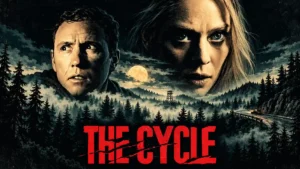
Choose The Cycle for dialogue quality and monster visibility.
Choose Hungry for cinematography and supporting cast performance.
Why these recommendations?
The Cycle
Where It Has the Edge
dialogue quality is 4.3 vs 2.5. The dialogue generally sounds believable and links investigative work to the characters’ emotional burdens. Its quieter exchanges help...
monster visibility is 5.0 vs 3.2. Clear views of the creature strengthen the impact of its physical construction. Viewers who enjoy the reveal appreciate...
violence level is 4.5 vs 3.4. The bloody kills are often admired for their impact rather than their volume. One account particularly values the...
Hungry
Where It Has the Edge
cinematography is 4.6 vs 4.3. Low waterline views, murky channels and an attractive swamp landscape make the bayou a striking setting. The strongest...
supporting cast performance is 4.5 vs 4.2. Jim Meskimen stands out within an already solid ensemble, while Joaquim de Almeida supplies a welcome presence as...
The Cycle4.2 overall score
Hungry4.1 overall score
Compare features
Scores are out of 5. Missing scores mean missing review evidence, not a missing feature.
Scored on both products
Other features
Originality
The Cycle
4.8
A fresh twist on familiar creature mythology is a recurring source of enthusiasm. The distinctive forensic angle helps the film feel inventive despite recognizable influences.
Hungry
2.8
The unusual hippo premise brings novelty, but the surrounding survival formula borrows heavily from familiar animal-attack films. The ending is the clearest point of frustration.
Action sequence quality
The Cycle
2.5
Action is divisive: the kills and creature mayhem can thrill, but tight, shaky photography sometimes makes attacks difficult to follow. One strongly negative assessment finds the final battle boring.
Hungry
4.3
When the hippo attacks, it delivers clear, forceful bursts of destruction. Those individual moments work better than the overall quantity of action suggests.
Dialogue quality
The Cycle
4.3
The dialogue generally sounds believable and links investigative work to the characters’ emotional burdens. Its quieter exchanges help sustain tension.
Hungry
2.5
Exposition occasionally feels forced, especially when characters repeatedly debate a threat the audience already recognizes.
Violence level
The Cycle
4.5
The bloody kills are often admired for their impact rather than their volume. One account particularly values the balance between practical gore and sustained tension.
Hungry
3.4
Opinions split over the restrained carnage: some appreciate purposeful, weighty attacks, while others want more variety and graphic payoff. Several deaths keep their messiest details out of sight.
Classic cinema references
The Cycle
4.5
The film’s classic monster and transformation references often feel like affectionate, purposeful homages. Its strongest tributes retain enough individual detail to avoid simple imitation.
Hungry
3.5
Familiar creature-horror models provide a workable foundation and some effective jump moments. The homages become less welcome when they make the finale feel borrowed.
Runtime
The Cycle
3.5
The near-two-hour length is a real tradeoff. Enthusiasts find it fluid or want even more, while others would remove ten to fifteen minutes or more from the buildup and exposition.
Hungry
2.5
The final stretch can feel padded, extending a climax already criticized for predictable plotting.
Ending satisfaction
The Cycle
3.9
The creature payoff and final family reckoning satisfy many viewers. Others find the climactic battle dull or feel that an exposition-heavy stretch weakens the finish.
Hungry
3.0
The conclusion divides opinion. Its exhausted, hard-earned survival earns praise in one account, while others find the confrontation underwhelming or the final stretch predictably padded.
Writing quality
The Cycle
4.2
Detailed forensic work, fresh mythology and emotionally grounded characters give the script substance. Repetition, exposition and occasional heavy-handedness can blunt its momentum.
Hungry
3.4
Character groundwork gives the survival situation weight, but exposition can feel forced or repetitive. The late plotting draws stronger complaints about predictability and implausibility.
Scares
The Cycle
4.4
The creature and its transformation can be deeply unsettling, with some unusually enthusiastic praise for their frightening impact. A few jump scares feel artificially arranged through misleading timing.
Hungry
3.8
Foreboding and sudden attacks provide effective early thrills. Familiar late-film borrowing reduces the impact for one assessment.
Genre blending
The Cycle
4.0
The procedural-to-creature progression is one of the film’s defining attractions and its most divisive choice. Some find the modes complementary and fresh, while others feel the monster material displaces stronger drama.
Hungry
4.5
The creature feature and survival thriller elements reinforce each other, with natural animal motivation making the desperate escape scenario more credible.
Casting quality
The Cycle
4.8
The lead is considered an especially good casting choice, and the broader ensemble also earns praise.
Hungry
4.3
The ensemble compares favorably with typical low-budget creature films. Its likable presence helps make the tourists matter before the attacks begin.
Ensemble balance
The Cycle
4.5
The supporting officers complement the lead without competing for attention, keeping the performances effectively balanced.
Hungry
4.0
A varied collection of tourists keeps the group dynamics interesting without reducing every interaction to petty conflict.
Pacing
The Cycle
3.5
The measured investigation gives clues and dread time to develop. Whether that feels absorbing or padded is the most persistent disagreement, with several viewers wanting a tighter first hour or less late exposition.
Hungry
3.0
A patient buildup creates effective dread for some, but others find the delayed reveal and repeated waiting frustrating. The middle stretch is the most persistent pacing concern.
Theme depth
The Cycle
4.0
Family abandonment, inherited resentment and paternal choices add meaning beyond the monster mystery. Some find these layers affecting, while others think the film either overstates them or sidelines its most interesting psychology.
Hungry
4.5
Protective instincts, captivity and the heroine’s personal struggles add unexpected thoughtfulness to the monster premise.
Villain quality
The Cycle
5.0
The monster is a threatening antagonist with a striking design and a particularly unsettling degree of intelligence. Its menace extends beyond simple brute force.
Hungry
4.5
The hippo is an effective, intimidating antagonist whose natural power supplies the menace. Its unusual species becomes a strength rather than a punchline.
Genre satisfaction
The Cycle
4.0
The creature-feature payoff satisfies many genre enthusiasts, with some calling it a standout werewolf film. Dissenters find the monster section disappointing or ridiculous compared with the investigation.
Hungry
4.4
This is widely seen as a capable, sincere creature feature with an unusually effective animal threat. The strongest enthusiasm comes from its physical effects and survival tension.
Emotional impact
The Cycle
4.0
The father-daughter material gives many viewers unexpected heartbreak and a strong human center. Others find the emotional hook unconvincing or notice strangely muted reactions to major losses.
Hungry
4.3
Time spent getting to know the group makes the danger and losses register. Sistine’s vulnerability supplies a particularly effective emotional anchor.
Cinematography
The Cycle
4.3
Cold coastal landscapes, forensic close-ups and a controlled palette give the film a polished procedural identity. Most admire the images, while dissenters object to muddy presentation or obscuring action coverage.
Hungry
4.6
Low waterline views, murky channels and an attractive swamp landscape make the bayou a striking setting. The strongest photography turns open water into a trap with uncertain depth.
Special effects quality
The Cycle
4.8
The monster effects produce memorable physical imagery and often outperform expectations for the budget. Their old-fashioned tangibility is a major part of the film’s appeal.
Hungry
4.5
The hippo usually feels heavy and physically present alongside the cast. Practical work does much of the convincing, while some digital motion shows its seams.
Directing quality
The Cycle
4.6
Careful control of clues, atmosphere and practical spectacle often makes the direction feel assured. Reservations center on uneven genre integration and occasional filmmaking missteps.
Hungry
4.3
The grounded handling of the hippo and effective early suspense show confident creature filmmaking. Comparisons with the director’s earlier animal horror are favorable, despite reservations about the final stretch.
Character development
The Cycle
4.1
Meg is usually a believable, emotionally layered investigator rather than a stock genius. Some supporting relationships feel underdeveloped, and one critique wants more of her life beyond her father.
Hungry
4.3
The tourists receive enough personality and vulnerability for their survival to matter. Sistine’s progression works best as frightened persistence rather than a sudden transformation into an action expert.
Realism
The Cycle
4.1
Ordinary characters, credible forensic detail and tactile effects give the supernatural events a convincing foundation. The revised monster rules still demand a suspension of disbelief that some viewers cannot sustain.
Hungry
4.0
Territorial animal behavior and a vulnerable heroine help ground the threat. A few practical escape questions and doubts about an unnoticed bayou hippo strain belief.
Practical effects quality
The Cycle
4.7
The practical transformations, puppetry and gore are the clearest draw, frequently praised as unusually impressive and memorable. A few rough edges or plasticky moments temper that enthusiasm for some viewers.
Hungry
4.6
The animatronic hippo gives close encounters tangible weight and a welcome old-school horror feel. Physical effects are among the film’s most consistently praised strengths.
Suspense
The Cycle
4.6
Unexplained bodies, careful clue placement and a sustained police-station sequence build effective anticipation. Even scenes without a visible threat often carry a strong sense of approaching danger.
Hungry
4.5
Ripples, obscured movement and the delayed reveal make the water feel dangerous before the hippo fully appears. The initial tension is a stronger consensus point than the later payoff.
Story quality
The Cycle
3.9
A forensic investigation gradually opens into a larger supernatural story. Most find that progression compelling, though a few regard the later revelations as increasingly implausible.
Hungry
3.9
An unusual hippo threat anchors a mostly engaging survival story. Familiar genre machinery and a predictable final stretch keep it from feeling consistently fresh.
Atmosphere
The Cycle
4.6
A cold, damp coastal setting and restrained investigative mood create persistent dread. Atmosphere remains a strength across both enthusiastic and several mixed reactions.
Hungry
4.7
Murky water, tangled channels and uncertain depth create an oppressive sense of entrapment. The early swamp sequences are especially effective at building dread.
Performance
Monster visibility
The Cycle
5.0
Clear views of the creature strengthen the impact of its physical construction. Viewers who enjoy the reveal appreciate eventually seeing more than tight fragments of the monster.
Hungry
3.2
Keeping the hippo hidden builds anticipation and helps preserve convincing effects. The restraint also leaves some viewers feeling the main attraction appears far too little.
Marketing accuracy
The Cycle
3.3
Opinions split over how well the trailer protects the central surprise. Some praise its restraint, while others think even brief transformation footage gives away too much.
Hungry
2.0
The playful title and killer-hippo premise can promise silliness that the film does not deliver. Sparse creature appearances further risk frustrating expectations.
Supporting cast performance
The Cycle
4.2
The supporting cast generally grounds the mystery with restrained, credible performances. Standout smaller roles bring additional emotion or scene-stealing energy, although some actors deserve stronger material.
Hungry
4.5
Jim Meskimen stands out within an already solid ensemble, while Joaquim de Almeida supplies a welcome presence as Walker.
Acting performance
The Cycle
4.5
Acting is one of the most consistent strengths, with a compelling lead and generally grounded supporting work. A minority feel the performers are underserved or out of place in the shifting material.
Hungry
4.3
The ensemble generally performs solidly, with believable fear and more humanity than disposable monster victims. Supporting turns add texture to characters who could have been stereotypes.
Lead performance
The Cycle
4.6
The lead balances clinical intelligence with anger, vulnerability and grief, then adapts to a more physical survival role. Her emotional control often holds the film together even for viewers divided on the rest.
Hungry
4.5
Madison Davenport anchors the heroine with believable fear and emotional exhaustion, making her growing resolve feel human.
Controls and connectivity
Audience appeal
The Cycle
4.5
The atmospheric detective-horror approach is seen as capable of satisfying both dedicated underground-horror viewers and more casual genre fans.
Hungry
3.0
The serious tone and restrained action divide expectations. Patient creature enthusiasts are better served than viewers seeking a playful rush of carnage.
Character appeal
The Cycle
4.5
Meg’s vulnerability, competence and ordinary human struggles make her easy to care about. Relatable supporting characters also help anchor the strange events.
Hungry
4.2
The central friends and most of the tourist group are easy to root for. One abrasive troublemaker supplies friction but can become grating.
Comfort and build
Creature design
The Cycle
4.0
The creature is often considered memorable, terrifying and physically impressive. A minority find parts of its appearance plasticky, rough or unintentionally comical.
Hungry
4.7
The hippo becomes a convincing, imposing screen monster rather than a comic curiosity. Its head, mouth and physical mass are especially effective.
Ownership and support
Value for money
The Cycle
4.5
Several viewers consider the experience worth a subscription or a full-price purchase. The strength of the practical effects and overall enjoyment outweighs pacing reservations for them.
Hungry
4.0
Strong practical effects and efficient, brutal attacks make the film worth trying despite its slow middle and derivative ending.
Entertainment value
The Cycle
4.2
Most viewers find the mystery and creature payoff engaging or outright exhilarating. A smaller group finds the overall experience cheesy, disappointing or only intermittently entertaining.
Hungry
4.3
The unusual monster and forceful attacks make for a mostly enjoyable watch. Enthusiasm softens when the waiting stretches or the finale leans too heavily on familiar ideas.
Evidence available for one product
Other features
Accent authenticity
The CycleNo score yet
Hungry
4.0
The mostly North American cast avoids the distracting fake American accents criticized in the director’s earlier animal-attack film.
Body-horror execution
The Cycle
4.9
Visceral transformations and tangible bodily effects give the horror a raw physical force. Admirers regard the nastiness as a strength of the execution.
HungryNo score yet
Cast chemistry
The CycleNo score yet
Hungry
4.0
Sistine and Hannah’s central dynamic works well, and the varied tourist group keeps interpersonal scenes engaging without constant bickering.
CGI quality
The CycleNo score yet
Hungry
3.7
Digital work often combines well with the physical creature, creating convincing mass. Faster wide shots can look artificially smooth, floaty or over-accelerated.
Creative collaboration
The Cycle
4.5
The coordination of direction, photography, music and performance gives the film a cohesive craft identity. The director and co-writer/cinematographer are repeatedly seen as an effective team.
HungryNo score yet
Drama quality
The Cycle
3.5
The psychological and investigative drama earns modest approval even from a critic disappointed by the later creature material.
HungryNo score yet
Editing quality
The Cycle
3.5
Editing can patiently build anticipation and assemble the effects effectively. Criticisms include lingering shots, disorienting cuts and occasional timing tricks used to manufacture scares.
HungryNo score yet
Eldercare portrayal
The CycleNo score yet
Hungry
4.0
Sistine’s guilt about caring for her ailing mother adds relatable vulnerability and grounds her personal stakes.
End-credit scenes
The Cycle
4.3
The end credits contain an audio explanation that adds worthwhile mythology and a final revelation. Staying through them can deepen the family mystery.
HungryNo score yet
Environmental commentary
The CycleNo score yet
Hungry
4.0
The animal’s protective behavior gives the wildlife conflict a sympathetic dimension. Threatened habitat and survival matter more than treating nature as simply evil.
Family dynamics
The Cycle
4.1
Fractured parent-child relationships connect the mystery to inherited resentment and difficult choices. They often add convincing emotional depth, although some parallels remain underexplored.
HungryNo score yet
Family relationships
The Cycle
4.1
The central father-daughter connection often supplies meaningful emotion and helps bridge the two genres. Some viewers remain unconvinced by that hook or want more development of the supporting family parallels.
HungryNo score yet
Fatherhood portrayal
The Cycle
4.5
The different choices fathers make for their children create effective, affecting relationships. Their consequences give the monster story emotional weight.
HungryNo score yet
Film framing
The Cycle
2.0
Close, unstable framing can obscure the creature during action scenes. This is a noticeable weakness beside the more controlled procedural imagery.
HungryNo score yet
Friendship portrayal
The CycleNo score yet
Hungry
4.3
Sistine and Hannah’s supportive bond gives the survival story a stable emotional center. Their dynamic avoids relying on generic bickering.
Gore-sensitive viewing
The Cycle
2.0
Detailed corpse work and visceral effects can be difficult for squeamish viewers, provoking closed eyes and wincing. Enjoying the story does not necessarily make those images comfortable to watch.
HungryNo score yet
Grief portrayal
The Cycle
4.5
The evolving response to an absent father and his death can feel authentic and heartbreaking. The lead’s controlled grief and the recorded farewell are particular emotional strengths.
HungryNo score yet
Lighting quality
The Cycle
3.3
Lighting usually strengthens the cold, uneasy atmosphere and avoids the murkiness some associate with modern thrillers. One sharply negative response instead finds the lighting muddy.
HungryNo score yet
Location authenticity
The Cycle
4.5
The realism of the small-town setting helps ground the creature story. A convincing sense of place keeps the supernatural events connected to ordinary life.
HungryNo score yet
Makeup quality
The Cycle
4.4
Gore makeup and physical transformations look convincingly tangible. The craftsmanship impresses, although lingering over it can feel indulgent.
HungryNo score yet
Memorability
The CycleNo score yet
Hungry
4.5
The convincing killer hippo makes a lasting impression even within a familiar survival template.
Mystery quality
The Cycle
4.5
The forensic mystery is a substantial attraction in its own right, with unusual bodies and methodical clues keeping the investigation engaging. Even several mixed assessments prefer these sections to the later horror.
HungryNo score yet
Narrative stakes
The CycleNo score yet
Hungry
4.5
Character groundwork makes the danger matter, and ruthless attacks keep the group from feeling protected by plot armor.
Plot clarity
The Cycle
3.2
The investigative pieces usually connect with care, but a few scenes confuse viewers and some questions remain unanswered.
HungryNo score yet
Plot twists
The Cycle
4.4
The central genre turn and subsequent discoveries can be exciting, clever and worth preserving from spoilers. Experienced horror viewers sometimes guess the destination early, and not everyone welcomes the shift.
HungryNo score yet
Romance quality
The Cycle
2.0
The romantic undercurrent is slight and feels closer to an undeveloped crush than a convincing relationship.
HungryNo score yet
Score quality
The Cycle
4.6
The score builds a moody undercurrent with restrained, shifting intensity. Its integration with the images and quiet dread attracts particularly strong praise.
HungryNo score yet
Serious tone
The CycleNo score yet
Hungry
4.2
The earnest treatment helps make the hippo genuinely threatening and gives the characters weight. That same seriousness can frustrate anyone drawn in by the promise of a silly monster romp.
Survival problem-solving
The CycleNo score yet
Hungry
4.4
Survival works best through constrained choices, fear and desperate adaptation. Moving the group through different positions also helps the predicament avoid becoming static.
Symbolism
The CycleNo score yet
Hungry
4.5
Sistine’s protective determination mirrors the animal threat, giving her survival arc a meaningful thematic symmetry.
Tonal consistency
The Cycle
3.6
Some viewers find the shift from solemn investigation to creature horror surprisingly smooth. Others feel the two tones undermine each other or make the film seem like two different movies.
HungryNo score yet
Controls and connectivity
Marketing appeal
The Cycle
4.0
The teasing trailer successfully builds curiosity for some viewers by offering hints of the supernatural without explaining the whole concept.
HungryNo score yet
Nostalgia appeal
The Cycle
4.5
The return to classic physical monster makeup evokes an affectionate connection to older horror craft. That familiarity helps make the film charming despite its flaws.
HungryNo score yet
Nostalgia appeal
The Cycle
4.5
Classic monster makeup carries a warmly nostalgic appeal. Its return to physical craft recalls the pleasure of discovering older effects work.
HungryNo score yet
Title appeal
The Cycle
5.0
The title resonates across family patterns, serial violence and the creature’s recurring nature, giving it more meaning than a simple monster label.
HungryNo score yet
Comfort and build
Production design
The CycleNo score yet
Hungry
4.5
The constructed water setting supports striking photography, while physical hippo animatronics give the danger a tangible presence.
Sound design
The Cycle
4.0
Layered ambient noise, unseen threats and graphic transformation sounds make the horror feel close and physical. Most praise the unsettling detail, but harsh feedback or especially immediate headphone sound can be uncomfortable.
HungryNo score yet
Visual style
The Cycle
4.3
The blue-gray, rain-soaked imagery creates a confident, ominous identity. It can feel derivative of familiar crime thrillers, and one critic finds the jagged, grimy presentation abrasive.
HungryNo score yet
World-building
The Cycle
4.3
New rules for the creature and its connection to the forensic investigation make the mythology feel unusually inventive. One major objection is that the changes to traditional lore are too hard to believe.
HungryNo score yet
Ownership and support
Production value
The Cycle
4.8
The production often looks and feels more expensive than its independent scale suggests. Ambitious practical work and careful technical craft are central to that impression.
HungryNo score yet
Rewatch value
The Cycle
4.7
The movie often invites a second watch for its planted clues, emotional performances and practical set pieces. Knowing the central reveal is not generally seen as exhausting its appeal.
HungryNo score yet
Performance
Soundtrack quality
The Cycle
3.0
The featured Silver Lady recording earns mild approval, although the song choice leaves one viewer wishing for a different track.
Choose this inventive, unsettling documentary for fearless questioning, dark humor, and unpredictable storytelling. Skip it if you want a short, straightforward exposé with definitive answers.
Extraordinary performances and richly observed relationships make this a rewarding, emotionally forceful drama. Its nearly three-hour length and slow opening demand patience and undivided attention.
Best for a hypnotic, bookish mystery with tactile visuals and cerebral chills. Skip it if reading-heavy, attention-demanding storytelling sounds more exhausting than exciting.
Best for an intimate, searching documentary that rewards focused attention and invites discussion. Skip it when devastating grief, addiction footage, and unresolved family tensions would be too much.