
Paralyzed by Hope: The Maria Bamford Story
Where It Has the Edge
- Creative process insight is 4.7 vs 2.0. The best passages connect personal memories with the routines they become. The film also considers the creative costs...

Scorata scores summarize analyzed review evidence on a 1–5 scale; they are not laboratory measurements or a simple average of customer star ratings. Feature scores summarize the reviews covering that feature. The overall score averages feature scores within each review, then combines review averages. When both expert and customer evidence are available, those two groups receive equal weight. Products can have different review coverage, so small score gaps do not establish a winner.
Recommendations prioritize important features for the category, with a score of at least 3.5, a gap of at least 0.25 points and at least two supporting reviews per product. Features with widely varying scores or broad connectivity contexts are excluded from recommendations. These safeguards do not establish statistical significance.
Quick verdict
The review evidence points to a tradeoff: Creative process insight versus pacing and ending satisfaction. Choose according to which strengths matter more to you; the overall score alone does not settle that choice.
Choose Paralyzed by Hope: The Maria Bamford Story for Creative process insight.
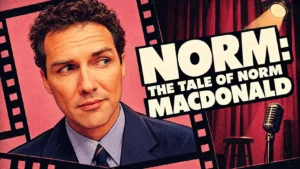
Choose Norm: The Tale of Norm MacDonald for pacing and ending satisfaction.
Scores are out of 5. Missing scores mean missing review evidence, not a missing feature.
The best passages connect personal memories with the routines they become. The film also considers the creative costs of exposing family life to an audience.
Two skeptical assessments find too little explanation of where the comedy came from or how its layered effects worked. The clips demonstrate the talent more readily than they unpack it.
The extended biography can drag, especially when the film becomes overstuffed and loses momentum near the end.
The archive moves briskly, and the most enthusiastic account finds it engaging throughout. There is room for both long-form comic misdirection and a gradual emotional turn.
The film offers a detailed, often intimate introduction to Bamford’s life and career. Familiar stories and a significant omission about her relationship limit its claim to be a definitive account.
The film covers the career and offers glimpses of family and illness, but its completeness divides opinion. Several critics find too little new information or reliable personal discovery beneath the tribute.
Bamford and the people closest to her provide revealing, sometimes awkwardly endearing interviews. Peer testimony often adds context, while the executive appearances range from insightful to less compelling.
The archive supplies revealing private fragments and affectionate testimony, but the absence of new interviews limits how far the portrait can probe. One critic also questions unexplained sourcing of later footage.
The archival assembly can be illuminating, but the chapter headings and restrained editing also draw criticism for making the biography feel basic.
Even some detractors credit the film’s curation and assembly. Admirers especially value the way conflicting accounts and comedy snippets create a coherent portrait.
The nearly two-hour length allows extensive detail, but some critics want a substantial trim. For a viewer unmoved by the comedy, the payoff does not justify the duration.
At roughly two hours, the film gives the routines room to breathe and saves time compared with an uncurated search. One critic finds that same length hard to justify when the material is already accessible.
The late clown-show section is criticized as underexplained and lacking momentum. Other praise favors the refusal to force her ongoing life into a tidy inspirational conclusion.
The closing movement is valued for tenderness and acceptance of unresolved contradictions. It can leave an emotional impression without fully explaining the man.
Candid conversations and access to Bamford’s private relationships provide some of the richest revelations. Her willingness to open up is repeatedly singled out as a strength.
Rare home videos offer welcome glimpses of farm life and immediate family. These private fragments are valued even by a critic who wants considerably more intimacy.
The film is praised for respecting Bamford’s agency and avoiding a simplistic childhood explanation for her career. One critic objects to familiar events being framed as fresh revelations.
Some appreciate the respect for Macdonald’s privacy and the acknowledgment that his stories cannot always be verified. Others object to brief treatment of controversies and the omission of serious allegations.
Several critics admire the way absurdity, vulnerability, sadness, and warmth coexist. The laughter often deepens rather than cancels the pain.
The most enthusiastic account praises how the film becomes vulnerable without surrendering its humor or smoothing away eccentricity. Comedy and melancholy develop together.
Vulnerability, family loss, and moments of reconciliation give the film considerable emotional force. Its repeated heaviness can also be exhausting.
Family footage, the final Letterman appearance, and tributes after Macdonald’s death give the comedy an affecting undertow. The strongest responses praise how unexpectedly tender the portrait becomes.
Its biography often follows a familiar documentary template, which some find dry or basic. Others value how it preserves the strangeness of Bamford’s actual performances.
The browsing conceit brings an unusual wrapper to familiar material. Opinions split between a successful formal experiment and a dated, easily replicated compilation.
The deaths of her parents bring painful emotional weight to the portrait. Humor offers a way to approach grief while preserving its seriousness.
The funeral footage gives friends’ admiration an affecting sense of loss. The farewell is praised as touching rather than empty praise.
Her sound effects, exaggerated voices, and distinctive routines stand apart from conventional stand-up. That inventiveness can also feel aggressively alternative and off-putting.
The challenging, experimental humor is admired for looking deceptively simple. Its originality stands out even in an otherwise critical assessment of the documentary.
The dark jokes, strange voices, and candid exchanges often produce delighted laughter. The humor remains highly personal in its appeal, with one critic finding much of it alienating.
The deadpan routines, O.J. jokes, and late-night appearances remain the film’s most dependable pleasure. Even critics disappointed by the documentary still find plenty to laugh at.
Performance archives give the life story useful context, especially when early routines and later work are arranged to show her progression. The balance with present-day observation also earns praise.
Classic talk-show appearances supply many of the biggest laughs, while rare home videos and early footage add discoveries. The last Letterman appearance and the Saget roast stand out as especially rewarding selections.
Her deft timing and distinctive delivery help turn vulnerability into compelling comedy.
Long pauses, precise repetition, and patient misdirection make familiar jokes land again. The performances show how much control sits beneath the deliberately casual delivery.
Apatow and Berkeley often assemble an empathetic portrait that lets the comedy speak for itself. The conventional presentation, muted style, and tendency to run long attract reservations.
Apatow earns praise for affection, restraint, and thoughtful curation. Detractors see a familiar compilation that needed more original reporting and a stronger reason to exist.
The film explores the relationship between suffering and creativity, acceptance and ambition, and artistic value versus audience size. Its strongest passages let the jokes and personal history complicate one another.
The gap between the public joker and the private man gives the film its richest questions. Reflections on mortality, faith, and self-sabotage can deepen familiar routines without resolving every contradiction.
Family relationships give the portrait warmth, conflict, and reconciliation. The strongest passages let relatives remain individuals with feelings beyond their role in the comedy.
Brief scenes with his mother and son reveal a gentler private side. Their scarcity can make these moments particularly moving.
Her self-deprecating revelations are admired for the courage beneath their apparent modesty.
His ability to make himself the target is admired as a kind of comic armor. The self-mockery helps preserve the unpredictability that made him so difficult to outmaneuver.
The portrait’s reach depends heavily on whether Bamford’s unusual comedy connects. Some viewers need time to adjust, while others remain unconvinced.
His elusive style requires a receptive wavelength, and the documentary does not automatically solve that barrier. The internet-style presentation also draws a complaint that it could alienate the audience most likely to care.
Her openness can make the portrait feel like spending time with someone familiar, creating an unusually friendly sense of connection.
The portrait reveals warmth, kindness, and charm beneath the evasive persona. A more skeptical response finds that same distance patronizing when the humor does not connect.
Giving the routines room to play helps explain her appeal better than testimonials alone. The selections still divide viewers who do not connect with her unusual style.
The final Letterman appearance and the Saget roast are singled out as standout sequences. They preserve both the unusual comic approach and the rare flashes of sincerity.
Most responses find the portrait engaging, particularly when its comic and emotional material connect. A dissenting critic finds it less satisfying than the other comedy documentaries in the same group.
The archive offers a rewarding stretch of comedy and, for many, unexpected tenderness. The weakest assessments find the laughs insufficient to sustain attention or justify a full documentary.
The muted visual treatment can suit an unvarnished subject, but it is also criticized for underserving the biographical passages.
The screenlife approach draws a strong objection for feeling ill matched to the subject. One critic finds the search-engine presentation alienating rather than illuminating.
Human audio description is explicitly appreciated by the blind critic, even though its execution disappoints. That approval concerns the human production choice rather than the overall quality of the description.
The familiar appearance of a Netflix executive can feel tiresome, even when an individual anecdote is entertaining.
The economic pressures around comedy and corporate support give the portrait an intentional critical angle on capitalism.
The film raises useful questions about turning relatives’ lives into material. Reconciliation and relatives’ mixed feelings give the privacy concerns real weight.
The limited presence of people of color draws criticism for suggesting a narrower reach than Macdonald’s comedy may actually have had.
Frank discussion of mental illness, medication, and distress is repeatedly valued for its candor. The strongest passages find humor without trivializing difficult experiences.
The heavy reliance on established hosts leaves other perspectives underused. The late arrival of additional voices is a particular frustration.
The final illness and farewell are praised for tenderness and restraint. The film can be moving without forcing a definitive revelation or manufacturing sentiment.
The family material explores how affection can coexist with misunderstanding, emotional hurt, and disagreement over private stories. Several critics find that complexity grounding and thoughtful.
The simulated internet rabbit hole is either a clever way to revisit a beloved comic or a distracting mismatch. Its value depends on whether curated remembrance feels like enough.
The deliberately gentle Bob Saget roast reveals affection beneath the anti-comedy. It becomes one of the clearest glimpses of the warmth behind Macdonald’s public mischief.
One enthusiastic response celebrates it as a sensational documentary portrait of a gifted performer.
The reflections on death leave a particular impression, giving the portrait something to linger on beyond its collection of jokes.
The portrait finds meaning in kindness, honesty, and turning difficult experiences into art. It also earns praise for allowing complexity without requiring a neat recovery lesson.
Using Macdonald’s own voice and a stream of clips suits his slippery persona for several critics. Others find the construction conventional beneath its internet-browsing surface.
The opening encounters offer humor, reassurance, and personal insight. Several responses single out these scenes as an especially touching or distinctive way into her story.
The final segment about a return to clown shows leaves important context unexplained.
The section on changing comedy culture is singled out as interesting. It adds context to the controversies without replacing the film’s central focus on the comedian.
The O.J. routines are praised as sharp observations on American culture. The Clinton conspiracy material receives a much colder assessment for turning provocation into sourness.
Women’s perspectives arrive too late for one critic, leaving much of the portrait dominated by familiar male hosts. Earlier involvement from those voices could have broadened the picture.
The chapters involving her partner provide warmth and some of the most rewarding personal material. Their connection also helps the portrait explore shared vulnerability.
The provocative material is often admired for its nerve and explosive laughs. Its refusal to compromise also comes with professional costs, and some examples strike a critic as thoughtless.
Skilled narrative assembly and an openness to unresolved experience earn praise. Basic chapter divisions and a conventional biographical framework can make the story feel less distinctive.
A response to the film values its frank inclusion of shared suicidal ideation within an account of personal connection.
The jokes are repeatedly praised for holding up beyond their original moment. The deadpan delivery and O.J. material still register strongly.
The jokes are praised for meticulous construction and distinctive writing talent. Their apparent casualness conceals the craft behind them.
The audio description draws criticism for identifying some celebrity speakers only generically. Its human production is appreciated, but the writing and identification work are judged incomplete.
The handling of contradictory life stories produces opposing reactions. One critic appreciates footage that disproves false claims, while another questions whether the tribute can serve as reliable biography.
Bamford’s candid presence and extraordinary shifts between voices are usually the film’s strongest assets. Her aggressively alternative style does not connect with every viewer.
Familiar routines remain rewarding because the pauses, timing, and commitment still work. Prior exposure need not diminish the pleasure of seeing the clips again.
The title’s paradox is admired as a fitting expression of her complicated relationship with hope and creative life.
Macdonald’s slippery self-narration feels like a fitting expression of his comic personality. Its contradictions can be an enjoyable part of the portrait rather than a puzzle neatly solved.

Choose this inventive, unsettling documentary for fearless questioning, dark humor, and unpredictable storytelling. Skip it if you want a short, straightforward exposé with definitive answers.
Pros: originality, humor

Extraordinary performances and richly observed relationships make this a rewarding, emotionally forceful drama. Its nearly three-hour length and slow opening demand patience and undivided attention.
Pros: class commentary, character development

Best for a hypnotic, bookish mystery with tactile visuals and cerebral chills. Skip it if reading-heavy, attention-demanding storytelling sounds more exhausting than exciting.
Pros: Atmosphere, cinematography
Cons: audience appeal

Best for an intimate, searching documentary that rewards focused attention and invites discussion. Skip it when devastating grief, addiction footage, and unresolved family tensions would be too much.
Pros: emotional impact, theme depth