Scorata scores summarize analyzed review evidence on a 1–5 scale; they are not laboratory measurements or a simple average of customer star ratings. Feature scores summarize the reviews covering that feature. The overall score averages feature scores within each review, then combines review averages. When both expert and customer evidence are available, those two groups receive equal weight. Products can have different review coverage, so small score gaps do not establish a winner.
Recommendations prioritize important features for the category, with a score of at least 3.5, a gap of at least 0.25 points and at least two supporting reviews per product. Features with widely varying scores or broad connectivity contexts are excluded from recommendations. These safeguards do not establish statistical significance.
Quick verdict
What each product is best for
The review evidence points to a tradeoff: sound design and lead performance versus creature design and originality. Choose according to which strengths matter more to you; the overall score alone does not settle that choice.
Choose Hokum for sound design and lead performance.
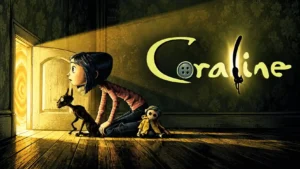
Choose Coraline for creature design and originality.
Why these recommendations?
Hokum
Where It Has the Edge
sound design is 4.8 vs 4.3. Moans, whispers, silence, and sounds from unseen spaces make the hotel feel threatening. The sound is one of...
lead performance is 4.5 vs 4.3. Scott’s restrained panic, sarcasm, and buried vulnerability carry the film for most viewers. A smaller group finds his...
Coraline
Where It Has the Edge
creature design is 5.0 vs 4.1. The supernatural designs combine inviting whimsy with menace. The Other Mother’s final monster form is especially admired for...
originality is 4.5 vs 4.0. Inventive imagery, button eyes, and a handmade fantasy world make a familiar portal story feel distinctive. A minority...
world-building is 4.8 vs 4.3. The two related worlds feel simultaneously familiar and distinct, with enticing details that acquire darker meanings. The physical...
Hokum4.1 overall score
Coraline4.2 overall score
Compare features
Scores are out of 5. Missing scores mean missing review evidence, not a missing feature.
Scored on both products
Other features
Family relationships
Hokum
4.5
The ending’s treatment of inherited family pain receives particular praise. The symbolic resolution gives emotional meaning to the relationships shaping the protagonist.
Coraline
2.3
The parent-child bond is a major dividing point. Small reconciliations feel sincere to some, while others need more affection and context to care about the family’s reunion.
Family dynamics
Hokum
4.5
The ending’s generational-trauma symbolism receives strong praise. It connects the protagonist’s present to the damage inherited from his family.
Coraline
2.9
Busy, flawed parents make the family feel recognizable to some viewers. Others find the neglect too harsh, the real mother insufficiently sympathetic, or the family’s eventual warmth unearned.
Editing quality
Hokum
4.5
The editing supports the film’s visual craft and, in its strongest sequences, coordinates precisely with sound and design. That timing helps familiar scare setups retain their impact.
Coraline
3.0
Editing divides the two direct assessments: one finds it well done, while another sees a choppy string of loosely assembled vignettes. The criticism is tied to repeated movement between worlds.
Villain quality
Hokum
3.5
The human villain is effectively loathsome in one account. Another finds the variety of supernatural entities dilutes the opposing force rather than strengthening it.
Coraline
4.9
The Other Mother stands out through manipulative warmth that hardens into possessive menace. Her evolving design and coercive affection make her a favorite villain for several writers.
Ensemble balance
Hokum
3.8
Assessments split on the supporting roles: some find every small part purposeful, while another feels too many characters receive equal importance at once. The compact cast can feel either sufficient or cluttered depending on how those introductions land.
Coraline
5.0
The supporting players can feel purposeful rather than disposable, contributing to an interconnected story. Their encounters have a clear place in the fantasy’s progression.
Realism
Hokum
3.6
Practical, rational reactions are a welcome surprise for many horror viewers. Others point to escape decisions and convenient actions that seem designed to prolong the danger.
Coraline
4.6
The tactile world and recognizably imperfect childhood behavior make the fantasy feel grounded. Viewers particularly value the credible loneliness beneath the exaggerated designs.
Blu-ray video quality
Hokum
3.5
The reviewed AVC HD image has natural skin tones and a convincing ominous look. Some softness prevents this transfer from matching the strongest praise given to the UHD presentation.
Coraline
4.5
The refreshed Blu-ray video is praised for making the detailed visuals pop. The positive assessment specifically credits the improved bitrate.
Packaging quality
Hokum
4.0
The glossy slipcover is a welcome touch on an otherwise standard presentation. The packaging is appreciated without being treated as a standout collector design.
Coraline
5.0
The Steelbook packaging is praised as a particularly attractive part of the 4K release. Its presentation adds appeal alongside the restoration.
Plot clarity
Hokum
3.5
The blend of memory, hallucination, folklore, and crime can feel rewarding and coherent. It also produces some of the sharpest disagreement, from praise for audience trust to frustration with opacity and overcrowding.
Coraline
2.5
A few unresolved motivations and convenient story rules leave questions. Some viewers feel they must supply missing context to make Coraline’s choices convincing.
Writing quality
Hokum
3.6
The best responses praise a script that connects clues, develops a difficult lead, and trusts the audience. The recurring criticism is too many threads followed by clunky explanation or underdeveloped connections.
Coraline
4.5
Visual details, layered motifs, and largely unspoken lessons are frequent writing strengths. Criticism focuses on transparent exposition, shallow characterization, and a heroine who can remain difficult to like.
Character development
Hokum
3.9
Many viewers value the gradual shift from hostility to understandable pain and eventual growth. Detractors find the lead’s past underdeveloped, the supporting connections flat, or the changes insufficiently earned.
Coraline
2.9
The heroine’s shift toward gratitude and concern for others works well for many viewers. Others find her arc thin, her parents underdeveloped, or the adaptation too willing to let others solve her problems.
Score quality
Hokum
3.6
The music can deepen the dread with haunting textures and voices. It is also repeatedly criticized as overbearing, emotionally pushy, or less memorable than the rest of the craft.
Coraline
4.6
The haunting choral textures and unusual instrumentation usually strengthen both wonder and dread. One dissenting view finds the score bombastic and too prominent.
Story quality
Hokum
3.4
The combination of a damaged writer, a disappearance, and supernatural folklore gives many viewers a compelling layered story. Others find a collection of strong ideas that never fully connects.
Coraline
4.3
The cautionary fairy tale is widely enjoyed for its imagination and mounting danger. Reservations concern a simple underlying arc, episodic structure, and spectacle sometimes taking priority over emotional substance.
Humor
Hokum
4.3
Dry insults, eccentric hotel characters, and the goat jokes provide recurring laughs. The humor usually adds humanity without dissolving the threatening mood.
Coraline
3.4
Dark jokes and the cat’s dry presence have clear fans. The supporting characters’ comedy is less dependable, ranging from entertaining to completely ineffective for different viewers.
Theme depth
Hokum
3.8
Guilt, authorship, grief, and self-forgiveness give the horror a human purpose. The debate is whether those layers meaningfully deepen the film or become too familiar and overexplained.
Coraline
4.7
Perspective, temptation, independence, and childhood vulnerability give the simple fairy-tale outline substantial interpretive depth. Several viewers find more beneath the surface on reflection.
Runtime
Hokum
2.7
The length is easier to accept when the slow buildup holds attention. A few accounts would trim the framing material or find the overall experience overlong.
Coraline
3.5
The leisurely length is either part of the film’s charm or a test of engagement. One devoted admirer enjoys every frame, while another loses interest before the end.
Bonus features
Hokum
3.8
The commentary and compact making-of offer useful insight into casting, design, and production. Enthusiasm for their substance is tempered by a complaint that the overall selection is limited.
Coraline
4.5
New character and puppet features join storyboards and older making-of material. The additions are welcomed as useful ways to revisit the craft behind the film.
Message quality
Hokum
5.0
The self-forgiveness message is valued for turning a bleak story toward healing. It gives the character’s eventual selflessness a surprising emotional payoff.
Coraline
4.3
Gratitude, perspective, courage, and looking beyond attractive surfaces give the story much of its appeal. Two faith-oriented critiques instead find its choices selfish or spiritually empty.
Mystery quality
Hokum
3.8
The missing-person investigation gives the haunting an engaging second engine for many viewers. Others find the mystery too simple, too obscure, or an interruption just as the horror gathers momentum.
Coraline
4.5
The Other Mother’s unexplained origins preserve a sense of mystery. Leaving that riddle open is valued for sustaining both fascination and fear.
Originality
Hokum
4.0
The film uses familiar Gothic and haunted-hotel ingredients. Admirers find the arrangement fresh and personal; critics see derivative devices or a more conventional step toward Hollywood horror.
Coraline
4.5
Inventive imagery, button eyes, and a handmade fantasy world make a familiar portal story feel distinctive. A minority see an old Alice-like premise beneath the visual invention.
Ending satisfaction
Hokum
4.0
The hopeful epilogue is a major strength for many, providing an earned answer to the protagonist’s bleak outlook. Others find the final act tangled, overexplained, too easy, or weakened by its last revelations.
Coraline
3.4
The final struggle and imperfect return to ordinary life satisfy many viewers. The extra hand attack and Wybie’s rescue also draw complaints about an unnecessary extension and reduced agency for Coraline.
Dialogue quality
Hokum
3.3
One account finds the conversations natural and unforced. Another objects to characters announcing information that should have been more convincingly established.
Coraline
2.8
The dialogue ranges from reasonably good to frustratingly obvious. Wybie’s exposition attracts criticism for stopping the story to announce information.
Tonal consistency
Hokum
3.9
Many enjoy the combination of dry comedy, supernatural fear, psychological pain, and crime mystery. Others feel those modes compete or accumulate without enough integration.
Coraline
4.4
Whimsy, unsettling imagery, and playful humor usually reinforce one another. Some find Wybie intrusive or the balance between children’s fantasy and horror less secure.
Genre satisfaction
Hokum
4.2
The prevailing view finds a strong supernatural ghost story with memorable fright sequences. Dissenters consider it less frightening or less coherent than its reputation suggests.
Coraline
4.6
The blend of frightening fairy tale, portal fantasy, and child-led adventure is usually highly satisfying. Familiar story patterns and less-than-expected scariness temper a few genre responses.
Survival problem-solving
Hokum
4.0
The dumbwaiter and other escape mechanisms give the film inventive practical problems. Many appreciate a resourceful protagonist, while a dissenting review finds his repeated choices frustratingly foolish.
Coraline
4.3
Coraline’s observation, improvisation, and willingness to outsmart the threat are widely admired. A book comparison criticizes the film for handing some of her independent solutions to other characters.
Directing quality
Hokum
4.4
McCarthy’s command of space, anticipation, and disturbing reveals earns strong praise. The recurring reservation is that his assured set pieces deserve a more focused script.
Coraline
4.7
Selick’s control of stop-motion, framing, and the relationship between spectacle and story earns strong praise. His creative choices are generally admired even in reviews with narrative reservations.
Cinematography
Hokum
4.6
Controlled compositions, reflections, and negative space turn the hotel into a visual trap. The photography is among the most consistently admired elements, including in reviews that dislike the story.
Coraline
4.9
Playful angles, mobile framing, and the urgent tunnel shots give the film an unusually cinematic feel for stop-motion. The camera work is praised for exploring the sets rather than merely recording them.
Pacing
Hokum
3.2
The deliberate buildup works for many when it leads into the suite’s sustained tension. Common complaints concern a slow opening, overlong exposition, and interruptions that scatter momentum.
Coraline
3.5
The unhurried buildup lets the fantasy become seductive and the suspense accumulate. Others find the opening slow, the detours indulgent, or the final search slightly drawn out.
Emotional impact
Hokum
4.0
The strongest responses find a touching human journey beneath the fear. More skeptical viewers feel the childhood material or late catharsis arrives too abruptly or pushes sentiment too hard.
Coraline
3.7
Loneliness, childhood powerlessness, and Coraline’s missing parents can be deeply affecting. Some viewers remain emotionally distant and find the visual world more engaging than its inhabitants.
Casting quality
Hokum
4.6
Scott is repeatedly viewed as an especially effective choice for the abrasive writer. His familiar comic persona gives the bitter character an immediate draw while allowing a darker performance.
Coraline
4.8
The casting is praised for matching distinctive voices to eccentric roles. Fanning’s fit as Coraline and the ensemble’s convincing delivery are recurring strengths.
Plot twists
Hokum
4.3
Misdirection and early disclosures keep several viewers pleasantly off balance. Others find the turns predictable or clever without making the characters and story more satisfying.
Coraline
4.5
The strange details and gradual revelation make developments satisfying for attentive viewers. Foreshadowing gains additional meaning when the story’s darker purpose becomes clear.
4K video quality
Hokum
4.7
The UHD presentation usually earns praise for fine texture, deep shadows, and clear detail in the dark hotel. The strongest accounts find the image rich and immersive without losing its filmic look.
Coraline
4.5
The new 4K restoration is presented as the home release’s main attraction. The assessment emphasizes the image’s depth rather than offering an extensive technical breakdown.
Animal presence
Hokum
4.5
The goat-related running joke earns a genuine laugh. Their appearances add effective comic relief to the sinister hotel setting.
Coraline
4.4
The helpful, dryly charismatic cat is a frequent favorite. The stuffed dogs are more divisive, supplying memorable creepiness that one writer finds pointless.
Friendship portrayal
Hokum
4.4
Connections with Fiona, Jerry, and eventually Alby provide welcome human warmth. These bonds ground the investigation and make the movement toward hope more convincing.
Coraline
4.5
Coraline’s prickly companionship with the cat and her growing connection with Wybie add warmth without making every interaction easy. Other Wybie’s genuine concern is a particular highlight.
Suspense
Hokum
4.6
The strongest sequences stretch uncertainty until a reveal becomes almost unbearable. Story interruptions and slow stretches weaken that hold for the more skeptical viewers.
Coraline
4.5
The gradual loss of safety and the Other Mother’s pursuit create strong tension. A few viewers find the leisurely storytelling less urgent than the premise suggests.
Atmosphere
Hokum
4.7
The creaking hotel, dim corridors, and decaying rooms create the film’s most consistent strength. Even several dissatisfied critics admire the oppressive mood, although some feel the crowded plot interrupts it.
Coraline
4.7
A dreamlike mix of domestic gloom, colorful temptation, and persistent unease gives the film its identity. The atmosphere often keeps viewers engaged even when the pace feels slow.
Scares
Hokum
4.4
Patient anticipation and carefully timed reveals earn widespread praise, often from viewers skeptical of jump scares. The dissent focuses on generic shocks, repetition, and moments that feel more commercial than unsettling.
Coraline
4.4
Creeping unease and the Other Mother’s transformation make this unusually frightening animation. Most praise the scares, while some find the material excessive for children and a few want stronger horror.
Cultural representation
Hokum
4.5
Irish folklore and small local details give the setting a convincing identity. Positive responses particularly value references that feel native to the story rather than generic decoration.
Coraline
4.5
The Russian circus performer is praised as an endearing positive portrayal. That response values his charm rather than treating the accent or nationality alone as a strength.
Performance
Marketing accuracy
Hokum
3.4
Expectations vary sharply: some find the film fulfills its hype, while others warn that the promotion overemphasizes the witch or mascot. Its murder mystery and psychological story occupy more space than a straightforward creature-horror pitch suggests.
Coraline
4.5
The dark tone is considered an honest delivery of what the promotion promises. The film is praised for following through without softening its identity.
Lead performance
Hokum
4.5
Scott’s restrained panic, sarcasm, and buried vulnerability carry the film for most viewers. A smaller group finds his delivery flat, the opening unconvincing, or the pain less accessible than expected.
Coraline
4.3
Dakota Fanning generally makes Coraline’s curiosity, stubbornness, and courage convincing. A small minority find her voice unendearing or the performance mediocre.
Supporting cast performance
Hokum
4.5
The supporting ensemble usually earns praise for warmth, tension, and understated comic relief. The side characters help populate the hotel with distinct, memorable personalities.
Coraline
4.6
The supporting voices give the eccentric neighbors and cat considerable charm. Hatcher’s dual maternal performance and David’s cat receive especially enthusiastic praise.
Acting performance
Hokum
4.5
The performances are widely praised, especially Scott’s ability to carry long solitary stretches. A minority find his early delivery flat or emotionally distant, keeping the acting consensus from being unanimous.
Coraline
4.6
The voice ensemble is usually praised for fitting the stylized characters and adding personality. Fanning and Hatcher draw the clearest dissent in a few otherwise favorable assessments.
Blu-ray audio quality
Hokum
4.5
The audio generally impresses with enveloping ambience, full-bodied effects, and distinct dialogue. A more reserved assessment finds the mix front-heavy and less memorable than the most enthusiastic accounts suggest.
Coraline
4.5
The returning Dolby 5.1 DTS track is praised for sounding great. The assessment is favorable without a detailed comparison of individual channels or effects.
Comfort and build
Creature design
Hokum
4.1
The witch and disturbing children’s-show mascot leave strong impressions for many viewers. Others find the full witch reveal silly or the recurring mascot imagery repetitive and commercial.
Coraline
5.0
The supernatural designs combine inviting whimsy with menace. The Other Mother’s final monster form is especially admired for its creativity and frightening silhouette.
World-building
Hokum
4.3
The hotel suggests layers of history, local folklore, and stories beyond the central mystery. Enthusiasm for that richness is tempered by complaints that the witch mythology could be explored more fully.
Coraline
4.8
The two related worlds feel simultaneously familiar and distinct, with enticing details that acquire darker meanings. The physical construction makes the fantasy especially immersive.
Sound design
Hokum
4.8
Moans, whispers, silence, and sounds from unseen spaces make the hotel feel threatening. The sound is one of the most consistently praised elements and can remain effective even when the narrative disappoints.
Coraline
4.3
Whispers, echoes, offbeat textures, and purposeful silence intensify the eerie mood. The sound design is praised for making small movements and spaces feel significant.
Character design
Hokum
4.3
The protagonist’s symbolic name, glasses, and detective-like coat are appreciated as purposeful character details. Reflections in the lenses also give the visual storytelling another tool.
Coraline
4.5
Expressive shapes and the Other Mother’s changing form are frequent highlights. The exaggerated older neighbors divide viewers, with some finding them brilliantly distinctive and others visually out of place.
Visual style
Hokum
4.6
Gothic textures, earthy colors, and carefully constructed unsettling images are frequent strengths. Even a restrained assessment finds the film’s visual presentation solid.
Coraline
4.8
The contrast between gray reality and the seductive, colorful Other World is a major attraction. Gothic detail and imaginative compositions earn unusually consistent praise.
Production design
Hokum
4.7
The decaying suite, odd props, service mechanisms, and cramped passages give the hotel a convincing presence. Design details do narrative work as well as creating unease.
Coraline
4.7
Miniature rooms, a luminous garden, and the Other World’s decaying attractions reward close attention. One criticism is that some real-world backgrounds feel too empty beside the denser fantasy settings.
Ownership and support
Entertainment value
Hokum
3.8
Most accounts describe a rewarding, often lively horror outing despite flaws. The minority view finds the slow, scattered story too tedious or empty to enjoy.
Coraline
4.4
The imaginative spectacle and sinister final act make the film absorbing and fun for most. Slow passages and difficulty caring about the central characters limit enjoyment for a minority.
Rewatch value
Hokum
4.7
The layered setting and persistent scares give several viewers good reasons to return. Some have already found the jump scares and atmosphere effective across repeat viewings.
Coraline
4.8
Repeat viewers often find the imagery durable and the details increasingly rewarding. Several express enthusiasm for returning, including one whose appreciation grew substantially in adulthood.
Controls and connectivity
Character appeal
Hokum
3.4
The caustic protagonist divides viewers: many stay invested beneath his hostility, while others never warm to him. Colorful supporting personalities often supply a more immediate point of connection.
Coraline
3.7
Coraline’s imperfect personality and the helpful cat win many admirers, but her hostility can also block sympathy. Wybie and the eccentric neighbors provoke similarly divided responses.
Audience appeal
Hokum
4.3
Supplied reception reports and one assessment of accessible storytelling suggest appeal beyond a very narrow horror niche. The positive audience response is reported within the supplied material rather than treated as a new live tally.
Coraline
4.2
Its blend of adult interest and children’s fantasy can reach a broad audience. The pronounced weirdness remains a barrier for viewers who cannot settle into its unusual world.
Evidence available for one product
Other features
3D presentation
HokumNo score yet
Coraline
4.4
The intended 3D usually deepens the sets and supports the contrast between worlds rather than relying on pop-out tricks. Dimmer images, conspicuous technique, and discomfort with glasses temper some responses.
Action sequence quality
HokumNo score yet
Coraline
4.4
The final encounters and web escape provide much of the excitement. The quest-like structure is often enjoyed, although one audience response finds the action insufficiently involving.
Animation quality
HokumNo score yet
Coraline
4.9
The detailed, fluid stop-motion is the clearest point of agreement. Even viewers who dislike the characters or pacing regularly admire the animation’s ambition and execution.
Behind-the-scenes access
HokumNo score yet
Coraline
4.5
The Blu-ray’s storyboard presentation provides a welcome look at how the film came together. The surrounding extras extend that access to the animation and puppets.
Cast chemistry
Hokum
4.5
The unlikely partnership between Ohm and Jerry feels natural and enjoyable. Their contrasting personalities make the shared investigation more engaging.
CoralineNo score yet
CGI quality
Hokum
2.0
The digital demons weaken the menace for one viewer, making the late supernatural imagery feel awkward rather than frightening.
CoralineNo score yet
Character screen time
Hokum
2.5
The hotel owner leaves some viewers wanting another scene or two. His early promise suggests a richer character than the film ultimately explores.
CoralineNo score yet
Child abuse portrayal
HokumNo score yet
Coraline
4.8
The treatment of neglect, manipulation, and childhood vulnerability is praised for empathy and honesty. The strongest positive reading values the heroine’s agency without implying that suffering was good for her.
Classic cinema references
Hokum
4.3
The familiar haunted-hotel influences generally feel absorbed into a distinctive vision. Admirers enjoy the echoes without feeling the film simply repeats its predecessors.
CoralineNo score yet
Consent and relationship ethics
HokumNo score yet
Coraline
1.0
One critique sees the relationships as dominated by abusive control and unequal treatment. That reading strongly rejects the behavior the film appears to validate.
Creative collaboration
Hokum
5.0
The director and cinematographer are praised as an especially effective team. Their collaboration produces images that retain beauty and clarity while building fear.
CoralineNo score yet
Creative process insight
HokumNo score yet
Coraline
4.5
The feature-length storyboards are valued for showing how the finished film was assembled. They make the relationship between planning, audio, and final images enjoyable to explore.
Dialogue clarity
Hokum
4.5
Disc accounts praise clean, distinct speech even when the soundscape grows eerie. Dialogue remains intelligible within the surrounding ambience and score.
CoralineNo score yet
Drug and alcohol portrayal
Hokum
4.0
The incorporation of psilocybin earns praise for connecting psychological fear with supernatural experience. The favorable judgment concerns its storytelling function rather than the behavior itself.
CoralineNo score yet
Ethical handling of deaths
Hokum
4.5
Positive responses appreciate that victims retain human significance. Their deaths carry emotional and moral consequences rather than functioning solely as scare devices.
CoralineNo score yet
Faithfulness to source material
HokumNo score yet
Coraline
3.7
The adaptation preserves the core premise while expanding the visual world and changing Coraline’s support network. Readers differ over whether those choices enrich the film or weaken the book’s isolation and self-reliance.
Family friendliness
HokumNo score yet
Coraline
3.4
Several writers admire the combination of adult appeal and children’s adventure. Others reject the frightening or revealing material as inappropriate for family entertainment.
Fatherhood portrayal
HokumNo score yet
Coraline
2.5
The father’s bond with Coraline is criticized as too generic and thinly shown. That lack of connection weakens the emotional reason for wanting the family restored.
Film framing
Hokum
5.0
Split compositions and negative space are praised for directing attention and suggesting unseen threats. Different information on opposite sides of the image keeps the frame actively unsettling.
CoralineNo score yet
Grief portrayal
Hokum
3.8
Grief and guilt give the haunting an emotional foundation that many find moving. Others see the themes as familiar, too explicit, or less nuanced than the frightening images deserve.
CoralineNo score yet
Hairstyling
HokumNo score yet
Coraline
4.8
The heroine’s hair is admired for its animated execution and distinctive color. The bright blue design helps her stand out in the drab real world.
Lighting quality
Hokum
4.2
Many praise the controlled darkness for revealing just enough to fuel dread. Visibility remains divisive, with some finding the images beautifully legible and others straining to see important detail.
CoralineNo score yet
Opening sequence quality
HokumNo score yet
Coraline
4.5
The doll-making credits establish beauty and unease immediately. Their sinister hands and sewing imagery prepare viewers for the later button-eye threat.
Portrayal of women
HokumNo score yet
Coraline
1.0
A strongly dissenting critique finds the women’s behavior and exaggerated stage imagery misogynistic. Its objection is to the portrayal’s implications and effect.
Practical effects quality
HokumNo score yet
Coraline
4.9
Tangible puppets, miniature sets, and laborious frame-by-frame movement give the fantasy unusual physical presence. One admirer misses the visible imperfections removed by digital cleanup.
Religious messaging
HokumNo score yet
Coraline
1.3
Two religious critiques object to casual witchcraft and what they perceive as an empty or rebellious moral universe. Their disapproval centers on the framing of the story’s values.
Sexual content level
HokumNo score yet
Coraline
2.1
The burlesque scene is the main point of dispute, drawing amusement from some and disgust or discomfort from others. Critics of the scene consider its revealing costumes and exaggerated bodies unnecessary.
Special effects quality
HokumNo score yet
Coraline
5.0
The practical effects and ghost imagery are praised for achieving striking results. Their tactile or deceptively simple execution helps make the strange world persuasive.
Suicide portrayal
Hokum
2.5
One viewer wants more preparation for the suicidal crisis and more space afterward to understand the response to being saved. The abruptness limits the emotional development of this pivotal event.
CoralineNo score yet
Violence level
HokumNo score yet
Coraline
1.5
One strongly negative critique objects to the haunted-house violence as inappropriate children’s entertainment. The concern is its effect within a film aimed at a young audience.
Controls and connectivity
Age appropriateness
HokumNo score yet
Coraline
2.4
The child-friendly label needs qualification because the imagery and peril can be unusually intense. One writer recommends roughly nine and up, while others are substantially more cautious.
Critic appeal
Hokum
4.5
The supplied reception report describes broadly favorable critical approval. Its emphasis is on the lead performance, suspense, and folklore-driven horror.
CoralineNo score yet
Nostalgia appeal
HokumNo score yet
Coraline
4.3
The handmade world can reconnect adult viewers with childhood imagination and miniature play. The nostalgia comes from that personal response rather than familiarity with the film alone.
Title appeal
Hokum
3.7
Admirers find the title playful and apt for a story built on disbelief and misdirection. One strongly negative review treats it as an accurate label for pretentious nonsense.
CoralineNo score yet
Performance
Atmos audio quality
Hokum
4.5
One disc account praises an immersive Atmos mix that complements the Gothic presentation. Other disc discussions describe 5.1 audio, so the praise for Atmos comes from a single account.
CoralineNo score yet
Live performance sequences
HokumNo score yet
Coraline
3.0
The supporting musical sequences can feel too long and unnecessary. Their spectacle does not fully justify the interruption for the viewer who directly criticizes them.
Monster visibility
Hokum
3.3
Limited exposure is praised for preserving menace, especially in the brief mascot scenes. Other viewers want more witch material, while one feels showing her too clearly drains the fear.
CoralineNo score yet
Soundtrack quality
HokumNo score yet
Coraline
4.5
The Other Father’s song is a standout for its catchy tune, vocal match, and hidden foreshadowing. The limited songs generally fit the story without turning it into a conventional musical.
Ownership and support
Production value
HokumNo score yet
Coraline
4.8
The intricate sets, puppets, and abundance of detail make the production feel unusually polished and substantial. The handmade realization is repeatedly admired for the care invested in it.
Value for money
Hokum
4.5
One reviewer explicitly recommends a full-price evening ticket. The film’s fun and theatrical atmosphere justify that expense for them.
Choose this inventive, unsettling documentary for fearless questioning, dark humor, and unpredictable storytelling. Skip it if you want a short, straightforward exposé with definitive answers.
Extraordinary performances and richly observed relationships make this a rewarding, emotionally forceful drama. Its nearly three-hour length and slow opening demand patience and undivided attention.
Best for a hypnotic, bookish mystery with tactile visuals and cerebral chills. Skip it if reading-heavy, attention-demanding storytelling sounds more exhausting than exciting.
Best for an intimate, searching documentary that rewards focused attention and invites discussion. Skip it when devastating grief, addiction footage, and unresolved family tensions would be too much.