Scorata scores summarize analyzed review evidence on a 1–5 scale; they are not laboratory measurements or a simple average of customer star ratings. Feature scores summarize the reviews covering that feature. The overall score averages feature scores within each review, then combines review averages. When both expert and customer evidence are available, those two groups receive equal weight. Products can have different review coverage, so small score gaps do not establish a winner.
Recommendations prioritize important features for the category, with a score of at least 3.5, a gap of at least 0.25 points and at least two supporting reviews per product. Features with widely varying scores or broad connectivity contexts are excluded from recommendations. These safeguards do not establish statistical significance.
Quick verdict
What each product is best for
The review evidence points to a tradeoff: lead performance and film framing versus score quality. Choose according to which strengths matter more to you; the overall score alone does not settle that choice.
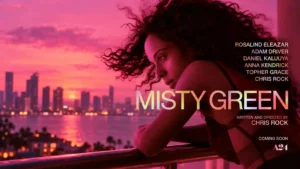
Choose Misty Green for lead performance and film framing.
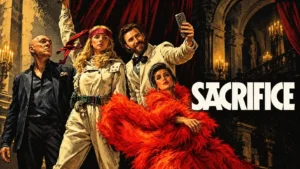
Choose Sacrifice for score quality.
Why these recommendations?
Misty Green
Where It Has the Edge
lead performance is 4.9 vs 4.3. Eleazar commands attention through abrupt emotional shifts, vulnerable singing, and a refusal to soften Misty’s rough edges. Her...
film framing is 5.0 vs 4.5. Precise blocking and patient framing let faces and body language carry emotion. These choices work especially well when...
Sacrifice
Where It Has the Edge
score quality is 4.5 vs 4.0. The powerful score and ominous choral music help heighten the apocalyptic scale and dread.
Misty Green3.5 overall score
Sacrifice2.8 overall score
Compare features
Scores are out of 5. Missing scores mean missing review evidence, not a missing feature.
Scored on both products
Other features
Editing quality
Misty Green
2.5
The opening montage and some later transitions earn praise, and one assessment values cutting that mirrors Misty’s angular personality. More often, critics complain about visible seams, interrupted dialogue, or repetitive flashbacks.
Sacrifice
5.0
The editing’s musicality helps the images and performance sequences flow with exceptional expressive force.
Realism
Misty Green
3.7
Small self-destructive choices and transactional industry relationships often feel credible. The piling up of crises and caricatured supporting characters can push the story beyond belief.
Sacrifice
1.5
The planned helicopter rescue is criticized for ignoring the obvious practical threat from armed cult members.
Sexual content level
Misty Green
1.8
The Dubai transaction divides viewers: some see a dark test of survival and compromise, while others find its degradation excessive or poorly examined. Repeated erotic detours can also weaken the central journey.
Sacrifice
4.0
Gloria’s revealing presentation earns a positive response from one viewer.
Genre satisfaction
Misty Green
4.5
The Hollywood character drama offers an unusually forceful lead and, for some, sensitive industry observation. Its uneven surrounding story keeps the genre payoff from feeling consistent.
Sacrifice
2.5
Dark-comedy fans receive a qualified recommendation from one admirer, but other assessments find the film ineffective as satire and wish it had committed to a straighter dramatic approach.
Casting quality
Misty Green
3.0
Casting Eleazar is widely treated as the film’s best decision. Kendrick and Driver attract occasional miscasting complaints despite other critics enjoying their performances.
Sacrifice
4.8
Evans fits the fallen movie star particularly well, and Cassel makes a natural smug billionaire. Malkovich and Taylor-Joy also make a convincing father-daughter casting choice.
Emotional impact
Misty Green
4.3
The singing scenes and Kaluuya’s brother can be intensely moving, with several viewers describing tears or lasting feelings. Others find the emotional construction frustrating or the racial degradation distressing.
Sacrifice
2.7
The conclusion and larger sense of despair resonate powerfully for some. Others find the characters too superficial, or the attempted vulnerability too weak, to sustain emotional investment.
Accent authenticity
Misty Green
3.5
Eleazar’s American accent is praised as convincing. Kaluuya’s accent attracts one complaint about inconsistent commitment.
Sacrifice
2.0
The mad scientist’s accent is difficult to decipher, making an already eccentric cameo harder to follow.
Drama quality
Misty Green
3.5
The strongest drama comes from sensitive observation and Eleazar’s emotional detail. Rock’s handling can also feel heavy-handed, especially as the story approaches its final act.
Sacrifice
2.0
The serious material does not work well enough to compensate for the weak comedy.
Celebrity cameos
Misty Green
4.8
Ice-T’s cameo is singled out as especially funny. Other recognizable appearances and name drops supply enjoyable moments of surprise.
Sacrifice
3.3
The cameos help sustain curiosity, but the musical guest appearance divides opinion sharply between scene-stealing fun and cringe.
Film-industry satire
Misty Green
3.6
The film exposes transactional friendships, celebrity privilege, and the humiliations of seeking work in Hollywood. Some call it a sharp insider portrait; others see familiar clichés and a smug critique that misses its targets.
Sacrifice
2.2
The mockery of Hollywood activism has occasional bite. More often, it feels like an easy inside joke that does not examine its own celebrity privilege deeply enough.
Runtime
Misty Green
2.0
The length feels stretched by a brother subplot and the Dubai detour. Trimming peripheral incidents could make the central character study more concentrated.
Sacrifice
3.3
The roughly 100-minute length keeps the film relatively compact and watchable. One critic instead wishes it were longer so the ideas and characters could develop fully.
Humor
Misty Green
3.5
Industry jokes, caustic exchanges, and Ice-T’s cameo provide memorable laughs. Repetition, standup interruptions, and troubling joke targets keep the comedy from landing equally well for everyone.
Sacrifice
2.6
Evans supplies the most reliable laughs, particularly when Mike mistakes danger for attention. Beyond those moments, the comedy is widely criticized as obvious, strained or flat.
Writing quality
Misty Green
2.4
The screenplay contains lively industry banter and ambitious ideas about success and self-respect. Its many subplots, thin supporting roles, and uneven construction draw persistent criticism.
Sacrifice
1.5
The script has occasional funny, revealing moments for Mike. Much of the criticism concerns thin characters, strained dialogue and ideas that never form a coherent argument.
Character development
Misty Green
3.4
Misty becomes a vivid bundle of talent, pride, vulnerability, and self-sabotage through Eleazar’s work. Supporting characters and fragmented backstory often feel thinner or too dependent on moving her plot forward.
Sacrifice
2.7
Mike’s insecurities occasionally support a compelling character study, and Joan’s upbringing adds conviction. More often, the central figures are criticized as thin archetypes with underdeveloped motivations.
Portrayal of women
Misty Green
1.4
The difficult female lead earns admiration for resisting easy likability. A substantial set of critics objects to stereotypes, moralizing, and a gaze that seems harsher on women than on their male counterparts.
Sacrifice
2.0
The treatment of Joan draws criticism for framing a radical woman as a threat that must ultimately be contained by patriarchal authority.
Cast chemistry
Misty Green
4.6
Eleazar and Rock have palpable chemistry for several critics, and the wider cast often plays well against her. The brother’s confrontation with the police officer also earns praise for its charged interaction.
Sacrifice
4.0
Mike and Joan work as contrasting figures on an unexpected shared journey, even though neither is richly detailed.
Pacing
Misty Green
2.3
Some find the film frenetic or kept moving by its editing. Others point to meandering scenes, stalled momentum, and comic interruptions that interfere with the central story.
Sacrifice
1.7
The opening has energy, but cult exposition, repetitive arguments and a sagging second half frequently drain momentum. One assessment instead finds Mike’s arc takes too long to become interesting.
Theme depth
Misty Green
2.9
Ideas about artistic identity, money, compromise, and forgiveness give the film plenty to consider. Its wider social agenda sometimes feels insightful and sometimes too scattered or familiar to develop fully.
Sacrifice
2.4
The existential character study and religious imagery have passionate defenders. The more common complaint is that climate, celebrity and activism ideas are introduced without sufficient depth.
Film framing
Misty Green
5.0
Precise blocking and patient framing let faces and body language carry emotion. These choices work especially well when the film trusts the actors to communicate without explanation.
Sacrifice
4.5
Careful framing turns architecture and landscape into visual commentary on ego and grandiosity. Several shots add meaning beyond their surface beauty.
Score quality
Misty Green
4.0
Marcus Miller’s music is praised for nuance, range, and a cool urban feel. Its underscoring helps build tension and adds softness to difficult moments.
Sacrifice
4.5
The powerful score and ominous choral music help heighten the apocalyptic scale and dread.
Directing quality
Misty Green
3.2
Rock supplies moments of visual energy, intimate observation, and effective performance direction. Critics divide over whether that growth outweighs self-indulgent monologues and scattered storytelling.
Sacrifice
2.7
Gavras’s eye for spectacle and expressive framing earns substantial admiration. His control of story, tone and meaning proves much more contentious.
Atmosphere
Misty Green
4.1
Glittering Los Angeles is framed as a dark, transactional world with melancholy under its humor. The film also retains a quirky lightness that some find distinctive.
Sacrifice
3.7
Epic volcanic landscapes can feel transporting and ominous. The same somber approach also strikes one critic as a downer that smothers the comedy.
Tonal consistency
Misty Green
2.2
Comedy, grim social drama, and sexual degradation do not blend smoothly for many critics. A few appreciate the melancholy beneath the jokes and see greater tonal control.
Sacrifice
1.8
Broad celebrity jokes, solemn prophecy and apocalyptic spectacle frequently clash. The jump from early satire to serious drama is a major source of frustration.
Story quality
Misty Green
2.4
The weeklong comeback crisis generates interest, tension, and occasional moving turns. Its expanding collection of subplots feels cohesive to some but overstuffed, contrived, or dull to others.
Sacrifice
1.9
The central journey can work as an introspective study of a desperate actor. Many more complaints focus on an incoherent narrative that sacrifices convincing storytelling for messages and gimmicks.
Ending satisfaction
Misty Green
2.8
Some admire an empathetic, unsentimental ending that opens the possibility of fulfillment beyond stardom. Others find the final act schematic, unearned, or too eager to soften Misty’s established personality.
Sacrifice
2.4
The finale is one of the biggest dividing points: one defender finds it powerfully moving, while many others find it baffling, confused or unearned.
Ensemble balance
Misty Green
2.3
A strong cast surrounds a dominant lead, but the roles are unevenly developed. Rock’s character and unrelated grievances sometimes take space away from the more compelling central portrait.
Sacrifice
2.0
Mike receives most of the meaningful development. Several supporting characters are sidelined or forgotten as the story leaves the gala.
Originality
Misty Green
2.9
The specific protagonist can make a familiar comeback story feel fresh. Hollywood clichés and underdeveloped social observations limit that freshness for several critics.
Sacrifice
2.6
The strange premise and unexpected direction earn some admiration. Others find familiar redemption beats and recycled satire beneath the outrageous situations.
Plot clarity
Misty Green
1.5
Abrupt incidents, unresolved threads, and difficult-to-parse flashbacks make several narrative connections hard to follow. The brother’s crisis is a particular point of contention.
Sacrifice
1.8
The story’s accumulating ideas and changing direction leave many reactions confused. The final act, rescue logic and volcanic metaphor are particular stumbling blocks.
Cinematography
Misty Green
4.3
High-contrast city photographs, close attention to faces, and the contrast between glamour and gritty streets are recurring strengths. A minority finds some shots pretentious or unmotivated.
Sacrifice
4.6
The marble quarry, Greek island and volcanic landscapes are the most consistent attraction. Thoughtful compositions and striking location photography often impress even when the satire fails.
Message quality
Misty Green
2.3
The film can deliver hard-hitting ideas about addiction, ambition, and self-sabotage. Other assessments find those messages obscured, preachy, or insufficiently attentive to Black women’s experiences.
Sacrifice
2.0
The film’s anger at empty activism can feel timely and forceful. Its overall point is much more often judged muddled, obvious or buried under too many competing ideas.
Suspense
Misty Green
3.0
The weeklong crisis and dangerous road incident create anxiety for some viewers, strengthened by the musical underscoring. Others find the supposed ticking clock too loose to generate meaningful tension.
Sacrifice
2.8
Doubt about the prophecy sustains strong suspense for one viewer. Others find the danger ineffective because the characters and outcome do not inspire enough concern.
Dialogue quality
Misty Green
3.3
Hollywood shop talk and sharply comic exchanges can be lively and revealing. Some find the dialogue angry, unfocused, or too close to a standup routine.
Sacrifice
3.2
Mike’s conversations can be funny and revealing. Elsewhere, strained exchanges and prolonged monologues make the writing feel labored.
Character screen time
Misty Green
2.0
The cast has more talent than several roles can use. Rock’s comic interventions and tangential subplots often divert attention from Misty and leave Kaluuya or other supporting players underused.
Sacrifice
2.1
Gloria and the scientist father feel underused, and several characters fade from the story. One critic also wishes the film spent less time on Mike’s weaker arc.
Ownership and support
Entertainment value
Misty Green
3.8
Eleazar and the ensemble keep many viewers invested even when the story falters. For others, the same collection of crises becomes dull, exhausting, or worth postponing until streaming.
Sacrifice
2.6
Strong visuals, committed leads and bizarre turns make the film watchable for some. Many others find the experience tedious, frustrating or simply not worth the time.
Performance
Supporting cast performance
Misty Green
4.3
Kaluuya’s emotional intensity and Driver’s sleaze stand out, with Kendrick and Thoms earning praise too. Reactions to the supporting ensemble range from terrific to miscast and unfunny.
Sacrifice
3.3
Some find the ensemble delightful and resourceful even in small parts. Others see major performers stranded in thin roles, with Jade Croot standing out as an especially effective exception.
Acting performance
Misty Green
4.7
Eleazar gives the film its strongest acting, making an abrasive, self-destructive protagonist compelling. Kaluuya and several supporting players also impress, although some critics find much of the ensemble ineffective.
Sacrifice
3.9
Committed performers often supply the energy the script lacks. Several assessments praise the whole cast, while others find the ensemble wasted or working in conflicting registers.
Soundtrack quality
Misty Green
4.6
Eleazar’s renditions of Creep and One Night Only are frequent musical highlights. Repeated use of the same party song draws a complaint even as other music earns praise.
Sacrifice
3.8
The music and featured Supernature number earn enthusiastic praise in several accounts. One critic finds the music leaves little lasting impression.
Lead performance
Misty Green
4.9
Eleazar commands attention through abrupt emotional shifts, vulnerable singing, and a refusal to soften Misty’s rough edges. Her performance repeatedly elevates material that many find underwritten.
Sacrifice
4.3
Evans’s vain, frightened actor and Taylor-Joy’s committed zealot often elevate the film. A minority finds Evans bland or unable to carry the story, while others consider the leads exceptional.
Controls and connectivity
Character appeal
Misty Green
3.9
Misty can be fascinating without being easy to like, and many find themselves rooting for her despite repeated bad decisions. Others remain detached from her or find the constant self-sabotage exhausting.
Sacrifice
3.0
Mike can remain charming despite his vanity, and Joan draws interest through her conviction. Other reactions find the entire group too superficial to care about.
Comfort and build
Sound design
Misty Green
4.0
The lounge’s clatter and conversation foreground the question of whether anyone is truly listening to Misty. That shift in attention helps the singing scene reveal genuine affection.
Sacrifice
3.5
The film’s audio presentation earns praise, though the audio-description credits announcement has a conspicuous recording mismatch.
Visual style
Misty Green
4.1
The stylized Los Angeles montage and glittering city images establish a vivid setting. The visual contrast between privilege and street-level hardship gives the film much of its identity.
Sacrifice
4.3
Bold landscapes, surreal set pieces and music-video flourishes are major strengths. A smaller set of reactions finds the presentation sterile or occasionally overblown.
Production design
Misty Green
4.3
The film moves convincingly between expensive interiors, crowded clubs, and recognizable Hollywood spaces. Its setting reinforces the divide between apparent glamour and insecure livelihoods.
Sacrifice
4.4
The marble quarry gala is a standout setting, combining imposing natural rock with extravagant human decoration. Its distinctive spaces remain appealing even in otherwise negative assessments.
Evidence available for one product
Controls and connectivity
Audience appeal
Misty GreenNo score yet
Sacrifice
3.0
Its unusual mixture of celebrity satire and philosophical spectacle makes the appeal highly dependent on taste. Some see a receptive niche, while another finds no clear audience.
Voice narration
Misty GreenNo score yet
Sacrifice
5.0
The audio-description narration is praised as excellent, helping make the track a strong part of the viewing experience.
Performance
Audio description accessibility
Misty GreenNo score yet
Sacrifice
4.5
The audio description is praised as excellent overall. A separately recorded credits announcement sounds noticeably different from the otherwise seamless track.
Live performance sequences
Misty GreenNo score yet
Sacrifice
3.1
The gala’s musical performance draws sharply opposing reactions. Its choreography and visual energy delight some, while others find the sequence embarrassing.
Marketing accuracy
Misty GreenNo score yet
Sacrifice
2.0
The release framing draws criticism for presenting a film from the previous festival year as a new release.
Other features
Celebrity worship commentary
Misty GreenNo score yet
Sacrifice
2.4
The need for celebrity validation gives Mike an engaging center. The broader critique divides opinion, with several critics finding it shallow or guilty of the self-congratulation it mocks.
Class commentary
Misty GreenNo score yet
Sacrifice
4.0
The wealthy gala’s performative generosity supplies sharp targets and some effective jokes. Supporters also appreciate the attempt to move beyond routine anti-capitalist gestures.
Comic timing
Misty GreenNo score yet
Sacrifice
4.5
Evans’s oblivious movie-star reactions provide several of the strongest laughs. Taylor-Joy’s restrained delivery also earns praise for effortless comic timing.
Creative collaboration
Misty Green
5.0
Rock’s trust gives Eleazar room to explore a character far removed from herself. That freedom helps her push the performance into tougher, more revealing territory.
SacrificeNo score yet
Cultural representation
Misty Green
3.6
The film’s racial microaggressions and industry barriers can be sharply observed. Some find the wider racial commentary clumsy, while one strongly objects to imagery that feels degrading to Black women.
SacrificeNo score yet
Dance choreography
Misty GreenNo score yet
Sacrifice
3.0
The elaborate gala number is a standout for one critic, while another finds the music-and-dance presentation cringeworthy.
Disability representation
Misty Green
2.3
Kaluuya often brings powerful humanity to Misty’s brother. The surrounding mental-health storyline attracts criticism for reducing him to a plot device, relying on manipulative backstory, or delivering overly blunt messaging.
SacrificeNo score yet
Dream-sequence execution
Misty GreenNo score yet
Sacrifice
3.7
The hallucinatory material is audacious and imaginative for some, revealing a freer visual approach. Another critic finds the dream sequences tiresome and excessive.
Drug and alcohol portrayal
Misty Green
2.5
Easy access to substances and repeated partying underline Misty’s self-sabotage. The portrayal feels authentic to one critic, while another finds the debauchery sequences overused.
SacrificeNo score yet
Environmental commentary
Misty GreenNo score yet
Sacrifice
2.3
The attack on performative climate activism is timely and has forceful defenders. Many assessments find it confused, superficial or unable to say more than that wealthy people are hypocritical.
Family dynamics
Misty Green
2.8
The sibling relationship can be deeply moving through Kaluuya’s performance and Misty’s loyalty. Its backstory and crisis also strike several critics as manipulative, extraneous, or too convenient for the plot.
SacrificeNo score yet
Flashback storytelling
Misty GreenNo score yet
Sacrifice
1.5
The cult’s backstory interrupts the more engaging Mike narrative with an exposition dump that halts momentum.
Friendship portrayal
Misty Green
3.3
Transactional Hollywood relationships give the film a pointed question about who truly cares for Misty. Its supportive director can also feel too much like an idealized savior.
SacrificeNo score yet
Genre blending
Misty GreenNo score yet
Sacrifice
2.1
The combination of satire, action, existential drama and apocalyptic dread sometimes creates productive tension. Most reactions find those elements pulling apart rather than forming a cohesive film.
Hairstyling
Misty GreenNo score yet
Sacrifice
1.5
Joan’s wig and blunt haircut draw a direct complaint for looking terrible.
Joke originality
Misty GreenNo score yet
Sacrifice
2.5
Some sight gags work, but the satire repeatedly settles for easy targets and obvious laughs.
Memorability
Misty GreenNo score yet
Sacrifice
2.1
Several critics consider the finished film forgettable despite its recognizable cast. Even a strong defender finds it less memorable than Athena.
Mystery quality
Misty GreenNo score yet
Sacrifice
4.5
Uncertainty about whether the volcanic prophecy is genuine keeps one critic questioning the premise throughout.
Narrative stakes
Misty GreenNo score yet
Sacrifice
1.5
The danger can feel manufactured, especially when the characters provide little reason to care about their survival.
Opening sequence quality
Misty GreenNo score yet
Sacrifice
4.0
The gala’s opening stretch provides a decent setup and a more coherent satirical tone than the later film.
Plot twists
Misty GreenNo score yet
Sacrifice
3.0
Unexpected turns make the journey interesting in one account, while another finds the twists contrived and harmful to momentum.
Political context depth
Misty GreenNo score yet
Sacrifice
1.8
The political argument becomes muddled, and the film offers little substantial treatment of the systems behind the climate crisis.
Political perspective balance
Misty GreenNo score yet
Sacrifice
2.7
One account admires the refusal to flatten the conflict into a simple both-sides argument. Others find the treatment self-defeating or too insulated to challenge its own assumptions.
Political satire
Misty GreenNo score yet
Sacrifice
2.4
A few defenders find the ideological contradictions provocative and forceful. Most complaints focus on toothless targets, confused politics and a failure to make the satire bite.
Religious messaging
Misty GreenNo score yet
Sacrifice
3.0
Religious imagery adds meaningful resonance for one defender. Another finds the cult’s worldview vague and spiritually unconvincing.
Romance quality
Misty Green
3.0
Eleazar and Rock create tangible attraction for some viewers. Others find Jordan’s feelings and savior-like devotion difficult to believe.
SacrificeNo score yet
Self-deprecating comedy
Misty GreenNo score yet
Sacrifice
4.2
Evans’s willingness to puncture his heroic image is a recurring strength. A few critics still find the self-parody too shallow or self-protective to become a sharp Hollywood critique.
Topical relevance
Misty GreenNo score yet
Sacrifice
3.8
The environmental hypocrisy remains recognizable and timely. One supporter still feels some of the specific arguments arrive several years late.
Ownership and support
Production value
Misty GreenNo score yet
Sacrifice
4.2
The production looks polished, expensive and technically accomplished. Location shooting gives the film a scale that exceeds the strength of its screenplay.
Value for money
Misty GreenNo score yet
Sacrifice
2.5
The film is not considered a strong enough attraction to justify buying a Netflix subscription specifically to watch it.
Choose this inventive, unsettling documentary for fearless questioning, dark humor, and unpredictable storytelling. Skip it if you want a short, straightforward exposé with definitive answers.
Extraordinary performances and richly observed relationships make this a rewarding, emotionally forceful drama. Its nearly three-hour length and slow opening demand patience and undivided attention.
Best for a hypnotic, bookish mystery with tactile visuals and cerebral chills. Skip it if reading-heavy, attention-demanding storytelling sounds more exhausting than exciting.
Best for an intimate, searching documentary that rewards focused attention and invites discussion. Skip it when devastating grief, addiction footage, and unresolved family tensions would be too much.