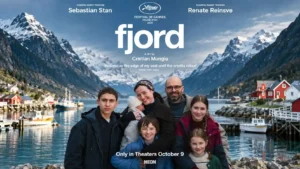

Fjord
Where It Has the Edge
- acting performance is 4.8 vs 4.5. The cast gives the legal ordeal much of its credibility, with restrained anger and grief doing more than...

Scorata scores summarize analyzed review evidence on a 1–5 scale; they are not laboratory measurements or a simple average of customer star ratings. Feature scores summarize the reviews covering that feature. The overall score averages feature scores within each review, then combines review averages. When both expert and customer evidence are available, those two groups receive equal weight. Products can have different review coverage, so small score gaps do not establish a winner.
Recommendations prioritize important features for the category, with a score of at least 3.5, a gap of at least 0.25 points and at least two supporting reviews per product. Features with widely varying scores or broad connectivity contexts are excluded from recommendations. These safeguards do not establish statistical significance.
Quick verdict
The review evidence points to a tradeoff: acting performance versus originality and humor. Choose according to which strengths matter more to you; the overall score alone does not settle that choice.
Choose Fjord for acting performance.
Choose Everytime for originality and humor.
Scores are out of 5. Missing scores mean missing review evidence, not a missing feature.
Several assessments find the accusation-driven legal conflict familiar, with too little freshness to distinguish it from other contemplative dramas.
The strongest admirers find a distinctive cinematic language rather than another familiar grief drama. Its unusual use of digital space and willingness to abandon ordinary reality make it feel genuinely inventive.
The lengthy runtime feels surprisingly brief when the conversations hold attention. Less engaged viewers find it tiring and would welcome a substantially shorter cut.
The running time is a weakness for the more critical assessments: sparse plotting and an extended final movement make the film feel stretched.
The performances and muted presentation often feel convincingly natural. The speed and severity of the institutional response can nevertheless seem far-fetched or satirical.
Lived-in dialogue, recognizable sibling behavior and grounded performances make the early family world convincing. That authenticity gives the later ruptures an emotional foundation.
Long conversations can be engrossing enough to carry the lengthy runtime. The children’s English-language dialogue is criticized elsewhere as unnatural.
Naturalistic exchanges make the world feel inhabited, while Ella’s terse barbs land with cutting precision.
Character depth is one of the sharpest divides: some see revealing individuality and evolving relationships, while others find caricatured officials and too little access to the children.
Small gestures and unspoken feelings make the family recognizable, with Melli’s transformation a particular strength. Reservations focus on emotional abstraction and the limited insight into Jessie before her death.
Questions of parenting, tolerance, institutional power, and rigid belief keep the film in viewers’ minds. Opinion divides over whether those ideas are deeply explored or presented with too little genuine moral difficulty.
The film finds substantial questions in grief, memory and the possibility of continued presence. Its refusal to prescribe clear answers is often seen as compassionate and thought-provoking.
New information repeatedly challenges early assumptions, making the moral conflict feel less settled as conversations unfold.
Early tragedy and later perceptual shifts make the journey genuinely surprising. The final surprise divides opinion because its payoff can feel weaker than its setup.
Beautiful, icy surroundings and quiet confrontations create sustained unease. That restraint feels gripping to some and airless or alienating to others.
Sunlit beauty coexists with eerie emptiness, producing a seductive waking-dream atmosphere. The ghostly mood often survives reservations about the story’s logic.
Punctuating dark comedy gives the otherwise severe moral conflict an uneasy sting. Some readings see the exaggerated bureaucracy edging toward satire.
Melli’s delivery and an unexpected comic interruption create welcome humor within the sadness. The balance can hold laughter and devastation in the same moment.
Restrained moments of maternal loss provide some of the most affecting scenes. The broader experience divides viewers between powerful devastation and emotional distance.
The early tragedy and quiet aftermath can be devastating, with an effect that lingers long after viewing. Emotional distance and the final conceptual leap keep that impact from reaching everyone equally.
Strategic disclosures can keep earlier assumptions in flux. Complaints center on missing perspectives, confusing subplots, abrupt decisions, and strands that never receive a clear payoff.
Answers remain elusive as memory and reality overlap. That uncertainty can feel purposeful and liberating, but even repeat viewers sometimes find the finale incoherent.
Mungiu’s controlled staging and observational long takes receive substantial admiration. The main reservation concerns whether his selective framing allows a fair moral inquiry or quietly predetermines the answer.
Sandra Wollner’s observational control and bold visual ideas earn strong praise. The main reservation is whether her increasingly elaborate final movement sustains the emotional clarity of the opening.
The final image stays with admirers, who find it earned, gripping, and open to reinterpretation. Others see a rushed resolution, an awkward fantastical flourish, or too little payoff after the long buildup.
The final act makes an audacious break with reality that many find sublime, moving or unforgettable. Others see an overcomplicated or overextended idea that undercuts the earlier drama.
Engrossing conversations and accumulating tension make the film fly by for many viewers. Others feel the long setup, unnecessary subplots, and eventual rush to the finish.
Patient observation lets everyday gestures carry grief without speeches. The middle section also attracts complaints of meandering, indulgence and developments that arrive too late.
Careful blocking, wide shots, and sustained takes encourage viewers to reconsider relationships as scenes unfold. The Norwegian flag and enclosing landscapes give institutional pressure a visible presence.
Distant figures, expressive long takes and carefully framed reflections turn composition into emotional storytelling. The final act often has the stillness and beauty of a painting.
Precisely constructed scenes and detailed arguments earn strong praise. Reservations concern conspicuous manipulation, simplified adversaries, and subplots that spread the story too thin.
The writing avoids familiar grief speeches and establishes convincing sibling behavior. Criticism centers on underdeveloped digital themes and symbolic choices that can feel arbitrary.
The fjord, mountains, and luminous courtroom are repeatedly praised for their beauty. Wide compositions also turn the open landscape into a source of confinement and threat.
Gregory Oke’s photography is the clearest consensus strength: sunlit landscapes, distant bodies and startling camera movements make loss visible. The rooftop sequence and glowing water recur as standout images.
Stan and Reinsve communicate a convincing marriage through small gestures, glances, and shifting physical distance. Their quiet responsiveness gives the family crisis weight.
The sibling rapport and the central trio’s complex bond feel authentic. Grounded interactions make affection, resentment and mutual dependence coexist.
The family’s nightmare supports a gripping moral dilemma for admirers. Critics find that the expanding legal and ideological conflict sacrifices character insight and credible balance.
The ordinary family routines develop into an absorbing study of loss for many, but the loose narrative and late detour leave others without enough story to hold onto.
Quiet dread, selective disclosure, and the threat of permanent family separation sustain a strong slow burn. Not everyone finds the legal conflict equally thrilling.
An ordinary morning, a phone’s typing indicator and small disturbances become sources of intense suspense. The film makes uncertainty feel threatening without relying on constant incident.
The marriage and children’s bonds give the ideological clash personal stakes. Quiet affection, broken intimacy, and maternal anguish make the family believable even when its beliefs remain uncomfortable.
Sibling friction and the uneasy bond between a grieving mother, child and former boyfriend give the family dynamics authenticity. The generational distinctions occasionally feel overly neat.
Sharp editing is credited with bringing the visual work and moral tension into a coherent whole.
The editing layers memory, present experience and digital media into a persuasive picture of fragmented grief. Its coldness and abrupt changes are treated as deliberate expressive choices.
The serious, unresolved conflict has selective appeal. Viewers seeking clear answers or a warm connection to the characters may struggle with its chilly approach.
The deliberately elusive approach can become alienating, especially when emotional connections fail to cohere.
Carlehed and Lund-Olsen earn standout notices, and the young ensemble can convincingly convey disruption and vulnerability. One assessment finds the children within the central family wooden and stiff.
The younger performers bring naturalness and tenderness to the family’s pain. Lotte Shirin Keiling receives particular praise for her unaffected presence and precise delivery.
The cast gives the legal ordeal much of its credibility, with restrained anger and grief doing more than overt outbursts. The lead work earns broad praise even from strongly negative assessments of the film.
The acting is widely praised for conveying pain through restraint. Natural rapport and small expressions keep difficult material moving without pushing it into melodrama.
The restrained lead performances are the film’s most consistent strength. Small physical details and controlled sorrow make the parents persuasive even when the surrounding story disappoints.
Birgit Minichmayr gives the grieving mother layered, tightly contained anguish. Tiny changes in her face convey resentment, tenderness and the effort of carrying on.
The cool blues, snowy landscape, and muted presentation are widely admired for their beauty and restraint. For some viewers the same aesthetic becomes oppressively gloomy.
The film moves between textured celluloid, home-video fragments and digital landscapes with striking visual assurance. Its painterly sunsets and dreamlike distortions remain compelling even for some who reject the ending.
The ending and early visual details give several viewers a strong reason to revisit the film and reconsider their first interpretation.
A second viewing can reveal visual clues and deepen the digital-memory theme. It may sharpen an interpretation without resolving every ambiguity.
Stan’s Romanian-accented speech is praised as naturally absorbed into Mihai rather than a conspicuous performance detail.
The leads are largely admired as persuasive choices, especially Stan’s disappearance into Mihai. One dissenting assessment finds Reinsve difficult to believe as a mother of five.
The expansion into legal proceedings and public controversy can pull attention away from the children. Several assessments want more time with the younger siblings and the teenagers’ independent lives.
Melli’s pitch-perfect delivery makes her comic moments a particular delight.
The complementary approaches of Wollner and Oke create especially expressive images. Their collaboration is praised for its control, inventiveness and visual force.
The Romanian-Norwegian culture clash raises worthwhile questions about assimilation and tolerance. Its presentation divides opinion between nuanced examination and an exaggerated portrait of progressive institutions.
The family’s separation and legal fight can be riveting and devastating. Dissenters find the drama too manipulative, emotionally remote, or compelling only once it reaches the courtroom.
The understated ensemble approach can feel appropriate to the subject, but the central couple’s dominance sometimes leaves the children and supporting perspectives underdeveloped.
Restraint keeps the death and its aftermath from feeling exploitative. The drama trusts ordinary behavior and pathos over sensational grief or forced emotional speeches.
Self-harm, nudity, foul language, and distressing accusations make the film unsuitable as general family entertainment.
Mihai combines genuine love for his children with anger and rigid expectations. That layered portrayal resists an easy reading of him as either a saint or a simple villain.
Memories of Jessie’s liveliness flow naturally into the family’s present paralysis, making her simultaneous closeness and absence tangible.
The teenagers’ friendship offers reciprocal curiosity, acceptance, and relief from adult dogma. Their bond is repeatedly seen as one of the film’s more hopeful and affecting elements.
The move from domestic grief into magical realism is often admired as inventive and emotionally expansive. It can also feel convenient or jarring after the grounded first stretch.
The courtroom conflict works well for viewers drawn to intense accusations and legal maneuvering. Others find the procedural drama insufficiently thrilling or engaging outside those scenes.
Grief is shown through routines, conflicting impulses and a world that suddenly feels unfamiliar. Most praise its empathy and precision, although abstraction and the final turn can weaken that connection.
Blame, guilt and regret emerge through withheld reactions rather than accusations alone. The mother’s mixture of resentment and compassion gives these feelings particular complexity.
A content-focused assessment criticizes the foul language as part of the material that makes careful adult viewing necessary.
The girls’ developing bond is praised for acceptance and emotional power. Other assessments object either to queer-coded institutional villains or, from a conservative perspective, to some of the queer dialogue.
Golden sunsets and luminous water create beauty without erasing sorrow. The warm light can feel both reassuring and uncannily suspended in time.
Distant figures, confined rooms and impersonal technology convey how grief can isolate people even when they remain physically together.
The images and unresolved feelings are difficult to shake. Some responses grow stronger over days or weeks rather than resolving as the film ends.
The plea for empathy across opposing beliefs strikes some as challenging and rewarding. Others think the film’s caricatured opposition and withheld details undermine that invitation.
Language differences are valued as an active part of the story, shaping misunderstandings and the family’s ability to defend itself.
The unexplained circumstances and strange signs invite meaningful interpretation beyond what the characters themselves can articulate.
The repeated foreshadowing and recurring visual motifs can become oppressive, leaving individual images burdened with too much intended meaning.
The movement from domestic observation into fractured time is central to the film’s appeal and its risk. Many find the layers expressive, while others see overly insistent construction or a setup that fails to cohere.
The opening builds an ordinary family world before a startling rooftop sequence changes everything. Its controlled observation and shocking visual turn are repeatedly singled out as exceptional.
Faith is portrayed as both a source of communal resilience and a rigid set of restrictions. Responses split between admiration for that inquiry and criticism of apparent persecution rhetoric.
The tentative connection between Elia and Noora supplies a particularly moving thread. Its emotional possibilities offer a counterpoint to the adults’ restrictive assumptions.
An unexplained drone encounter turns an everyday space into a dread-filled scene.
Lilting piano and ethereal electronic textures reinforce the uneasy, game-inflected atmosphere. The evolving music also helps the reality shifts connect emotionally.
A conservative content assessment disapproves of the nudity and related material, recommending selective adult viewing rather than unrestricted family access.
The effects are modest rather than elaborate, but they effectively support the altered world and dreamlike light.
Recurring images can yield rich visual payoffs and connect small moments across the film. Their accumulation also risks becoming oppressive or overwhelming to unpack.
Digital traces make lost loved ones seem persistently present through messages, home videos and game worlds. Most find this insightful and distinctive, though one criticism sees the technological inquiry as too vague and neglectful of social media.
Comedy, domestic restraint and emotional devastation can coexist with impressive control. The balance is less secure for those who find the conceptual shift emotionally distancing.
The opposing lawyer can be a potent courtroom antagonist. More critical assessments see the officials as robotic straw men that weaken the central debate.
The content-focused criticism regards the violence and self-harm as reasons for adult caution, rather than praising their severity.
The disturbing family conflict and explicit content make this a poor choice for children or younger teens.
The parents’ restrictive values and opaque behavior make sympathy difficult for some viewers. Others find that challenge essential to the film’s power, while Noora offers a more accessible point of connection.
The critical response is notably divided, with admiration for the craft alongside arguments that the moral framework is biased.
Texts, phone reflections and apparent replies from the dead turn small digital gestures into emotional events. The devices become both archives of intimacy and unsettling suggestions of continued presence.
The late voiceover is sharply divisive: one assessment finds it particularly haunting, while another thinks the film would lose nothing by removing it.
The restrained, conservative clothing helps establish the family’s beliefs and sense of separation from the surrounding community.
The spectacular courtroom and contrast between warm interiors and icy scenery add considerable visual appeal.
Vivid sound and small off-screen disturbances give familiar places an uneasy presence. The soundscape helps everyday routines feel alive while suggesting something beyond the frame.
The altered resort and digital echoes invite immersion in an unfamiliar world. One reservation is that its physical and cosmic boundaries could be more clearly defined.
Even several qualified assessments find the film involving and thought-provoking. Enthusiastic responses call it thoroughly satisfying, while its rewards depend heavily on engagement with the debate.

Choose this inventive, unsettling documentary for fearless questioning, dark humor, and unpredictable storytelling. Skip it if you want a short, straightforward exposé with definitive answers.
Pros: originality, humor

Extraordinary performances and richly observed relationships make this a rewarding, emotionally forceful drama. Its nearly three-hour length and slow opening demand patience and undivided attention.
Pros: class commentary, character development

Best for a hypnotic, bookish mystery with tactile visuals and cerebral chills. Skip it if reading-heavy, attention-demanding storytelling sounds more exhausting than exciting.
Pros: Atmosphere, cinematography
Cons: audience appeal

Best for an intimate, searching documentary that rewards focused attention and invites discussion. Skip it when devastating grief, addiction footage, and unresolved family tensions would be too much.
Pros: emotional impact, theme depth