#1
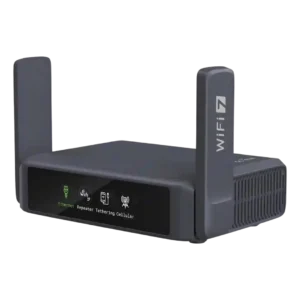
The USB 3.0 port is unusually versatile, supporting tethering, cellular modems, storage and even printer sharing. Its storage throughput is limited, but the port’s range of uses is a major...
Pros: VPN client support, value for money
Cons: 6 GHz performance, USB storage sharing
#2
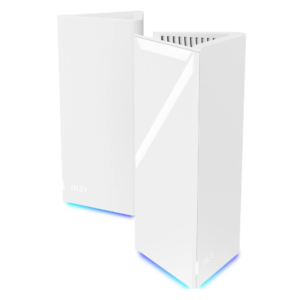
USB 3.0 adds useful storage and NAS flexibility, though reviewers differed on how much practical value it offers.
Pros: value for money, design and appearance
Cons: node pairing ease, outdoor coverage
#3
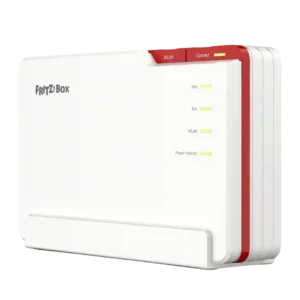
The single USB port is useful and fast enough for storage expansion, but reviewers repeatedly note that one port feels limited on a premium Pro model.
Pros: telephony features, value for money
Cons: LAN port speed, wall-mounting support
#4
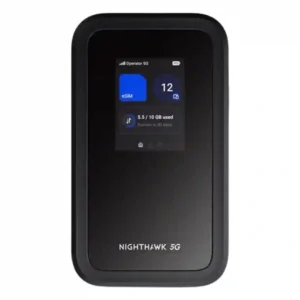
USB-C is genuinely useful for charging, tethering, and Ethernet adapters, but it cannot host USB storage.
Pros: eSIM flexibility, cellular connectivity
Cons: interface responsiveness, Ethernet port count
