#1
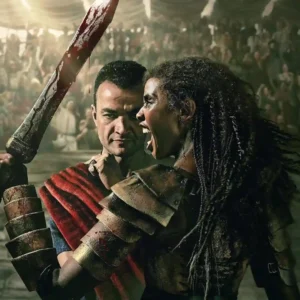
Direction is praised for maintaining craft across the production and, in later episode coverage, for delivering a focused and driven installment even without arena games.
Pros: episode structure, finale satisfaction
Cons: makeup quality, family friendliness
#2

Direction earns strong praise for keeping complicated deceptions coherent and for making the intimate material visually purposeful rather than merely explicit.
Pros: episode structure, cast chemistry
Cons: character consistency, editing quality
#3
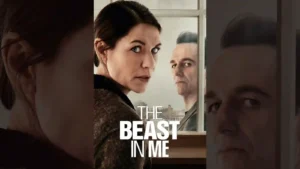
Antonio Campos’s direction is praised as assured, particularly in the way it probes damaged characters and sustains unease through framing and pacing.
Pros: plot clarity, series finale quality
Cons: family friendliness, age appropriateness
#4

Direction receives strong praise for precise blocking, staging, visual patience, and the confidence to let quiet scenes play out at length.
Pros: dialogue quality, franchise connection
Cons: season finale quality, finale satisfaction
#5

Direction is more divisive than the performances: raw scenes and formal play are praised, while heavy visual motifs had mixed success. The show works best when style serves Byron’s inner...
Pros: genre satisfaction, main cast performance
Cons: family friendliness, violence level
#6
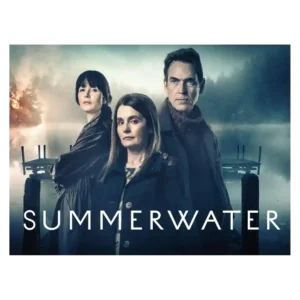
The direction is one of the more positive craft notes. The Standard praises the directors for drawing tension from the cramped interiors and grey Highland landscape.
Pros: supporting cast performance, season finale quality
Cons: season pacing, humor
#7
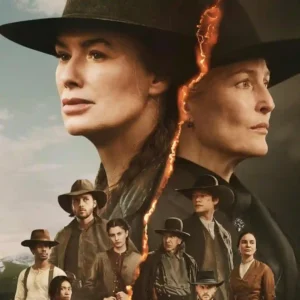
Direction gets mixed marks. Some reviews praise the visual handling and shootouts, while others fault flat staging, an uncertain dramatic mode, and badly handled action.
Pros: cast chemistry, renewal interest
Cons: episode structure, character consistency
#8

Gareth Birkett’s first four episodes drew sharp criticism from one reviewer for failing to mask the show’s manufactured quality.
Pros: world-building, visual style
Cons: pilot episode quality, directing quality
