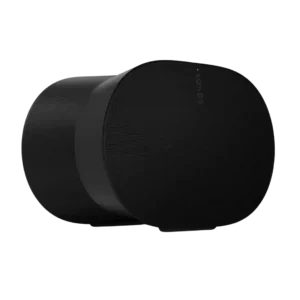
Reviewers describe frequency response balance as a practical part of the listening experience, with both benefits and limitations depending on use.
Pros: Value for money, Overall sound quality
Cons: Design and aesthetics, Audio format support

Reviewers describe frequency response balance as a practical part of the listening experience, with both benefits and limitations depending on use.
Pros: Value for money, Overall sound quality
Cons: Design and aesthetics, Audio format support

The overall tuning is usually described as clear, balanced and lively, with strong bass and articulate mids and highs. Some listeners prefer less bass weight or more upper-frequency sparkle.
Pros: Bass performance, Overall sound quality
Cons: Google, Wired input

Sound balance was one of the strongest themes, with reviewers praising rich bass, clear highs, and balanced tuning while a few wanted more upper-mid clarity.
Pros: Frequency response balance, Battery life (if portable)
Cons: Price / value for money, Weight convenience
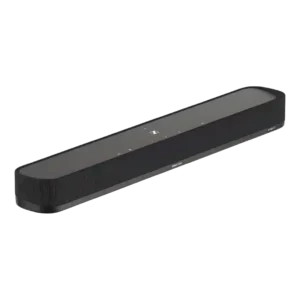
The tonal balance is generally controlled and detailed, with smooth integration from bass through treble. Some reviewers still find the standalone bar thin in larger rooms or without the subwoofer.
Pros: Subwoofer, Surround sound simulation
Cons: Value for money, Wired input
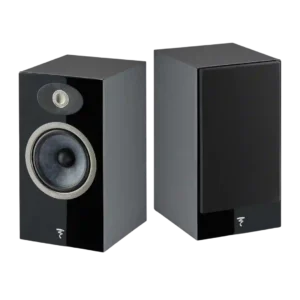
Tonal balance is usually described as smooth, full, and even, but treble exposure and brightness with poor recordings keep it from being universally neutral.
Pros: Stereo imaging accuracy, Detail retrieval
Cons: Subwoofer, Low-volume performance
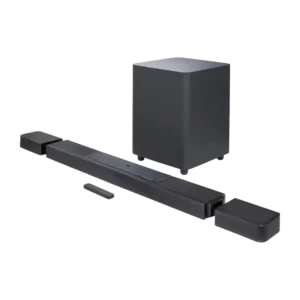
Frequency balance was mixed, ranging from balanced and non-fatiguing to shouty, flappy, muffled, or uneven with music.
Pros: Dialogue clarity (for TV/soundbar use), Subwoofer
Cons: EQ customization, Stereo imaging accuracy
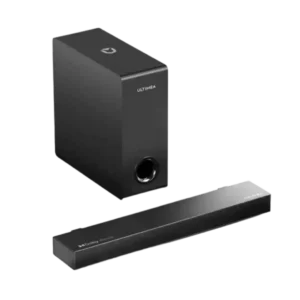
Frequency balance is a recurring weakness, with pinched treble and excess bass or midbass depending on mode and bass setting.
Pros: Setup simplicity, Value for money
Cons: EQ customization, Subwoofer