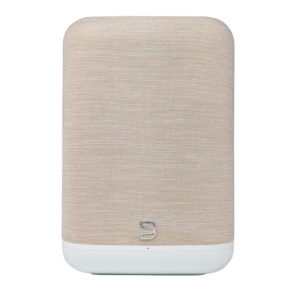
Deep standby is an unusually thoughtful touch, cutting idle power use to a very low level instead of leaving the Wi-Fi speaker fully awake.
Pros: Multi-speaker pairing reliability, AirPlay compatibility
Cons: Chromecast compatibility, Google
Deep standby is an unusually thoughtful touch, cutting idle power use to a very low level instead of leaving the Wi-Fi speaker fully awake.
Pros: Multi-speaker pairing reliability, AirPlay compatibility
Cons: Chromecast compatibility, Google
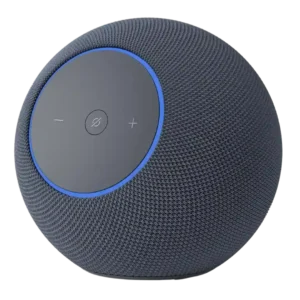
Extended playback produces little heat and avoids battery-management overhead. The plug-in design gives the speaker consistent power during long listening sessions.
Pros: Remote control usability, Detail retrieval
Cons: Battery life (if portable), Spotify Connect reliability
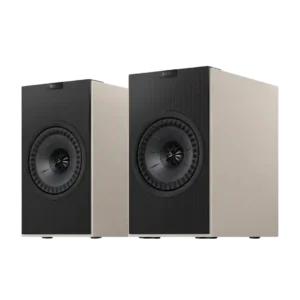
ECO mode lowers standby consumption while still allowing Bluetooth wake, so the energy-saving setting does not remove everyday convenience.
Pros: Dialogue clarity (for TV/soundbar use), Control button responsiveness
Cons: Status indicators, Cable management
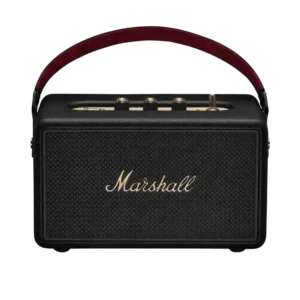
Energy efficiency is supported by one review's observation that the major runtime gain comes from surprisingly small battery-capacity growth.
Pros: Voice clarity, Bluetooth range
Cons: Multi-speaker pairing reliability, Inter-speaker connectivity
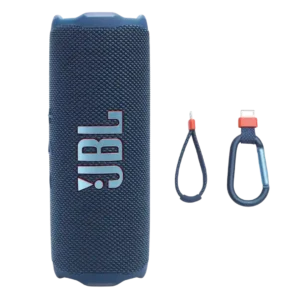
Energy-related evidence centers on USB-C not draining the source device and Playtime Boost extending battery while reducing sound quality.
Pros: Google, Dust resistance rating
Cons: Backwards compatibility, Stereo imaging accuracy
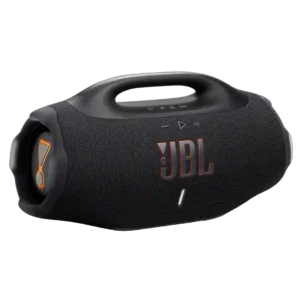
Playtime Boost can extend runtime by reducing low-frequency output, but reviewers often dislike the resulting sound. A few find the tradeoff practical for background listening or emergency endurance, while others...
Pros: Loudness / maximum volume, Multi-speaker pairing reliability
Cons: Speakerphone quality, Smart assistant integration (Alexa
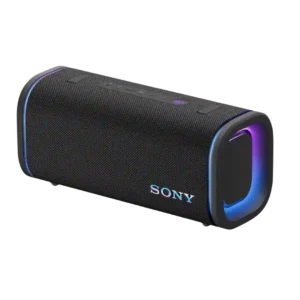
Party lighting is the clearest energy-efficiency complaint because it can sharply reduce playback time.
Pros: Latency with TV (lip sync), Multi-speaker pairing reliability
Cons: Energy efficiency, Amplifier power requirements