Best for EQ customization
Marshall Heston 60
4.7 attribute score
Highest scored product for this attribute based on supporting review evidence.

Highest scored product for this attribute based on supporting review evidence.
Balances the attribute score, supporting reviews, and overall product strength.
Has the broadest review evidence for this attribute.
Strongest overall product among items with scored evidence for this attribute.

The five-band EQ and mode-specific tuning give useful control over tonal balance and let owners work around some of the preset limitations.
Pros: Design and aesthetics, Overall sound quality
Cons: Value for money, App reliability

ThinQ offers deep control over bass, midrange, treble, channel levels, presets, and custom EQ. Those adjustments are valuable because Standard mode and reduced AI processing often sound more natural.
Pros: Inter-speaker connectivity, AI Room Calibration
Cons: Value for money, Music performance
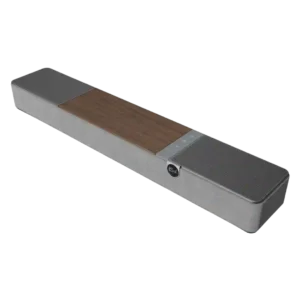
Sound tuning is unusually flexible for the price, with bass, mids, treble, presets, and custom profiles available through the app or controls. Most reviewers found these adjustments easy and useful,...
Pros: Overall sound quality, Value for money
Cons: Remote control usability, Detail retrieval

The system offers generous EQ, channel-level, bass, and mode adjustments, especially through the apps.
Pros: Home theater integration, Bass performance
Cons: Value for money, Design and aesthetics

The sound modes and EQ options are useful and often make an audible improvement, with bass/treble or expert controls available in some paths. A few reviewers wanted deeper manual EQ...
Pros: Overall product quality, Overall sound quality
Cons: Value for money, Video passthrough support
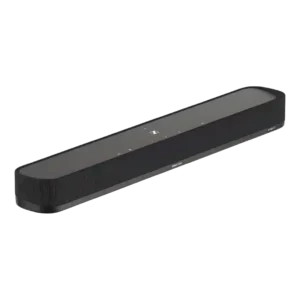
EQ and sound-mode customization are well liked. Reviewers point to presets, adjustable Ambeo levels, center controls, and per-mode tuning as useful without becoming overwhelming.
Pros: Subwoofer, Surround sound simulation
Cons: Value for money, Wired input
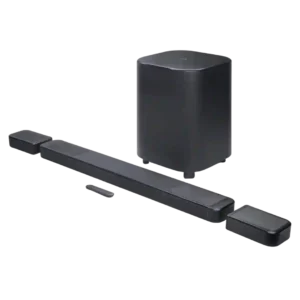
The seven-band EQ gives useful control over the strong bass and overall balance, although JBL One does not provide multiple saved EQ profiles.
Pros: Rear speaker versatility, Overall product quality
Cons: Size and TV fit, Gaming HDMI passthrough
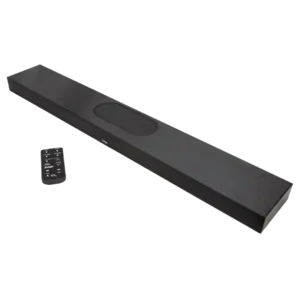
Its many AccuVoice, surround, bass, and treble adjustments let listeners tailor speech to their hearing needs. Finding the ideal combination can take experimentation, and one critic found the many boost...
Pros: Dialogue clarity (for TV/soundbar use), Overall product quality
Cons: TV connection stability, Reliability
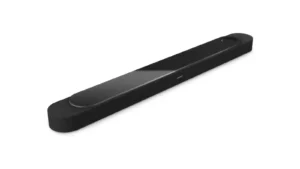
Bose provides useful control over bass, mids, treble, center, height, surround, and subwoofer level. The main limitation is the lack of deeper presets or source-specific EQ memory.
Pros: Design and aesthetics, Overall sound quality
Cons: Value for money, App reliability
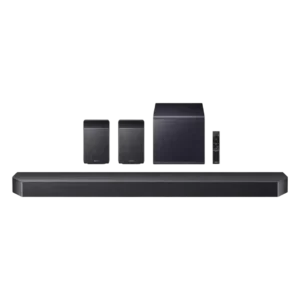
EQ and channel customization are broadly useful, though some reviewers note limits and prefer the app for detailed adjustments.
Pros: Value for money, Surround sound simulation
Cons: Status indicators, Wi-Fi streaming reliability
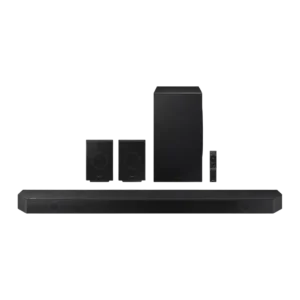
EQ and sound customization were praised through the app, especially channel levels, EQ tools, and near-total control.
Pros: Subwoofer, Value for money
Cons: Remote control usability, Status indicators

EQ controls were viewed as useful for bass, treble, and loudness adjustments, though not a replacement for every hardware limitation.
Pros: Value for money, Dolby Atmos height effects
Cons: Audio format support, Video passthrough support

Windows users get extensive EQ, presets, Acoustic Engine controls, and game-specific profiles. Mobile and Mac users receive fewer options, and app-detection problems can block the feature entirely.
Pros: Cohesive presentation, Value for money
Cons: Status indicators, App reliability
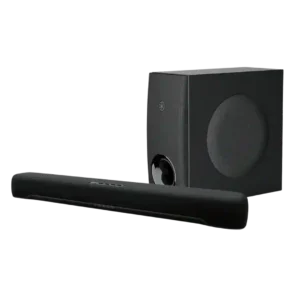
EQ and mode controls are useful and easy to adjust, though they cannot fully fix subwoofer integration or tonal limitations.
Pros: Value for money, Dialogue clarity (for TV/soundbar use)
Cons: Frequency response balance, Home theater integration
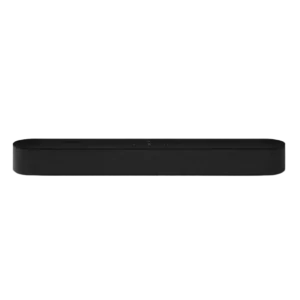
EQ and sound modes were useful for bass, treble, speech, and night listening, but one reviewer wanted more granular control.
Pros: Value for money, Dialogue clarity (for TV/soundbar use)
Cons: Subwoofer, Bluetooth connectivity
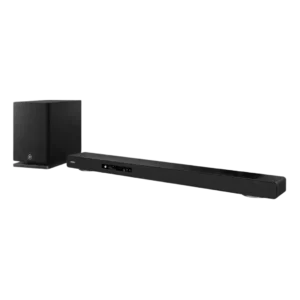
Sound shaping ranges from useful channel-level and beam controls to simple bass/treble sliders. Some testers appreciated the flexibility, while others disliked the menu complexity, lack of presets, or restricted main-channel...
Pros: Home theater integration, Overall product quality
Cons: Value for money, Small-room suitability
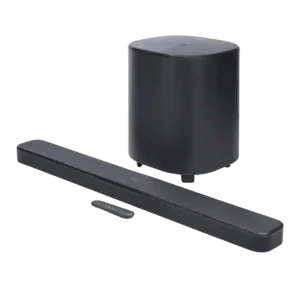
EQ customization was useful through bass/treble controls and app features, but one reviewer criticized the lack of saved presets.
Pros: Dialogue clarity (for TV/soundbar use), Surround sound simulation
Cons: App reliability, Audio format support
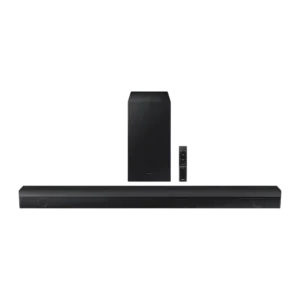
EQ and sound-mode customization helped improve playback, but several reviews said manual control was limited.
Pros: Dialogue clarity (for TV/soundbar use), Subwoofer
Cons: Dolby Atmos height effects, Smart features

EQ customization is useful but basic; reviewers liked bass/treble adjustment while noting the absence of a full EQ.
Pros: Value for money, Dialogue clarity (for TV/soundbar use)
Cons: Video passthrough support, Soundstage height
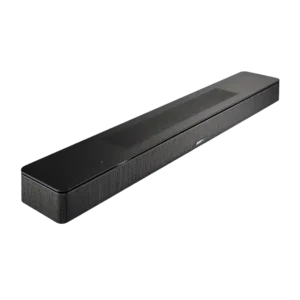
EQ controls are useful for bass, treble, channel, and height adjustments, but reviewers want deeper EQ options or presets.
Pros: Dialogue clarity (for TV/soundbar use), Surround sound simulation
Cons: Subwoofer, Value for money
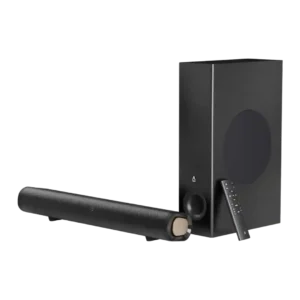
EQ customization is helpful for bass/treble adjustment, but reviewers criticized subtle presets and the lack of deeper app-based band control.
Pros: Value for money, Surround sound simulation
Cons: Stereo imaging accuracy, Smart features
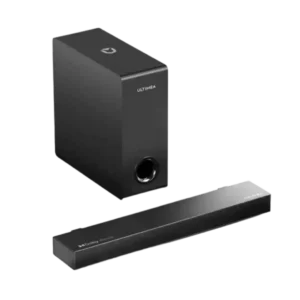
EQ customization is useful but inconsistent: reviewers liked having modes and bass adjustment, yet Music mode and bass-heavy presets drew criticism.
Pros: Setup simplicity, Value for money
Cons: EQ customization, Subwoofer

Sound modes were useful for some reviewers, but EQ flexibility was limited and one reviewer heard little difference between modes.
Pros: Value for money, Cohesive presentation
Cons: Subwoofer, Surround sound simulation
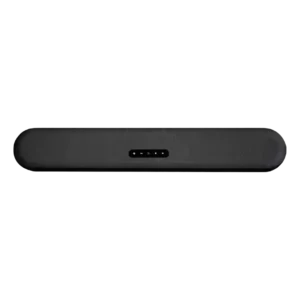
EQ control is a recurring limitation. Reviewers like the listening modes, but complain that there are no traditional tone controls or deeper custom EQ options.
Pros: App reliability, Subwoofer
Cons: Remote control usability, Value for money
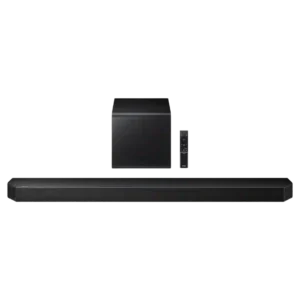
Sound adjustment options are extensive, but outcomes vary. The controls and EQ are flexible, yet two owners could not tune the system to fix the sound balance they disliked.
Pros: Overall product quality, Overall sound quality
Cons: Bass performance, Surround sound simulation
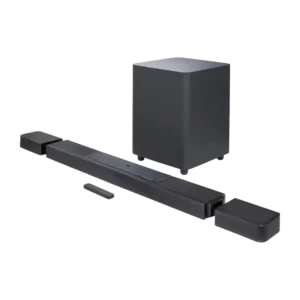
EQ customization was one of the clearest weaknesses, with repeated complaints about limited bands, few levels, and weak preset control.
Pros: Dialogue clarity (for TV/soundbar use), Subwoofer
Cons: EQ customization, Stereo imaging accuracy
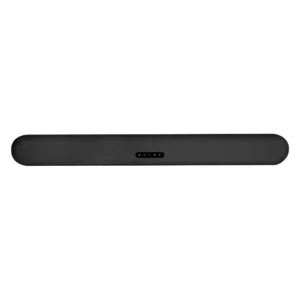
EQ customization was one of the clearest weak spots, with multiple reviewers saying EQ controls were absent or too limited.
Pros: Dialogue clarity (for TV/soundbar use), Subwoofer
Cons: EQ customization, AI Room Calibration