Best for Food dehydrating
Ninja DualZone DZ801
5.0 attribute score
Highest scored product for this attribute based on supporting review evidence.

Highest scored product for this attribute based on supporting review evidence.
Balances the attribute score, supporting reviews, and overall product strength.
Has the broadest review evidence for this attribute.
Strongest overall product among items with scored evidence for this attribute.
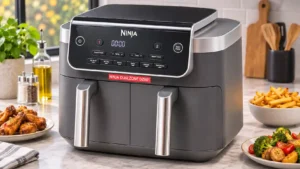
Overall: 3.3/5
Its broad temperature and fan options make dehydrating produce a practical additional job, rather than a token preset.
Pros: Dual-zone cooking synchronization, Match Cook settings copying
Cons: basket capacity, footprint size
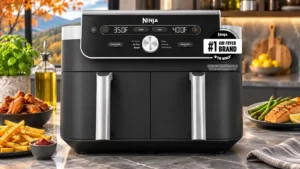
Overall: 3.9/5
Low-temperature settings can produce crisp dried apple chips over long cycles, and the separate baskets allow two batches at once. It's a credible option for fruit dehydration.
Pros: overall satisfaction, ease of cleaning
Cons: footprint size, basket design
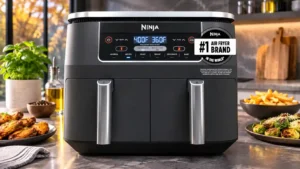
Overall: 4.1/5
Low-temperature drying adds value for fruit chips and jerky, though longer cycles are part of the process.
Pros: basket design, Dual-zone cooking synchronization
Cons: footprint size, noise level
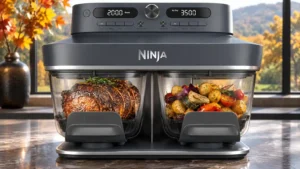
Overall: 3.6/5
The dehydrate mode produced tasty jerky and encouraged experimentation with fruits and tomatoes. Slow, multi-hour cycles mean it is not useful for preparing an instant snack.
Pros: Dual-zone cooking synchronization, Storage convenience
Cons: footprint size, value for money
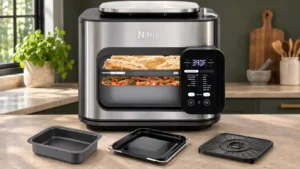
Overall: 3.7/5
Low minimum temperature is ideal for dehydration.
Pros: cooking versatility, overall satisfaction
Cons: footprint size, Cooking-time estimate predictability
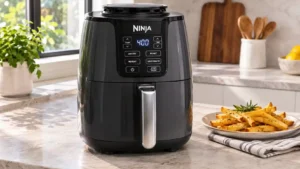
Overall: 4.0/5
The low-temperature dehydrate mode is a genuine extra: users report success with apple and banana chips, herbs and other small drying projects.
Pros: overall satisfaction, ease of cleaning
Cons: basket capacity, basket design
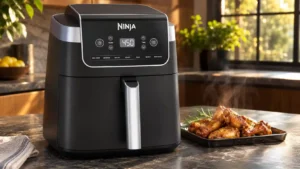
Overall: 3.7/5
The low-temperature Dehydrate function broadens its usefulness for fruit and similar foods; it is better suited to modest projects than large-scale drying.
Pros: overall satisfaction, basket capacity
Cons: even cooking, customization options
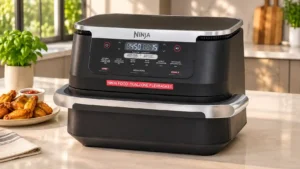
Overall: 4.0/5
The low-temperature mode works for dried fruit, homemade spices, and similar tasks. Long multi-hour sessions make it a less compelling feature for impatient cooks.
Pros: basket design, basket capacity
Cons: footprint size, handle comfort
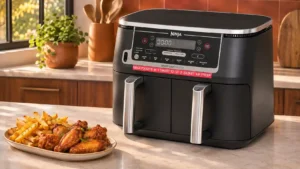
Overall: 4.0/5
Its low-temperature mode is useful for drying foods, though a model with an even lower minimum temperature may be preferable for specialized dehydrating.
Pros: Dual-zone cooking synchronization, basket capacity
Cons: footprint size, basket design
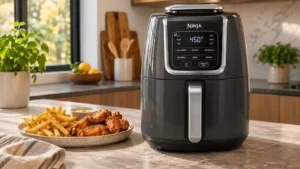
Overall: 4.2/5
The low-heat mode handles small batches of fruit chips and jerky, but the limited flat surface cannot replace a full-size dehydrator.
Pros: overall satisfaction, crisping ability
Cons: basket capacity, Cooking without shaking or flipping
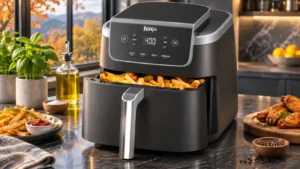
Overall: 3.9/5
Low temperatures and a Dehydrate program make dried fruit and other small projects practical. Larger batches take patience, and it does not fully replace a dedicated dehydrator.
Pros: basket capacity, overall satisfaction
Cons: noise level, temperature range