Best for Dongle
Skullcandy Crusher PLYR 720
5.0 attribute score
Highest scored product for this attribute based on supporting review evidence.

Highest scored product for this attribute based on supporting review evidence.
Balances the attribute score, supporting reviews, and overall product strength.
Has the broadest review evidence for this attribute.
Strongest overall product among items with scored evidence for this attribute.
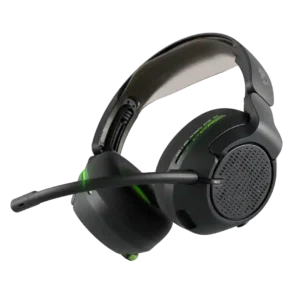
The 2.4GHz dongle is easy to use, with reviewers describing instant plug-and-play behavior.
Pros: Overall satisfaction, Bass performance
Cons: Value for money, Microphone
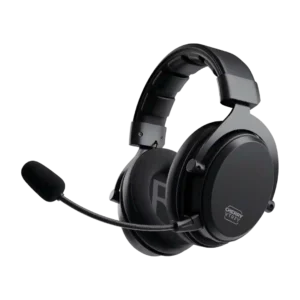
The dongle experience was positive, with reviewers praising easy setup, low latency, and rock-solid 2.4GHz performance.
Pros: Connectivity versatility, Sound quality
Cons: Equalizer customization, App
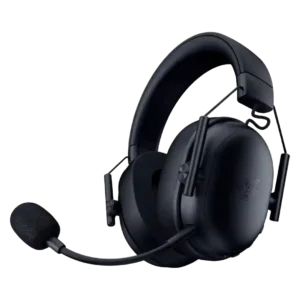
The USB-C wireless dongle is a standout practical detail: compact, unobtrusive, and repeatedly described as simply working without blocking nearby ports.
Pros: Overall satisfaction, Sound quality
Cons: Software/setup simplicity, Clamping force comfort
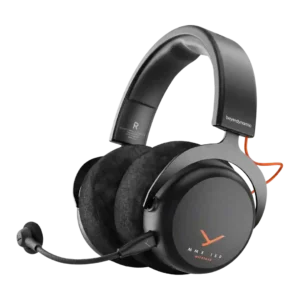
The low-latency dongle is praised for reliable pairing and gaming-focused wireless use.
Pros: Sound quality, Comfort during long use
Cons: Equalizer customization, Console compatibility limitations
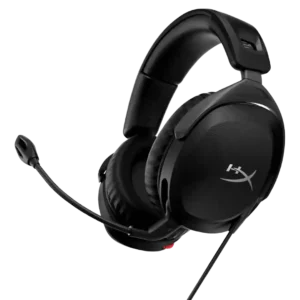
Wireless dongle behavior was a strength, with reviewers praising instant or fast setup and, in one case, excellent range.
Pros: Value for money, Microphone
Cons: Build quality, Bass performance
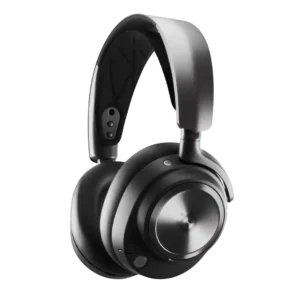
The wireless dock/dongle setup is praised as handy and market-leading for battery handling and source flexibility.
Pros: Battery, Comfort during long use
Cons: Console compatibility limitations, USB-C
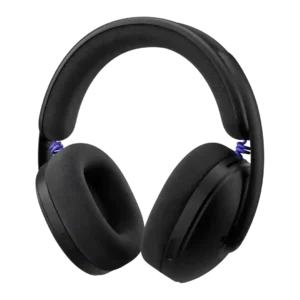
The dongle experience was strong, with plug-and-play setup, stable connections, and no reported latency through Lightspeed in tested use.
Pros: Comfort during long use, Design and Aesthetics
Cons: Build quality, Microphone
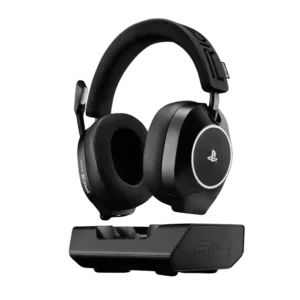
The dongle was mostly praised for easy docking, reduced clutter, side-kicked USB-C shape, and multi-platform expandability, despite manual swapping complaints.
Pros: Sound quality, Included stand quality
Cons: Detachable microphone convenience
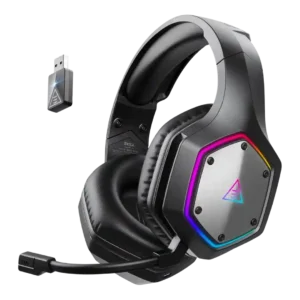
Dongle experience was mixed: plug-and-play use was praised, but one PC pairing instruction issue created friction.
Pros: Sound quality, Comfort during long use
Cons: RGB lighting customization, Build quality
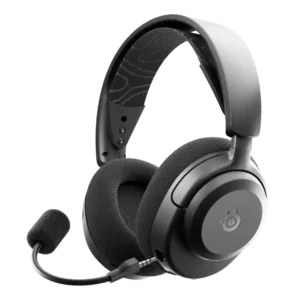
Dongle feedback was mixed: reviewers liked the low-latency, slim, offset design, but some disliked port blocking or lack of onboard storage.
Pros: Value for money, Sound quality
Cons: Treble clarity, Noise isolation (passive)
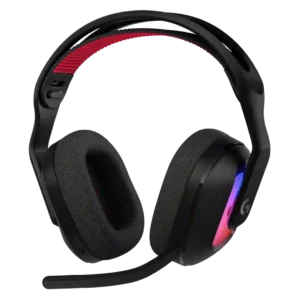
The compact PLAYSYNC base is central to the headset’s convenience and is much smaller than many multi-system docks. Its light weight can make it slide around, and cable placement can...
Pros: Overall satisfaction, Sound quality
Cons: Fit/seal reliability, Multipoint connectivity reliability
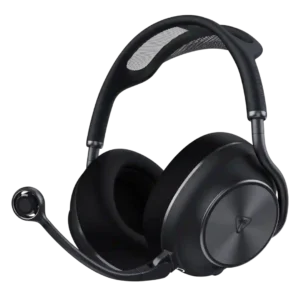
The included second transmitter is a major convenience for switching between separated systems without moving cables. Expansion units cost extra and have sometimes been unavailable, defective, or unrecognized by Swarm...
Pros: Overall satisfaction, Sound quality
Cons: Weight comfort, Stability
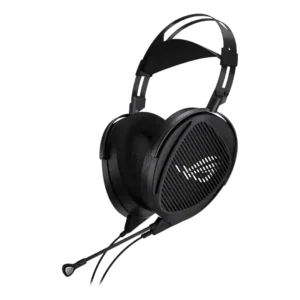
The included USB-C adapter improves compatibility and often raises volume, but results vary by device and some users report limited power or inconsistent Windows behavior.
Pros: Overall satisfaction, Sound quality
Cons: Microphone, Headband adjustability
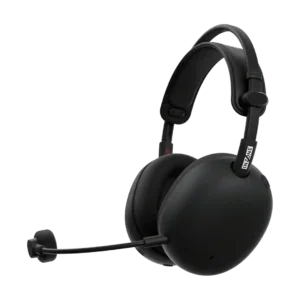
The USB-C dongle provides dependable low-latency wireless and useful PC/console switching, but its physical implementation is not perfect. Some users disliked blocked adjacent ports, adapter needs, or the lack of...
Pros: Overall satisfaction, Sound quality
Cons: Value for money, Battery
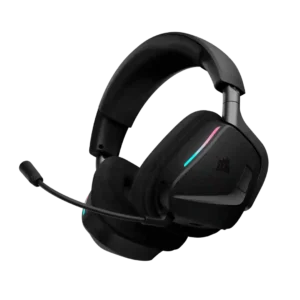
The USB transmitter generally works well and can deliver excellent audio, but its USB-A design feels bulky or dated to some. Its larger size is easier to keep track of,...
Pros: Overall satisfaction, Sound quality
Cons: Reliability, App
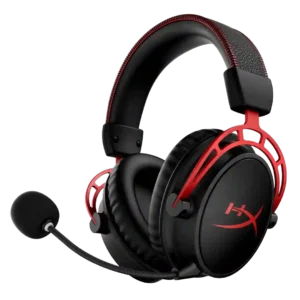
Dongle feedback is mixed: wireless range can be strong in one test but limited or compatibility-constraining in others.
Pros: Sound quality, Comfort during long use
Cons: Ear cup swivel/rotation range, Connectivity versatility
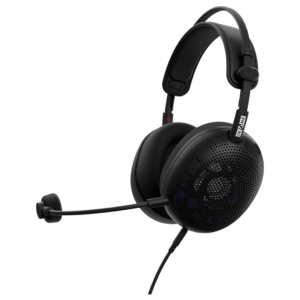
The USB audio box was useful for saving settings, but one reviewer found it added little practical improvement on console.
Pros: Sound quality, Microphone
Cons: Microphone noise reduction, Spatial audio
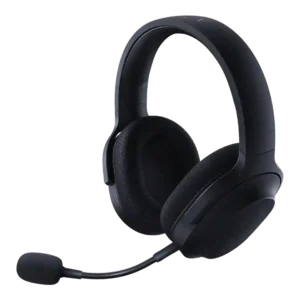
The dongle enabled broad USB-C wireless use, but reviewers frequently criticized its width, port blocking, storage issues, or occasional reconnection problems.
Pros: Sound quality, Microphone
Cons: Dongle, Equalizer customization
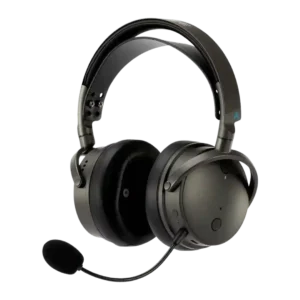
Dongle impressions are mixed, with praise for range or form factor offset by artifacting, connection failures, or USB-controller sensitivity.
Pros: Sound quality, Battery
Cons: Headband adjustability, Weight comfort
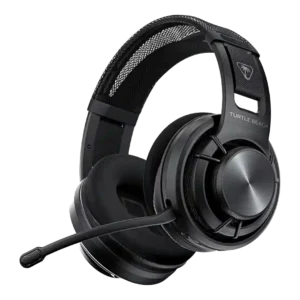
The dongle works well for low-latency wireless, but one reviewer disliked the always-flashing transmitter light.
Pros: Comfort during long use, Sound quality
Cons: App, Bass performance
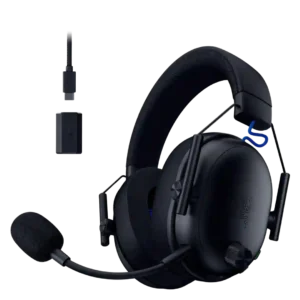
The remote dongle design divides reviewers. Some like being able to position or switch it easily, while others dislike the long cable, laptop clutter, or report a failed dongle switch.
Pros: Overall satisfaction, Sound quality
Cons: Button control usability, Dongle
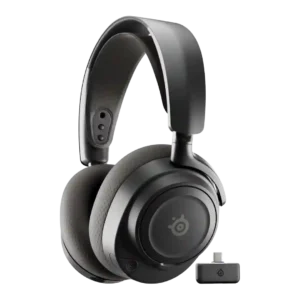
The dongle was the most repeated design complaint: reviewers disliked its width, port blocking, or merely adequate range, despite functional wireless use.
Pros: Sound quality, Value for money
Cons: Dongle, Noise isolation (passive)
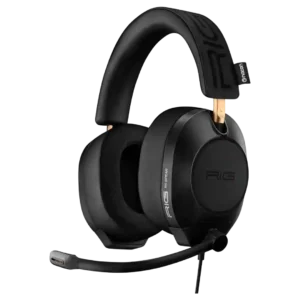
The dongle was polarizing: some liked its compact USB-C design, while others found it distracting, unhelpful on console, large, or faulty.
Pros: Sound quality, Value for money
Cons: Button control usability, Dongle
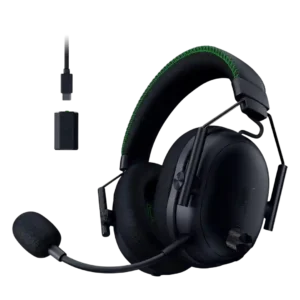
Dongle feedback was the clearest hardware complaint: most reviewers disliked the wired/bulky dongle, though one praised its technology and range.
Pros: Microphone, Comfort during long use
Cons: Dongle, Software/setup simplicity
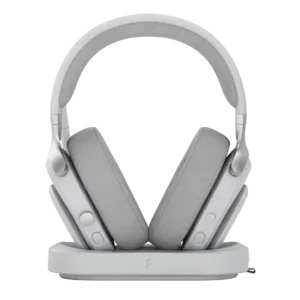
The removable 2.4GHz dongle integrates neatly into the charging dock and can be taken on the road. One reviewer had disconnects when it was plugged directly near other USB devices,...
Pros: Included stand quality, Overall satisfaction
Cons: Active noise cancellation, Volume output
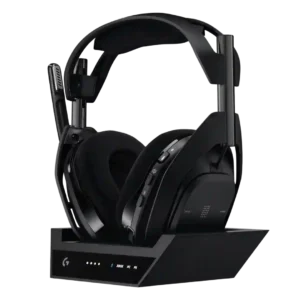
One reviewer wished for a separate USB dongle for PC, suggesting the current dock-only approach limits versatility.
Pros: Sound quality, Microphone
Cons: Value for money, Software/setup simplicity
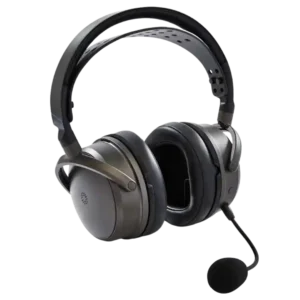
The USB-C dongle delivers responsive low-latency wireless audio, but source priority, mode switching, and occasional connection quirks can make it less seamless than expected. Some users also find its range...
Pros: Overall satisfaction, Sound quality
Cons: Weight comfort, Comfort during long use
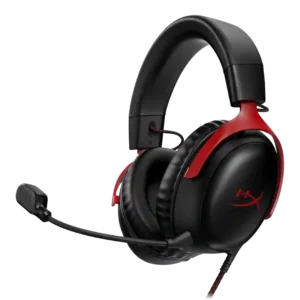
Dongle reliance was a common concern because reviewers disliked patchy behavior, easy loss, and dependence on one connection method.
Pros: Value for money, Microphone
Cons: Spatial audio, Midrange clarity