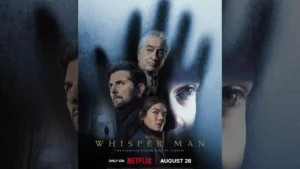
Sound design is strongly praised for using small environmental noises and recordings to create a cramped, lonely, threatening atmosphere.
Pros: acting performance, scares
Cons: entertainment value, character development

Sound design is strongly praised for using small environmental noises and recordings to create a cramped, lonely, threatening atmosphere.
Pros: acting performance, scares
Cons: entertainment value, character development
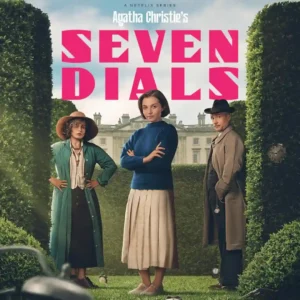
Ticking clocks, dripping water, and other small effects create a chilling atmosphere and strengthen the mystery mood.
Pros: entertainment value, acting quality
Cons: faithfulness to source material, season length
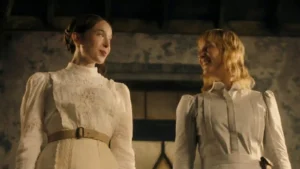
The opening axe-murder sequence's foley work was called a masterpiece, making sound one of the premiere's standout technical elements.
Pros: acting quality, entertainment value
Cons: faithfulness to source material, violence level
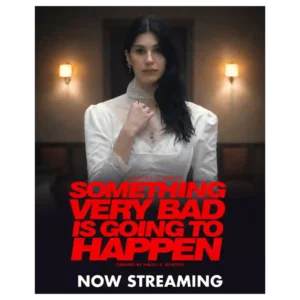
Buzzes, staccato notes, muffled voices, and carefully shaped silence mirror panic and sustain tension with unusual precision.
Pros: suspense, theme depth
Cons: season pacing, story quality
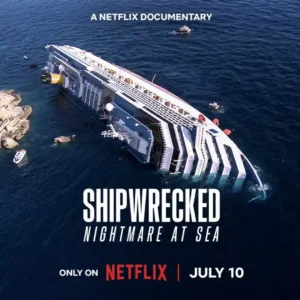
Black-box recordings, intercepted calls, and archival audio add immediacy and expose the failures on the bridge. Their placement intensifies the dread without needing artificial dramatization.
Pros: realism, critic appeal
Cons: theme depth, message quality
The sound side is folded into praise for the documentary’s overall audiovisual craft. It is not discussed often, but the available response is clearly positive.
Pros: theme depth, interview and source material quality
Cons: episode pacing, season length

Loud screeches and audio-driven scare beats help sell the season’s jump scares and cliffhanger tension.
Pros: animation quality, acting quality
Cons: story quality, character development
The soundscape can feel forceful and theatrical, with one review highlighting Dolby Atmos impact and another calling the sound design incredible. A major dissent criticizes an aggressive music-to-dialogue mix.
Pros: ending satisfaction, faithfulness to source material
Cons: story quality, pacing
The sound can make gunfire and physical hits feel forceful on a good setup, but the mix is inconsistent. One review specifically notes dialogue being swallowed by ambient noise.
Pros: suspense, entertainment value
Cons: action sequences, ending satisfaction
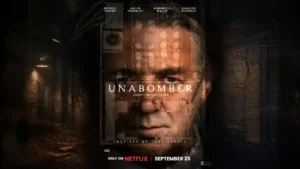
Harsh sound choices during the Harvard experiments help communicate discomfort and build tension, even when the surrounding filmmaking is judged less distinctive.
Pros: acting performance, lead performance
Cons: story quality, suspense

The only direct assessment calls the sound design functional. It does its job without emerging as a major strength.
Pros: main cast performance, story quality
Cons: character balance, episode pacing

The premiere's sound design is judged serviceable but not memorable. It does little to distinguish the opening for that viewer.
Pros: entertainment value, main cast performance
Cons: writing quality, season pacing
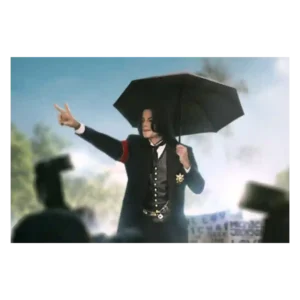
Sound design receives a clear negative note from one viewer, who disliked the ominous music used around Neverland imagery. The complaint reinforces concerns that the series shapes mood too aggressively.
Pros: media scrutiny portrayal, theme depth
Cons: interview and source material quality, plot originality

The synthetic Gene Wilder narration is a recurring complaint, described as creepy, stilted or lifeless despite its recognizable voice.
Pros: production design, visual style
Cons: entertainment value, faithfulness to source material
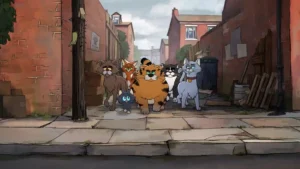
One reviewer reports distracting, uneven dialogue audio from the group-recording setup, saying the changing levels break immersion.
Pros: main cast performance, episode length
Cons: humor, emotional impact