#1
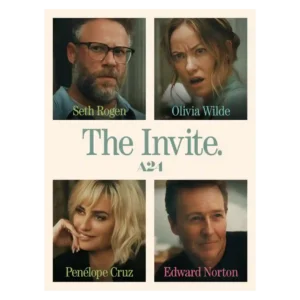
The petty grievances, overlapping arguments, insecurity, and emotional stagnation feel painfully recognizable. Many critics see their own long-term relationship dynamics reflected in the film’s uncomfortable comedy.
Pros: humor, screenplay quality
Cons: score quality, runtime
#2

Broadcast formats, surveillance material, period production details, and documentary habits give many scenes an unusually grounded texture. That realism intentionally clashes with the film’s more grotesque psychological exaggeration.
Pros: lead performance, visual style
Cons: theme depth, story quality
#3
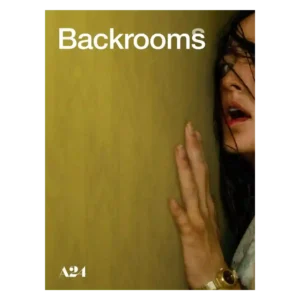
Committed performances and tactile sets make the impossible setting feel emotionally and physically believable. The characters’ reactions help anchor the increasingly abstract nightmare.
Pros: acting performance, scares
Cons: ending satisfaction, plot clarity
#4
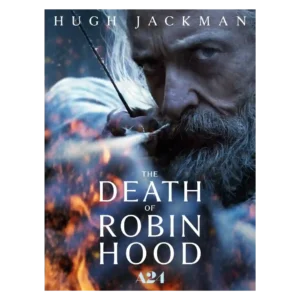
The film emphasizes ugly, intimate violence and harsh period living over romantic adventure. Reviewers often find the tactile detail convincing, even when the realism becomes oppressive.
Pros: visual style, cinematography
Cons: story quality, pacing
#5
Realism is mixed: some find the emotional reactions recognizable and grounded, while others think the characters, premise, or escalating behavior strain credibility too far.
Pros: humor, theme depth
Cons: character development, screenplay quality
#6
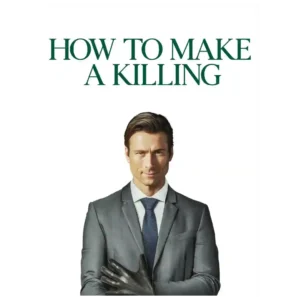
Plausibility is one of the sharpest recurring complaints, especially around the FBI, forensic gaps, and how easily Becket gets away with repeated murders.
Pros: lead performance, humor
Cons: entertainment value, originality
#7
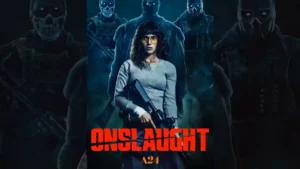
Believability breaks down badly for some viewers, especially around Celeste’s survival and the amount of plot armor protecting her.
Pros: lead performance, entertainment value
Cons: action sequences, ending satisfaction
