Best for HEPA filtration
PuroAir 240
5.0 attribute score
Highest scored product for this attribute based on supporting review evidence.

Highest scored product for this attribute based on supporting review evidence.
Balances the attribute score, supporting reviews, and overall product strength.
Has the broadest review evidence for this attribute.
Strongest overall product among items with scored evidence for this attribute.
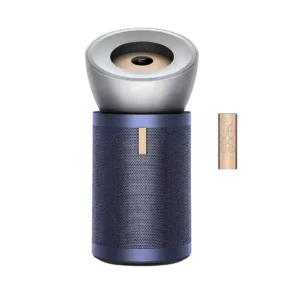
Reviewers were strongly positive on HEPA filtration, with support from expert testing and customer use.
Pros: air purification performance, noise level
Cons: value for money, size and footprint
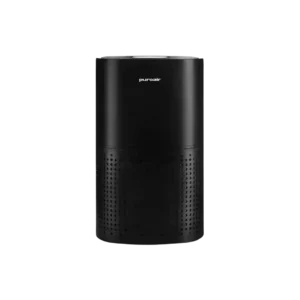
HEPA filtration is mostly praised for fine-particle capture, smoke, pollen, allergens, and pet dander. One expert questions the H14 marketing, but most hands-on comments are positive.
Pros: noise level, air purification performance
Cons: filter replacement cost, air quality sensor accuracy
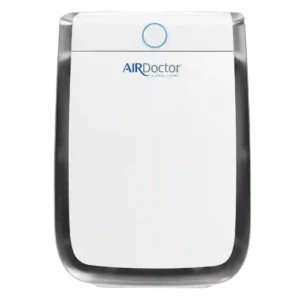
The UltraHEPA filtration is presented as a premium advantage, especially for very fine particles. Testers emphasize its ability to retain tiny contaminants beyond a standard HEPA-style pitch.
Pros: air purification performance, overall satisfaction
Cons: filter replacement cost
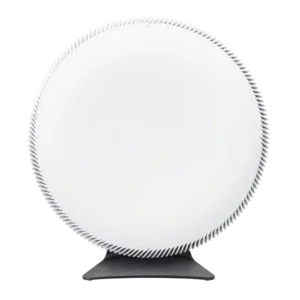
HEPA filtration was treated as a serious strength, especially in expert discussions of HyperHEPA performance. Reviewers credited the filtration system for excellent particle results.
Pros: air purification performance, value for money
Cons: size and footprint, customer support
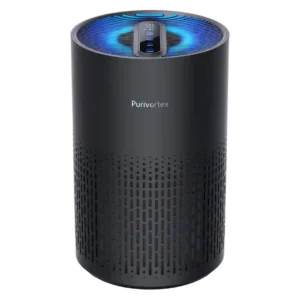
HEPA filtration comments are positive, with buyers linking the HEPA filter to fresher air and reduced allergens, pet dander, and dust.
Pros: air purification performance, noise level
Cons: aromatherapy feature, scheduling options
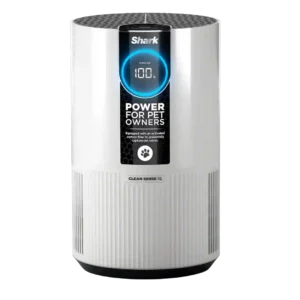
HEPA filtration is praised in the detailed reviews that discuss particle capture and cleaner-feeling air.
Pros: pet dander removal, odor reduction
Cons: air quality sensor accuracy, dust removal
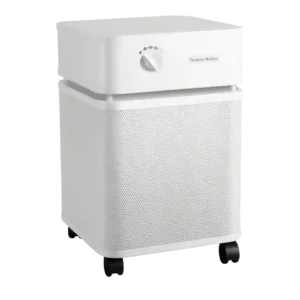
HEPA filtration receives positive but limited support from a reviewer citing HEPA and carbon as the preferred standard.
Pros: overall satisfaction, noise level
Cons: value for money, reliability
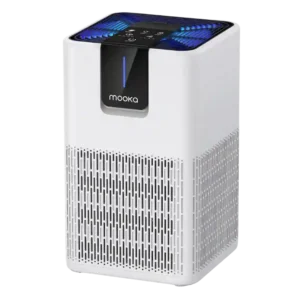
HEPA-related comments are favorable but mostly tied to general air-cleaning impressions rather than technical filter testing. Buyers mention HEPA-style cleaning in the context of dust, dander, pollen, and cleaner-feeling air.
Pros: air purification performance, noise level
Cons: aromatherapy feature, reliability
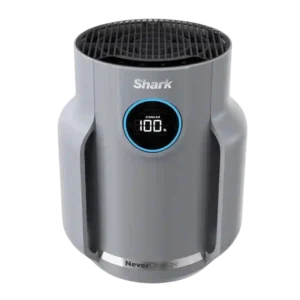
The HEPA filter was singled out as a standout feature in the Tom’s Guide review.
Pros: filter life, auto mode performance
Cons: aromatherapy feature, app connectivity
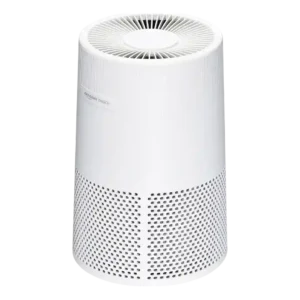
The HEPA filter gets positive attention for its construction, thickness, and simple design. Owners who mention it generally see it as a meaningful part of the purifier’s performance.
Pros: air purification performance, noise level
Cons: build quality, maintenance ease
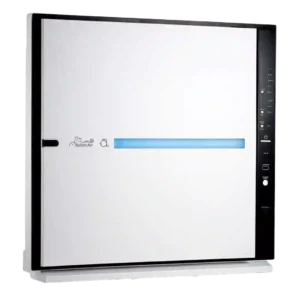
Expert evidence supported the HEPA filter as effective for capturing particles including mold, allergens, and dust.
Pros: noise level, air purification performance
Cons: value for money, filter replacement cost
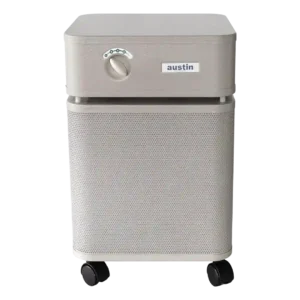
HEPA filtration is described positively, with owners and reviewers emphasizing true particle filtration capability.
Pros: air purification performance, overall satisfaction
Cons: noise level, value for money
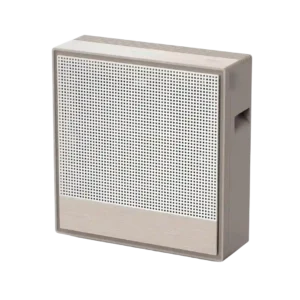
HEPA filtration was valued by reviewers who emphasized the importance of a genuine HEPA filter.
Pros: maintenance ease, air purification performance
Cons: filter replacement cost
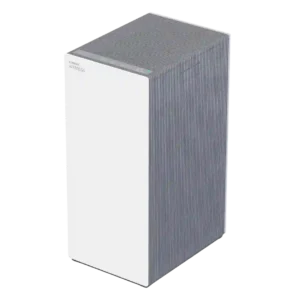
HEPA filtration receives strong praise when paired with the carbon system, with reviewers saying it covers large areas and is an important part of the filter setup.
Pros: air purification performance, particle removal effectiveness
Cons: size and footprint, value for money
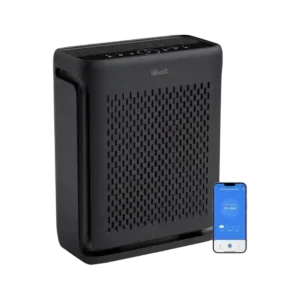
HEPA filtration was praised for powerful filtration and overall filter quality, with reviewers tying it to allergy usefulness and strong test performance.
Pros: size and footprint, noise level
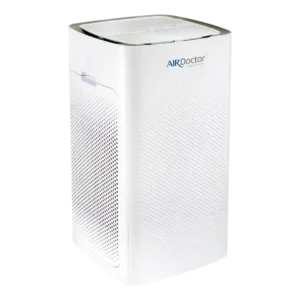
HEPA filtration is central to the positive performance story. Expert reviewers point to the tall HEPA filters as a major reason the unit cleans so effectively.
Pros: overall satisfaction, air purification performance
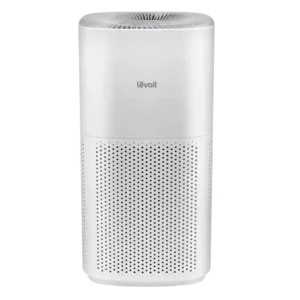
HEPA filtration is generally treated as effective for particles, though some reviews note Levoit changed or complicated HEPA claims.
Pros: noise level, odor reduction
Cons: filter replacement cost, size and footprint
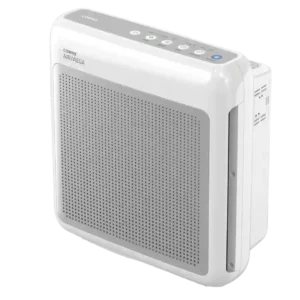
Reviewers praise the HEPA filtration as well made and high performing, including strong True HEPA-based particle capture.
Pros: noise level, air purification performance
Cons: portability, smart features
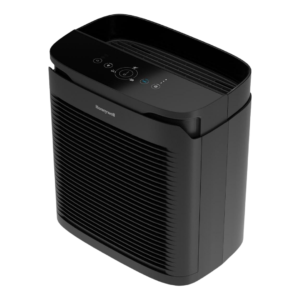
HEPA filtration is viewed positively by buyers who rely on Honeywell HEPA filters for pollution or regular use. Comments focus more on practical confidence than technical testing.
Pros: noise level, overall satisfaction
Cons: durability, sleep mode
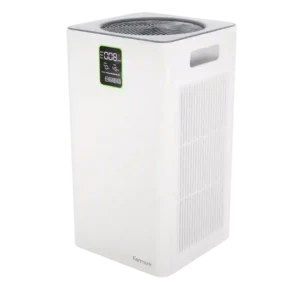
HEPA filtration is treated as a selling point by owners who like the machine’s filter setup. The H13 mention and comparisons to other HEPA filters give this area a positive...
Pros: overall satisfaction, air purification performance
Cons: reliability, fan speed options
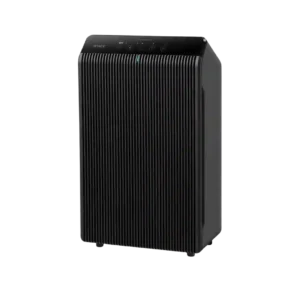
HEPA filtration earned strong praise as a key reason behind test performance and as a major part of allergen and particle capture.
Pros: air purification performance, value for money
Cons: noise level, energy efficiency
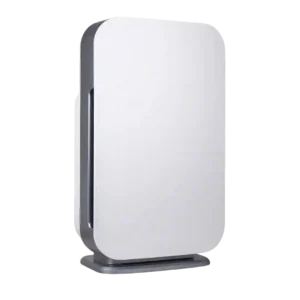
HEPA filtration was praised as substantial and effective for allergens, fine particles, and general clean-air confidence.
Pros: noise level, air purification performance
Cons: filter replacement cost, air quality sensor accuracy
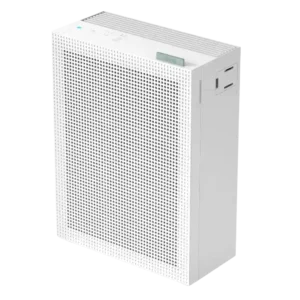
HEPA filtration was strongly praised as a key reason for particle-removal performance and pollutant reduction.
Pros: design and appearance, noise level
Cons: smart features, odor reduction
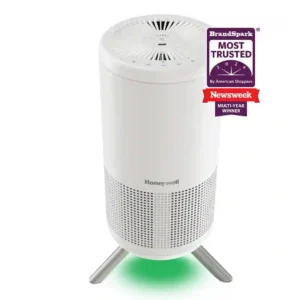
Experts praise the HEPA filter quality and certified 99.97% particle-capture capability.
Pros: noise level, air purification performance
Cons: CADR rating, activated carbon filter
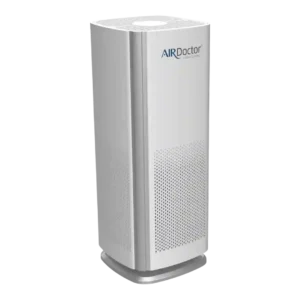
The HEPA stage gets credit for capturing very small particles, and it is framed as the main working stage in the filtration stack.
Pros: overall satisfaction, air purification performance
Cons: reliability
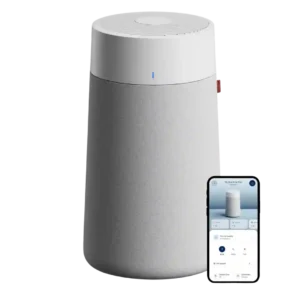
HEPA filtration is seen as effective by one customer, though separate evidence questions whether the unit is true HEPA.
Pros: noise level, air purification performance
Cons: air quality sensor accuracy, reliability
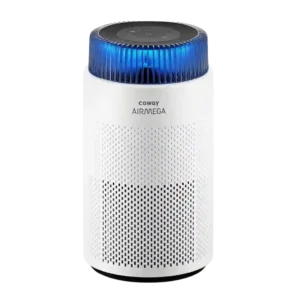
HEPA filtration was praised as the critical part of the filtration system in AirPurifierFirst’s review.
Pros: design and appearance, air purification performance
Cons: activated carbon filter, app connectivity
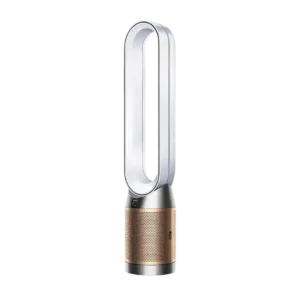
HEPA filtration evidence is positive where reviewers describe H13 HEPA as effective or part of the sealed filter system.
Pros: air purification performance, real-time air quality monitoring
Cons: value for money, noise level
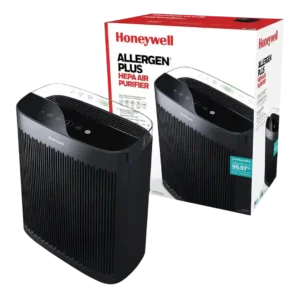
Customer evidence for HEPA filtration was strongly positive across 7 review(s), based only on cited transcript evidence.
Pros: noise level, air purification performance
Cons: filter replacement cost, reliability
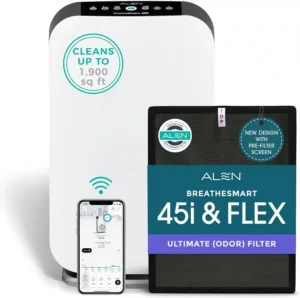
HEPA filtration is praised as medical-grade or effective for small particles and allergens.
Pros: overall satisfaction, air purification performance
Cons: pre-filter quality
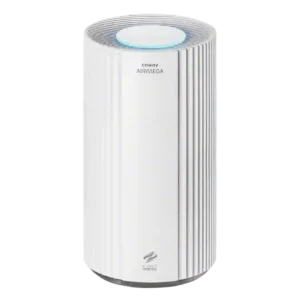
HEPA filtration was praised as making a noticeable difference and as a desirable, gimmick-free filtration approach.
Pros: air purification performance, noise level
Cons: app connectivity, power consumption
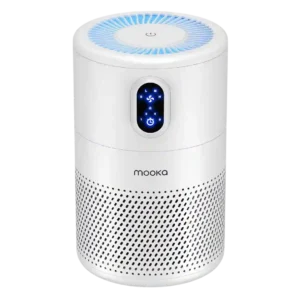
HEPA-related customer comments are positive, mostly from buyers who chose the purifier for allergy and breathing support.
Pros: noise level, air purification performance
Cons: filter replacement cost, reliability
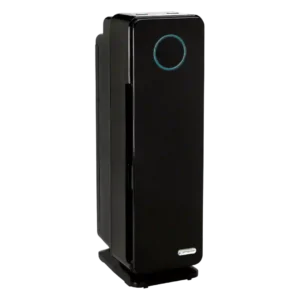
Reviewers value the HEPA setup and connect it with visible dust and allergen capture. It helps the purifier feel more capable than basic budget models.
Pros: noise level, size and footprint
Cons: reliability, safety concerns
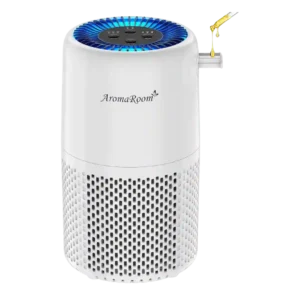
HEPA-related comments are positive, with buyers connecting the H13/HEPA filter to cleaner air, allergy help, and peace of mind. Some mention checking replacement filter pricing as part of ownership.
Pros: noise level, overall satisfaction
Cons: durability, control placement
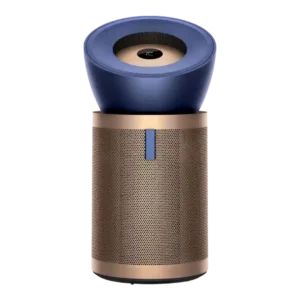
The HEPA H13 filtration and sealed filter path are viewed as high-grade, efficient, and important for particles.
Pros: overall satisfaction, air purification performance
Cons: value for money, size and footprint
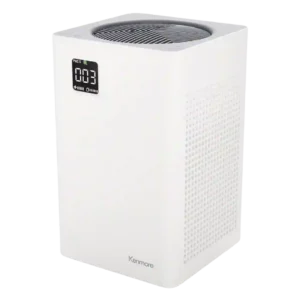
HEPA-related comments are generally positive, especially where owners connect the filter to dust, pollen, and cleaner air. One pet-heavy household flagged frequent HEPA filter replacement as expensive.
Pros: overall satisfaction, air purification performance
Cons: control placement, reliability
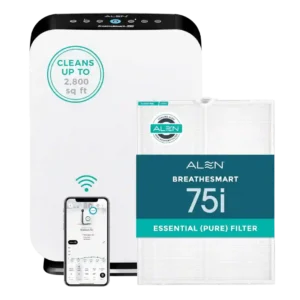
HEPA filtration is repeatedly described as effective or substantial.
Pros: air purification performance, allergen reduction
Cons: customer support, condition on arrival
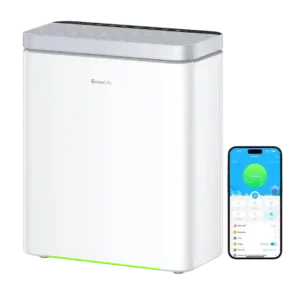
HEPA filtration is mentioned favorably by owners who wanted a higher-quality filter, including one buyer looking for HEPA-rated filtration around a newborn.
Pros: air purification performance, noise level
Cons: control placement
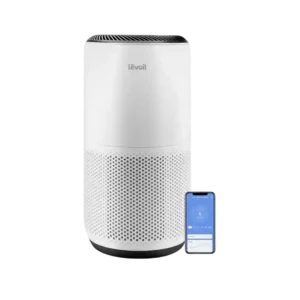
HEPA filtration evidence was positive where reviewers focused on particle filtration quality and H13/HEPA-style effectiveness.
Pros: air purification performance, app connectivity
Cons: true HEPA filter, pre-filter quality
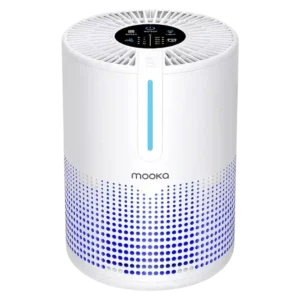
HEPA-related comments are positive where mentioned, especially around the H13 True HEPA filter and the simple fan-plus-filter setup. The praise is practical rather than lab-tested.
Pros: air purification performance, noise level
Cons: power connector fit, power adapter inclusion
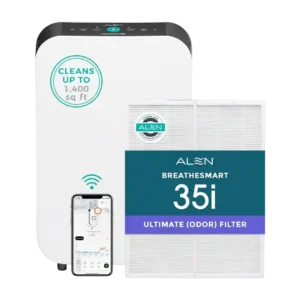
HEPA filtration is evaluated positively in expert discussion of particle and allergy coverage.
Pros: noise level, overall satisfaction
Cons: filter replacement cost, room coverage
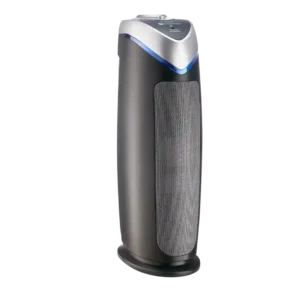
HEPA filtration is praised as an industry-standard particle approach, especially impressive at this price point.
Pros: noise level, air purification performance
Cons: value for money, room coverage
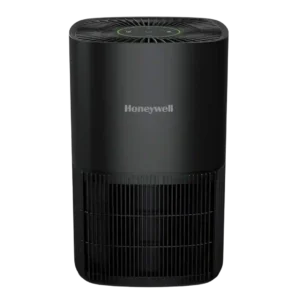
One allergy sufferer linked the HEPA filter use with breathing improvement after two days.
Pros: air purification performance, noise level
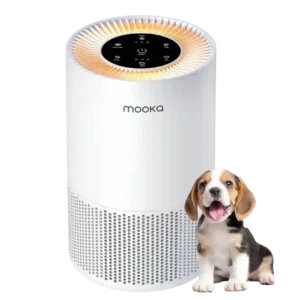
One reviewer specifically praised the H13 HEPA filter for removing dust, pet dander, and mild odors, tying the filter type to stronger cleaning performance.
Pros: noise level, air purification performance
Cons: reliability
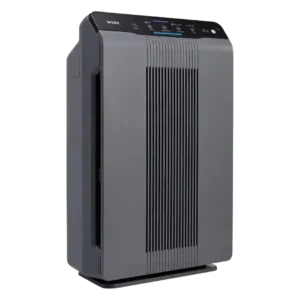
Review evidence for HEPA filtration is represented by the listed source reviews and reflects the scored praise, criticism, or tradeoff in those transcripts.
Pros: odor reduction, allergen reduction
Cons: reliability, activated carbon filter
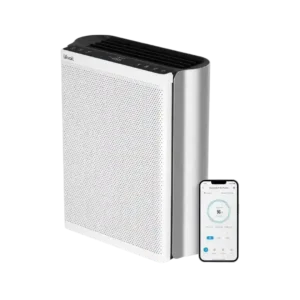
HEPA filtration is praised where described as HEPA or HEPA-13, while true-HEPA wording is handled separately.
Pros: air purification performance, noise level
Cons: filter replacement cost, reliability
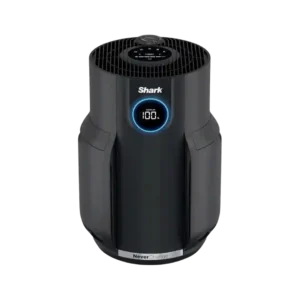
HEPA filtration is consistently treated as a strength for allergens, smoke, dust, and fine particles.
Pros: auto mode performance, room coverage
Cons: aromatherapy feature, handle design
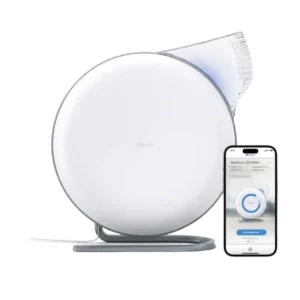
HEPA filtration is mentioned positively by users looking for a medically recommended filter. It supports allergy-focused use, though only a small number of reviews discuss it directly.
Pros: air purification performance, noise level
Cons: value for money, filter availability
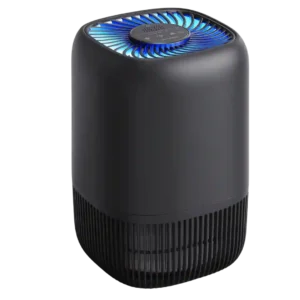
One reviewer specifically liked getting a HEPA filter at a low price. HEPA-specific performance detail was sparse, but that mention was favorable.
Pros: air purification performance, noise level
Cons: filter availability, reliability
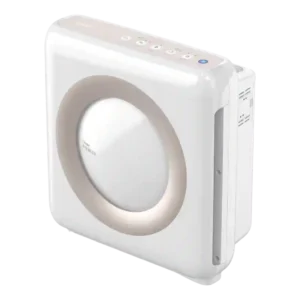
HEPA filtration receives strong marks, with reviewers emphasizing the all-important HEPA layer, fine-particle capture, and long-term evidence of an effective HEPA filter.
Pros: air purification performance, design and appearance
Cons: app connectivity, odor reduction