Best for peak brightness
Roku Pro Series (2025)
5.0 feature score
Highest scored product for this feature based on supporting review evidence.

Highest scored product for this feature based on supporting review evidence.
Balances feature score, supporting reviews, and overall product strength.
Has the broadest review evidence for this feature.
Strongest overall product among items with scored evidence for this feature.
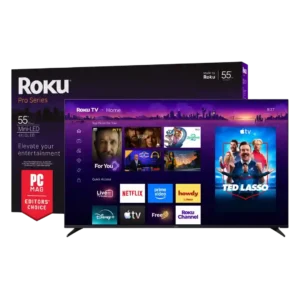
Brightness is consistently praised, with experts measuring strong HDR peaks and customers calling the screen extremely bright. It is especially effective in rooms with substantial ambient light.
Pros: resolution, display technology
Cons: customer support, optical audio output

The G6 reaches exceptional OLED peaks, often around 2500–3100 nits and higher in tiny highlights. Measurements vary by mode and firmware, but brightness is a major strength.
Pros: panel type, display technology
Cons: account requirements, DTS support
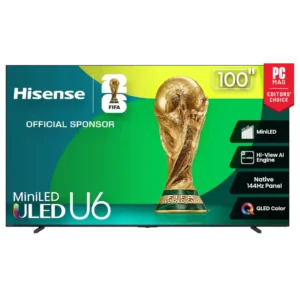
Peak brightness is a standout strength, with several tests and hands-on accounts describing the set as exceptionally bright for a budget model. That brightness gives highlights and everyday viewing more...
Pros: resolution, HDR format support
Cons: advertising intrusiveness, gaming dashboard
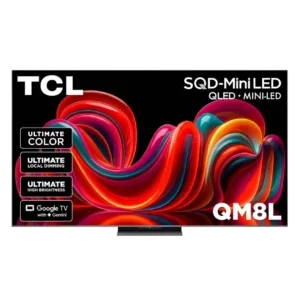
Extreme brightness is the QM8L’s defining strength, with measured peaks among the highest in its class. Highlights pop intensely and the screen remains commanding in bright rooms.
Pros: overall image accuracy, resolution
Cons: motion clarity, response time
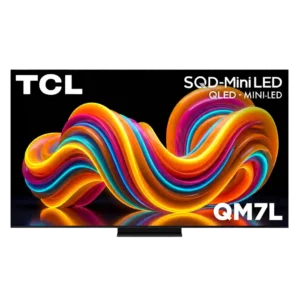
Brightness is a defining strength, with measured peaks around 2,400 to 3,300 nits and plenty of output for bright rooms. The highest peaks may be brief rather than consistently sustained.
Pros: resolution, HDR format support
Cons: software updates, account requirements
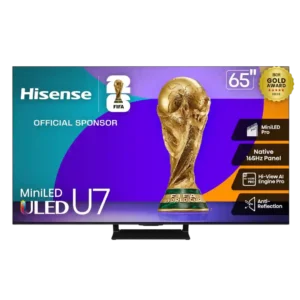
Peak brightness is exceptional for the class and is one of the most consistently praised aspects of the U75QG.
Pros: sustained brightness, HDR format support
Cons: gaming mode quality, Bluetooth audio support
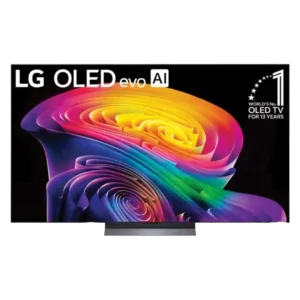
Brightness is unusually strong for a midrange OLED, with HDR highlights that can exceed 1,400 nits on standard models and go beyond 2,000 nits on tandem-panel versions. It still cannot...
Pros: resolution, contrast ratio
Cons: HDR10+ support, account requirements
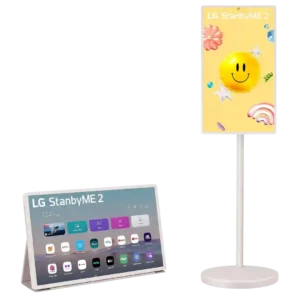
Reviewers who discussed brightness found it more than adequate for normal indoor use. The screen is less convincing around strong daylight or windows, where glare and reduced perceived brightness can...
Pros: streaming app support, voice control accuracy
Cons: motion handling, motion clarity
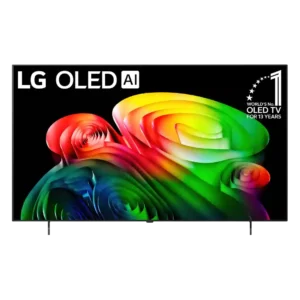
Peak brightness is clearly improved over the B5, but opinions depend on context. It is brighter than prior budget OLEDs yet still noticeably dimmer than the C6 and other premium...
Pros: display technology, response time
Cons: setup ease, account requirements
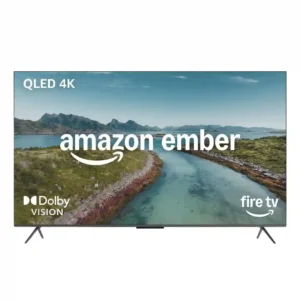
Brightness is mixed: some reviewers call it improved or impressive for the class, while others measure it well below stronger Mini-LED competitors. It is generally enough for everyday viewing, not...
Pros: local dimming performance, HDR format support
Cons: gradient handling, banding control