
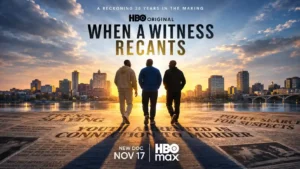
When a Witness Recants Feature Scores
Overall Scorata score: 4.6/5
Based on 24 analyzed reviews · View source samples
Explore all 40 feature scores for When a Witness Recants, organized into pros and cons.
Scores by Feature
Summary
40 reviewed features-
Very positive 4.5-5.024 (60%)
-
Positive 3.5-4.410 (25%)
-
Neutral 2.5-3.45 (13%)
-
Negative 1.5-2.41 (3%)
Pros
Sort
-
The face-to-face encounter with Ron Bishop is the film’s most discussed sequence: raw, tense and unpredictable. Instead of easy forgiveness, it reveals how deep the injuries remain.
-
A compelling, deeply upsetting account of the Harlem Park Three emerges from the records and firsthand testimony. Its familiar true-crime foundations are elevated by a confrontation that avoids a neat resolution.
-
The decades stolen from three men generate anger, grief and empathy, while their interactions with the witness bring the pain into sharp focus. The relentlessly difficult subject matter can be draining.
-
Case records, conflicting testimony and filmed depositions make misconduct increasingly difficult to dismiss. A careful reconstruction helps viewers understand how the false convictions survived for decades.
-
The three exonerees speak with uncommon openness, alongside witness interviews and later legal depositions. This combination exposes both personal damage and institutional contradictions.
-
The film makes the cost of the wrongful convictions unmistakable, insisting that exoneration and settlement money cannot restore the stolen decades. Some find the climactic personal confrontation pulls emphasis away from wider institutional responsibility.
-
The closing meeting refuses the comforting reconciliation viewers may expect. That difficult honesty brings both moral nuance and an unsettling lack of closure.
-
Vintage news footage and other historical material evoke 1980s Baltimore and contrast with later depositions. This texture helps the injustice feel grounded in a real community and time.
-
The documentary looks beyond legal release to show how lost decades persist in personal habits, relationships and emotional wounds.
-
Dawn Porter’s restrained attention to the exonerees earns acclaim, especially during the tense final meeting; a few find her direction conventional or overly manipulative.
-
Archive footage and personal recollection recreate a Baltimore community and a pivotal school shooting in the early 1980s.
-
Its case for fairness and accountability comes through urgently without treating a financial settlement as an adequate remedy for lost years.
-
The film makes the police pressure, suppressed leads and evasive officials deeply infuriating, showing how institutional failures stole decades from three young men. Its familiar subject gains urgency through the people who lived with the consequences.
-
The film allows fear, responsibility and anger to coexist rather than assigning everyone a simple role. The witness’s response is uncomfortable and provokes conflicting judgments.
-
The film shows lasting psychological wounds and the difficulty of readjustment. Some critics nevertheless want more attention to the witness’s own mental health.
-
The refusal of an easy apology or emotional payoff gives the ending exceptional force. Its extended encounter continues the inquiry beyond the men’s legal exoneration.
-
Stark black-and-white illustrations help reconstruct childhood experiences and fill gaps in the visual record. Some find the comic-book style intrusive or too sentimental, while others wish there were more of it.
-
The film looks beyond the original crime and conviction to community trust, the witnesses’ burdens and life after release. A minority view wishes its institutional and psychological examination went further.
-
The witness’s justifications are contrasted against the exonerated men’s demand for accountability, leading to an uncomfortable examination of responsibility.
-
The family testimony makes the emotional cost of imprisonment intimate and human.
-
Accounts of missed relationships, lost decisions and ongoing adjustment vividly convey how imprisonment continues to affect everyday life.
-
The extraordinary injustice and abrasive final meeting linger long after the credits.
-
The unscripted climactic meeting creates intense anticipation because neither apology nor forgiveness is assured.
-
The documentary forcefully reconstructs how three teenagers were falsely convicted and imprisoned for decades. It makes the systemic failure concrete through testimony and later case records.
-
Cross-cutting past and present statements sharpens contradictions and consequences. Displayed court transcripts and other straightforward passages strike one critic as less visually imaginative.
-
Ta-Nehisi Coates offers personal recollections and larger historical context, though one account finds his contributions predictable and distracting.
-
The film develops ideas of lost time, injustice and imperfect accountability, with its most probing moments refusing easy reconciliation.
-
The contrast between graphic black-and-white illustration and grainy historical footage has a strong expressive effect. Not everyone finds the documentary formally distinctive.
-
The documentary regards the recanting witness’s guilt as ethically complicated, acknowledging the pressure placed on a child while testing the limits of adult responsibility.
-
Its most powerful contextual passages connect one Baltimore case with systemic racism, class and misplaced institutional trust. A dissenting view finds some of that larger analysis sidelined in favor of interpersonal conflict.
-
Deliberate framing, shadow and stillness reinforce the lost years and oppressive atmosphere. Its precise compositions make absence and confinement feel palpable.
-
The Baltimore community is portrayed as a place of warmth as well as fear, giving the case context beyond damaging public stereotypes.
-
Historical news footage exposes how the original public narrative intensified fear and failed to question the accusations.
-
The documentary largely follows established true-crime methods, though the post-release confrontation brings a distinctive and hard-to-predict turn.
Cons
Sort
-
A few viewers find the animation too sentimental for material better served by unadorned interviews and documents.
-
The underlying case is generally easy to follow, but one critique finds the deliberate withholding of information creates an uneven impression of the events.
-
Its sympathetic approach to a pressured teen witness has moral complexity, but a critic questions whether it applies enough distance or institutional scrutiny.
-
The final confrontation has room to breathe, and pauses underline the cost of lost time. The earlier chronology can feel conventional, though it establishes vital context.
-
The film moves between present interviews, historical material and a long closing confrontation. Some find the assembly skillful, while others regard its early stages as formulaic or too inclined to withhold known facts.
-
The film chiefly centers the lives and perspectives of those wrongly imprisoned. Critics differ on whether certain framing choices redirect blame away from institutions.
Use Cases
Best for
Sort
-
Investigative-documentary viewers get the legal chronology, contradictory testimony, original reporting and deposition footage, plus an unusually consequential final conversation.
-
The film is a strong choice for viewers who want documentary criticism of racism, policing and institutional accountability, told through the individual lives affected.
-
The exoneration case provides a stark example of coerced testimony and failures of public accountability, making the film especially relevant to justice reform discussions.
-
Questions of responsibility, coercion, forgiveness and systemic blame make this a compelling film to debate after viewing.
-
This is a rewarding but distressing true-crime selection, emphasizing injustice and aftermath over a conventional whodunit mystery.
Conditional or not ideal for
-
Stress-sensitive viewingThe wrongful convictions and the fraught confrontation produce sustained anger and grief, making this an emotionally taxing watch for sensitive viewers.
-
Closure-seeking viewingAnyone looking for a soothing apology or complete reconciliation may find the unresolved ending especially frustrating.
Cast & Creators
-
DirectorDawn Porter receives considerable praise for giving the exonerees room to speak and trusting the raw final encounter. Some critics question the familiar documentary form and her attempt to engineer catharsis.
-
AnimatorDawud Anyabwile’s black-and-white illustrations create a graphic sense of childhood vulnerability and institutional menace, even as the animation itself divides critics.
-
Executive ProducerTa-Nehisi Coates is credited with contextualizing Baltimore’s experience and systemic injustice, although one assessment considers his on-camera commentary overly obvious and distracting.