
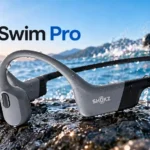
Shokz OpenSwim Pro Feature Scores
Explore all 50 feature scores for Shokz OpenSwim Pro, organized into pros and cons.
Scores by Feature
Summary
50 reviewed features-
Very positive 4.5-5.018 (36%)
-
Positive 3.5-4.412 (24%)
-
Neutral 2.5-3.49 (18%)
-
Negative 1.5-2.47 (14%)
-
Very negative below 1.54 (8%)
Pros
Sort
-
IP68 protection is the core appeal, handling laps, flip turns, showers and wet workouts rather than merely splashes. The stated depth and duration limits still matter.
-
Fast charging is a standout convenience, frequently praised for adding hours of playback in a short top-up. The unusual connector is less universally convenient than USB-C.
-
Keeping the ears unobstructed makes traffic, conversations and other surroundings easier to hear while moving. This remains one of the strongest reasons to choose the design.
-
The ear hooks stay put through running, strength drills and many swimming strokes, including flip turns. Fit is less predictable under a tight cap, with some bounce or pressure reported.
-
Adding Bluetooth makes this far more versatile than a swim-only player, with generally reliable connections for music and calls on land. Underwater playback still requires stored files.
-
The large onboard music library is a signature strength, making underwater and phone-free listening possible. Finding, ordering, and transferring songs can be less smooth than the sheer storage capacity suggests.
-
The light, soft frame often disappears during hours of running, swimming, or daily wear. A few users notice pressure from snug swim caps or the headband during certain positions.
-
The compact, low-weight frame is barely noticeable to most users across long sessions, although head shape can make it feel less airy for a few.
-
Swimmers and multisport users are particularly enthusiastic about the unusual combination of underwater playback, secure fit and land connectivity.
-
Switching between streamed music on land and stored files underwater makes one headset work across sports. Some dislike fiddly button combinations and returning to Bluetooth after each restart.
-
Underwater playback earns especially strong praise for its fullness and clarity. On land the audio is good for bone conduction but noticeably less rich than conventional earbuds, especially at loud volumes.
-
The supplied soft or silicone case is handy for storing the headset and its special cable, while drainage or ventilation helps wet gear dry. Its practical design suits pool bags.
-
Most find the tactile controls workable while running or swimming, including with wet hands or gloves. Smaller volume and mode buttons can be fiddly, with occasional accidental switching.
-
Swim earplugs are useful for stronger perceived sound and lower pool noise, and the supplied case helps store the wet headset. These extras make the swimming package more complete.
-
Vocals and midrange material come through clear and balanced, helping spoken-word listening and music retain definition despite restrained bass.
-
Bluetooth endurance generally covers full workdays and most training sessions, but local-file playback is shorter and high volume reduces runtime. Long-distance athletes may need to plan around that gap.
-
Bluetooth is described as dependable, and switching between connected devices works without much disruption in normal use.
-
Bluetooth pairing and basic operation are straightforward, even with a computer. File loading and less common configuration settings require more effort.
-
Higher-frequency detail and vocals remain clear enough for enjoyable music, including underwater, even if the overall presentation is not audiophile-grade.
-
The two-year coverage, including reassurance about water ingress, is a welcome benefit for equipment used in the pool.
-
Two-device pairing adds useful flexibility for switching between personal devices and taking a call. Setup is handled through the app and generally works as intended.
-
Voice calls come through well in offices and during walking or cycling in moderate noise. Busy roads and louder places can make speech harder to follow.
-
Swim goggles and caps generally work with the slim frame, while glasses and sunglasses are more divisive. Some wear them together comfortably and others find combinations crowded.
-
The companion app makes EQ and mode selection easier and can help configure controls or multipoint connections. Its handling of onboard songs draws criticism, although one account notes newer playback-order controls.
-
The streamlined wraparound shape looks discreet on the head, and the brighter color option appeals to those wanting a distinctive piece of swim gear.
-
Noise-reducing microphones keep land-based calls intelligible in ordinary settings, although very loud surroundings remain a challenge.
-
The flexible, silicone-coated frame survives ordinary active use and feels durable, though some find it less rigid than the previous OpenSwim.
-
Despite its open-ear construction, the headset delivers pleasing separation of musical elements in both local playback and Bluetooth listening.
-
A sealed magnetic connection avoids exposing an ordinary port to water, a deliberate compromise that helps preserve swim-ready waterproofing.
-
The expanded assortment of playable audio file types is welcome for loading locally stored music. Bluetooth codec options are modest, although that does not bother everyone for this kind of listening.
Cons
Sort
-
Large storage does not guarantee easy listening: track order, folder access, shuffle repeats and sparse in-app navigation frustrate many. A few accounts report improved app or folder controls, so experiences differ.
-
The proprietary headset connection draws repeated complaints from people wanting an everyday USB-C charging cable. Some appreciate its water-sealing rationale, and charging-end connectors can vary.
-
Open ears keep environmental sounds accessible, which is valuable outdoors but makes trains, busy roads and loud gyms difficult places to follow audio.
-
Bass-heavy music can distort when volume is pushed toward the top, particularly outdoors when listeners are trying to overcome surrounding noise.
-
The magnetic connection can feel secure and simpler than the original charging cradle, but the proprietary cable is a recurring headache: losing it means finding the correct replacement.
-
Ordinary streaming is convenient through Bluetooth on land, but saved subscription playlists generally cannot be transferred for underwater offline playback. Owned compatible files are needed.
-
The standard band does not suit everyone, and several accounts wish for a shorter Mini option. One account describes size choices differently, so fit expectations should be checked carefully.
-
The headphones can sink if they come loose, creating a particular loss risk in lakes or deeper open water. Securing them under swim gear is sensible.
-
Wind can overwhelm the music on faster bike rides and exposed runs, although the streamlined design helps reduce physical wind buffeting for some.
-
This open-ear headset cannot mask loud gym music or other intrusive sounds. It suits awareness-focused activity rather than noise-cancelling listening.
-
Turning up bass-heavy tracks can produce a noticeable cheekbone tickle or vibration, which some find distracting. Others report less vibration than on earlier Shokz models.
-
Volume is adequate in calmer environments but often cannot overpower wind, crowds or traffic. Raising it to maximum can add distortion or unwanted vibration.
-
The open-ear, bone-conduction approach lacks the enveloping soundstage of more traditional headphones, particularly when external noise intrudes.
-
Copying locally owned files is straightforward once connected to a computer, but the cable, possible adapter, and manual preparation feel dated beside streaming services.
-
Gentle frame pressure supports a secure fit, but a tight swimming cap can push the hooks against the ears or temples during longer sessions.
-
At restrained listening levels the headset may be unobtrusive, but loud music can be audible to nearby people, especially at a crowded pool wall.
-
There are basic preset choices rather than a full customizable EQ. Some listeners find the limited options underwhelming for fine-tuning music.
-
Vocal presets can help speech, and swimming mode changes the underwater balance. Preferences differ sharply: some like the swim tuning, while others find it flat and prefer Standard.
-
The premium feels justified for swimmers who also run or cycle and need both playback modes. Land-only listeners or swimming-only buyers often have cheaper ways to cover their needs.
-
Bass is limited compared with sealed earbuds, especially on dry land, but can sound noticeably fuller underwater or with earplugs. Some swimmers find its punch surprisingly strong for bone conduction.
Use Cases
Best for
Sort
-
This is where the headset excels: reliable local audio, impressive submerged sound and generally secure retention through laps and turns. A snug cap can cause pressure, and files must be loaded first.
-
Secure, featherweight fit and open ears make it compelling for runners, with phone-free MP3 playback as a bonus. Bass, volume and price can make land-only alternatives better buys.
-
The mix of pool-ready local playback, open-ear awareness and land-based Bluetooth makes the headset well suited to athletes who swim, ride and run.
-
Speech can sound clear, especially with the Vocal preset, making podcasts a natural fit in quieter situations. Navigating long locally stored audiobooks or following them in traffic is less convenient.
-
Open-ear awareness and a secure wraparound fit suit riding, including with helmets. Strong wind and speed can drown out music, so audibility is conditional.
-
The submersible build lets workouts and podcasts continue through a shower without the usual concern over moisture.
-
Ambient awareness, comfort and Bluetooth playback make walks an easy fit without shutting out people or traffic.
-
Multipoint can make watching something on a computer and taking a smartphone call more convenient without repeated pairing.
-
The exposed-ear design helps preserve awareness outdoors, but the music may struggle to compete with busy surroundings.
-
Call audio can be usable on a bike without blocking surroundings in moderate noise, though wind and heavy traffic may limit clarity.
-
The headset tolerates sweat and many exercises, but some jumps cause bounce and the rear band can interfere with bench work. It will not drown out loud gym music.
-
The dual-mode, open-ear design is handy for hikes that combine moving outdoors with listening while remaining aware of the surroundings.
Conditional or not ideal for
Sort
-
Noisy public transportTrains and other loud transit settings overwhelm the open-ear audio, making this a poor choice for isolated music listening or clear calls.
-
Lying-down listeningThe rear neckband can interfere with a bench, floor or pillow and may shift the sound pods. Some find it comfortable in bed, but the experience is inconsistent.
-
Paddleboarding and water sportsWaterproofing helps on boards and other surface sports, but the nonfloating design creates a risk during harder falls. Secure retention matters more outside a pool.