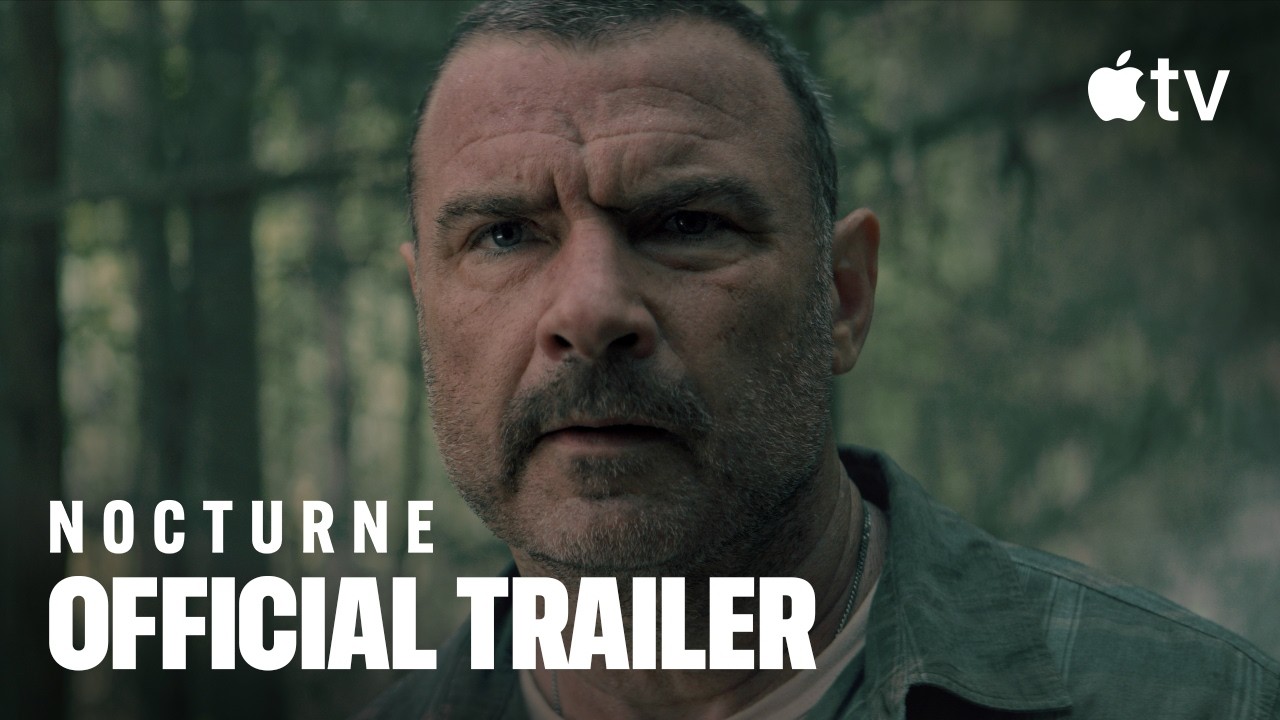
Disturbing serial killings involve children being abducted and buried alive, alongside depicted suicide or self-harm and sustained psychological manipulation. Institutional abuse and intense grief add to the mature, oppressive tone.
Official ratingTV-MA
Bottom Line
Stephen Graham’s chilling control and a strong ensemble make the hospital mind games compelling. Slow setup, familiar detective tropes, and implausible turns are the main reasons this thriller may frustrate.
Serial-killer thriller fans and viewers drawn primarily by strong acting, especially Graham’s unsettling villain and Beetz’s undercover work. Fans of 1990s thrillers or Scandinavian murder stories may also enjoy its familiar rhythms.
Viewers who need airtight logic or a satisfying watch while distracted by a phone. The hospital procedures strain credibility, and the delayed context rewards patience and attention.
Verdict
Nocturne makes its strongest case through its cast. Stephen Graham turns soft speech and apparent compassion into an unsettling weapon, while Zazie Beetz gives the undercover storyline intelligence and emotional range. Liev Schreiber, Rory Culkin, and the supporting ensemble often make familiar material worth watching. The recommendation becomes more conditional around the plotting. Some critics find a taut, addictive mystery; others struggle with delayed backstory, underwritten characters, predictable reveals, and hospital decisions that strain belief. It should particularly appeal to serial-killer thriller fans who can accept those stretches, and continuous viewing may help with the slow opening. Most assessments cover seven of ten episodes, so the final resolution remains an open question.
main cast performance: 4.7, 19 reviews, strong consensus
Graham’s controlled menace and Beetz’s layered undercover work dominate the praise. Schreiber’s restrained detective divides opinion between quietly devastating and too familiar.
The cast is the clearest shared strength, with Graham and Beetz drawing especially enthusiastic praise. Even disappointed critics usually credit the performers with elevating uneven material.
Jurek’s apparent gentleness, calculated empathy, and eerie calm make him the show’s strongest attraction. A dissenting view finds his psychological power underused, with tricks and notes replacing the promised verbal warfare.
Culkin’s vulnerable nurse and Jagannathan’s forceful but human agent frequently enrich the thriller. Camp is a standout for some, while one critic finds Culkin’s nervous manner overplayed.
The hospital mind games and race to find a missing girl can be gripping even when twists are predictable. A smaller group finds the prolonged setup and heavy mood ineffective at generating real tension.
character appeal: 3.7, 11 reviews, moderate consensus
Karl’s vulnerability, Saga’s resourcefulness, and several supporting figures create strong interest. Jonah is more divisive, with reactions ranging from an engaging flawed protagonist to an uninspiring genre fixture.
The series relies heavily on familiar broken-cop and imprisoned-mastermind conventions. Its manipulative villain and emphasis on how crimes continue offer fresh interest for some, while others see an overly familiar remix.
Some critics find a breathless, steadily escalating thriller; others struggle through a glacial opening before momentum arrives. The later available episodes generally generate more excitement than the early setup.
character development: 2.8, 12 reviews, low consensus
Karl and Saga offer intriguing psychological layers, but Jonah and several supporting roles often feel underwritten. Critics disagree over whether the slow reveal deepens these people or reduces them to plot functions.
Sharp dialogue and steady information release help the thriller work at its best. Critics also point to contrived decisions, excessive withholding, and characters whose emotional lives serve the plot too narrowly.
Late twists divide opinion between exciting escalation and implausible excess. Several critics find the surprises telegraphed, although the tension often survives knowing what is coming.
Hospital security, convenient coincidences, and implausible decisions repeatedly test suspension of disbelief. Strong acting helps some viewers accept these stretches, but logical plotting is a persistent weakness.
Thriller fan viewing: 4.5, 4 reviews, strong consensus
Serial-killer thriller fans have a strong reason to watch in Graham’s unsettling villain and the tense hospital confrontations. Enjoyment depends partly on accepting familiar conventions and occasional implausibility.
Attentive viewing is rewarded by the performances and developing mystery. The show is praised for expecting more engagement than a second-screen watch.
Viewers missing twisted 1990s serial-killer movies should find familiar pleasures in the big performances and cat-and-mouse games. The ten-hour commitment is considerably larger than a single film.
Viewers who need airtight logic may struggle with convenient plot developments and irrational hospital decisions. Earnest performances provide some grounding, but they do not remove those structural stretches.
Graham’s calm delivery, manipulative warmth, eerie laugh, and sudden menace make him the most consistently praised attraction. Even critics unhappy with the plotting find his performance hard to look away from.
Beetz earns repeated praise for moving convincingly between Saga and her undercover persona. Her hospital encounters combine intelligence, emotional range, and risk, making her one of the ensemble’s strongest draws.
Schreiber’s restrained grief and steady presence often anchor the investigation. Some find the performance quietly devastating, while a dissenting critic sees a commanding actor unable to lift Jonah beyond a one-note detective.
Culkin gives Karl an affecting mix of innocence, loneliness, and vulnerability that strengthens the hospital scenes. Most critics praise the work, although one finds his nervous, haunted manner overdone.
Jagannathan brings warmth, authority, and believable personal strain to Quinn. Her ability to suggest exhaustion without overplaying it is singled out as a strength.
Camp’s grounded presence, sympathy, and regional accent draw strong praise. One critic considers him the cast’s brightest performer and a stabilizing force whenever the production becomes overelaborate.
Compared with other TV Shows, this product is above average in accent appeal, memorability, villain quality, near average in acting performance, season pacing, below average in soundtrack quality, humor, lighting quality.
Comparison summary
55 compared features
Above average0.4+ pts higher
12(22%)
Same as averagewithin 0.3 pts
21(38%)
Below average0.4+ pts lower
22(40%)
Largest category differences
Attribute
This product
Category average
Difference
soundtrack quality
1.5
4.1
-2.6
humor
1.5
3.9
-2.4
lighting quality
2.5
4.1
-1.6
cinematography
2.8
4.3
-1.4
realism
2.1
3.4
-1.3
accent appeal
4.7
3.3
+1.4
episode length
2.0
3.3
-1.3
memorability
4.3
3.0
+1.3
Consider This Instead
If you want better character appeal
Choose The Agency, Season 2. It scores 5.0 vs 3.7 for character appeal, with a 4.3 overall score.
Similar: Undercover-agent and imprisoned-killer premiseThe series is framed as a riff on the film’s agent-and-killer setup.
True Detective
Better: Visual authenticityIts glossy production is judged less grounded than True Detective’s grit.
Similar: Rural dread and investigative toneScenes outside the hospital aim for the ominous rural tone of True Detective’s first season.
Similar: Woodland mystery cluesIts woodland clues resemble familiar material from the first season of True Detective.
FAQ
What is Nocturne’s biggest strength?
The ensemble, especially Stephen Graham’s quietly menacing killer and Zazie Beetz’s layered undercover performance. Even several critical assessments praise the acting.
Is it fast-paced or a slow burn?
Opinion is split. Some find a taut, steadily escalating mystery, while others find the early episodes slow and the later available episodes more engaging.
Are the twists surprising?
Several critics find key reveals telegraphed or implausible. Others remain gripped by how and why the crimes happen even when they anticipate a twist.
Is it better binged or watched weekly?
One assessment favors binging to reduce the frustration of delayed explanations; another praises its weekly hooks. Patience with the opening is the deciding factor.
Does the season stick the landing?
The supplied assessments do not establish that. Most critics screened seven of ten episodes and leave the final resolution unjudged.
How disturbing is the content?
The series includes serial murder, child abduction and burial alive, self-harm or suicide, institutional abuse, and sustained psychological terror. It is a mature, oppressive thriller.
Does the adaptation satisfy readers of the novels?
Reactions differ sharply. Some praise liberties that retain the novels’ spirit; others feel the show neglects the wider impact of the killer’s crimes.
Sample Expert Reviews We Analyzed
These are a few of the reviews included in our analysis.
Best for sharp adult humor, magnetic chemistry and a deeply satisfying farewell. Skip it if familiar will-they-won’t-they plotting or deliberately messy leads are dealbreakers.
Choose Widow’s Bay for its dark laughs, richly haunted island and memorable ensemble. Skip it if you need straightforward scares, rapid answers to every mystery or a completely resolved finale.
Choose Season 15 for warm, character-driven comedy, meaningful growth, and a finale that rewards longtime fans. Skip it if the short binge format, uneven replacement voices, or occasional clumsy commentary...
Best for sharply acted, compassionate, high-pressure hospital drama. Skip it if graphic procedures unsettle you or you need a neatly resolved season finale.