If you want better Automation and sensors
Choose De’Longhi Magnifica Start Automatic Espresso Machine. It scores 4.6 vs 2.2 for Automation and sensors, with a 3.9 overall score.

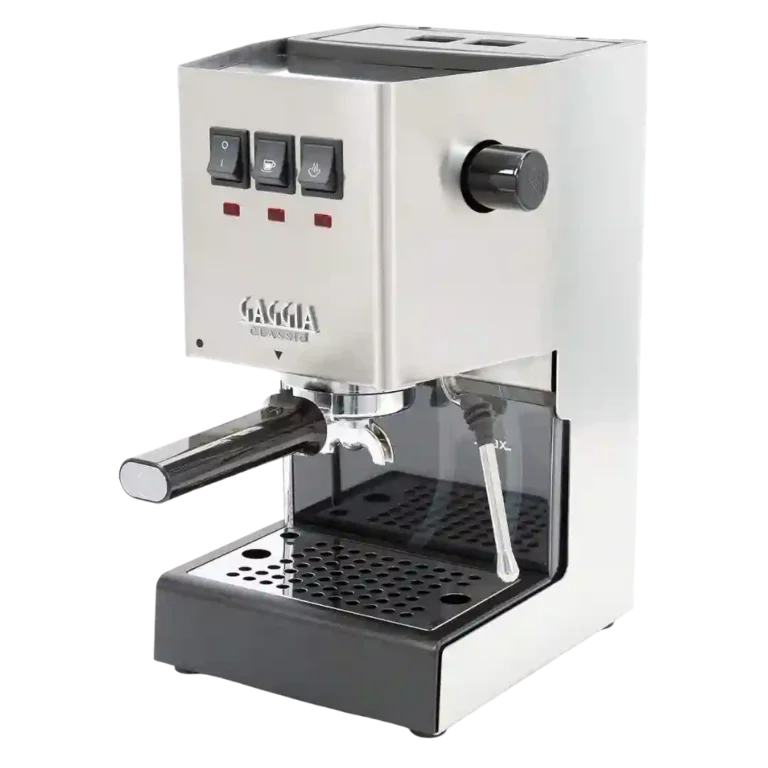
Choose it for rich espresso, durable metal construction, repairability, and a platform that can grow with your skills. Skip it if you want push-button drinks, instant workflow, or several large milk drinks back-to-back.
Best for aspiring or experienced home baristas who want excellent espresso, manual control, repairability, and room to modify the machine over time. It is especially well suited to one or two drinks per session.
Skip it if you want one-touch drinks, automatic milk texturing, instant readiness, or effortless service for several large milk drinks in a row. It also makes less sense if you do not want to buy a capable grinder and basic accessories.
The brass-boiler E24 fixes much of the Classic’s long-standing temperature-stability weakness without changing its enthusiast-first character. Across testing, it produces rich, repeatable espresso, strong microfoam, and unusually durable, serviceable hardware for the price. The tradeoff is workflow: it is still a single-boiler machine with no stock PID, so full warm-up, occasional temperature surfing, and brew-to-steam waits remain part of ownership. Reviewers also repeatedly criticize the flimsy tamper and missing cleaning or milk accessories, and a capable grinder adds to the real setup cost. For a home barista making one or two drinks at a time, though, the combination of shot quality, repairability, and modding headroom is unusually compelling.
Compared with other Coffee Machines, this product is above average in Warranty and Customer support, Build quality and durability, Plastic-free materials, near average in Brewing performance and consistency, Overall user experience, below average in Assembly and Setup, Automation and sensors, Drink variety and customization.
| Attribute | This product | Category average | Difference |
|---|---|---|---|
| Assembly and Setup | 1.5 | 4.2 | -2.7 |
| Automation and sensors | 2.2 | 4.2 | -2.0 |
| Drink variety and customization | 2.0 | 4.0 | -2.0 |
| App, connectivity and smart control | 1.5 | 3.2 | -1.7 |
| Warranty and Customer support | 5.0 | 3.6 | +1.4 |
| Cup, tray and carafe handling | 2.5 | 3.7 | -1.2 |
| Build quality and durability | 4.9 | 3.8 | +1.0 |
| Plastic-free materials | 4.1 | 2.8 | +1.3 |
Choose De’Longhi Magnifica Start Automatic Espresso Machine. It scores 4.6 vs 2.2 for Automation and sensors, with a 3.9 overall score.
Choose Philips Café Aromis 8000. It scores 4.9 vs 1.5 for Assembly and Setup, with a 4.4 overall score.
Choose Smeg EMC02 Mini Pro Espresso Machine. It scores 4.8 vs 3.3 for Speed and time-to-cup, with a 4.1 overall score.
Choose Breville Barista Express Impress Espresso Machine. It scores 4.6 vs 3.1 for Accessories, with a 4.1 overall score.
Products reviewers directly compared with this model, grouped into quick takeaways.
Not necessarily. Multiple tests found the brass boiler much more temperature-stable than older Classics, but some testers still use light temperature surfing, and a PID remains attractive for precise straight-espresso control.
The ready light can appear in roughly 60–90 seconds, but several reviewers recommend about 8–15 minutes so the group head and portafilter fully heat soak.
It can be a strong first serious espresso machine for someone willing to learn manual puck prep, temperature habits, and milk steaming. Buyers wanting push-button convenience are better matched to more automated machines.
It handles one or two drinks comfortably, and some accounts report two or three small cappuccinos before recovery is needed. Large jugs and several milk drinks in succession expose the small single-boiler limitation.
The recurring recommendations are a better 58mm tamper, cleaning supplies, and a milk pitcher. A capable espresso grinder is also important for getting the best from the non-pressurized baskets.
Generally yes. The three-way solenoid supports backflushing, parts are accessible, and reviewers praise serviceability, but regular wand cleaning, backflushing, and descaling are still part of ownership.
Noise is one of its quieter strengths: one measured test recorded 66dB and another owner found the pump noticeably quieter, though a light cup can let the drip tray rattle.
These are a few of the reviews included in our analysis.

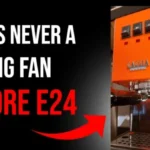
Discover the Gaggia Classic Pro E24, the ultimate espresso machine for modders. Dive into its features, performance, and why it’s a favorite!
Is the Gaggia Classic Pro still one of the the best entry-level espresso machine in 2026? Kev breaks down the build, mods, workflow, and real...
We road-tested the Gaggia Classic Pro E24 with our blends. If you're still on the cafetière, here's why it might be time to make the step up.
In-depth Gaggia Classic Pro (Classic Evo Pro E24) review: 58mm portafilter, solenoid valve, 9-bar OPV, steam wand, and the mods owners rate most.
Shop the essentials The small upgrades that make a home coffee setup cleaner, smoother, and more enjoyable to use every day. Cleaner &...
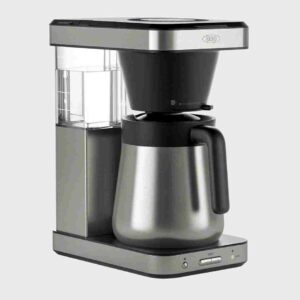
Choose the OXO Brew 8-Cup if you want fast, consistent drip coffee in small or full batches. Skip it if you need programming, app controls, a larger pot, or the...
Pros: Brewing performance and consistency, Build quality and durability
Cons: Design flaws, Capsules
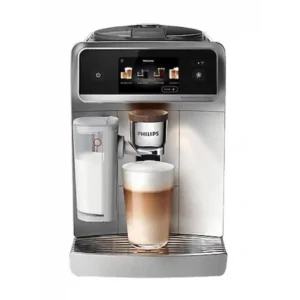
Best for effortless, highly personalized hot and cold coffee in a busy multi-drinker home. Skip it if counter space is tight, you demand silky adjustable microfoam, or the premium price...
Pros: Pump pressure consistency, Capsules
Cons: Portability and travel-friendliness, Design flaws
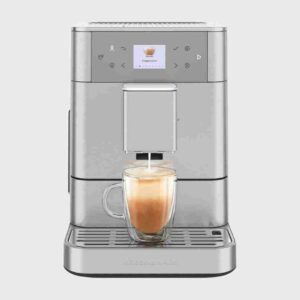
Choose the KitchenAid KF6 for rich espresso, quiet operation, easy cleaning, and strong value in a super-automatic. Skip it if dense cappuccino foam, plant-milk presets, touchscreen controls, or an included...
Pros: Automation and sensors, Grinder
Cons: Accuracy of marketing claims, Design flaws
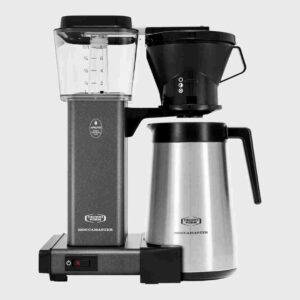
Choose the Moccamaster KBT for fast, excellent drip coffee, durable build, and a thermal carafe that keeps coffee hot. Skip it if you need programmability, a compact footprint, or a...
Pros: Heating-element power, Espresso and beverage quality
Cons: Design flaws, Automation and sensors