
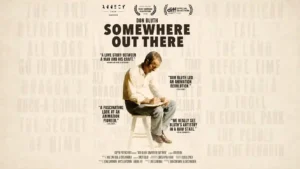
Don Bluth: Somewhere Out There Feature Scores
Overall Scorata score: 4.2/5
Based on 14 analyzed reviews · View source samples
Explore all 36 feature scores for Don Bluth: Somewhere Out There, organized into pros and cons.
Scores by Feature
Summary
36 reviewed features-
Very positive 4.5-5.026 (72%)
-
Positive 3.5-4.46 (17%)
-
Neutral 2.5-3.44 (11%)
Pros
Sort
-
The account of Bluth's career is revealing, connecting his ambitions and failures to the economics of independent filmmaking.
-
Archival footage is a central strength, woven into interviews to evoke different periods of Bluth's life, although the resulting timeline and repeated motif can occasionally be confusing.
-
The tension between artistic conviction, ego, financial survival and personal sacrifice gives the documentary more substance than a simple career celebration.
-
Historical interviews, home movies and production materials offer a rich window into the animation industry and the artist's work across decades.
-
Skillful archival editing turns decades of footage into compelling storytelling, especially when early optimism is juxtaposed with financial failure.
-
The archival material and reflective storytelling make for engaging viewing, though one assessment finds the retrospective solid rather than distinctive.
-
Interviews from different stages of Bluth's life and historical footage provide valuable perspective, revealing his enthusiasm, disappointment and eventual self-reflection.
-
Bluth's frank reflections on ego, business mistakes and personal sacrifices bring intimacy and honesty to the career retrospective, even if not every conflict is fully examined.
-
The retrospective gives a human perspective on an important era in animation history, tracing independent filmmaking's challenges and industry influence.
-
The conflict between creative ideals and commercial survival is a compelling throughline, showing how devotion to a craft can both drive success and contribute to failure.
-
The directors build an affectionate portrait with a carefully chosen narrative framework and sensitive treatment of the animator's contradictions.
-
The filmmakers admire Bluth while acknowledging his ego and failures. Some critics nevertheless feel the portrait gives him too much control or softens important conflicts.
-
Vintage production footage reveals the painstaking craft of hand-drawn animation. Some later films receive more attention for box-office performance than their artistic development.
-
The film offers a useful cautionary account of the cost of traditional animation and the difficulty of sustaining a creative business without compromising artistic standards.
-
The opening uses the red-shoes metaphor, archival montage and a compelling career turning point to establish its themes and tone.
-
The closing of the independent studio and Bluth's late-life reflections on regret lend genuine poignancy to the career story.
-
Wistful romanticism suits the subject's career, balancing reverence with melancholy and the costs of uncompromising ambition.
-
The tribute is affectionate but often moving precisely because it does not turn every failure into a triumph or ignore the cost of artistic devotion.
-
The film draws intriguing connections between Bluth's childhood insecurities, ideas of manhood and his creative identity.
-
The Hero's Journey framework and red-shoes metaphor are effective for some viewers, but the nonchronological arrangement and abrupt time jumps can be jarring.
-
Original artwork, production materials and footage of the animation process reveal how the finished films were made.
-
The final reflections on pride, sacrifice and unfulfilled personal ambitions give the retrospective a moving, sober conclusion.
-
The film makes room for Bluth's shortcomings and other perspectives, but its affection for him sometimes limits independent scrutiny.
-
The recurring image of the red shoes captures the compulsion to create and its personal cost, though its repetition can feel excessive.
-
The film taps into affection for traditional animation and childhood favorites, inviting viewers to understand the work and struggles behind those memories.
-
Bluth's candid reflections provide glimpses of his personality, yet several critics wanted more about his private life and the years after his major films.
-
A melancholy, romantic atmosphere suits the animator's bittersweet career.
-
Bluth's late admission of personal regret adds emotional weight to the account of his artistic sacrifices.
-
A deftly told career journey traces the highs and lows of an animation pioneer without losing sight of his artistic ideals.
-
Short interview excerpts keep much of the film moving, although abrupt shifts in chronology can interrupt the flow.
-
The documentary illuminates how even independent artists depend on collaborators and financial backers to realize their creative ambitions.
-
Bluth's Mormon faith is presented without overt condemnation or glorification, allowing its relationship to his artistic ambitions to emerge.
Cons
Sort
-
The focus on career highlights leaves some later films, professional conflicts and decades of personal history underexplored.
-
The subject's achievements are compelling primarily to animation enthusiasts; the film may have less appeal beyond that audience.
-
The conventional career-retrospective approach is competent but does not always distinguish itself from other documentaries.
-
The documentary covers the major professional milestones well, but the sparse private-life material and lengthy late-career gap limit its biographical completeness.
Use Cases
Best for
Sort
-
The film offers candid insights into the animator's professional ambitions and contradictions, but viewers interested primarily in his private life may want greater depth.
-
Animation enthusiasts are especially well served by the rich archival footage, craftsmanship and story of independent animation's struggle against Disney.
-
A revealing account of independent studios, competition with Disney and the changing animation industry makes it worthwhile for historical learning.
-
People unfamiliar with Bluth can find his journey fascinating, but the unclear chronology and specialist subject matter may make the film harder to follow.
-
Creative entrepreneurs can learn from the tensions between artistic independence, production costs, financial backing and the difficulty of sustaining a studio.
-
The film offers inspiration through artistic dedication while cautioning that determination alone cannot guarantee success.
-
Artists and writers can find value in its exploration of creative devotion and the personal and practical compromises behind artistic work.
-
Readers of Bluth's autobiography may appreciate this as a visual companion, rather than a replacement for the more detailed book.
Conditional or not ideal for
-
Full-life biography viewingViewers seeking a complete life story may be disappointed by sparse personal details and the abrupt leap from the late 1990s to his later life.
Cast & Creators
-
Documentary subjectHis reflective interviews are candid about his ego, business mistakes and personal regrets, giving the documentary an intimate, sometimes poignant perspective.
-
EditorHis archival storytelling and narrative construction are particularly effective, including poignant juxtapositions of hope and disappointment. Some later conflicts receive limited scrutiny.
-
DirectorHis sensitive approach frames Bluth's career as more than a celebration, acknowledging artistic sacrifice and contradictions, although some conflicts are glossed over.