Compare Clive Barker’s Hellraiser: Revival vs Kingdom Hearts Collection I – III

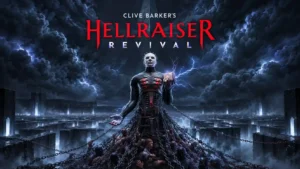
Clive Barker’s Hellraiser: Revival

Clive Barker’s Hellraiser: Revival

Overall score 3.7 / 5

Based on 62 scored reviews

vs
Kingdom Hearts Collection I – III

Kingdom Hearts Collection I – III

Overall score 3.7 / 5

Based on 43 scored reviews

How we score

Scorata scores summarize analyzed review evidence on a 1–5 scale; they are not laboratory measurements or a simple average of customer star ratings. Feature scores summarize the reviews covering that feature. The overall score averages feature scores within each review, then combines review averages. When both expert and customer evidence are available, those two groups receive equal weight. Products can have different review coverage, so small score gaps do not establish a winner.

Recommendations prioritize important features for the category, with a score of at least 3.5, a gap of at least 0.25 points and at least two supporting reviews per product. Features with widely varying scores or broad connectivity contexts are excluded from recommendations. These safeguards do not establish statistical significance.

Quick verdict

What each product is best for

The review evidence points to a tradeoff: platform-specific feature support and environmental detail versus innovation and world interactivity. Choose according to which strengths matter more to you; the overall score alone does not settle that choice.

Choose Clive Barker’s Hellraiser: Revival for platform-specific feature support and environmental detail.

Choose Kingdom Hearts Collection I – III for innovation and world interactivity.

Why these recommendations?

Clive Barker’s Hellraiser: Revival

Where It Has the Edge

  • platform-specific feature support is 4.3 vs 2.3. Xbox Play Anywhere’s included PC access is seen as a useful benefit. Switch 2 mouse controls also draw...
  • environmental detail is 4.6 vs 4.0. Paintings, sculptures, machinery, and grotesque background objects make the environments feel carefully constructed. Small details help turn ordinary...
  • mission variety is 4.4 vs 4.0. The campaign changes locations, activities, and encounter styles enough to keep many players engaged. Distinct areas and varied...

Kingdom Hearts Collection I – III

Where It Has the Edge

  • innovation is 5.0 vs 2.7. Changing combat, movement, and progression systems make the series ambitious and inventive, even when particular experiments are less...
  • world interactivity is 4.8 vs 3.4. Flowmotion and interactive environments turn traversal into part of the action, with 0.2 and KHIII offering especially rewarding...
  • save system reliability is 3.5 vs 2.1. Birth by Sleep's restored in-game save presentation and expanded slots are welcome. Requiring a save point to return...
Clive Barker’s Hellraiser: Revival 3.7 overall score
Kingdom Hearts Collection I – III 3.7 overall score

Compare features

Scores are out of 5. Missing scores mean missing review evidence, not a missing feature.

Scored on both products

Comfort and build

Open-world design
Clive Barker’s Hellraiser: Revival
1.5

A player who prefers open worlds finds the fixed central storyline too restrictive. The campaign’s linear structure does not suit that desire for free exploration.

Kingdom Hearts Collection I – III
5.0

KHIII's Gummi Ship opens up large spaces with optional objectives, treasure, and secrets, providing a welcome improvement over fixed routes.

Mission design
Clive Barker’s Hellraiser: Revival
2.5

Inventive set pieces and the mix of combat, puzzles, and traversal can sustain momentum. Repeated wave encounters and chase sequences become tiring when they outlast their initial impact.

Kingdom Hearts Collection I – III
5.0

0.2's environmental missions are engaging and tie useful rewards to its carefully built spaces.

User interface design
Clive Barker’s Hellraiser: Revival
2.0

Health presentation is less clear than one player would like. A more readable bar would communicate danger better during combat.

Kingdom Hearts Collection I – III
3.6

Audio sliders, display settings, and later information tools are useful improvements. A fragmented launcher and some awkward older menus reduce overall ease of use.

Map and navigation design
Clive Barker’s Hellraiser: Revival
4.0

The map’s marking of discovered items helps navigation and return visits. It makes scavenging less dependent on remembering every room.

Kingdom Hearts Collection I – III
2.5

Hidden routes and revisiting can be rewarding, but the original's signposting and some early worlds are frustrating to navigate.

Sound design
Clive Barker’s Hellraiser: Revival
4.0

Wet impacts, clattering teeth, unsettling ambience, and spatial cues give the horror a strong sonic identity. A few players report missing audio or effects that sound weaker than the action demands.

Kingdom Hearts Collection I – III
4.8

The enchanting audio and improved playback complement the collection's distinctive worlds, while newer surround presentation adds polish.

Boss design
Clive Barker’s Hellraiser: Revival
2.8

Boss encounters divide opinion between inventive, memorable spectacles and flat or repetitive fights. Bullet-sponge health, weak mechanics, and occasional difficulty spikes are frequent complaints.

Kingdom Hearts Collection I – III
3.6

Re Mind's optional fights are a major highlight, but the original and Birth by Sleep include bosses criticized for weak pacing or unfair balance.

Level design
Clive Barker’s Hellraiser: Revival
4.3

Interconnected areas and impossible Labyrinth architecture are major strengths, blending exploration with surreal transformations. Linear stretches, repetitive chase routes, and awkward encounter spaces draw criticism.

Kingdom Hearts Collection I – III
3.6

Distinct Disney settings and the best interactive worlds remain compelling. The collection also retains linear hallways, awkward early layouts, and uneven opportunities to use movement abilities.

World-building
Clive Barker’s Hellraiser: Revival
4.3

Environmental details and background material make the setting feel coherent and inhabited. The game expands the franchise’s world while connecting its strange spaces to Aiden’s personal journey.

Kingdom Hearts Collection I – III
4.7

The distinct Disney worlds and crossover connections remain a major attraction, giving the collection memorable settings and a strong sense of adventure.

Puzzle design
Clive Barker’s Hellraiser: Revival
3.7

The puzzle box and shifting architecture provide enjoyable breaks from combat, with several satisfying transformations. Most puzzles are approachable, although some players find them too simple or less inventive than the setting promises.

Kingdom Hearts Collection I – III
3.5

Magic-based environmental tasks and movement puzzles can be rewarding, while some older puzzles feel dated. Riku's fixed card decks add an appealing tactical puzzle to combat.

Other features

Endgame content
Clive Barker’s Hellraiser: Revival
1.8

Completing the story offers little extra reward, with New Game Plus notably absent. Players seeking substantial post-campaign activities may be disappointed.

Kingdom Hearts Collection I – III
4.3

KHII and Re Mind offer exceptional optional encounters and rewarding mastery goals. Birth by Sleep's post-game is a much less consistent experience.

Sandbox freedom
Clive Barker’s Hellraiser: Revival
1.5

One player dislikes being confined to the central storyline. There is little scope for deviating into a freely directed adventure.

Kingdom Hearts Collection I – III
4.0

Later games give players more expressive combat choices and larger spaces with worthwhile activities, particularly in KHIII.

Crash stability
Clive Barker’s Hellraiser: Revival
2.6

Several players report crashes, sometimes with lost progress, while others complete the game without any. Crash reliability is inconsistent across the supplied playthroughs.

Kingdom Hearts Collection I – III
5.0

The tested Switch 2 and PS5 versions attract positive reports of crash-free play, including older games previously troublesome on other platforms.

Innovation
Clive Barker’s Hellraiser: Revival
2.7

The puzzle box supplies a fresh angle on familiar survival-horror mechanics. The surrounding shooting, inventory, and encounter design largely follow established conventions, leaving innovation uneven.

Kingdom Hearts Collection I – III
5.0

Changing combat, movement, and progression systems make the series ambitious and inventive, even when particular experiments are less successful.

Originality
Clive Barker’s Hellraiser: Revival
2.9

Hellraiser’s imagery and puzzle-box powers give the game an identity of its own. Its survival-horror structure remains heavily familiar, which some welcome and others find derivative.

Kingdom Hearts Collection I – III
5.0

The Disney/Square crossover grows into a distinctive, sincere identity of its own, with an unusual willingness to reinvent itself.

Grind level
Clive Barker’s Hellraiser: Revival
2.0

One account describes an extended stretch as a grind because inventory trouble prevented collecting a useful upgrade. The complaint concerns avoidable friction rather than rewarding repetition.

Kingdom Hearts Collection I – III
4.0

KHII's synthesis and post-game growth can make grinding satisfying. The first game's synthesis is criticized for tedious repetition.

Load times
Clive Barker’s Hellraiser: Revival
2.0

Long loading and repeated run-backs can make failed encounters frustrating. One account specifically objects to waits exceeding thirty seconds.

Kingdom Hearts Collection I – III
3.9

Many older games load quickly, and PS5's modern entries often improve over earlier releases. Other reviews find modest gains or still-lengthy KHIII waits, particularly on Switch 2.

Achievement list quality
Clive Barker’s Hellraiser: Revival
3.3

Opinions range from a routine achievement list tied mostly to story progression to appreciation for discoveries and Easter eggs. Completion goals offer some appeal without universal enthusiasm.

Kingdom Hearts Collection I – III
1.5

Reduced Platinum coverage frustrates trophy hunters. KHIII also folds its DLC challenges into the main list, making full completion more demanding.

Haptic feedback integration
Clive Barker’s Hellraiser: Revival
2.3

DualSense feedback is inconsistent, and some attacks produce little or no rumble. Players wanting strong tactile impact may find it underwhelming.

Kingdom Hearts Collection I – III
4.0

One PS5 review praises improved subtle haptic feedback, while other accounts find no new DualSense-specific support. The supplied assessments do not establish a consistent enhancement.

Checkpoint system
Clive Barker’s Hellraiser: Revival
2.3

Some players find checkpoints fair and forgiving, while others report losing substantial time after a failed encounter. Greater generosity would help the more demanding sections.

Kingdom Hearts Collection I – III
4.0

Birth by Sleep's immediate Retry option makes rematching key fights more convenient than returning through a checkpoint area.

Economy and resource balance
Clive Barker’s Hellraiser: Revival
2.9

Scarce ammunition and healing supplies can create meaningful decisions about what to carry, craft, or spend. Some players instead find scarcity punishing or inconsistent, while others accumulate enough supplies to blunt the tension.

Kingdom Hearts Collection I – III
4.5

KHII's crafting discounts and upgrades make resource spending rewarding. Dream Drop Distance's earned Drop points also create useful choices between protagonists.

Animation quality
Clive Barker’s Hellraiser: Revival
2.8

Expressive performances and gruesome action animations can look convincing. Stiff enemy movement, repeated finishers, and occasional animation failures reduce consistency.

Kingdom Hearts Collection I – III
4.3

Later games benefit from snappier animation, and Back Cover's animated presentation earns particular praise.

Crafting system
Clive Barker’s Hellraiser: Revival
3.0

Crafting healing items and repairs can feel useful and focused rather than overloaded with materials. Resource shortages or simplistic implementation make it less satisfying for some players.

Kingdom Hearts Collection I – III
4.5

KHII's synthesis stands out because its shop grows with use and unlocks new crafting benefits, making it feel like a progression system of its own.

Packaging quality and presentation
Clive Barker’s Hellraiser: Revival
4.5

The Day One Edition’s visual presentation and typography impress one buyer. Its distinctive styling is part of the attraction of owning a physical copy.

Kingdom Hearts Collection I – III
3.0

New artwork, a reversible cover, and printed play-order guidance make the packaging appealing. Folding the included poster leaves conspicuous creases that disappoint collectors.

Visual effects quality
Clive Barker’s Hellraiser: Revival
4.8

Surreal transitions, grotesque effects, and the flow between cinematics and gameplay are frequently admired. These visual tricks help the Labyrinth feel physically impossible.

Kingdom Hearts Collection I – III
3.3

KHIII's cinematic effects and setpieces are impressive, but the density can feel overwhelming. Reports of PS5 bloom or flicker problems further qualify the presentation.

World interactivity
Clive Barker’s Hellraiser: Revival
3.4

Telekinesis turns traps, spikes, and saw blades into entertaining combat tools. Some players wish objects and environmental interactions allowed more freedom or experimentation.

Kingdom Hearts Collection I – III
4.8

Flowmotion and interactive environments turn traversal into part of the action, with 0.2 and KHIII offering especially rewarding uses of space.

Inventory management
Clive Barker’s Hellraiser: Revival
2.7

The grid inventory makes equipment choices tangible, and automatic sorting helps. Limited space, cumbersome item handling, and upgrade collection problems can turn management into needless friction.

Kingdom Hearts Collection I – III
4.0

Stat comparisons make equipment changes straightforward, and later automatic item replenishment reduces friction.

Gameplay mechanics
Clive Barker’s Hellraiser: Revival
4.4

The Genesis Configuration gives combat and puzzles a distinctive hook through telekinesis, fire, and banishment. Its most enthusiastic admirers enjoy creative kills, while critics find its potential limited or its powers too dominant.

Kingdom Hearts Collection I – III
3.2

Mechanical reinvention keeps the saga interesting, but it also produces uneven results. Later mainline systems receive the strongest praise, while card combat and certain prequel mechanics divide players.

Combat system
Clive Barker’s Hellraiser: Revival
3.3

Melee weapons, firearms, and the puzzle box can combine into satisfying, gruesome encounters. Reactions range from enthusiastic praise to complaints about stiff swings, weak feedback, repetitive fights, and excessive reliance on powers.

Kingdom Hearts Collection I – III
4.4

KHII and the updated KHIII provide the collection's strongest combat praise. Card battles and some prequel systems divide opinion or feel clunky alongside those highs.

Movement feel
Clive Barker’s Hellraiser: Revival
2.3

Dodging and first-person movement can feel functional once their rhythm clicks. The inability to vault, awkward evasion, and stiff movement under pressure create recurring friction.

Kingdom Hearts Collection I – III
3.4

Movement becomes much more fluid and expressive in later games. Early clumsiness, Birth by Sleep's floatiness, and KHII's directional snapping remain caveats.

Emotional impact
Clive Barker’s Hellraiser: Revival
3.8

The themes and ending can leave players thinking about Aiden’s choices after the credits. Emotional engagement is much weaker for those who never connect with the central relationship.

Kingdom Hearts Collection I – III
4.8

Sincere friendships, tragic character arcs, and long-awaited reunions retain considerable emotional power, even when the surrounding plot becomes messy.

Lore depth
Clive Barker’s Hellraiser: Revival
3.9

Notes, audio logs, and encounters with the Cenobites add appealing background and new perspectives on the mythology. Some players want deeper exploration of those ideas.

Kingdom Hearts Collection I – III
2.9

Having the saga together helps its many connections become clearer when played in sequence. Dense terminology, convoluted timelines, and missing mobile-story context remain barriers.

Side character depth
Clive Barker’s Hellraiser: Revival
4.0

Zora and the eccentric cult members often leave stronger impressions than the protagonist. Some supporting antagonists feel underdeveloped despite their striking presentation.

Kingdom Hearts Collection I – III
5.0

Donald and Goofy, the Days trio, and Back Cover's cast create memorable relationships and personalities, often carrying the series' strongest emotional moments.

Dialogue quality
Clive Barker’s Hellraiser: Revival
3.0

Dialogue can carry the characters’ menace and eccentric humor effectively. Cheesy exchanges, excessive profanity, and blunt delivery occasionally weaken it.

Kingdom Hearts Collection I – III
4.0

KHIII's brisk dialogue earns praise for preserving momentum between gameplay sections.

Facial animations
Clive Barker’s Hellraiser: Revival
3.0

Facial performances can sell the cast’s emotion and menace. Lip-sync problems and inconsistent facial detail occasionally undermine close-up scenes.

Kingdom Hearts Collection I – III
2.0

Some early characters retain blank expressions or awkward eye movement despite otherwise charming visuals.

Game length
Clive Barker’s Hellraiser: Revival
4.0

The roughly eight-to-thirteen-hour campaign often earns praise for being compact and manageable. Repeated sequences still make that runtime feel padded to some players.

Kingdom Hearts Collection I – III
5.0

Hundreds of hours of story and optional completion make this a substantial long-term purchase rather than a brief adventure.

Onboarding experience
Clive Barker’s Hellraiser: Revival
2.0

Fast-disappearing introductory prompts can leave players uncertain about mechanics they should already understand. The opening could explain crafting and puzzles more clearly.

Kingdom Hearts Collection I – III
3.0

The broad package provides a useful route into the saga, but the launchers do not always explain essential entries or the best play order clearly.

Progression system
Clive Barker’s Hellraiser: Revival
3.3

New abilities and equipment arrive alongside the story, keeping progression focused on practical tools. Some powers appear too late or receive too few opportunities to develop fully.

Kingdom Hearts Collection I – III
4.3

Forms, abilities, deck construction, and discoveries create rewarding character growth. Some systems become more satisfying with understanding rather than simply adding levels.

Immersion
Clive Barker’s Hellraiser: Revival
4.1

First-person interactions, oppressive environments, and strong audiovisual presentation draw players into the world. Awkward mechanics or technical interruptions can break that involvement.

Kingdom Hearts Collection I – III
5.0

World-specific transformations help Sora and his companions feel at home within each Disney setting, strengthening immersion.

Overall quality
Clive Barker’s Hellraiser: Revival
3.7

The game’s faithful horror world and memorable presentation win enthusiastic recommendations from many sources. Less satisfied players see a compelling license held back by uneven combat, repetition, and technical problems.

Kingdom Hearts Collection I – III
4.5

This is widely regarded as an appealing way to experience most of the saga, especially natively on Nintendo hardware. Conservative upgrades, missing stories, and uneven newer-game performance qualify the enthusiasm.

Learning curve
Clive Barker’s Hellraiser: Revival
3.0

Evasion takes time to learn, and the combat becomes more serviceable once its rhythm is familiar. Initial adjustment can make early encounters feel awkward.

Kingdom Hearts Collection I – III
3.8

Core action is approachable, but Re:Chain of Memories has a steep learning curve. Mastering its card rules can be especially satisfying once they click.

Pacing
Clive Barker’s Hellraiser: Revival
3.1

Alternating combat, exploration, and surreal Labyrinth passages gives the campaign momentum for many players. Others find repeated chases, long exposition, and late-game encounters drag the pace down.

Kingdom Hearts Collection I – III
2.3

Slow openings, drawn-out scenes, and KHIII's rushed resolutions are recurring criticisms. Some reviews instead find later dialogue and story flow improved.

Accessibility options
Clive Barker’s Hellraiser: Revival
2.8

Accessibility settings receive some appreciation, but subtitle mismatches or missing lines can hinder comprehension. Available options do not eliminate every presentation or readability problem.

Kingdom Hearts Collection I – III
3.5

Colorblind settings are useful, but options for subtitle size, closed captions, and audio descriptions still leave room for improvement.

Upgrade system
Clive Barker’s Hellraiser: Revival
4.0

Weapon and inventory upgrades provide useful improvements and can ease survival pressure. Some increases in firepower feel less pronounced than expected.

Kingdom Hearts Collection I – III
4.7

Upgrading Keyblades lets favorite weapons stay viable for longer, while companion growth adds useful abilities to the playable characters.

Weapon balance
Clive Barker’s Hellraiser: Revival
3.3

The arsenal and environmental projectiles offer several ways to dismember enemies. Gun strength, melee durability, and dominant puzzle-box abilities can make some options feel much more useful than others.

Kingdom Hearts Collection I – III
2.7

Some prequel abilities and invincibility systems encourage exploitation rather than balanced action. Dream Drop Distance's overtuned Flowmotion is enjoyable to at least one player despite that imbalance.

Environmental detail
Clive Barker’s Hellraiser: Revival
4.6

Paintings, sculptures, machinery, and grotesque background objects make the environments feel carefully constructed. Small details help turn ordinary rooms and hellish spaces into a convincing extension of the franchise.

Kingdom Hearts Collection I – III
4.0

Bright older environments and detailed modern Disney worlds remain attractive. Some upscaled backgrounds and older assets receive more qualified reactions.

Frame rate stability
Clive Barker’s Hellraiser: Revival
3.6

Some players report stable high frame rates, while others encounter occasional drops or a restrictive platform target. The experience varies across PC, PlayStation, and Switch configurations.

Kingdom Hearts Collection I – III
3.1

Older Switch 2 entries usually run smoothly, while 0.2 and KHIII often fluctuate. Some players tolerate those drops readily; others find them distracting or uncomfortable, and PS5 reports are generally more positive.

Aiming precision
Clive Barker’s Hellraiser: Revival
2.6

Aiming is serviceable for some players, especially with a mouse. Aggressive aim assist, awkward headshot targeting, and uneven firearm precision frustrate others.

Kingdom Hearts Collection I – III
2.0

The first game's enemy lock-on can be awkward, complicating targeting during combat.

Narrative quality
Clive Barker’s Hellraiser: Revival
4.1

Aiden’s rescue mission explores addiction, consent, and destructive desire, giving some players more to consider than a simple trip through hell. Others find the exposition heavy, the twists predictable, and the ending rushed.

Kingdom Hearts Collection I – III
3.5

The saga's character relationships and emotional payoffs remain compelling. Convoluted plotting, filler, and uneven entries mean the narrative is less consistently successful than its strongest moments.

Content variety
Clive Barker’s Hellraiser: Revival
4.4

Distinct environments, changing activities, and several combat tools keep the campaign varied for many players. Its best stretches offer more than a succession of similar corridors.

Kingdom Hearts Collection I – III
4.9

The assortment of action games, films, Disney worlds, minigames, and optional goals offers considerable variety across the saga.

Casting choices
Clive Barker’s Hellraiser: Revival
4.5

Bringing back the familiar Pinhead performer lends immediate authenticity. The casting helps connect the game to the franchise’s established identity.

Kingdom Hearts Collection I – III
5.0

The voice cast earns strong praise for choices that suit both the original characters and familiar crossover roles.

Skill tree depth
Clive Barker’s Hellraiser: Revival
4.5

One player particularly welcomes the absence of a skill tree or perk system. Keeping new combat tools tied to the story avoids an extra layer of complexity.

Kingdom Hearts Collection I – III
4.0

Forms, weapon abilities, and companion growth provide meaningful development options that shape combat beyond simple stat increases.

Fun factor
Clive Barker’s Hellraiser: Revival
4.2

Creative kills and outrageous horror make the campaign highly entertaining for many players. Repetition and uneven combat temper that enjoyment for others.

Kingdom Hearts Collection I – III
4.7

The collection remains highly enjoyable for many fans, with fluid action, colorful worlds, and nostalgia outweighing its weaker entries and technical caveats.

Difficulty balance
Clive Barker’s Hellraiser: Revival
2.5

Difficulty varies sharply with settings, resource luck, and how heavily the puzzle box is used. Some appreciate the survival challenge, while others encounter unfair spikes or find the tools make normal encounters too easy.

Kingdom Hearts Collection I – III
2.9

Easy modes and Critical options accommodate different skill levels, but balance varies by entry. Base KHIII can feel too easy, while Birth by Sleep's hardest encounters can feel unfair.

Character development
Clive Barker’s Hellraiser: Revival
3.9

Aiden’s addiction and relationship history give some players a meaningful character arc. Others find the development thin or less convincing than the ideas behind it.

Kingdom Hearts Collection I – III
4.3

Stories such as Days and the prequel develop memorable relationships and motivations. Some prequel characterization also relies on frustrating communication tropes.

Humor
Clive Barker’s Hellraiser: Revival
4.1

Zora’s sarcasm and quick one-liners provide welcome personality amid the horror. Her humor also reinforces her unusual, unsettling presence.

Kingdom Hearts Collection I – III
4.5

The original's goofy sincerity and earlier Organization characters' quirky personalities give the series an appealing sense of fun.

Character roster
Clive Barker’s Hellraiser: Revival
4.5

Returning Cenobites are welcomed, and regular interactions with the familiar cast are appreciated. Their presence strengthens the franchise connection beyond Pinhead alone.

Kingdom Hearts Collection I – III
4.1

The Disney, Final Fantasy, and original cast brings charm and personality. Some fans dislike how Final Fantasy representation recedes in later entries.

Mission variety
Clive Barker’s Hellraiser: Revival
4.4

The campaign changes locations, activities, and encounter styles enough to keep many players engaged. Distinct areas and varied set pieces help offset its familiar overall structure.

Kingdom Hearts Collection I – III
4.0

KHIII combines treasure searches, ingredients, photo tasks, and other optional activities into a gratifying progression cycle.

Writing quality
Clive Barker’s Hellraiser: Revival
3.5

The script earns praise for treating pleasure, pain, and toxic relationships as central themes. Heavy exposition, blunt profanity, and uneven resolutions keep it from working equally well for everyone.

Kingdom Hearts Collection I – III
3.1

Sincere, sometimes corny writing can be unexpectedly compelling. Weak prequel communication and uneven story structure also prompt criticism.

Faithfulness to franchise
Clive Barker’s Hellraiser: Revival
4.7

The game embraces the franchise’s sadomasochism, grotesque imagery, and philosophy of pleasure and pain rather than softening them. Many consider it an unusually faithful adaptation, even when they dislike its combat or story choices.

Kingdom Hearts Collection I – III
5.0

Worlds and crossover references generally preserve the personality of their Disney and Square origins while fitting the series' own universe.

AI behavior
Clive Barker’s Hellraiser: Revival
2.3

Enemy perception and responses are a weak point: opponents can seem oblivious one moment and unusually perceptive the next. Predictable attacks and questionable pursuit behavior further reduce the threat.

Kingdom Hearts Collection I – III
2.0

Dream Eaters offer useful abilities but are not particularly clever during fights.

Collectibles
Clive Barker’s Hellraiser: Revival
4.3

Lore notes and audio logs are enjoyable finds rather than mere completion targets. They add character background and make individual locations feel more meaningful.

Kingdom Hearts Collection I – III
4.0

Hidden treasures, puzzle pieces, and Lucky Emblems reward searching and revisiting worlds, especially when new movement abilities open additional routes.

Graphics quality
Clive Barker’s Hellraiser: Revival
4.4

Detailed environments, dramatic lighting, and gruesome visuals often impress, especially in the Labyrinth. Character models and the consistency between gameplay and cinematics attract more qualified reactions.

Kingdom Hearts Collection I – III
4.2

The stylized visuals remain appealing, and sharper modern ports improve clarity. Older cutscene quality, some background upscaling, and modern Switch 2 compromises prevent uniform visual refinement.

Physical release format
Clive Barker’s Hellraiser: Revival
2.0

One buyer is disappointed by reports that the physical disc contains little game data. Their desire for a complete physical copy makes a download-dependent format less appealing.

Kingdom Hearts Collection I – III
2.3

Download-dependent physical editions disappoint buyers seeking a complete preserved copy. Reports conflict about PS5 disc contents, while Switch 2's Game-Key Card draws clear criticism.

Platforming precision
Clive Barker’s Hellraiser: Revival
2.0

One account criticizes clunky platforming. Precision during traversal is a weakness rather than a highlight.

Kingdom Hearts Collection I – III
2.2

The original retains floaty, imprecise platforming. Later mobility can be more enjoyable, though unconstrained Flowmotion sometimes bypasses precision altogether.

Bug frequency
Clive Barker’s Hellraiser: Revival
2.5

Technical experiences vary from essentially clean playthroughs to intrusive glitches involving audio, interactions, animations, and textures. Problems can interrupt encounters and weaken otherwise effective horror scenes.

Kingdom Hearts Collection I – III
2.7

Several players report no bugs, while isolated reports describe severe docked KH1 input lag, PS5 pauses, texture-loading errors, and excessive bloom.

Art direction
Clive Barker’s Hellraiser: Revival
4.7

Surreal flesh, metal, religious imagery, and impossible architecture give the game striking visual character. The strongest praise concerns imaginative environments rather than novelty in the underlying mechanics.

Kingdom Hearts Collection I – III
4.5

The colorful Disney-inspired artwork holds up remarkably well. Opinions on asset upscaling and Final Mix enemy recolors are more qualified.

Handheld play suitability
Clive Barker’s Hellraiser: Revival
4.5

The Switch 2 handheld experience benefits from VRR according to its platform assessment. It is preferred over docked play by a player sensitive to the game’s low frame-rate presentation.

Kingdom Hearts Collection I – III
4.7

Handheld access is a central strength, particularly for older games and portable-origin entries. VRR can soften newer-game fluctuations, although it does not remove every performance issue.

Atmosphere
Clive Barker’s Hellraiser: Revival
4.7

The Labyrinth sustains a dense, oppressive mood through disturbing imagery, threatening spaces, and a sense that safety never lasts. Atmosphere is one of the game’s most consistently praised qualities.

Kingdom Hearts Collection I – III
4.6

Storybook Disney settings and the original's playful tone remain charming, while Dream Drop Distance uses a more unsettling atmosphere effectively.

Exploration quality
Clive Barker’s Hellraiser: Revival
4.3

Searching interconnected rooms for supplies, notes, and secrets makes exploration rewarding. The strongest areas encourage attention to the environment while maintaining an uneasy sense of danger.

Kingdom Hearts Collection I – III
4.1

The first game and KHIII reward searching and revisiting, but exploration varies sharply across the collection. KHII's linear spaces and some empty larger areas disappoint players seeking discovery.

Polish
Clive Barker’s Hellraiser: Revival
2.5

The presentation can feel impressively finished, yet multiple accounts describe rough interactions and technical problems. The result is a game whose polish varies considerably across systems and scenes.

Kingdom Hearts Collection I – III
2.6

Several ports feel clean and reliable, but dated challenges, movie stutter, and isolated technical defects keep the collection from being uniformly polished.

Camera behavior
Clive Barker’s Hellraiser: Revival
2.0

Restricted peripheral vision can make close-range threats harder to track. One player finds the first-person camera limiting in combat.

Kingdom Hearts Collection I – III
2.1

The original camera remains a frequent complaint, with sluggish movement and awkward angles during fights. Later games usually improve it.

Core gameplay loop
Clive Barker’s Hellraiser: Revival
4.3

Exploring, conserving supplies, and using the puzzle box give the survival loop a satisfying rhythm. Banishment adds another tactical option to standard fighting and scavenging.

Kingdom Hearts Collection I – III
4.3

Action and character growth can form an addictive loop. Re:Chain of Memories' deck management is deeply rewarding for some players and exhausting for others.

Death mechanics
Clive Barker’s Hellraiser: Revival
4.0

Quick respawns in the Labyrinth make deaths less punishing than they are in the real world. This helps players retry its more unusual passages without a lengthy recovery.

Kingdom Hearts Collection I – III
4.0

Immediate retries in Birth by Sleep reduce the friction of losing important fights by avoiding a return to a distant checkpoint.

Ownership and support

Mod support
Clive Barker’s Hellraiser: Revival
4.5

The UEVR mod works out of the box for one PC player and enables a highly recommended VR playthrough. This is praise for a specific mod outcome, without establishing broader modding support.

Kingdom Hearts Collection I – III
2.0

One review prefers Steam for its ability to mod the games, reducing the Switch 2 edition's appeal for customization beyond built-in options.

Platform-specific feature support
Clive Barker’s Hellraiser: Revival
4.3

Xbox Play Anywhere’s included PC access is seen as a useful benefit. Switch 2 mouse controls also draw appreciation for a first-person game.

Kingdom Hearts Collection I – III
2.3

Power Saver compatibility is welcome, but missing fixed-frame-rate modes, 120fps options, and consistently reported controller enhancements limit the sense of a tailored upgrade.

Replay value
Clive Barker’s Hellraiser: Revival
2.5

Trying different weapons or revisiting the campaign can appeal to some players. Limited unlocks and the absence of New Game Plus leave others with little incentive to return.

Kingdom Hearts Collection I – III
4.2

Mechanical variety and excellent Critical-mode runs make revisiting worthwhile. Slow opening sections can lose their appeal on subsequent playthroughs.

Save system reliability
Clive Barker’s Hellraiser: Revival
2.1

Autosave behavior can compound bugs or leave players losing minutes of progress. These accounts describe frustration with preserving progress rather than dependable recovery.

Kingdom Hearts Collection I – III
3.5

Birth by Sleep's restored in-game save presentation and expanded slots are welcome. Requiring a save point to return to a collection menu makes switching titles inconvenient.

Localization support
Clive Barker’s Hellraiser: Revival
2.5

The lack of Spanish voice dubbing disappoints one Spanish-language player. Language support falls short of their preferred way to experience the story.

Kingdom Hearts Collection I – III
3.5

KHIII's English/Japanese audio toggle is a welcome option. Its absence from the other games disappoints buyers hoping for the same flexibility throughout.

Value for money
Clive Barker’s Hellraiser: Revival
4.3

The approximately $40 price is frequently considered attractive for the campaign and presentation. Strong value still depends on accepting the mechanical and technical rough edges.

Kingdom Hearts Collection I – III
3.8

The huge amount of content is excellent value for many newcomers. Existing editions' frequent discounts and modest upgrade differences make full-price repurchasing harder to justify.

DLC value
Clive Barker’s Hellraiser: Revival
4.5

One account considers the extra storytelling worthwhile for players who want more narrative context. That appeal centers on expanding the story rather than adding essential combat systems.

Kingdom Hearts Collection I – III
4.6

Including Re Mind is a substantial benefit: it adds character moments, challenge modifiers, and especially acclaimed optional bosses. It improves KHIII without erasing every story problem.

Controls and connectivity

Character customization
Clive Barker’s Hellraiser: Revival
2.0

Customization feels limited to one player. It does not provide the broad range of personal options they wanted.

Kingdom Hearts Collection I – III
4.0

Party setups, ability selections, and form changes offer worthwhile ways to tailor combat to a preferred play style.

Controls responsiveness
Clive Barker’s Hellraiser: Revival
2.3

Controls can feel responsive enough for ordinary combat, but awkward quick-turn inputs and occasional delay draw complaints. Tight encounters expose those problems most clearly.

Kingdom Hearts Collection I – III
4.0

Most ports feel responsive and naturally adapted to their controllers. Early design limitations, a reported docked-input problem, and some modern-game performance issues create exceptions.

Protagonist appeal
Clive Barker’s Hellraiser: Revival
2.7

Aiden’s vulnerability and gradual assertion of agency engage some players. Others find him bland, unlikable, or too shallow to carry the rescue story.

Kingdom Hearts Collection I – III
3.8

Sora's optimism and concern for his friends make him endearing. Some prequel protagonists frustrate players through contrived behavior and poor communication.

Collector appeal
Clive Barker’s Hellraiser: Revival
5.0

The collector’s edition is enthusiastically praised for its appeal as a physical collectible. Shipping disappointment is a separate concern for buyers hoping to receive it at launch.

Kingdom Hearts Collection I – III
4.0

New box artwork and the reversible cover appeal to collectors. Download-dependent physical formats and a creased bonus poster temper that appeal.

Menu usability
Clive Barker’s Hellraiser: Revival
2.0

Inventory menus can require too much pausing and digging during item management. Missing conveniences make routine actions more frustrating than they need to be.

Kingdom Hearts Collection I – III
2.6

Separate collection launchers and inconsistent play-order guidance make browsing less convenient than it could be. Combat menus and early ship menus can also feel clumsy.

Voice acting
Clive Barker’s Hellraiser: Revival
4.7

Doug Bradley’s commanding, unsettling delivery is a standout, bringing Pinhead’s familiar menace to the game. The broader cast generally supports him well, although a few performances land less convincingly.

Kingdom Hearts Collection I – III
4.6

Voice performances retain sincerity and character, with the Japanese KHIII option adding a welcome way to experience the cast.

Performance

Marketing accuracy
Clive Barker’s Hellraiser: Revival
1.5

Launch-arrival promises are criticized when physical orders remain unshipped. Limited communication and late updates increase frustration about expectations being missed.

Kingdom Hearts Collection I – III
2.7

A playable demo helps communicate the port's experience, but some reviews criticize unclear upgrade differences or presentation that implies more playable content than the package contains.

Soundtrack quality
Clive Barker’s Hellraiser: Revival
4.2

The score helps sustain dread, with some musical moments earning especially enthusiastic reactions. A few encounters would benefit from more forceful or better-matched accompaniment.

Kingdom Hearts Collection I – III
5.0

Music is one of the most consistently praised elements, with memorable world themes, energetic battles, and emotionally powerful songs.

Performance optimization
Clive Barker’s Hellraiser: Revival
3.4

Some configurations run smoothly, while others show pop-in, flickering, frame drops, or loading-related issues. Performance depends heavily on platform and individual playthrough.

Kingdom Hearts Collection I – III
3.7

Older native ports generally perform well, while Switch 2's modern-engine games attract more mixed reports. PS5 usually fares better, although isolated visual and stutter problems are reported there too.

Evidence available for one product

Controls and connectivity

Age appropriateness
Clive Barker’s Hellraiser: Revival
1.3

Warnings about children watching underline that this is an adult horror experience. The objection concerns its appropriateness for younger audiences, not whether the horror succeeds for adults.

Kingdom Hearts Collection I – IIINo score yet
Vehicle customization
Clive Barker’s Hellraiser: RevivalNo score yet
Kingdom Hearts Collection I – III
2.0

The first game's Gummi Ship offers satisfying freeform building, while KHII's blueprint-heavy approach feels more restrictive.

Other features

Choice impact
Clive Barker’s Hellraiser: Revival
4.0

Rejecting the offer makes the ending feel more hopeful in one account. The choice matters emotionally, although that assessment does not establish a broad branching campaign.

Kingdom Hearts Collection I – IIINo score yet
Combat readability
Clive Barker’s Hellraiser: Revival
2.0

Weak stagger reactions and limited hit feedback can make it hard to tell how effectively attacks are working. That uncertainty reduces confidence during close combat.

Kingdom Hearts Collection I – IIINo score yet
Companion AI
Clive Barker’s Hellraiser: RevivalNo score yet
Kingdom Hearts Collection I – III
2.0

Donald and Goofy can walk into danger or waste items in the original, making them less reliable than their endearing personalities suggest.

Content completeness
Clive Barker’s Hellraiser: RevivalNo score yet
Kingdom Hearts Collection I – III
2.1

The bundle contains most of the playable saga and useful cinematic stories, but it is not exhaustive. Missing Melody of Memory, mobile-story context, and playable DS entries are recurring disappointments.

Cutscene skippability
Clive Barker’s Hellraiser: RevivalNo score yet
Kingdom Hearts Collection I – III
4.3

Expanded scene and logo skipping helps repeat playthroughs and difficult rematches. Some repeated KHIII combat animations remain unskippable.

DRM requirements
Clive Barker’s Hellraiser: RevivalNo score yet
Kingdom Hearts Collection I – III
4.8

Native Nintendo versions remove the cloud releases' disruptive need for a dependable connection, making access more reliable and flexible.

Enemy variety
Clive Barker’s Hellraiser: Revival
3.6

Cultists and increasingly grotesque enemies offer visual variation and changing threats. Similar attack patterns and a limited practical range of foes make encounters feel repetitive to some players.

Kingdom Hearts Collection I – IIINo score yet
Family friendliness
Clive Barker’s Hellraiser: Revival
1.3

The sexual content and graphic horror make playing around children inappropriate. It is better reserved for an adult setting.

Kingdom Hearts Collection I – IIINo score yet
Field-of-view options
Clive Barker’s Hellraiser: RevivalNo score yet
Kingdom Hearts Collection I – III
2.0

Birth by Sleep retains a narrow view that can feel cramped on a television. Its original handheld framing works more comfortably on a smaller screen.

Flying mechanics
Clive Barker’s Hellraiser: RevivalNo score yet
Kingdom Hearts Collection I – III
3.4

Gummi Ship travel evolves from sometimes tedious auto-scrolling into rewarding open-space exploration in KHIII. The first game's flying combat also retains limitations.

Generative AI concerns
Clive Barker’s Hellraiser: RevivalNo score yet
Kingdom Hearts Collection I – III
3.7

Reported AI-upscaled textures raise concerns for some buyers. Other reviews explicitly welcome what they identify as original assets retained on Switch 2, so reports about implementation differ.

Hint system
Clive Barker’s Hellraiser: RevivalNo score yet
Kingdom Hearts Collection I – III
2.0

The early journal provides story context but may fail to tell players where to go, leading to unnecessary wandering.

Horror tension
Clive Barker’s Hellraiser: Revival
3.9

Chatterer pursuits, sensory tricks, and the Labyrinth’s transformations can produce real dread. Repeating the same chase patterns or giving Aiden overwhelming powers can gradually weaken that tension.

Kingdom Hearts Collection I – IIINo score yet
HUD clarity
Clive Barker’s Hellraiser: Revival
2.0

The flashing health display can be difficult to read in a fight. A clearer indication of remaining health would make urgent decisions easier.

Kingdom Hearts Collection I – IIINo score yet
Loot system
Clive Barker’s Hellraiser: Revival
2.5

One account finds survival too dependent on whether useful weapons happen to appear while looting. That reliance makes difficulty feel less consistently earned.

Kingdom Hearts Collection I – IIINo score yet
Monetization fairness
Clive Barker’s Hellraiser: RevivalNo score yet
Kingdom Hearts Collection I – III
2.9

Discounts for previous digital owners are appreciated, but several reviews argue the native upgrade should be free, especially for former cloud customers.

Pause functionality
Clive Barker’s Hellraiser: RevivalNo score yet
Kingdom Hearts Collection I – III
5.0

Suspend-and-resume handheld play makes it convenient to stop for a break and return to the same point later.

Physical copy condition
Clive Barker’s Hellraiser: RevivalNo score yet
Kingdom Hearts Collection I – III
2.0

The bonus poster arrives folded, leaving crease marks that detract from its otherwise attractive artwork.

Physical preorder fulfillment
Clive Barker’s Hellraiser: Revival
1.0

Delayed physical orders and poor communication cause substantial disappointment among buyers expecting launch-day delivery. Collector’s edition components and standard-copy shipping both attract complaints.

Kingdom Hearts Collection I – IIINo score yet
Recruitment system
Clive Barker’s Hellraiser: RevivalNo score yet
Kingdom Hearts Collection I – III
4.0

Dream Eater collection matters beyond appearance: companions feed abilities and upgrades into the main characters, giving lineup choices practical value.

Remake/remaster quality
Clive Barker’s Hellraiser: RevivalNo score yet
Kingdom Hearts Collection I – III
2.8

These ports improve access and some technical details while largely preserving existing designs. Conservative changes and movie replacements leave missed opportunities for a more complete remaster.

Romance quality
Clive Barker’s Hellraiser: Revival
3.8

The central relationship explores dependency, abuse, and the difference between love and possession. Its emotional complexity interests some players, while others find the couple difficult to care about or the resolution unsatisfying.

Kingdom Hearts Collection I – IIINo score yet
Sexual content treatment
Clive Barker’s Hellraiser: Revival
3.8

Some find the sexual imagery refreshing and integral to Hellraiser’s themes. Others consider its repeated use gratuitous, shallow, or uncomfortable rather than meaningfully provocative.

Kingdom Hearts Collection I – IIINo score yet
Shopkeeping system
Clive Barker’s Hellraiser: Revival
2.7

Zora’s shop gives supplies and upgrades a useful place in the survival loop. Stock restrictions and failures to restock before important fights can be especially frustrating.

Kingdom Hearts Collection I – IIINo score yet
Solo play quality
Clive Barker’s Hellraiser: Revival
4.6

A focused single-player campaign is widely viewed as a good fit for Hellraiser. It allows the world, story, and horror to develop through a personal journey.

Kingdom Hearts Collection I – IIINo score yet
Stealth mechanics
Clive Barker’s Hellraiser: Revival
2.8

Optional sneaking can save resources and make clearing an area quietly satisfying. Forced stealth and unreliable detection are much less popular, especially when enemies spot Aiden through cover.

Kingdom Hearts Collection I – IIINo score yet
Storage footprint
Clive Barker’s Hellraiser: RevivalNo score yet
Kingdom Hearts Collection I – III
2.3

Installing the whole collection consumes substantial storage. Separate packages let players reduce the burden by keeping only the parts they need installed.

Survival mechanics
Clive Barker’s Hellraiser: Revival
3.1

Ammunition conservation, fragile melee weapons, healing, and inventory choices can create satisfying survival pressure. Durability and resource scarcity sometimes feel punitive rather than tense.

Kingdom Hearts Collection I – IIINo score yet
Swimming mechanics
Clive Barker’s Hellraiser: RevivalNo score yet
Kingdom Hearts Collection I – III
2.0

The original's swimming combat loses useful ground-based options and is criticized for needing further refinement.

Tutorial quality
Clive Barker’s Hellraiser: Revival
2.0

Early tutorial prompts can disappear too quickly to absorb. Missing those explanations makes initial crafting and puzzle interactions more confusing.

Kingdom Hearts Collection I – IIINo score yet
Violence level
Clive Barker’s Hellraiser: Revival
4.0

Many appreciate the gore as an uncompromising match for Hellraiser’s identity and a satisfying part of combat. Others find the excess unpleasant or exhausting, making its effectiveness strongly dependent on tolerance.

Kingdom Hearts Collection I – IIINo score yet
VR implementation
Clive Barker’s Hellraiser: Revival
5.0

A PC account strongly recommends playing through the UEVR mod, especially when exploring the Labyrinth. The praise concerns a modded VR experience rather than a native VR mode.

Kingdom Hearts Collection I – IIINo score yet

Ownership and support

Cross-save support
Clive Barker’s Hellraiser: RevivalNo score yet
Kingdom Hearts Collection I – III
2.0

Missing PS4 save transfers undermine the incentive to upgrade. A reported transfer route for former Switch cloud owners is a welcome exception.

Performance

CRT filter quality
Clive Barker’s Hellraiser: Revival
4.0

The optional 1980s movie filter is appreciated as a fitting stylistic touch. It offers another way to frame the franchise’s period horror aesthetic.

Kingdom Hearts Collection I – IIINo score yet

Comfort and build

Enemy design
Clive Barker’s Hellraiser: RevivalNo score yet
Kingdom Hearts Collection I – III
5.0

The first game earns strong praise for its ordinary enemy encounters and the challenge they provide, even though its bosses are less consistent.

Quest design
Clive Barker’s Hellraiser: RevivalNo score yet
Kingdom Hearts Collection I – III
4.0

KHIII's optional discovery and photo tasks give players meaningful reasons to revisit worlds and advance related systems.

Other Top Video Games to Consider

#1 Well Dweller
4.7

Best for fluid traversal, rewarding exploration, striking art, and forgiving quality-of-life features. Skip it if you want deep combat, radical genre innovation, or consistently demanding bosses.

Pros: difficulty balance, boss design

Cons: innovation, sandbox freedom

#2 Hades II
4.5

Best for superb combat, inventive builds, and richly voiced characters. Skip it if repeated runs, resource gathering, or visually busy battles outweigh the appeal of steady progress.

Pros: overall quality, combat system

Cons: pacing, grind level

#3 Valheim
4.5

Good if you want a beautiful, demanding survival sandbox built around exploration, building, progression, and memorable co-op. Skip it if long resource runs, harsh death recovery, and deliberate pacing sound...

Pros: town-building system, exploration quality

Cons: grind level, fast travel convenience

#4 Grand Theft Auto VI
4.5

Leonida is a breathtakingly alive crime sandbox with memorable protagonists, spectacular heists, and extraordinary detail. The tradeoff is a 30 fps ceiling, occasional control awkwardness, and some progression friction.

Pros: immersion, graphics quality

Cons: grind level, controls responsiveness