
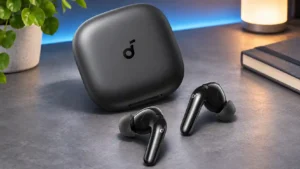
Nothing Ear (3a)
Where It Has the Edge
No clear scored advantage over the other product.

Scorata scores summarize analyzed review evidence on a 1–5 scale; they are not laboratory measurements or a simple average of customer star ratings. Feature scores summarize the reviews covering that feature. The overall score averages feature scores within each review, then combines review averages. When both expert and customer evidence are available, those two groups receive equal weight. Products can have different review coverage, so small score gaps do not establish a winner.
Recommendations prioritize important features for the category, with a score of at least 3.5, a gap of at least 0.25 points and at least two supporting reviews per product. Features with widely varying scores or broad connectivity contexts are excluded from recommendations. These safeguards do not establish statistical significance.
Quick verdict
The available evidence supports the recommendation below, but does not establish an overall winner. Check the remaining features against your priorities.
There is not enough comparable review evidence to recommend Nothing Ear (3a) over the other product.
Choose Anker Soundcore P31i for Packaging quality and presentation and Frequency response accuracy.
No clear scored advantage over the other product.
Scores are out of 5. Missing scores mean missing review evidence, not a missing feature.
The sound is widely considered capable and enjoyable for the price, with strong energy across music and movies. Listeners seeking finer detail or balance often need EQ, while bass fans may enjoy it immediately.
Warm, punchy sound is generally enjoyable, particularly after EQ adjustments. Stock tuning and upper-frequency clarity divide listeners.
Static spatial processing is often dismissed for adding echo, darkening tracks, or overriding EQ. A few listeners enjoy its immersive effect, especially for certain songs, concerts, films, or games.
Spatial audio adds useful separation and gaming immersion, although some music settings introduce a metallic edge.
Gaming effects stay focused and footsteps can be distinguished to the left and right. The reported directional placement is usable rather than especially precise.
Footsteps can be distinguished on the left and right, helping with directional awareness in games.
Quick media clips and call recordings can help with interviews, lectures, and remembering instructions. Others find them unnecessary or troubling, with regional restrictions and conflicting reports about recording alerts adding uncertainty.
Voice isolation helps when recording video in surroundings with background noise.
Stock tuning often sacrifices neutrality and detail to a dark, bass-heavy presentation, although some hear a pleasing balance. Sound changes between ANC and transparency also bother a few listeners.
The tuning favors bass and treble over strict neutrality, although it is more balanced than several older models.
Wind filtering and voice isolation impress several testers, including a call taken near a hair dryer. Others hear background chatter or find that aggressive suppression makes voices compressed and less intelligible.
The microphones often separate speech from surrounding noise well, although voice level can dip when the environment gets loud.
Several testers hear an open, generously wide stage with room around vocals and instruments. Others find orchestral mixes tight or less spacious than competing buds.
A spacious left-right presentation gives instruments and vocals room to breathe.
A good tip seal gives helpful passive reduction in quieter spaces. It is less reliable against voices and higher sounds, so noisy journeys often still call for ANC.
A well-seated silicone tip provides useful passive isolation, but the seal must be established first.
Cancellation usually reduces engine hum, traffic, and travel noise well for the price, but voices and higher sounds often remain audible. Improvements over older Nothing buds vary with fit, and several listeners still want stronger suppression.
Steady engine and fan noise is reduced well for the price, although speech, sudden sounds and imperfect seals can defeat the system. Some more expensive rivals cancel more noise.
Video lip sync and the low-lag mode work well in the reported tests, including on Android and iPhone. Latency is also described as reasonably low without enabling the dedicated mode.
Video synchronization is device-dependent: some tests found barely perceptible lag, while Android video playback was noticeably misaligned in another test.
The powerful low end delights bass lovers, especially with electronic music and hip-hop. Many others find the stock bass boomy or overpowering and prefer to reduce it in the equalizer.
Bass is generally deep and controlled rather than muddy. Listeners disagree over whether its impact is excessive or too restrained.
Fast charging makes short breaks useful for getting back to music or finishing a movie. The lack of wireless charging ranges from an acceptable price compromise to a major disappointment.
Quick charging is convenient in normal use, but a reported defective earbud would not accept a charge.
Everyday endurance is generally useful, and several listeners go days between case charges. ANC, LDAC, and retrospective recording shorten runtime, while some testers find stamina average or disappointing.
Battery endurance is a standout, with roughly seven to eight hours of ANC listening in several tests and multiple additional case charges. Codec and volume settings affect runtime.
The transparent case is criticized as prone to fingerprints and fine surface marks. Keeping it away from abrasive items may help preserve its appearance.
The matte case finish helps hide fingerprints and everyday marks.
The minimal presentation and helpful pull tab make unpacking pleasant. A thin outer box makes a less premium first impression, but the product itself matters more to that listener.
Organized, practical packaging makes unboxing straightforward; plastic-free presentation is appreciated.
Fast Pair makes Android setup convenient, and Android users are a strong fit for the feature set. Compatibility advantages matter most to listeners who are not relying on Apple ecosystem switching.
Android pairing is convenient, but seamless Google device synchronization did not work for one user.
The audible finder helps one tester locate a bud, but another finds it too quiet for a laundry basket or deep pocket. Its usefulness depends on how well the alert can be heard.
An audible locator tone helps find a misplaced earbud nearby.
Most find the slim case easy to pocket and carry. Others see the clear outer frame as unnecessary bulk and prefer a smaller or differently shaped case.
The case is pocketable for some, but several find it unnecessarily bulky compared with other earbuds.
Some hear natural surroundings and hold conversations easily, while others notice hiss, boosted fan noise, or a blocked-ear effect when speaking. The result depends on fit and expectations of naturalness.
Transparency often sounds natural and clear, though some sounds can seem compressed and traffic direction can be difficult to judge.
Balanced tuning appeals to bass fans, while the Vocal option can improve spoken-word listening. Other testers find the presets heavy-handed, thin, or less effective than making their own EQ.
Preset profiles offer convenient starting points, with the bass reducer particularly useful for some. Other listeners prefer manual adjustment.
Highs are often crisp or smooth without harshness, particularly with suitable EQ or LDAC. Other listeners want more sparkle and detail, or find treble adjustments metallic.
Some find the highs smooth and crisp, while others hear grain, harshness or a lack of sparkle.
Touch gestures are described as responsive and usefully customizable through the app. The flexibility helps adapt everyday playback and noise controls to personal preferences.
Customizable taps are generally responsive and easy to learn. Accidental inputs and an initial firmware-related control issue have been reported.
Instrument and vocal separation can be convincing, especially after reducing the bass. Busy arrangements sometimes become congested or lose guitars beneath the low end.
Many tracks benefit from clearly separated instruments and voices, though complex mixes can sound congested to some ears.
Vocals can sound warm, clear, and expressive, but excessive stock bass often pushes them back or masks lower instruments. EQ adjustments commonly bring the midrange into better focus.
Vocals often remain audible over the bass, but recessed or nasal mids can leave instruments sounding crowded.
Most listeners recommend these as stylish, capable everyday earbuds at a budget price. Reservations cluster around stock tuning, cancellation limits, case usability, and the usefulness or privacy implications of recording.
Most overall impressions are enthusiastic about the package, though a compilation of negative experiences highlights inconsistent reliability and fit.
Compatible Android listening can gain texture, separation, and upper-range detail with LDAC. Shorter battery life and recording-feature tradeoffs mean it is not always worth leaving enabled.
LDAC can improve detail and is unusual at this price, but availability varies by region and the benefits can come with battery or connection tradeoffs.
Splash and sweat protection on both buds and case is appreciated for commutes and workouts. The reported protection is meant for everyday moisture rather than swimming or full submersion.
IP55 protection is useful against sweat, splashes and light rain. The charging case should not be assumed to share that protection.
The three-part status light is a useful, popular addition, and many like the case’s rounded feel. Its shallow opening lip, strong magnets, and occasional lid looseness or misplaced buds frustrate others.
Magnetic seating is convenient, but the case's slippery finish, size and occasional loose hinge reduce its appeal.
Leaving out the charging cable is generally accepted because spare USB-C cables are common. The missing accessory does not substantially hurt these reviewers’ impression of the package.
The selection of ear tips covers basic fit needs, although a lanyard would have been a useful inclusion.
The buds usually stay put during walking, gym sessions, and even running. A poor seal can still require frequent readjustment, and some rivals feel more secure to particular ears.
Many wearers get a secure fit even during movement, but some experience persistent loosening or need frequent adjustment.
Output is enough for most listeners and can get very loud in some tests. Others want more headroom, particularly after EQ, while one first-impressions listener found maximum volume uncomfortable.
Music can reach high volumes, but one test found call playback noticeably muted even at the maximum setting.
The metal hinge is praised for a sturdy, precise feel. One extended test also reports that it stays tight after repeated opening and closing.
One owner found the case hinge wobbly with a noticeable gap.
Soft tips and revised shaping often deliver a comfortable, secure seal. A few listeners still struggle to fit one ear properly, making tip selection important for both sound and cancellation.
The right ear tips can provide a comfortable seal and better sound, yet some ears require experimentation or experience poor grip.
The extra-small option broadens the fit range and helps several small-ear listeners. A wider choice does not guarantee a seal for everyone, and one tester wanted extra-large tips.
Multiple tip sizes provide flexibility for finding a comfortable seal.
Transparent stems and vivid pink or yellow finishes give these earbuds a distinctive, playful look. Most love the visual identity, though a few criticize the case’s bulky decorative frame.
Clean stem styling and restrained finishes look more polished than the price might suggest.
The low weight helps the buds feel unobtrusive during longer listening sessions. Several wearers describe barely noticing them in their ears.
Lightweight earbuds put little pressure on the ears and can almost disappear during listening.
Many listeners can wear the lightweight buds for hours without soreness or fatigue. Smaller ears and poor seals can make longer sessions less comfortable, so fit remains personal.
The light stems generally remain comfortable for hours, but deeper insertion and choosing the right tips matter.
The earbuds often feel solid and more polished than their price suggests. The plastic case divides opinion, with reports of lid play, fine scratches, and a less premium feel alongside praise for durability.
The plastic earbuds often feel solid for their price, though some find the construction cheap and the case less refined.
Connections are commonly described as stable, with successful playback across rooms and floors. Bluetooth 6.0 is welcomed, although its presence alone does not settle conflicting reports about optional audio standards.
Pairing and everyday wireless connections generally work well, though isolated range, pairing and connection problems occur.
Pinch controls usually feel deliberate, responsive, and customizable, reducing accidental inputs. Small sensing areas, quiet feedback, and awkward volume gestures create a learning curve for some hands.
One regional-model account praises tactile stem presses for avoiding accidental activation.
Pairing and navigating the app are generally quick and simple. Needing to adjust the sound before enjoying it can reduce the straight-out-of-the-box convenience.
Initial pairing is generally straightforward, with the app detecting the earbuds quickly.
Calls are often clear in quiet rooms, with some testers rating them exceptionally highly for the price. Results outdoors and in busy spaces are less consistent, ranging from clean speech to distant or compressed voices.
Calls are usually clear for the price, especially in quiet conditions. Wind, noise and low call volume can make performance less dependable.
Nothing X earns broad praise for its clean layout, dependable operation, and unusually extensive customization. The EQ tools are a particular highlight, although recording-account prompts and some fit-test quirks complicate the experience.
The feature-rich app offers extensive sound and control customization, translation and ambient sounds. Some find the interface cluttered or less intuitive than desired.
The eight-band parametric EQ is one of the strongest reasons to buy, offering enough control to tame bass and improve clarity. A minority find adjustments less effective or notice a drop in volume.
Manual EQ and personalized sound profiles can substantially improve stock tuning, although the available adjustments do not satisfy everyone.
Dual-device connection usually works reliably and is useful for moving between a phone and computer. Some tests show a brief handoff delay or require pausing one device before starting the other.
Switching between two devices can be fast and convenient, although simultaneous connection support varies across reported settings and versions.
The $99 package is widely praised for combining distinctive styling, useful features, and capable audio. Strong budget rivals mean it is not everyone’s best-value pick, especially when ANC or untouched sound matters most.
An unusually rich combination of noise cancellation, long runtime and adjustable sound makes these particularly compelling at discounted prices.
Vocal pickup is generally clear for a budget model, although not consistently at flagship level.
Transcription can produce useful, accurate text, with the Pro model particularly praised for names and speaker separation. Subscription requirements and unclear ongoing pricing repeatedly weaken its appeal.
Live translation can be surprisingly quick and useful, but accuracy, instructions, connection requirements and possible trial limits warrant caution.
Multiple manual and adaptive settings give useful control; the strongest manual setting sometimes works better than scene-based modes.
High-resolution playback is welcomed as an affordable extra rather than a reason to buy a flagship. LDAC-equipped listening is credited with preserving detail and energetic sound on compatible devices.
The supplied USB-A to USB-C cable is less convenient for buyers who prefer USB-C at both ends.
Multiple colors give buyers a welcome choice of appearance.
Pairing worked seamlessly with the tested Samsung and Apple phones.
Ambient mode lets conversations and surrounding sounds through without removing the buds, but it is not consistently equivalent to open ears.
Firmware updates can improve operation and have resolved initial touch-control issues.
Google Fast Pair makes initial Android pairing quick and convenient.
Personalized hearing tests and safe-volume limits add useful ways to tailor listening.
Separate controls for one-bud use are handy, but one test found that single-bud playback omits the opposite stereo channel.
The paperwork explains basic operation but leaves translation setup unclear.
A reported dead-on-arrival earbud prevented pairing and charging before an international trip.
The ear-specific gestures take a little practice but can become familiar within a day or two.
The left and right markings can be hard to read.
The dedicated gaming setting generally reduces delay enough for responsive play, with performance depending on the device and codec.
Several listeners praise clean, controlled playback without harshness at higher levels. One reports sub-bass distortion on demanding electronic tracks with the stock bass amplification.
Pairing across Android, iOS, computers, and a TV receives favorable reports. Some platform-specific customization differences remain, so the experience is not identical on every device.
The onboard recording capacity is considered impressive for capturing audio without immediately transferring it to a phone. This praise concerns saved recordings rather than a music library for independent playback.
If powered off, the buds need to be returned to their case to restart rather than simply tapped on.
Some find the matte finish practical, while others notice scratches easily.
Wear detection is usually useful for automatically pausing and resuming playback. A finicky sensor can occasionally misread fit and interrupt ANC, and it complicates some bench tests.
LDAC, multipoint and other advanced modes may not all operate together on every version or firmware. Reports disagree about which combinations work.
Some regional listings omit important details, making it harder to confirm the exact codec, fit or controls before purchase.
Translation trial limits are a concern, particularly when the ongoing cost is not clearly communicated before purchase.
USB-C case charging is efficient and convenient for cable-based charging routines.
Most accounts describe no automatic pause on removal, while one regional-model test reports working wear detection. Confirm the actual version if this matters.
The stems can make the earbuds easy to handle, although the thinner profile may be harder to grip when removing them from the case.
Adaptive cancellation draws mixed reactions: some find its adjustments useful and smooth, while others notice fluctuations or bugs. The highest manual setting can be the more dependable choice.
Switching between ANC and transparency preserves a similar sound balance, with a modest bass change in normal mode.
Distortion is generally controlled, but one listener found higher frequencies harsh and grainy, and another account described random crackling.
Breathing and running impacts are less intrusive than on the preceding model.
A protective tip mesh helps keep grime away from the buds, although white earbuds can get visibly dirty.
The earbuds handle quiet and loud passages with a pleasing sense of range.
Bass can remain satisfying at lower volumes, although one listener felt the overall presentation only came alive at excessively loud settings.
Fine guitar textures, percussion and small musical details can come through clearly, particularly with compatible high-resolution playback.
Adjustable background sounds are a welcome addition for relaxing, focusing or falling asleep.
Some listeners hear convincing depth and a speaker-like sense of distance. One comparison also credits the sound with more depth than a budget EarFun rival.
The spatial presentation can be more expansive than older virtual surround implementations, especially in gaming mode.
Wind filtering can help keep calls and ambient modes usable, but windy conditions still cause voice dips for some users.
ANC pressure ranges from barely noticeable to uncomfortable; normal mode can be preferable for longer sessions if you are sensitive.
Plastic-free packaging is a welcome reduction in unnecessary material.
Several tests found reliable room-scale connectivity, but one owner reported unusually short range and dropouts.
Instant confirmation tones make taps easier to register, and the loud feedback can be disabled.
Stock sound can be underwhelming until the app is used to personalize EQ, adding an extra step to the experience.
The extra AI features can be avoided when using the regular headphone settings.
Regular app-delivered firmware updates help address bugs and connection performance.
The Nothing-phone assistant feature is viewed as a small extra rather than a major reason to buy. Its appeal depends on whether hands-free AI access fits everyday use.
Speech generally retains a reasonably natural tone rather than sounding heavily processed.
Startup, pairing and mode-change prompts can sound cheap despite quick touch feedback.
Removing the previous model's built-in phone stand sacrifices a handy viewing convenience.
A short case top-up can restore several hours of playback, reducing downtime before leaving home.
The lack of wireless charging is a recurring compromise that many accept at this price.
AAC, SBC, and LDAC cover familiar listening needs, and codec flexibility is generally welcomed. Missing newer options are treated as a minor limitation rather than a universal dealbreaker.
Tip changes are usually straightforward, though the snap-on fitting can require more force than expected. Some aftermarket tips interfere with closing the case or seating the buds correctly.
Volume-adjustment glitches, crackling and occasional connection issues undermine reliability for some users.
Cleaner tuning, stronger ANC and a broader feature set make these a worthwhile step up from several older budget models, despite a few lost conveniences.
Standard warranty coverage and an established update history add confidence for one reviewer. This is reassurance about ongoing ownership rather than a report of a support claim being handled.
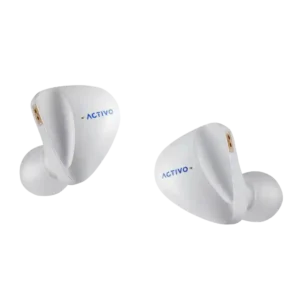
Best for detailed, natural wired sound, three connector options, and standout value around $99. Skip it if you need wireless features, stronger bass, softer treble, or a compact fit for...
Pros: Value for money, Multi-platform compatibility

Clear calls and a remarkably comfortable, secure fit make these compact earbuds an appealing value. Wind handling and touch-control convenience are less consistent, while ANC performance varies more than the...
Pros: Integrated microphone, Microphone quality for calls
Cons: Spatial audio

Choose these for excellent, balanced sound, a comfortable redesign, deep EQ tools and uniquely replaceable batteries. Skip them if you need class-leading ANC, consistently great calls or the smoothest treble...
Pros: User-replaceable batteries, Overall satisfaction
Cons: Auracast support, Sensors

Choose the AirPods 5 for strong open-ear ANC, clearer sound, easy Apple-device switching, and excellent value. Skip them if you need all-day battery, a very secure workout fit, or full...
Pros: Overall satisfaction, Sound quality
Cons: Battery, Eartips fit