Other features
Accessibility options
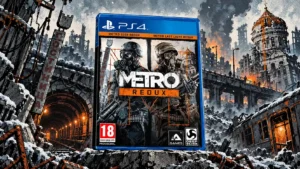
Metro ReduxNo score yet
Tales of Eternia Remastered
4.5
Flexible boosts, encounter settings and convenience options make the classic structure easier to accommodate. They let players reduce friction or retain a demanding experience.
Achievement list quality
Metro Redux
4.0
The achievement list offers plenty to pursue across play styles and hidden areas. Most goals are described as approachable, with extra searching needed for the remainder.
Tales of Eternia RemasteredNo score yet
Character diversity
Metro Redux
2.0
Two assessments criticize women’s limited and sexualized roles. Female characters are considered less fully developed than the world around them.
Tales of Eternia RemasteredNo score yet
Checkpoint system
Metro Redux
2.2
Sparse or questionable checkpoints can amplify early difficulty and lengthy sections. They are particularly frustrating when combined with unpredictable enemies or depleted filters.
Tales of Eternia RemasteredNo score yet
Choice impact
Metro Redux
3.5
Subtle actions and mercy can affect endings in ways some find meaningful and refreshing. Others dislike the opaque requirements and feeling that the system pushes an unnecessary replay.
Tales of Eternia RemasteredNo score yet
Class balance
Metro ReduxNo score yet
Tales of Eternia Remastered
4.5
The central fighters and spellcasters complement one another well. Their different roles give the core party a balanced combat identity.
Co-op experience
Metro ReduxNo score yet
Tales of Eternia Remastered
1.5
The absence of co-op disappoints players who enjoyed sharing Tales adventures. Convenience improvements do not replace that missing way to play.
Couch co-op quality
Metro ReduxNo score yet
Tales of Eternia Remastered
1.5
Missing local multiplayer is a recurring disappointment. Players who remember sharing party control cannot recreate that experience here.
Crafting system
Metro ReduxNo score yet
Tales of Eternia Remastered
4.5
Cooking is a simple but valuable source of healing, resource recovery and temporary buffs. Faster proficiency growth can also remove repetition when building it up again.
Cutscene skippability
Metro ReduxNo score yet
Tales of Eternia Remastered
4.0
Scene skipping is a welcome convenience in an older RPG. It helps bring repeat play closer to modern expectations.
Death mechanics
Metro ReduxNo score yet
Tales of Eternia Remastered
4.3
Battle retries reduce the cost of failure and avoid repeating earlier sections. Optional penalty changes and quick recovery can further soften older frustrations.
Driving mechanics
Metro Redux
5.0
Last Light’s rail-car exploration stands out as a campaign highlight. Stopping at optional locations adds freedom and survival encounters to the journey.
Tales of Eternia RemasteredNo score yet
Endgame content
Metro ReduxNo score yet
Tales of Eternia Remastered
4.3
Access to the bonus dungeon during a first playthrough is a welcome change. It adds something to anticipate without requiring a New Game Plus run first.
Facial animations
Metro Redux
2.5
Facial expression improves in places, but lip sync and stiff or vacant faces remain frequent criticisms. The remaster does not fully disguise the age of the character presentation.
Tales of Eternia RemasteredNo score yet
Fast travel convenience
Metro ReduxNo score yet
Tales of Eternia Remastered
2.0
The late airship upgrade does too little to relieve earlier backtracking. Without a fast-travel shortcut, navigating around large landmasses can become tedious.
Generative AI concerns
Metro ReduxNo score yet
Tales of Eternia Remastered
2.0
One critic worries that the cutscene processing resembles careless automated upscaling. The complaint concerns its distracting visual results; the production method is not established.
Graphics settings
Metro ReduxNo score yet
Tales of Eternia Remastered
4.1
Switching between original and remastered graphics is widely appreciated. Cutscene processing and some PC resolution restrictions make the options less complete than they could be.
Grind level
Metro ReduxNo score yet
Tales of Eternia Remastered
4.5
Boosted rewards, doubled skill usage and encounter controls can remove substantial repetition. They are especially useful for backtracking, replaying and collecting rare items.
Haptic feedback integration
Metro Redux
2.0
One Switch technical assessment finds the rumble insufficiently nuanced and distracting enough to disable. Its contribution to the atmosphere is negative in that account.
Tales of Eternia RemasteredNo score yet
Horror tension
Metro Redux
4.7
Limited light, dwindling air, and sudden mutant danger create sustained fear beyond simple jump scares. Horror works especially well during slower, methodical play and optional exploration.
Tales of Eternia RemasteredNo score yet
Inventory management
Metro ReduxNo score yet
Tales of Eternia Remastered
4.3
Raising the item limit makes stocking up more comfortable. It replaces a restrictive fifteen-item cap with a more forgiving option.
Mission variety
Metro Redux
4.5
Changing between human fights, mutant threats, exploration, and civilian stations keeps the adventures varied. Last Light’s bigger optional spaces are especially welcome, although scripted stretches remain less appealing.
Tales of Eternia RemasteredNo score yet
Pause functionality
Metro ReduxNo score yet
Tales of Eternia Remastered
4.0
Being able to pause scenes is a welcome basic convenience. It makes the older game easier to fit around interruptions.
RPG system depth
Metro ReduxNo score yet
Tales of Eternia Remastered
4.4
Craymel combinations, formations, equipment and directional attacks give the RPG systems meaningful depth. The result is richer than the simple side-on battle layout initially suggests.
Sandbox freedom
Metro Redux
2.9
Larger Last Light encounters provide some freedom of approach, but both campaigns remain tightly scripted. Waiting behind invisible boundaries and following predetermined routes can feel restrictive.
Tales of Eternia RemasteredNo score yet
Skill tree depth
Metro ReduxNo score yet
Tales of Eternia Remastered
4.5
The use-based Arte system offers rewarding growth into stronger and combined techniques. Practicing basic moves gives ability development a tangible purpose.
Stealth mechanics
Metro Redux
4.4
The imported stealth system makes 2033 substantially more playable, with lighting, knives, and alternate routes supporting satisfying guard hunting. Opinions split on how much weak or overly forgiving AI undermines it.
Tales of Eternia RemasteredNo score yet
Survival mechanics
Metro Redux
4.2
Gas-mask filters, limited ammunition, and hand-charged light make survival feel practical and immediate. Fans value the tension, while others find upkeep frustrating or poorly matched to Last Light’s action-heavy sections.
Tales of Eternia RemasteredNo score yet
Weapon balance
Metro Redux
3.0
Weapons can have satisfying punch, and knives or upgraded guns are effective tools. Early firearms, damage feedback, and enemies that absorb too many rounds are recurring combat complaints.
Tales of Eternia RemasteredNo score yet
Controls and connectivity
Character customization
Metro ReduxNo score yet
Tales of Eternia Remastered
4.5
Craymel allocation, equipment and distinct fighting styles enable satisfying party customization. Choosing one spell combination can mean giving up another.
Comfort and build
Controller ergonomics
Metro Redux
4.5
The Switch controls feel good with both the Pro Controller and Joy-Cons. Careful tuning supports comfortable play despite the lower frame-rate cap.
Tales of Eternia RemasteredNo score yet
Enemy design
Metro ReduxNo score yet
Tales of Eternia Remastered
4.5
Distinct enemy patterns support reactive combat. Learning how different opponents behave contributes to the battle system’s appeal.
Mission design
Metro Redux
3.0
Varied human encounters and optional areas can be excellent, but repeated mutant swarms draw frequent criticism. Forced action and scripted sections sometimes expose the combat’s weaknesses.
Tales of Eternia RemasteredNo score yet
Open-world design
Metro ReduxNo score yet
Tales of Eternia Remastered
3.0
The world map contains hidden rewards, but long stretches can feel barren. That sparseness is a minor issue for some players and a larger limitation for others.
Puzzle design
Metro ReduxNo score yet
Tales of Eternia Remastered
3.1
Distinct environmental ideas give many dungeons personality, and some puzzles earn praise for clever construction. Awkward object placement, targeting and insufficient hints make others more troublesome.
QTE design
Metro Redux
3.0
Brief QTEs can heighten danger, but hidden prompts in the harshest modes are much less comfortable. Their appeal depends on whether tension or clear guidance matters more.
Tales of Eternia RemasteredNo score yet
Quest design
Metro ReduxNo score yet
Tales of Eternia Remastered
2.7
Side activities can yield useful rewards through very short conversations. Other quests feel thin or require tedious work to develop optional characters.
Performance
CRT filter quality
Metro ReduxNo score yet
Tales of Eternia Remastered
2.5
The lack of a built-in CRT filter disappoints players seeking the original display feel. The remaster’s presentation options do not fully recreate that experience.
Marketing accuracy
Metro Redux
2.5
The Survival and Spartan changes are judged less substantial than the developer’s description suggests. Their presence alone is not a compelling reason to rebuy Last Light.
Tales of Eternia RemasteredNo score yet