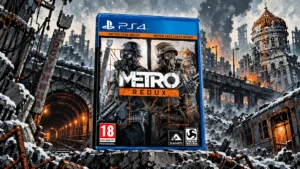
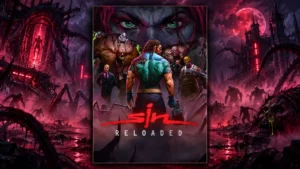
Compare SiN: Reloaded vs Metro Redux

SiN: Reloaded

SiN: Reloaded

Overall score 4.3 / 5

Based on 30 scored reviews

vs
Metro Redux

Metro Redux

Overall score 4.1 / 5

Based on 44 scored reviews

How we score

Scorata scores summarize analyzed review evidence on a 1–5 scale; they are not laboratory measurements or a simple average of customer star ratings. Feature scores summarize the reviews covering that feature. The overall score averages feature scores within each review, then combines review averages. When both expert and customer evidence are available, those two groups receive equal weight. Products can have different review coverage, so small score gaps do not establish a winner.

Recommendations prioritize important features for the category, with a score of at least 3.5, a gap of at least 0.25 points and at least two supporting reviews per product. Features with widely varying scores or broad connectivity contexts are excluded from recommendations. These safeguards do not establish statistical significance.

Quick verdict

What each product is best for

The review evidence points to a tradeoff: art direction and user interface design versus sound design and value for money. Choose according to which strengths matter more to you; the overall score alone does not settle that choice.

Choose SiN: Reloaded for art direction and user interface design.

Choose Metro Redux for sound design and value for money.

Why these recommendations?

SiN: Reloaded

Where It Has the Edge

  • art direction is 4.5 vs 3.9. The remaster largely preserves SiN’s colorful cyberpunk and cartoonish identity while sharpening character and environment design; a few...
  • user interface design is 5.0 vs 4.5. The redesigned UI is cleaner, better scaled, and sharper at modern resolutions while still allowing players to restore...
  • content variety is 4.6 vs 4.1. Weapons, set pieces, vehicles, alternate objectives, and expansion content provide plenty of variety, even if some campaigns encourage...

Metro Redux

Where It Has the Edge

  • sound design is 4.6 vs 2.0. Creaks, mutant calls, footsteps, and useful stealth cues do much of the work in sustaining tension. Switch audio...
  • value for money is 4.4 vs 3.0. Two campaigns and their extras make a persuasive package for newcomers, especially at the lower prices cited. Existing...
  • level design is 4.1 vs 3.4. Last Light’s larger, connected spaces generally offer stronger tactical possibilities than 2033’s chokepoints. Some still find the series...
SiN: Reloaded 4.3 overall score
Metro Redux 4.1 overall score

Compare features

Scores are out of 5. Missing scores mean missing review evidence, not a missing feature.

Scored on both products

Ownership and support

Save system reliability
SiN: Reloaded
5.0

Save-anywhere support is a welcome fit for an unforgiving old-school shooter and makes experimentation less punishing.

Metro Redux
2.0

One technical account warns that checkpoints can preserve a state with too few filters to finish. Escaping that repeated-death loop may require restarting the level.

Value for money
SiN: Reloaded
3.0

Value is the most consistent purchase caveat. The full package has plenty to enjoy, but the $29.99 price can feel steep for newcomers or owners of SiN Gold, especially given the age and length of the core campaigns.

Metro Redux
4.4

Two campaigns and their extras make a persuasive package for newcomers, especially at the lower prices cited. Existing Last Light owners and buyers paying a Switch premium have a less clear value case.

DLC value
SiN: Reloaded
5.0

Wages of SiN is a standout inclusion, adding a well-liked expansion that strengthens the overall package.

Metro Redux
4.2

Included missions and challenges add worthwhile breadth, with the Kshatriya library adventure a highlight. Their value is lower for owners who already have the original DLC, and some prefer the main campaigns.

Platform-specific feature support
SiN: Reloaded
5.0

Platform extras are meaningful rather than cosmetic, with Xbox Play Anywhere flexibility and Switch 2 mouse controls both adding real convenience.

Metro Redux
4.7

Switch motion aiming is widely admired for precise adjustment and useful long-range shots. Effective surround support also helps preserve the fuller console experience.

Replay value
SiN: Reloaded
4.2

Branching routes, alternate objectives, secrets, and optional remaster settings encourage repeat runs, though not everyone finds the underlying campaigns highly replayable.

Metro Redux
4.3

Multiple play styles and the substantial 2033 overhaul give fans reasons to return. Several accounts find the new modes too modest to justify replaying or repurchasing Last Light by themselves.

Other features

Tutorial quality
SiN: Reloaded
5.0

The dedicated tutorial offers multiple simulations and weapon exercises, giving new players a useful way to learn systems before the campaign.

Metro Redux
2.3

2033 does not consistently explain mechanics added from Last Light, including burning webs and using the lighter for guidance. Missing instruction can leave players stuck or discovering useful functions unusually late.

Emotional impact
SiN: Reloaded
2.0

SiN aims for crude action-movie thrills rather than emotional depth, so its impact comes more from spectacle, humor, and attitude than genuine drama.

Metro Redux
4.2

Human resilience, loss, and glimpses of ordinary life create lasting emotional moments. A minority struggle to care about the characters or find some later developments manipulative.

Sandbox freedom
SiN: Reloaded
5.0

Individual levels offer an unusual amount of freedom and interactivity for a mission-based shooter, with alternate routes and optional actions rewarding experimentation.

Metro Redux
2.9

Larger Last Light encounters provide some freedom of approach, but both campaigns remain tightly scripted. Waiting behind invisible boundaries and following predetermined routes can feel restrictive.

Driving mechanics
SiN: Reloaded
3.2

Vehicle handling is one of the most inconsistent areas: some versions feel much smoother and more refined, while others still suffer touchy controls, physics bugs, and frustrating sequences.

Metro Redux
5.0

Last Light’s rail-car exploration stands out as a campaign highlight. Stopping at optional locations adds freedom and survival encounters to the journey.

Load times
SiN: Reloaded
5.0

Modern hardware all but eliminates the long waits associated with the original release, making transitions quick and painless.

Metro Redux
3.2

Switch’s initial level loads are the most repeated technical complaint and can exceed a minute. Fast reloads after death soften that drawback, while merged Redux levels reduce interruptions on other platforms.

HUD clarity
SiN: Reloaded
2.0

The armor display can be confusing, with secondary bars whose purpose is not clearly communicated.

Metro Redux
3.7

Minimal overlays and Ranger’s HUD removal can deepen immersion. The same choice makes navigation, inventory selection, and some prompts less convenient, especially before the controls become familiar.

Polish
SiN: Reloaded
5.0

Modern mechanics and presentation add a strong layer of polish while keeping the retro character intact.

Metro Redux
3.4

The overhaul improves rough edges without completely hiding the games’ age. Character movement, lip sync, and occasional technical quirks keep the package from feeling uniformly polished.

Animation quality
SiN: Reloaded
5.0

Cleaned-up gun animations remove some of the original wonkiness and make weapons feel much more polished in motion.

Metro Redux
3.4

Detailed physical actions can make Artyom feel convincingly present. Character stiffness, mechanical movement, and slow NPC interactions remain noticeable to several accounts.

Choice impact
SiN: Reloaded
4.9

Alternate routes, optional objectives, and mission outcomes can alter later levels or unlock bonus content, giving player decisions unusually tangible consequences for a 1990s shooter.

Metro Redux
3.5

Subtle actions and mercy can affect endings in ways some find meaningful and refreshing. Others dislike the opaque requirements and feeling that the system pushes an unnecessary replay.

Weapon balance
SiN: Reloaded
4.3

Reloaded improves many underpowered or awkward weapons and makes staples feel excellent, but a few guns remain weak or impractical compared with the strongest options.

Metro Redux
3.0

Weapons can have satisfying punch, and knives or upgraded guns are effective tools. Early firearms, damage feedback, and enemies that absorb too many rounds are recurring combat complaints.

AI behavior
SiN: Reloaded
2.1

Enemy behavior is uneven: cover use and reinforcements can feel more involved than expected, but stuck enemies, simplistic reactions, and buggy mutants repeatedly undermine encounters.

Metro Redux
3.3

More consistent detection is a major improvement over the original 2033. Reactions remain divisive: some find opponents believable and tactical, while many report oblivious guards, predictable rushing, or poor navigation.

Side character depth
SiN: Reloaded
4.0

JC adds useful context, banter, and objective help without turning into constant hand-holding.

Metro Redux
2.9

Residents and new personalities can enrich the narrative, but not every character connects. Complaints focus on interchangeable supporting figures and a child who neither looks nor behaves convincingly.

Bug frequency
SiN: Reloaded
2.2

Reloaded is far more stable than the 1998 launch, but several playthroughs still hit vehicle-physics glitches, stuck enemies, progression problems, or other noticeable bugs.

Metro Redux
3.3

Redux removes many original glitches but retains some collision, visual, and audio faults. Most describe the remaining problems as distracting rather than game-breaking.

Core gameplay loop
SiN: Reloaded
3.7

The run-and-gun loop is simple by modern standards, but its straightforward shooting is enlivened by interactive environments, branching objectives, and an easygoing arcade rhythm.

Metro Redux
4.7

Stealth, firefights, scavenging, and quiet station visits generally work best as one connected experience. The balance makes the campaigns feel richer than a continuous shooting gallery.

Achievement list quality
SiN: Reloaded
5.0

The new achievement set is a welcome addition, especially for completionists, with its presence singled out as part of the remaster’s appeal.

Metro Redux
4.0

The achievement list offers plenty to pursue across play styles and hidden areas. Most goals are described as approachable, with extra searching needed for the remainder.

Handheld play suitability
SiN: Reloaded
5.0

Switch 2 delivers an impressively capable portable version, pairing strong performance with mouse-style control options and console simplicity.

Metro Redux
4.0

Handheld visuals are often praised as clean and striking, making portability a compelling reason to buy. Deep shadows and bright surroundings can impair visibility, and not every account prefers the portable graphics.

Movement feel
SiN: Reloaded
3.8

Movement can feel crisp and fast, but that same speed contributed to motion discomfort in at least one extended playthrough.

Metro Redux
4.7

The remaster feels smoother than the original, and deliberate, weighty movement can strengthen the physical connection to Artyom. Higher console frame rates also reduce the old sluggishness.

Onboarding experience
SiN: Reloaded
2.5

Reloaded adds helpful guidance, but the game still assumes more patience and self-direction than most modern shooters, making the opening experience less friendly to newcomers.

Metro Redux
3.3

Spartan mode offers a gentler way into the games by reducing resource pressure. The benefit is qualified by poorly explained mechanics that can still obstruct a first playthrough.

Enemy variety
SiN: Reloaded
4.5

Enemy designs and challenges add useful variety, with different opponents helping the campaign avoid feeling visually or tactically flat.

Metro Redux
3.8

Some welcome the sequel’s broader enemy mix and differing attack styles. Others still find too few distinct opponents across the package.

Stealth mechanics
SiN: Reloaded
3.8

Stealth is improved and more forgiving in Reloaded, with alternate routes adding variety, but it can still feel trial-and-error and remains one of the weaker mechanics for some players.

Metro Redux
4.4

The imported stealth system makes 2033 substantially more playable, with lighting, knives, and alternate routes supporting satisfying guard hunting. Opinions split on how much weak or overly forgiving AI undermines it.

Exploration quality
SiN: Reloaded
5.0

Exploring SiN’s varied spaces is part of the fun, especially when alternate routes, secret areas, and interactive objects reward curiosity.

Metro Redux
4.4

Hidden passages, supplies, and small optional encounters reward looking beyond the main path. Exploration is especially appealing when the danger and discoveries reinforce each other.

Art direction
SiN: Reloaded
4.5

The remaster largely preserves SiN’s colorful cyberpunk and cartoonish identity while sharpening character and environment design; a few visual changes can feel more basic than the moodier original.

Metro Redux
3.9

The gloomy art conveys devastation effectively, and Last Light often looks more striking. Some prefer the original’s stranger creature designs or find the repeated palette limiting.

Aiming precision
SiN: Reloaded
5.0

Aiming is markedly tighter in Reloaded, with improved mouse input, clearer weapon behavior, and accurate crosshair feedback making shots easier to place.

Metro Redux
4.4

Responsive aiming and carefully tuned sticks help the shooting feel dependable. Switch motion aiming is especially admired, although one account finds fast mutant fights hard to track even up close.

Narrative quality
SiN: Reloaded
4.0

The story is deliberately B-movie, cheesy, and over-the-top. Its cinematic presentation and personality can be hugely entertaining, though some find the writing rough or simplistic.

Metro Redux
4.5

The mysterious Dark Ones, political conflict, and human survival make the stories compelling. Last Light often earns the stronger response, although some prefer 2033’s spiritual tone or criticize forced late plotting.

Character roster
SiN: Reloaded
5.0

The cast is memorable and contributes heavily to the remaster’s throwback personality.

Metro Redux
4.5

Last Light introduces appealing new characters that broaden its cast. The added personalities are welcomed as part of the sequel’s stronger story.

Innovation
SiN: Reloaded
5.0

Locational damage, environmental interaction, reactive objectives, and branching level outcomes still feel remarkably forward-thinking for a 1998 FPS.

Metro Redux
4.5

Replacing old loading breaks with additional connecting gameplay stands out as an unusually thoughtful remaster idea. That change is admired for going beyond visual refurbishment.

Learning curve
SiN: Reloaded
2.5

The retained old-school structure expects players to observe, experiment, and navigate without constant guidance, which can feel steep for anyone used to modern onboarding.

Metro Redux
3.0

Learning through trial and error appeals to players who welcome limited hand-holding. Unexplained interactions can instead turn that learning process into needless frustration.

Loot system
SiN: Reloaded
5.0

Automatic health and ammo pickups remove a dated manual-looting step and make moment-to-moment play much smoother.

Metro Redux
4.5

Optional areas and encounters provide useful ammunition, filters, and equipment. Scavenging feels most worthwhile when the supplies directly support continued survival.

Content variety
SiN: Reloaded
4.6

Weapons, set pieces, vehicles, alternate objectives, and expansion content provide plenty of variety, even if some campaigns encourage relying on only a few favorite guns.

Metro Redux
4.1

The blend of stealth, survival, action, weapons, and extra missions gives the package breadth. Repeated tunnel scenery, narrow arsenals, and less dramatic differences between modes are the main reservations.

Dialogue quality
SiN: Reloaded
4.1

The dialogue is unapologetically cheesy and juvenile, which often works as part of the B-movie charm. Repetition and dated jokes can make the banter wear thin over time.

Metro Redux
3.7

Overheard conversations make stations feel inhabited and often reward stopping to listen. Some English exchanges, compulsory dialogue, and the child’s lines feel awkward or dated.

Environmental detail
SiN: Reloaded
5.0

Updated environments reward close looking, adding texture and small visual details even to otherwise plain interiors.

Metro Redux
4.6

Graffiti, scavenged structures, ruins, and small equipment details help sell the devastation. Richly observed environments remain a strength even when individual textures or character models show their age.

Visual effects quality
SiN: Reloaded
4.8

Lighting and other effects receive strong upgrades, adding depth and atmosphere without overwhelming the original visual style.

Metro Redux
4.4

Lighting and shadows give tunnels, ruined streets, and stealth encounters much of their impact. Missing original particles, reduced console effects, and chunky Switch flames qualify otherwise strong praise.

Content completeness
SiN: Reloaded
4.5

Bundling the base game, Wages of SiN, multiplayer, extensive options, and archival extras makes Reloaded feel comprehensive, though a few long-time fans wanted genuinely new campaign material.

Metro Redux
4.8

The complete DLC inclusion strengthens the edition and removes earlier restrictions around Ranger mode. Physical Switch coverage also values keeping the entire package on one cartridge.

Overall quality
SiN: Reloaded
4.2

Reloaded is widely seen as the best current way to experience SiN, pairing excellent restoration work with a game that is still fun and distinctive. The biggest divide is how much tolerance players have for the original’s dated design and jank.

Metro Redux
4.6

The collection is strongly recommended overall, especially for first-time players drawn to atmospheric shooters. Persistent AI flaws, uneven action, and limited Last Light changes prevent universal enthusiasm.

Humor
SiN: Reloaded
4.1

The humor is intentionally corny, crude, and very 1990s. It lands as charmingly ridiculous for many players, but repetition and dated jokes make it strongly taste-dependent.

Metro Redux
4.5

The survivors’ dry, flinty humor gives them humanity despite the grim setting. Small jokes suggest people finding reasons to keep going.

Faithfulness to franchise
SiN: Reloaded
4.7

Reloaded is highly faithful to the original look and feel while layering in optional modern changes. That respect preserves the charm, though it also leaves some legacy rough edges intact.

Metro Redux
4.3

The remaster is praised for preserving the games’ identity while improving their execution. Style options can also bring Last Light closer to the survival emphasis some original fans prefer.

Graphics quality
SiN: Reloaded
4.8

The visual restoration is a major success: textures, models, lighting, environments, and high-resolution output look crisp while largely preserving the 1998 aesthetic. A few model changes and wobble issues are exceptions.

Metro Redux
4.5

The rebuilt 2033 makes the largest visual leap, while Last Light remains attractive with smaller changes. Switch presentation draws strong praise overall, with dissent over soft textures, docked sharpness, and aging character assets.

Combat system
SiN: Reloaded
4.5

Gunplay is usually punchy, fast, and satisfying, especially with locational damage and stronger weapons. The main caveat is that some basic guns and dated encounters can still feel simplistic or soft.

Metro Redux
4.2

Human encounters and heavy, improvised weapons often make combat satisfying. Forced mutant waves, weak damage feedback, and crowded fights are the recurring exceptions.

Originality
SiN: Reloaded
5.0

Even today, SiN’s mix of reactive levels, interactive environments, and unusual mechanics helps it stand out from more straightforward shooters.

Metro Redux
4.7

The Russian underground, survival demands, and literary storytelling distinguish the collection from standard action shooters. Its slower, stranger identity is a major part of the appeal.

Fun factor
SiN: Reloaded
5.0

Despite dated mechanics and rough spots, the game is consistently described as fun, silly, and easy to enjoy for fans of classic shooters.

Metro Redux
4.7

Most accounts enjoy both campaigns, from deliberate stealth to Spartan’s more direct action. The strongest enthusiasm comes from the combination of atmosphere and varied play.

World interactivity
SiN: Reloaded
4.8

Interactive terminals, destructible objects, cameras, vehicles, security systems, and reactive spaces remain one of SiN’s defining strengths, even if old-school obscurity can make some interactions frustrating.

Metro Redux
4.5

Interactive lights let players reshape stealth encounters, while burning webs and reactive scenery make the world feel tangible. Small physical interactions do useful work beyond visual decoration.

Immersion
SiN: Reloaded
5.0

Once the controls and systems click, the interactive environments and responsive mechanics can pull players deeply into the experience.

Metro Redux
4.7

Masks, wristwatches, hand-charged lights, physical animations, and ordinary station life make the world tangible. Ranger’s reduced interface can intensify that connection while sacrificing convenience.

Atmosphere
SiN: Reloaded
5.0

Atmosphere remains a standout, from tropical ocean stages to the casino and darker industrial spaces, with lighting and music helping sell each setting.

Metro Redux
4.8

Oppressive tunnels, ruined streets, and living communities create the package’s defining mood. Atmosphere draws unusually consistent praise, although brighter remastered lighting loses some original darkness for a few fans.

Frame rate stability
SiN: Reloaded
4.5

Performance is generally smooth and high-frame-rate across tested hardware, though the Switch 2 version can show occasional dips.

Metro Redux
4.7

PS4 and Xbox One commonly earn praise for smooth 60fps play; Switch usually holds a consistent 30fps. Rare hitches and firefight dips are reported but generally have limited impact.

Gameplay mechanics
SiN: Reloaded
4.6

The remaster improves pickups, weapons, traversal, and other legacy systems without changing the basic identity. Its interactive, branching design still gives the mechanics personality.

Metro Redux
4.4

Mask upkeep, hand-charged lighting, and weapon adjustments give the shooting practical depth. Most enjoy the blend, although some find the handling clumsy or the survival demands intrusive.

Remake/remaster quality
SiN: Reloaded
4.8

Nightdive’s restoration is the clearest point of agreement: it modernizes controls, visuals, performance, and quality-of-life features while preserving the original game’s identity. It is repeatedly framed as the definitive version.

Metro Redux
4.6

2033’s rebuilt visuals, imported systems, and redesigned flow make this much more than a resolution upgrade. Last Light receives comparatively modest changes, making a second purchase harder to justify for some existing owners.

Pacing
SiN: Reloaded
3.3

Restored and reworked sections can improve flow, but parts of the campaign still drag and reveal the uneven pacing of the original design.

Metro Redux
3.2

The alternation of danger and station life can feel expertly paced. Others find companion waiting, scripted downtime, long action stretches, or Last Light’s extended campaign disruptive.

Writing quality
SiN: Reloaded
4.0

The writing is knowingly dumb, pulpy, and very much of its era; for the audience that enjoys that tone, its personality is a bigger draw than sophistication.

Metro Redux
3.9

Literary roots and environmental storytelling give the writing unusual strength for a shooter. Implausible child dialogue, awkward diary logic, sexualized scenes, and forced romance draw more specific criticism.

Difficulty balance
SiN: Reloaded
3.8

Rebalancing makes much of the campaign fairer while keeping its old-school bite, but sudden deaths, harsh damage spikes, and tough Normal-difficulty sections remain.

Metro Redux
3.8

Survival, Spartan, and Ranger options accommodate very different preferences. Praise for the choice sits alongside complaints about difficulty spikes, artificial enemy durability, and harsh resource limits.

Hint system
SiN: Reloaded
4.5

Optional point-of-interest markers make important objects easier to read, giving newcomers useful direction without replacing the old-school exploration.

Metro Redux
4.5

Musical alert cues make stealth easier to understand, while the lighter provides useful directional guidance. That navigational help is much more valuable once players know it exists.

Mission variety
SiN: Reloaded
4.5

The campaign moves through a broad mix of scenarios and environments, though not every reviewer found the location variety equally strong.

Metro Redux
4.5

Changing between human fights, mutant threats, exploration, and civilian stations keeps the adventures varied. Last Light’s bigger optional spaces are especially welcome, although scripted stretches remain less appealing.

Solo play quality
SiN: Reloaded
5.0

The single-player package remains the main attraction, delivering a fun campaign and a well-liked expansion despite the intentionally corny tone.

Metro Redux
5.0

The story-led campaigns offer a refreshing, substantial solo alternative to multiplayer-focused shooters. Several accounts place them among the strongest single-player FPS experiences available on their platforms.

Comfort and build

Sound design
SiN: Reloaded
2.0

Audio is one of the weaker restoration areas: old voice assets can clash with upgraded effects, and uneven mixing makes some sounds feel poorly balanced.

Metro Redux
4.6

Creaks, mutant calls, footsteps, and useful stealth cues do much of the work in sustaining tension. Switch audio quality and surround support impress, though occasional reused effects draw criticism.

Mission design
SiN: Reloaded
5.0

Set pieces, optional objectives, alternate approaches, and seamless progression give missions more texture than a typical linear retro shooter.

Metro Redux
3.0

Varied human encounters and optional areas can be excellent, but repeated mutant swarms draw frequent criticism. Forced action and scripted sections sometimes expose the combat’s weaknesses.

Controller ergonomics
SiN: Reloaded
3.6

Modern controller support is generally smooth, but comfort varies by platform: gyro input and the small Joy-Con 2 footprint drew specific complaints.

Metro Redux
4.5

The Switch controls feel good with both the Pro Controller and Joy-Cons. Careful tuning supports comfortable play despite the lower frame-rate cap.

Level design
SiN: Reloaded
3.4

Level design is ambitious but uneven: strong set pieces and semi-nonlinear routes sit alongside obscure progression, bland corridors, and some expansion maps that feel overlong or underdeveloped.

Metro Redux
4.1

Last Light’s larger, connected spaces generally offer stronger tactical possibilities than 2033’s chokepoints. Some still find the series too linear or note dated sections that the remaster leaves intact.

Boss design
SiN: Reloaded
1.7

Boss fights are a recurring weak point, criticized as disappointing, overly tanky, and reliant on cheap attacks rather than interesting mechanics.

Metro Redux
2.2

Boss encounters are a consistent weak spot for the assessments that discuss them. They are described as dated, cumbersome, or tedious additions that fit poorly with the stronger stealth and atmosphere.

User interface design
SiN: Reloaded
5.0

The redesigned UI is cleaner, better scaled, and sharper at modern resolutions while still allowing players to restore the original presentation.

Metro Redux
4.5

The interface carried over from Last Light makes 2033 easier and more consistent to use. Clearer feedback helps players understand equipment and stealth situations.

Map and navigation design
SiN: Reloaded
3.2

New clues and markers improve readability, but getting lost remains a common frustration, especially in dark or visually repetitive areas and some Wages of SiN maps.

Metro Redux
2.8

Minimal directional help can make routes confusing. The lighter’s directional flame is useful once discovered, but some players rely heavily on the compass or miss a passage.

Multiplayer design
SiN: Reloaded
3.7

Competitive multiplayer is a welcome preservation feature with flexible local and server options, but it remains secondary to the campaign and lacks some modern conveniences such as clear cross-platform support.

Metro Redux
4.0

For the accounts that weigh its absence, multiplayer is successfully offset by the selection of campaign modes. The attraction remains the story-led solo experience.

World-building
SiN: Reloaded
5.0

The exaggerated cyberpunk world complements the story well, with distinctive character designs and an appealing dystopian setting.

Metro Redux
4.9

Bustling communities, political factions, makeshift economies, and everyday conversations make the underground feel lived in. World-building is among the collection’s most consistently praised strengths.

Controls and connectivity

Menu usability
SiN: Reloaded
3.0

Menus are generally functional, with only minor lag noted in one playthrough.

Metro Redux
4.0

Radial menus simplify equipment selection and replace the original’s cumbersome interface. Awkward ammo bindings and returning to the dashboard to switch games are narrower usability complaints.

Voice acting
SiN: Reloaded
2.4

Voice work is a recurring presentation weakness: old recordings can sound muffled, hissy, or poorly mixed, and repeated lines wear out their welcome even when the performances are charming.

Metro Redux
3.0

Voice acting is one of the more divided production elements. Some find it solid or well suited to Artyom; others criticize forced Russian accents, reused voices, and an unconvincing child performance.

Collector appeal
SiN: Reloaded
5.0

The Vault is one of the package’s biggest attractions, packed with concept art, manuals, development documents, renders, storyboards, and other archival material.

Metro Redux
4.5

The Rangers Cache package appeals through its attractive presentation and included collectible items. It gives physical collectors an extra reason to consider that edition.

Protagonist appeal
SiN: Reloaded
5.0

John Blade’s exaggerated action-hero swagger, one-liners, and banter make him a particularly memorable and enjoyable retro FPS lead.

Metro Redux
4.5

Artyom’s coming-of-age arc is a highlight for one account, and added background makes him more engaging in Last Light. His appeal rests on vulnerability and personal context.

Controls responsiveness
SiN: Reloaded
4.8

Modernized controls are one of the remaster’s clearest wins, feeling fluid, responsive, and much closer to contemporary shooters without erasing the retro feel.

Metro Redux
4.8

Redux improves the original’s sluggish handling, while the Switch port wins particular praise for fast response. Its 30fps cap usually does little to undermine the controls.

Performance

Soundtrack quality
SiN: Reloaded
4.5

The varied industrial, rock, opera, and electronic score remains memorable, and remastered tracks generally sound cleaner and better integrated. Occasional playback problems are the main blemish.

Metro Redux
3.8

Music often builds unease and shifts effectively into action, with Last Light’s opening guitar especially admired. Repetition and a perceived move toward more bombastic cues disappoint some listeners.

Performance optimization
SiN: Reloaded
4.9

The remaster generally runs very well, with fast loading, high frame-rate targets, and smooth play across PC and consoles; Switch 2 is especially impressive for its size.

Metro Redux
4.7

The ports generally run impressively for their hardware, with Switch receiving particular praise for stable delivery and low input latency. A few accounts find docked presentation weaker or PC performance demanding at higher settings.

Evidence available for one product

Other features

Accessibility options
SiN: Reloaded
5.0

Granular toggles are a major strength, letting players mix classic visuals and behavior with modern quality-of-life changes instead of forcing one presentation.

Metro ReduxNo score yet
Camera behavior
SiN: ReloadedNo score yet
Metro Redux
2.5

One stealth-focused account dislikes the lack of a third-person camera. The light indicator helps but does not completely replace that preferred view.

Casting choices
SiN: ReloadedNo score yet
Metro Redux
4.5

Using Last Light’s voice actor for Artyom is judged a better fit than the predecessor. The praised casting choice supports the protagonist’s presentation.

Character development
SiN: ReloadedNo score yet
Metro Redux
4.2

Logs and Last Light’s added background help develop Artyom’s personal journey. The sequel’s characters can be stronger, although female roles are criticized for limited development.

Character diversity
SiN: ReloadedNo score yet
Metro Redux
2.0

Two assessments criticize women’s limited and sexualized roles. Female characters are considered less fully developed than the world around them.

Checkpoint system
SiN: ReloadedNo score yet
Metro Redux
2.2

Sparse or questionable checkpoints can amplify early difficulty and lengthy sections. They are particularly frustrating when combined with unpredictable enemies or depleted filters.

Collectibles
SiN: ReloadedNo score yet
Metro Redux
4.1

Diary pages and hidden finds often deepen the story and encourage exploration. A dissenting discussion finds collecting Artyom’s own scattered diary entries narratively awkward.

Combat readability
SiN: ReloadedNo score yet
Metro Redux
2.3

Deep shadows can make spaces and threats difficult to distinguish, especially on the original Switch screen or in bright surroundings. Crowded firefights can also become disorienting.

Companion AI
SiN: ReloadedNo score yet
Metro Redux
3.3

Companion behavior receives some technical refinement, but waiting for allies to reach doors remains frustrating. Their scripted role can interrupt otherwise improved gameplay.

Crash stability
SiN: Reloaded
5.0

Several complete or extended sessions reported no stability problems, a major improvement over the original game’s reputation.

Metro ReduxNo score yet
Economy and resource balance
SiN: ReloadedNo score yet
Metro Redux
3.8

Bullets that double as currency create a memorable choice between buying supplies and surviving a fight. Scarcity adds tension for many, but others find ammo or filters too limited, while easier settings can remove the pressure entirely.

Facial animations
SiN: ReloadedNo score yet
Metro Redux
2.5

Facial expression improves in places, but lip sync and stiff or vacant faces remain frequent criticisms. The remaster does not fully disguise the age of the character presentation.

Flying mechanics
SiN: Reloaded
4.5

Helicopter sections benefit from the remaster’s broader vehicle-control refinements and help diversify traversal.

Metro ReduxNo score yet
Game length
SiN: ReloadedNo score yet
Metro Redux
4.3

The two campaigns and DLC provide substantial playtime without requiring an enormous commitment. Most value the length, though one account finds Last Light overstays its welcome.

Haptic feedback integration
SiN: ReloadedNo score yet
Metro Redux
2.0

One Switch technical assessment finds the rumble insufficiently nuanced and distracting enough to disable. Its contribution to the atmosphere is negative in that account.

Horror tension
SiN: ReloadedNo score yet
Metro Redux
4.7

Limited light, dwindling air, and sudden mutant danger create sustained fear beyond simple jump scares. Horror works especially well during slower, methodical play and optional exploration.

Lore depth
SiN: ReloadedNo score yet
Metro Redux
4.6

Station backstories, diary entries, and sequel revelations add meaningful depth to the setting. The extra context rewards players interested in understanding the world beyond the immediate mission.

Physical release format
SiN: ReloadedNo score yet
Metro Redux
4.7

Having both games and DLC on one Switch cartridge is a strong attraction for physical buyers. The Rangers Cache presentation adds another appealing option.

Platforming precision
SiN: Reloaded
5.0

Traversal has been made noticeably less punishing, reducing the frustrating falls associated with the original.

Metro ReduxNo score yet
Progression system
SiN: ReloadedNo score yet
Metro Redux
4.5

Weapon development adds depth to simple shooting and can turn weak starting equipment into useful tools. Progress comes through practical improvements to the arsenal.

Romance quality
SiN: ReloadedNo score yet
Metro Redux
2.0

One detailed assessment finds the romance contrived. It is a specific weakness within an otherwise admired narrative.

Split-screen quality
SiN: Reloaded
4.5

Local competitive play works well in hands-on testing and is a welcome preservation feature for a retro FPS.

Metro ReduxNo score yet
Survival mechanics
SiN: ReloadedNo score yet
Metro Redux
4.2

Gas-mask filters, limited ammunition, and hand-charged light make survival feel practical and immediate. Fans value the tension, while others find upkeep frustrating or poorly matched to Last Light’s action-heavy sections.

Upgrade system
SiN: ReloadedNo score yet
Metro Redux
3.9

Attachments offer worthwhile ways to adapt weapons and improve their effectiveness. A smaller shop selection in Last Light disappoints one player, but customization is broadly welcomed.

Vehicle roster
SiN: Reloaded
5.0

ATVs, helicopters, forklifts, boats, and other vehicles broaden the campaign, with enough mechanical difference to keep traversal varied.

Metro ReduxNo score yet
Violence level
SiN: Reloaded
5.0

The exaggerated gore and body-damage effects are part of the retro shooter appeal for players who enjoy graphic combat.

Metro ReduxNo score yet

Ownership and support

Localization support
SiN: ReloadedNo score yet
Metro Redux
3.8

English translation can make jokes and exchanges awkward. The supplied discussion favors Russian voices with subtitles for a more convincing experience.

Performance

Marketing accuracy
SiN: ReloadedNo score yet
Metro Redux
2.5

The Survival and Spartan changes are judged less substantial than the developer’s description suggests. Their presence alone is not a compelling reason to rebuy Last Light.

Comfort and build

Puzzle design
SiN: Reloaded
3.0

Light puzzles and environmental problem-solving retain an old-school appeal, but they can also feel obscure and dated.

Metro ReduxNo score yet
QTE design
SiN: ReloadedNo score yet
Metro Redux
3.0

Brief QTEs can heighten danger, but hidden prompts in the harshest modes are much less comfortable. Their appeal depends on whether tension or clear guidance matters more.

Other Top Video Games to Consider

#1 Well Dweller
4.7

Best for fluid traversal, rewarding exploration, striking art, and forgiving quality-of-life features. Skip it if you want deep combat, radical genre innovation, or consistently demanding bosses.

Pros: difficulty balance, boss design

Cons: innovation, sandbox freedom

#2 Hades II
4.6

Good if you want fast, tactical roguelite combat with huge progression depth, striking art, and standout music. Skip it if repetition, resource micromanagement, or a less emotionally satisfying sequel story...

Pros: combat system, progression system

Cons: originality

#3 Valheim
4.5

Good if you want a beautiful, demanding survival sandbox built around exploration, building, progression, and memorable co-op. Skip it if long resource runs, harsh death recovery, and deliberate pacing sound...

Pros: town-building system, exploration quality

Cons: grind level, fast travel convenience

#4 Donkey Kong Bananza
4.5

Best for joyful destruction, dense exploration, and a charming DK-Pauline adventure. Skip it if camera quirks, frame-rate dips, easy bosses, or premium Switch 2 pricing are dealbreakers.

Pros: fun factor, world interactivity

Cons: frame rate stability, boss design