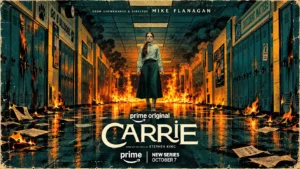
Compare Interview With the Vampire, Season 3 vs Carrie

Interview With the Vampire, Season 3

Interview With the Vampire, Season 3

Overall score 4.3 / 5

Based on 47 scored reviews

vs
Carrie

Carrie

Overall score 4.0 / 5

Based on 61 scored reviews

How we score

Scorata scores summarize analyzed review evidence on a 1–5 scale; they are not laboratory measurements or a simple average of customer star ratings. Feature scores summarize the reviews covering that feature. The overall score averages feature scores within each review, then combines review averages. When both expert and customer evidence are available, those two groups receive equal weight. Products can have different review coverage, so small score gaps do not establish a winner.

Recommendations prioritize important features for the category, with a score of at least 3.5, a gap of at least 0.25 points and at least two supporting reviews per product. Features with widely varying scores or broad connectivity contexts are excluded from recommendations. These safeguards do not establish statistical significance.

Quick verdict

What each product is best for

The review evidence points to a tradeoff: world-building and score quality versus sexual content level and character likability. Choose according to which strengths matter more to you; the overall score alone does not settle that choice.

Choose Interview With the Vampire, Season 3 for world-building and score quality.

Choose Carrie for sexual content level and character likability.

Why these recommendations?

Interview With the Vampire, Season 3

Where It Has the Edge

  • world-building is 5.0 vs 2.7. The season expands the vampire world and supernatural stakes while retaining a lived-in feel. Its best mythology additions...
  • score quality is 5.0 vs 4.1. Daniel Hart’s orchestral work earns emphatic praise for carrying grief and atmosphere beneath the louder rock material.
  • audience appeal is 4.7 vs 3.8. The season lands best with established fans willing to embrace its maximalist rock-opera turn; passionate viewers describe it...

Carrie

Where It Has the Edge

  • sexual content level is 4.3 vs 1.5. The less salacious handling of the locker-room scene is welcomed. Sexual material elsewhere is judged purposeful rather than...
  • character likability is 4.2 vs 2.3. Carrie’s kindness and eagerness make her easy to root for. Some viewers appreciate that warmth, while others find...
Interview With the Vampire, Season 3 4.3 overall score
Carrie 4.0 overall score

Compare features

Scores are out of 5. Missing scores mean missing review evidence, not a missing feature.

Scored on both products

Other features

Character consistency
Interview With the Vampire, Season 3
5.0

Even with major plot and characterization changes from the books, the adaptation is praised for preserving the essential integrity of its central characters.

Carrie
2.3

Margaret’s shift into public activism can be difficult to reconcile with her initial characterization. Other adult antagonists are criticized for feeling one-note or out of step with the surrounding drama.

Sexual content level
Interview With the Vampire, Season 3
1.5

Explicit sexuality is part of the show’s established identity, but the mother-son sexual material draws strong criticism from several reviewers who find it excessive, gross, or used for shock.

Carrie
4.3

The less salacious handling of the locker-room scene is welcomed. Sexual material elsewhere is judged purposeful rather than gratuitous.

Continuity
Interview With the Vampire, Season 3
5.0

Despite a radical change in style and point of view, the season is praised for connecting cleanly to the emotional and narrative history of the first two seasons.

Carrie
2.8

Prom security creates a noticeable gap in the show’s internal logic. Unresolved plot threads also leave one viewer wanting firmer answers.

Directing quality
Interview With the Vampire, Season 3
2.5

The premiere’s psychedelic direction is a weak spot for one reviewer, who finds the drug-trip imagery too aggressive to follow alongside the already dense narration.

Carrie
4.6

The strongest direction draws tension and emotion from intimate scenes and inventive visual storytelling. Its handling of the expanded story is less assured than its work with the cast.

Character likability
Interview With the Vampire, Season 3
2.3

Daniel becomes more abrasive after his transformation, and some viewers find his smugness noticeably less appealing than in earlier seasons.

Carrie
4.2

Carrie’s kindness and eagerness make her easy to root for. Some viewers appreciate that warmth, while others find the near-perfect innocence bland or the peripheral characters less engaging.

Genre satisfaction
Interview With the Vampire, Season 3
5.0

As gothic camp, rock opera, melodrama, and supernatural horror, the season’s genre blend is widely praised as bold, strange, and emotionally potent.

Carrie
3.2

Expect a compassionate high school tragedy with psychological horror rather than relentless supernatural scares. Some find its human cruelty frightening; others feel the gentler approach blunts the story’s bite.

Renewal interest
Interview With the Vampire, Season 3
5.0

Even reviewers discussing unresolved questions express strong interest in continuing, with explicit enthusiasm for another season and the larger supernatural story.

Carrie
3.2

The wider world of gifted women makes some viewers eager for another season. Others see the continuation hooks as a cash grab or an unwelcome distraction from a complete tragedy.

Season length
Interview With the Vampire, Season 3
2.0

The seven-episode order is a recurring concern. Several reviewers argue an eighth episode or a fuller season would have given major plotlines and the promised concert more room to breathe.

Carrie
3.7

Eight episodes provide room to understand Carrie, her mother, and her classmates. Several viewers still find the side stories repetitive or too expansive for such a compact tragedy.

Modern political framing
Interview With the Vampire, Season 3
5.0

Updating the story to the mid-2020s is praised for letting Lestat collide with contemporary culture and topical references in a way that feels specific to this version.

Carrie
3.5

School violence, parental rights, and conspiracy thinking give the update pointed contemporary relevance. Repeated speeches and broad ideological characterization sometimes make the message feel preachy.

Story quality
Interview With the Vampire, Season 3
4.3

Overall story reception is strongly positive but not unanimous. Many call the season gripping or among TV’s best, while harsher critics see a shallower, overstuffed detour from the strengths of earlier seasons.

Carrie
3.0

The mother-daughter drama and parallel story of Chris often work well. Added characters and franchise setup can scatter the focus and weaken the central tragedy.

Plot clarity
Interview With the Vampire, Season 3
3.1

The nonlinear approach works for viewers who enjoy assembling the pieces, but newcomers and some returning viewers find it head-spinning. Later context and rewatches clarify scenes that initially seem opaque.

Carrie
2.0

The altered ending and proliferating supernatural threads can leave the story harder to follow or reconcile. A prom security inconsistency also distracts from the climax.

Cinematography
Interview With the Vampire, Season 3
5.0

Close-ups and concert photography draw strong praise, with musical performances benefiting from expressive framing, stage light, and intimate character-focused shots.

Carrie
3.9

Negative space and striking prom imagery support the slow-building tension. Artificial-looking homage shots and washed-out colors draw some criticism.

Lore depth
Interview With the Vampire, Season 3
5.0

The season expands vampire mythology while tying new supernatural material back to the core relationships, making the world feel broader without abandoning character stakes.

Carrie
4.0

Telekinetic history and the possibility of other gifted women add intriguing context. The lore works best when it supports Carrie’s journey rather than pulling attention into a larger franchise.

Cliffhanger effectiveness
Interview With the Vampire, Season 3
5.0

The season repeatedly lands major episode-ending shocks, with the penultimate cliffhanger receiving especially ecstatic praise. The final cliffhanger is more divisive because some wanted fuller payoff first.

Carrie
4.0

Episode endings can be strong enough to prompt an immediate continuation. The larger closing hook is intriguing to some but frustrating for viewers wanting resolution.

Cultural representation
Interview With the Vampire, Season 3
3.5

The series’ race-conscious reinvention of Louis and Claudia continues to earn praise for expanding the world’s perspective, though one later Claudia scene drew concern about how a racialized insult was handled.

Carrie
4.5

A stronger female creative perspective is welcomed for making the coming-of-age story feel more respectful and authentic. It gives familiar conflicts a different emphasis.

Franchise connection
Interview With the Vampire, Season 3
2.3

This is emphatically a third season rather than a clean restart. Multiple reviewers warn that newcomers will be lost, and one also objects to wider Immortal Universe connections feeling increasingly necessary.

Carrie
3.3

Links to the wider King universe interest some fans and feel plausible within the novel’s hints. Others think those connections intrude on a story that works best on its own.

Plot twists
Interview With the Vampire, Season 3
5.0

The season delivers frequent surprises and several jaw-dropping turns, with its biggest reveals generating strong excitement even among mixed reviews.

Carrie
4.1

Several viewers welcome the bold surprises and subversions of familiar moments. Some major reveals are easy to anticipate, though predictability does not always spoil their payoff.

Score quality
Interview With the Vampire, Season 3
5.0

Daniel Hart’s orchestral work earns emphatic praise for carrying grief and atmosphere beneath the louder rock material.

Carrie
4.1

The melancholic score and some atmospheric musical choices reinforce the dread and sadness. One dissenting view finds the music too eager to manufacture unearned epic moments.

Ending satisfaction
Interview With the Vampire, Season 3
2.0

The finale sharply divides opinion. Some appreciate its thematic closure and perspective shift, while others see it as an underwhelming bookmark that postpones the concert and apocalypse payoff.

Carrie
2.9

The prom delivers striking imagery and powerful moments for many viewers. Its altered resolution and continuation hooks are the chief dividing point, often criticized for weakening the tragedy or leaving the story unfinished.

Episode pacing
Interview With the Vampire, Season 3
3.7

Individual episodes can be exhilaratingly fast, but the barrage of edits, jokes, music, and plot sometimes becomes overstimulating or hard to track.

Carrie
4.5

The first episode’s pacing is praised alongside its editing and performances. Its momentum helps sustain interest through the introduction and growing school tension.

Trauma portrayal
Interview With the Vampire, Season 3
5.0

Lestat and Claudia’s histories are treated as central emotional material, with the supernatural framework praised for exploring assault, shame, grief, and defensive behavior with unusual force.

Carrie
4.3

The series can be a powerful depiction of how grief, bullying, and control affect young people and their families. A rushed teacher storyline is the clearest reservation about handling heavier material.

Character balance
Interview With the Vampire, Season 3
2.8

Lestat’s dominance works for many viewers, but the supporting cast is unevenly served. Established characters stay compelling while several new band members and mythology figures feel thin or underused.

Carrie
2.1

Too much time away from Carrie is a recurring frustration. The expanded cast also leaves some important supporting characters with rushed or insufficiently developed arcs.

Accountability handling
Interview With the Vampire, Season 3
5.0

A late-season conversation earns praise for letting the characters plainly acknowledge a disturbing truth instead of romanticizing or dodging it.

Carrie
4.3

The best character work explains cruelty without excusing it and shows how bystanders contribute to harm. A few feel that the show’s sympathy becomes manipulative or lets its antagonists off too easily.

Suspense
Interview With the Vampire, Season 3
5.0

The season’s escalating tour danger, vampire conflict, and major late-episode reveals create strong edge-of-the-seat momentum.

Carrie
4.3

The known catastrophe creates dread around seemingly ordinary school moments, and the final stretch can be gripping. Some find that the wider mythology buries the threat rather than intensifying it.

Season finale quality
Interview With the Vampire, Season 3
3.5

The finale ranges from exceptional to deeply underwhelming depending on the reviewer. Its thematic ambition and performances impress, but withheld payoff and cliffhanger structure frustrate a substantial minority.

Carrie
2.9

The last episode is admired for its scale and disturbing imagery but frequently challenged for its narrative decisions. The ending’s shift toward a larger supernatural story can undo some of the preceding drama’s impact.

Plot originality
Interview With the Vampire, Season 3
5.0

The rock-tour documentary, layered narration, and unstable point of view are widely praised as fearless reinvention rather than a repeat of the first two seasons.

Carrie
4.4

Bold additions and transformed familiar moments help this version establish its own identity. Reinvention is welcomed more consistently than every individual story change.

Dialogue quality
Interview With the Vampire, Season 3
3.8

The writing remains sharp, dense, and layered at its best, especially in relationship scenes. Some reviewers find Lestat’s rock-star monologues and intentionally excessive banter cringeworthy or exhausting.

Carrie
3.2

Natural conversations and awkward exchanges can feel convincing. Explicit thematic speeches sometimes become preachy or repeat points the drama has already made.

Faithfulness to source material
Interview With the Vampire, Season 3
4.4

The adaptation is broadly praised for preserving Anne Rice’s spirit while making bold changes. The largest source-material objections focus on Gabriella and several altered character histories.

Carrie
3.8

The iconic incidents and many central themes remain recognizable, while the series freely reworks character motives and outcomes. Those changes delight some viewers and feel like a loss of the original tragedy to others.

Romance quality
Interview With the Vampire, Season 3
5.0

The Louis–Lestat relationship remains the emotional center even with limited shared screen time. Their scenes are praised as electric, tender, painful, and central to the adaptation’s queer love story.

Carrie
4.5

More time with Sue, Tommy, and Carrie makes their feelings and relationships easier to believe. The developing bonds provide relief from the surrounding hostility and add emotional stakes to prom night.

Writing quality
Interview With the Vampire, Season 3
4.3

The script’s speed and wit are praised as a major strength, packing dense ideas and character beats into fast-moving scenes.

Carrie
3.8

Character-focused scenes and thoughtful adaptation choices are often compelling. The script becomes less convincing when extra mythology and overt messaging crowd the central conflict.

Humor
Interview With the Vampire, Season 3
4.9

The comic turn is one of the reinvention’s biggest successes for many reviewers, from mock-rockumentary banter to Lestat’s absurd self-seriousness. A minority finds some of the silliness tonally jarring.

Carrie
4.4

Dark laughs and sharp character interactions bring welcome levity to the bleak story. Josie Totah’s comic timing and Margaret’s clashes with school officials stand out.

Season pacing
Interview With the Vampire, Season 3
3.1

Pacing is the most repeated structural tradeoff: the breakneck energy suits Lestat, but the short season can feel rushed, overstuffed, or uneven as it moves among many timelines and characters.

Carrie
3.6

Some find a strong dramatic rhythm and an increasingly gripping final stretch. Others report a slow start, a repetitive middle, or a second half that loses focus.

Bingeability
Interview With the Vampire, Season 3
5.0

The dense, propulsive episodes inspired TV-hangover reactions and strong binge enthusiasm, though the amount of information can make the experience intense.

Carrie
4.6

Several viewers fly through the episodes and feel compelled to keep watching. Its emotional bleakness can also be intense enough to require a break.

Cast chemistry
Interview With the Vampire, Season 3
5.0

The ensemble chemistry remains a standout, especially Reid with Anderson, Bogosian, and Zaman. The Louis–Lestat connection is repeatedly described as the emotional engine of the season.

Carrie
4.6

Quiet exchanges between Carrie and Margaret give the series its emotional center. Friendships, romance, and the toxic Chris-Billy pairing also benefit from believable interaction.

Theme depth
Interview With the Vampire, Season 3
4.5

The show continues to dig into memory, performance, guilt, failure, trauma, and the need to be loved. Several reviewers see those themes as the substance that keeps the maximalist presentation emotionally grounded.

Carrie
4.1

Kindness, complicity, parental control, and social media cruelty give the drama substance. Historical framing and explicit speeches sometimes reduce those ideas to repetitive or blunt commentary.

Drama quality
Interview With the Vampire, Season 3
4.5

The strongest grief and trauma storylines retain the dramatic gravity of earlier seasons, even for reviewers who find the overall reinvention messier.

Carrie
4.2

The quiet relationship scenes and recognizable adolescent struggles often carry the series. Viewers seeking a sharper horror experience may find the teen drama too gentle, broad, or polished.

Emotional impact
Interview With the Vampire, Season 3
5.0

Beneath the camp and spectacle, the season is repeatedly described as heartbreaking, devastating, and unexpectedly moving. Claudia’s grief, Lestat’s trauma, and the Louis–Lestat material drive the strongest reactions.

Carrie
4.7

Carrie’s hope and repeated humiliation make this a deeply sad, often affecting watch. The library scenes and mother-daughter moments are especially memorable.

Episode structure
Interview With the Vampire, Season 3
4.5

The season’s best episodes balance trauma, romance, humor, and vampire politics with confidence. Weaker installments feel less focused, making the episode-to-episode consistency uneven.

Carrie
4.3

Documentary-style interviews and glimpses of the disaster provide an effective route into a familiar story. Too many framing devices can make the presentation feel cluttered.

Casting quality
Interview With the Vampire, Season 3
4.5

New casting choices generally feel well matched to their roles, with the touring band in particular praised for feeling like an organic group.

Carrie
4.7

The lead casting is widely admired, and the ensemble often looks and behaves like real teenagers. Reservations concern a few performers’ apparent ages relative to their school roles.

Ethical sensitivity
Interview With the Vampire, Season 3
4.0

The incestuous Gabriella storyline is deliberately disturbing; one reviewer specifically appreciates that the show eventually confronts the discomfort rather than treating it as harmless.

Carrie
4.2

The treatment of school violence and the more respectful view of adolescent girls are praised. One concern is that a heavy teacher storyline receives too little time to explore its consequences.

Acting quality
Interview With the Vampire, Season 3
5.0

Performance quality is a major consensus strength. Even reviews that dislike the season’s writing or direction repeatedly praise the cast for carrying the material with emotional force.

Carrie
4.8

The ensemble is one of the most consistently praised parts of the series. Convincing performances keep the emotional stakes engaging even through weaker plot detours.

Pilot episode quality
Interview With the Vampire, Season 3
4.7

The premiere is mostly received as an audacious, highly entertaining reset, with several calling it exceptional. A few find it loose, disorienting, or overstimulating.

Carrie
4.6

The opening earns strong praise for its framing, performances, and chilling locker-room sequence. Early impressions generally promise a compelling modern retelling.

Tonal consistency
Interview With the Vampire, Season 3
4.0

The shift from melancholy period drama to flamboyant rock camp is the season’s most visible gamble. Most reviewers think it suits Lestat and retains the show’s emotional core, while others find it jarring, messy, or superficial.

Carrie
3.9

A somber atmosphere and occasional dark humor generally suit the emotional tragedy. The teen drama emphasis and broader supernatural elements can feel less harmonious to viewers expecting harder horror.

Character development
Interview With the Vampire, Season 3
4.2

The season substantially deepens Lestat and gives several returning characters meaningful emotional turns. Criticism centers on newer or secondary characters whose arcs feel compressed or insufficiently explained.

Carrie
4.3

Carrie, Margaret, and Chris gain meaningful motives and emotional complexity. Dissenting voices find Carrie too uniformly innocent and the supporting stories unevenly developed.

Villain quality
Interview With the Vampire, Season 3
3.8

Armand’s antagonist turn is polarizing: one review celebrates a series-best Big Bad performance, while another finds the escalation cartoonish and insufficiently earned.

Carrie
3.7

Chris can be vicious without becoming a simple caricature, and her backstory often strengthens the conflict. Giving antagonists too much sympathy can diminish their menace.

Editing quality
Interview With the Vampire, Season 3
4.8

Rapid cutting is often praised for matching Lestat’s manic perspective and musical energy. The speed can be demanding, but the edit is repeatedly treated as purposeful rather than careless.

Carrie
4.8

The visual parallels in the party episode and the opening episode’s transitions are especially effective. Editing helps connect emotional shifts without lengthy explanations.

Comfort and build

World-building
Interview With the Vampire, Season 3
5.0

The season expands the vampire world and supernatural stakes while retaining a lived-in feel. Its best mythology additions deepen the central relationships rather than functioning as lore for its own sake.

Carrie
2.7

The larger world of gifted women offers possibilities that excite some fans. More often, it is criticized for diluting the school tragedy, confusing the story, or setting up future seasons at the expense of this one.

Production design
Interview With the Vampire, Season 3
3.2

Concert staging and lighting can look excellent, but some reviewers feel the broader production value has slipped from the ornate period settings of earlier seasons.

Carrie
4.5

The mundane high school setting is seen as a fitting choice for this version. Its lack of elaborate Gothic design does not undermine that approach.

Costume design
Interview With the Vampire, Season 3
5.0

Lestat’s wardrobe is singled out as part of the season’s creative spectacle, with the costume work contributing heavily to his glam-rock transformation.

Carrie
4.5

Carrie’s handmade clothing is admired for its beauty. It supports the character’s resourcefulness within her sheltered upbringing.

Visual style
Interview With the Vampire, Season 3
4.2

Color, lighting, concert imagery, and a brighter contemporary palette give the season a vivid identity. Some drug-trip visuals are criticized as cheap or distracting, making the presentation impressive but uneven.

Carrie
4.2

Stylish images and memorable prom imagery give the series a strong visual identity. A smaller group dislikes the glossy teen drama look or washed-out colors.

Performance

Soundtrack quality
Interview With the Vampire, Season 3
4.5

Music is one of the season’s defining strengths for most reviewers, functioning as character confession as well as spectacle. A notable minority finds the retro glam-rock songs cheesy or outright poor.

Carrie
3.1

The haunting, contemporary songs have admirers and may appeal to younger viewers. Repeated complaints target ill-fitting or overly literal needle drops that explain emotions already clear onscreen.

Supporting cast performance
Interview With the Vampire, Season 3
5.0

Sheila Atim’s Akasha is singled out as a breathtaking supporting turn, giving the larger mythology immediate presence.

Carrie
4.6

Matthew Lillard, Alison Thornton, Amber Midthunder, and other supporting players bring humor, vulnerability, and tension. Their work often earns praise even when the surrounding story feels underdeveloped.

Main cast performance
Interview With the Vampire, Season 3
5.0

The main ensemble is praised as unusually strong, with Lestat’s expanded focus still leaving room for returning leads to register as essential rather than ornamental.

Carrie
4.8

The central performances make innocence, fear, controlling love, and suppressed anger convincing. Summer H. Howell and Samantha Sloyan repeatedly emerge as the series’ strongest assets.

Controls and connectivity

Audience appeal
Interview With the Vampire, Season 3
4.7

The season lands best with established fans willing to embrace its maximalist rock-opera turn; passionate viewers describe it as highly absorbing, while its niche excess limits universal appeal.

Carrie
3.8

The teen drama, contemporary music, and substantial adult cast can widen its appeal. Viewers who feel distant from YA storytelling may struggle with the earlier episodes.

Critic appeal
Interview With the Vampire, Season 3
5.0

Critical enthusiasm is extremely high overall, with multiple writers placing the season among television’s best despite meaningful dissent over pacing, adaptation choices, and the finale.

Carrie
4.5

Critical reception is predominantly favorable toward the modern reframing and performances. Reservations center on reduced scariness and the changed ending.

Ownership and support

Entertainment value
Interview With the Vampire, Season 3
4.9

Most reviewers find the reinvention enormously entertaining, using phrases such as roaring fun, campy fun, and a bloody good time even when they note structural flaws.

Carrie
4.4

Many find the series engrossing, moving, and worth watching despite its flaws. Responses are less enthusiastic when the teen drama or supernatural detours overwhelm the central story.

Rewatch value
Interview With the Vampire, Season 3
5.0

The out-of-order structure rewards a second pass once later revelations are known, and several viewers are eager to revisit both this season and earlier episodes with fresh context.

Carrie
4.5

Rewatching gives an early line from Chris added significance once her full arc is known. It makes the characterization feel more deliberate.

Evidence available for one product

Other features

Accent authenticity
Interview With the Vampire, Season 3
2.4

Gabriella’s accent is one of the season’s most divisive details: some find it entertaining or mostly convincing, while several others call it exaggerated, inconsistent, or outright distracting.

CarrieNo score yet
Action sequence quality
Interview With the Vampire, Season 3No score yet
Carrie
4.2

The prom’s scale, chaotic progression, and striking images can make it an effective spectacle. Some find the sequence overextended or weaker than the earlier film’s explosive technique.

Adaptation necessity
Interview With the Vampire, Season 3No score yet
Carrie
4.5

The modern bullying angle and richer relationships give this retelling a persuasive reason to exist. Its more ambitious supernatural additions are less consistently welcomed.

Anthology format
Interview With the Vampire, Season 3No score yet
Carrie
5.0

The recurring histories of gifted women are admired for making Carrie’s story part of something larger. This perspective is praised for building meaning without diminishing her importance.

Bullying portrayal
Interview With the Vampire, Season 3No score yet
Carrie
4.2

The viral humiliation and its spread through the school community can be painfully convincing. Complaints focus on exaggerated cruelty, diluted consequences, or telling viewers about harm instead of fully dramatizing it.

Language level
Interview With the Vampire, Season 3No score yet
Carrie
4.0

The frequent strong language is judged to serve the story rather than feel superfluous. The favorable assessment concerns its purpose, rather than the amount of swearing.

Makeup quality
Interview With the Vampire, Season 3
5.0

The séance material earns specific praise for unsettling makeup work, especially the disturbing physical details used as Claudia materializes.

CarrieNo score yet
Modernization quality
Interview With the Vampire, Season 3No score yet
Carrie
4.5

Cyberbullying, smartphones, school shooting drills, and parental anxiety make the story feel current. The update is widely praised, although its polished teen drama sometimes feels too safe or heavy-handed.

Period authenticity
Interview With the Vampire, Season 3
3.0

Historical detail is less consistently convincing than in the first two seasons, making some liberties in Lestat’s earlier life more noticeable.

CarrieNo score yet
Power scaling
Interview With the Vampire, Season 3No score yet
Carrie
3.5

Carrie’s growing abilities can be inventive and exciting to follow. Their delayed prominence or superhero-like treatment frustrates viewers who want the powers to serve her emotional breakdown more directly.

Protagonist agency
Interview With the Vampire, Season 3No score yet
Carrie
2.3

The most persistent objection is that outside influences weaken Carrie’s ownership of her choices and rage. A minority welcome the reworking as a way to give the young women more control over their futures.

Realism
Interview With the Vampire, Season 3No score yet
Carrie
3.9

The bullying, family pressures, and school environment frequently feel recognizable and grounded. Plot conveniences, exaggerated cruelty, and a few social media details can strain credibility.

Release schedule
Interview With the Vampire, Season 3No score yet
Carrie
4.5

Releasing the first season as a binge is welcomed. Immediate access to the next episode helps viewers move through the slower opening and strong cliffhangers.

Special effects quality
Interview With the Vampire, Season 3
3.5

Effects quality is inconsistent: Claudia’s séance transformation is praised as highly effective, while at least one creature effect is criticized as visibly rough.

CarrieNo score yet
Title sequence quality
Interview With the Vampire, Season 3No score yet
Carrie
4.5

The understated title-card moment feels well placed after Carrie introduces herself. Its gentle presentation suits the opening’s approach.

Violence level
Interview With the Vampire, Season 3No score yet
Carrie
4.5

The restrained violence through much of the season is appreciated for allowing emotional stakes to develop. When the brutality arrives, favorable reactions focus on its dramatic force and satisfying payoff.

Controls and connectivity

Age appropriateness
Interview With the Vampire, Season 3No score yet
Carrie
4.0

One assessment considers the series suitable for young viewers already comfortable with PG-13 films. That approval is framed around learning from its bullying and responsibility themes.

Guest appearances
Interview With the Vampire, Season 3No score yet
Carrie
5.0

An unexpected cameo brings particular delight to one viewer. Its surprise value is part of the appeal.

Ownership and support

Educational value
Interview With the Vampire, Season 3No score yet
Carrie
4.5

Chris’s repeated chances to choose differently give her storyline an instructive purpose. It offers younger viewers a clear warning about lashing out and joining in cruelty.

Value for money
Interview With the Vampire, Season 3No score yet
Carrie
4.5

One viewer rates the series as purchase-worthy. The overall experience is considered strong enough to justify paying for it.


Other Top TV Shows to Consider

#1 Colin From Accounts, Season 3
4.8

Best for sharp adult humor, magnetic chemistry and a deeply satisfying farewell. Skip it if familiar will-they-won’t-they plotting or deliberately messy leads are dealbreakers.

Pros: humor, writing quality

#2 King of the Hill, Season 15
4.7

Choose Season 15 for warm, character-driven comedy, meaningful growth, and a finale that rewards longtime fans. Skip it if the short binge format, uneven replacement voices, or occasional clumsy commentary...

Pros: franchise connection, character development

#3 The Pitt, Season 2
4.7

Choose The Pitt Season 2 for a gripping, realistic medical drama with superb acting and emotional depth. Skip it if graphic procedures, unresolved arcs, or slower character-driven pacing bother you.

Pros: realism, emotional impact

#4 Furious, Season 1
4.6

Best for powerhouse performances, thorny character work, and a tense revenge mystery that grows richer as it goes. Skip it if abuse, trafficking, graphic violence, or deliberately messy moral questions...

Pros: main cast performance, character development

Cons: pilot episode quality