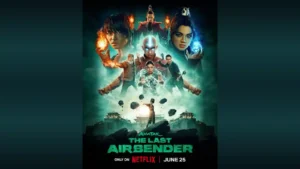
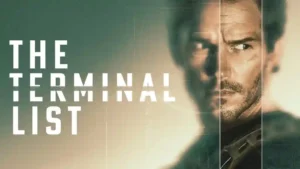
Avatar: The Last Airbender, Season 2
Where It Has the Edge
- audience appeal is 5.0 vs 4.5. Positive reviewers describe the season as quickly hooking them and renewing their excitement for the live-action series.

Scorata scores summarize analyzed review evidence on a 1–5 scale; they are not laboratory measurements or a simple average of customer star ratings. Feature scores summarize the reviews covering that feature. The overall score averages feature scores within each review, then combines review averages. When both expert and customer evidence are available, those two groups receive equal weight. Products can have different review coverage, so small score gaps do not establish a winner.
Recommendations prioritize important features for the category, with a score of at least 3.5, a gap of at least 0.25 points and at least two supporting reviews per product. Features with widely varying scores or broad connectivity contexts are excluded from recommendations. These safeguards do not establish statistical significance.
Quick verdict
The review evidence points to a tradeoff: audience appeal versus character consistency and episode structure. Choose according to which strengths matter more to you; the overall score alone does not settle that choice.
Choose Avatar: The Last Airbender, Season 2 for audience appeal.
Choose The Terminal List, Season 2 for character consistency and episode structure.
Scores are out of 5. Missing scores mean missing review evidence, not a missing feature.
One strongly negative review faults the directing, alongside the writing, for losing sight of what made the source material work.
The video assessment finds the veteran-led directing consistently effective across the season. That confidence is closely tied to the action's authenticity.
A family-oriented review explicitly recommends the show as appropriate viewing for families, including children around eight and older.
Brutal bloodshed and a heavy mood make this a poor family pick. Its meaningful questions about healing do not offset the mature presentation.
One review finds the stage-bound environments so artificial that they prevent suspension of disbelief.
Weapon handling, tactical movement and physical consequences are widely admired. The story is still heightened fiction, and Reece's endurance or convenient medical resilience can strain credibility.
The harshest adaptation-focused reviews argue that some characters, especially Azula and Toph, are changed in ways that undermine defining traits.
Reece's determination remains in tension with the emotional burden he carries. His decision to keep fighting at the end is judged consistent with his core character.
One major criticism is that Aang can feel secondary in his own story while Zuko and Katara receive more narrative weight.
The wider cast gives the story several effective centers of gravity. Its strongest supporting strands occasionally make Reece feel sidelined or less interesting.
Original additions are praised when they deepen character motivations and expand familiar material instead of simply recreating it.
Familiar terrorism plots, betrayals and macho conventions are a recurring complaint. A few assessments find enough inventive turns or fresh character direction to overcome the formula.
The season is praised for handling genocide, war, immigration, prejudice, and their human consequences with more awareness and seriousness.
The story recognizes the harm and emotional cost of Reece's actions. Its continuing reliance on violence can weaken that moral inquiry.
Dialogue remains a major weakness overall, especially exposition-heavy scenes, though several reviewers see a meaningful improvement in natural conversation compared with Season 1.
The punchy, grim dialogue suits the military atmosphere. Macho aphorisms give the operators a distinct verbal style.
The orchestral score is a consistent standout, praised for enlarging action while giving quieter scenes melancholy and emotional lift.
Ruth Barrett's music is considered decent rather than distinctive. It does its job without becoming a major attraction.
Ba Sing Se’s bureaucracy, surveillance, propaganda, and refugee stories give the season a political-thriller dimension that one review sees as a major strength.
Contemporary conflict and information warfare add relevance for some critics. Others find the military reverence narrow, jingoistic or propagandistic.
Comedy remains inconsistent: some reviewers find the banter much improved, while others say slapstick and one-liners rarely land or that the season feels almost humorless.
Landry brings flashes of personality and humor into a heavy narrative. His deflective manner gives the otherwise stern ensemble some tonal variety.
Action framing can be dynamic, but static compositions and persistently dark lighting keep the photography from consistently showcasing the production.
Sweeping international landscapes and striking aerial action give the season a cinematic scale. One strong dissenter finds the locations visually indistinct and the Africa section too much like tourism advertising.
Opinions split sharply on whether this live-action version justifies itself: some see a confident reinterpretation with its own purpose, while others still regard the remake as unnecessary.
The most negative assessments see little reason to continue after the completed revenge story. For them, the broader espionage formula does not justify another season.
The season can be accessible to newcomers, but the amount of compressed material occasionally makes the larger Ba Sing Se story harder to follow.
Multiple factions, agencies and personal histories make the conspiracy dense and sometimes muddled. Close attention helps, but some assessments still find it unnecessarily tangled.
CGI is one of the season’s more divisive technical areas: some bending, creatures, and larger effects impress, while full-CG characters, green-screen moments, and virtual environments can still look artificial.
The visual effects team earns specific praise for the storm that opens the season. Digital effects support an otherwise location-heavy production.
Sokka’s grief, Iroh’s guilt, and other characters’ lingering pain are praised for being allowed to shape behavior rather than disappearing after a single episode.
Many value the continued psychological consequences of Reece's losses and military service. Others miss the earlier emphasis or feel the new conspiracy pushes those wounds aside.
The season earns strong praise for forcing Iroh to confront the civilian cost of his past as a Fire Nation general rather than treating that history as background texture.
The premiere acknowledges that Reece's choices have consequences. That recognition gives his search for a new purpose more moral weight.
Even with noticeable flaws, the seven-episode run is described as an easy, satisfying summer binge.
Consequential missions and compelling episode endings make it easy to keep watching. The strongest binge momentum arrives once the international plot is fully moving.
The season sometimes deepens Avatar lore in useful ways, but certain rearrangements and spiritual changes are criticized for weakening established rules.
Reece's father's past adds layers to the mythology. Those family connections give the larger conspiracy a more personal foundation.
The darker conflicts and escalating final episodes create genuine fear and tension for the characters’ safety.
Tactical danger and shifting alliances generate substantial tension for favorable assessments. Broader plotting sometimes dilutes the earlier focus, and dissenters find little suspense at all.
The season’s strongest material explores grief, responsibility, identity, authoritarian control, redemption, and the moral cost of war with more maturity than before.
Purpose after revenge, institutional trust, grief and manipulated information give the story several worthwhile concerns. Critics differ sharply on whether those ideas are explored or buried beneath a familiar military fantasy.
The story earns praise for stronger emotional and political material, but heavy compression and controversial remixes make the overall narrative response sharply mixed.
Redemption, a wider conspiracy and stronger supporting strands give the continuation a compelling engine for many critics. Others find an unnecessary, confused or generic follow-up to a more complete first season.
The finale is described as successfully bringing key arcs together while redirecting the story toward the final conflict.
The finale supplies meaningful closure while keeping the larger conspiracy alive. Some welcome that balance; others feel the handoff prevents a fully self-contained ending.
Individual episodes can work well as remixed stories, but serialized restructuring occasionally feels overloaded.
Missions feed consequences into the next chapter, and parallel storylines connect effectively. This linked structure helps the season build binge momentum.
The seven-episode order is one of the most criticized structural choices, with reviewers repeatedly arguing that major arcs needed more room.
Eight episodes feel overextended to the strongest dissenters. A more positive assessment enjoys the complete season but still wonders whether a condensed version might have worked.
Greater use of practical sets is viewed as a major visual improvement, helping Earth Kingdom locations feel more convincing than Season 1’s virtual environments.
Physical action, real restraints and practical effects give key sequences convincing impact. The preference for tangible locations and effects earns clear approval.
Pacing is the dominant complaint: even reviewers who like the season often say seven episodes force too many storylines together, though a few find the faster structure effective.
The opening is frequently described as slow, with major threads taking too long to converge. Many find the payoff worth the patience, while a few praise the pace or find the entire season glacial.
The finale receives positive appraisal for combining political stakes, character conflict, payoff, and setup for the final season.
The finale combines strong tactical action with personal revelations and quiet emotion. Its future-facing structure excites many viewers, though it does not resolve every major thread.
Growth is uneven but often rewarding: Zuko, Toph, Sokka, Iroh, and others gain meaningful material, while compression leaves several arcs feeling rushed or incomplete.
Moving from revenge to redemption gives Reece room for vulnerability, guilt and a renewed purpose. Critics disagree on whether that richer premise is fully realized or gives way to generic espionage.
The ending’s large cliffhanger creates strong tension and leaves at least one reviewer eager for the final season.
The final revelations encourage interest in the next chapter without withholding every payoff. The strongest responses value the combination of meaningful resolution and live mysteries.
Season 2 is praised for feeling like a natural continuation while still giving newer viewers enough orientation to follow the story.
The season helps bridge the long gap with reminders of earlier events. One assessment found the recap and integrated flashbacks sufficient to regain its footing.
The dramatic material ranges from moving and intense to forced or CW-like, producing a clearly mixed response.
The move into international espionage can reduce the personal dramatic weight. One assessment misses the more intimate material that previously gave Pratt greater depth to play.
Early impressions find the first episode rushed while the second flows much better, making episode-level pacing uneven.
The final two episodes can feel crowded as major reveals arrive together. Late convergence produces energy but leaves some moments rushed.
This is the central divide: supporters like the selective remixing and stronger confidence, while detractors feel condensed or rearranged arcs lose the logic and emotional payoff of the animated series.
Some praise the adaptation for preserving the novel's spirit and iconic moments. Others object to substantial deviations, particularly late in the story, or feel it has drifted too far from James Reece.
Bending fights and choreography are among the clearest wins, repeatedly described as sharper, more dynamic, and more exciting than before.
Tactical gunfights, close combat and helicopter work are the most consistently praised attractions. A minority find the spectacle ineffective because the characters and emotional stakes fail to engage them.
Writing shows clear improvement for some reviewers, especially in character conversations and later episodes, but exposition, compression, and clumsy adaptation choices remain frequent complaints.
The writing divides opinion between purposeful, authentic thriller construction and simplistic, stale convention. Strong tension sometimes compensates for awkward exposition or limited freshness.
As an action-fantasy series on its own terms, the season still provides enough spectacle and cast appeal to work for some viewers despite adaptation flaws.
The season delivers the tactical action and international conspiracy its core audience expects. Familiar conventions are satisfying to fans but uninspired to its strongest critics.
The season’s ending leaves at least one enthusiastic reviewer eager to see how the story concludes in Season 3.
Expanded relationships and the final family revelations create considerable appetite for another chapter. Favorable assessments see a viable continuing universe around Reece.
Bending and creature effects are usually stronger than before, but uneven green-screen work, virtual sets, and occasional wonky shots keep the visuals from being uniformly polished.
The practical approach is appreciated for giving the action tangible weight. Real-world location work strengthens the overall effect.
The best character stories land with real weight, but rushed pacing and altered scenes sometimes blunt moments that needed more time to breathe.
Quiet scenes of grief, guilt and renewed purpose can be deeply affecting. Other critics feel the global conspiracy sacrifices the first season's emotional core.
Some see the darker tone as a confident solution to Season 1’s tonal clash, while others miss the animated show’s lightness and find the live-action mood too grim.
The change from intimate revenge to international espionage takes a few episodes to establish. One assessment finds the adjustment noticeable before the thriller settles into its rhythm.
Azula and the wider antagonist side are generally compelling, with several reviewers finding the villains among the season’s strongest elements.
Landry's increasingly unhinged behavior and Oliver's parallels with Reece make them compelling adversaries. The praised portrayals give the conspiracy a more personal threat.
Team Avatar generally feels warmer and more connected this season, though one review strongly criticizes the Aang-Katara chemistry.
Reece's partnerships with Freddy and Raife are major strengths, while Katie's contrasting energy also works well. These relationships give the expanded ensemble warmth and variety.
Casting is a near-universal strength, especially the choices for Toph and the returning core cast.
Gabriel Luna is singled out as an especially inspired choice. The video assessment credits the casting team with assembling an unusually strong ensemble.
One family-focused assessment specifically considers the season suitable for children around age eight and up.
Violent combat, brutal torture and heavy adult themes substantially limit younger-audience suitability. The family-focused assessment advises children and teens to avoid it.
Positive reviewers describe the season as quickly hooking them and renewing their excitement for the live-action series.
The patriotic military focus connects strongly with its core audience. Reported viewer enthusiasm is much warmer than the divided critical response.
Toph’s energy is a clear boost, but the darker handling of Aang and other characters can make parts of the ensemble less appealing to some viewers.
Raife and Freddy are frequent highlights, and Katie's tenacity wins praise. Reece and Katie also divide opinion, with some critics finding them flat, unlikeable or insufficiently useful.
The season can look richly designed and cinematic, but persistent dimness, gray skies, and a stage-like quality are recurring visual complaints.
The gritty look preserves the physical weight of combat and distinguishes it from glossier spy thrillers. Dark interiors and sweeping landscapes broaden the presentation without smoothing away its bruising tone.
Ba Sing Se and the Earth Kingdom often feel politically richer and more layered, even though some reviewers think compression makes the wider world feel smaller.
Returning prequel characters and international storylines make the world feel considerably larger. Family history also extends the conspiracy beyond the original revenge mission.
Reactions range from an inoffensive, watchable experience to outright boredom, leaving overall entertainment value mixed.
Most favorable assessments find a gripping military thriller with strong momentum after the opening. Strong dissenters find the same material stale, slow and difficult to finish.
Supporting performers, especially Toph and Zuko-centered characters, are described as strong enough to outshine parts of the main trio.
Hopper, Luna, Wu and Hemsworth frequently give the expanded story its personality. Their work can sustain attention even when Reece's quieter material loses momentum.
The returning leads are generally seen as more comfortable and improved, with stronger chemistry and more confident performances than in Season 1.
Pratt has more room to explore Reece's psyche and inner conflicts. His focused physical presence gains psychological detail in the favorable assessment.
The ensemble is generally viewed as a strength, with several standout performances outweighing isolated complaints about flat or underbaked moments.
Pratt's restrained vulnerability and a stronger ensemble earn substantial praise. Dissenters find the lead emotionally flat or one-note, while the supporting performances often fare better.
The wildlife reserve offers a refreshing change from the usual terrorism plot. Protecting animals brings out a different side of Reece.
The anti-poaching chapter provides a welcome departure from terrorism and intelligence plots. Protecting wildlife gives Reece a fresh way to use his skills.
The harshest criticism sees the espionage plot as a vehicle for political propaganda. That narrow outlook overwhelms the character drama for this critic.
Isolation at sea and a heavy, unsettled mood give the premiere a strong sense of atmosphere. Its carefully built tension takes priority over constant fireworks.
The broad AAPI and Indigenous ensemble is praised as one of television’s notably diverse casts.
The media appearances establish Reece's public notoriety. One assessment finds Bill Maher and Jocko Willink's cameos shouty.
Expanded roles make the supporting cast more useful and the world more varied. They can also draw attention away from Reece and make his own story seem less compelling.
The live-action series continues to receive strong approval for culturally authentic casting and its large AAPI and Indigenous ensemble.
Mumbled exposition and weak enunciation can make an already complicated story harder to follow. Pratt and Hemsworth draw the sharpest criticism for delivery.
Toph’s blindness is handled with particular care, including thoughtful physical behavior and consultation aimed at making the portrayal feel authentic and dignified.
The imagined exchanges with Ben feel both comforting and unsettling. They give Reece's isolation and unresolved betrayal an effective emotional presence.
Readable combat staging usually avoids frantic cutting and disorienting shaky-cam. A dissenting assessment finds the early Africa chapter edited more like a tourism commercial than a drama.
The hour-long, plot-heavy format is criticized for making the adaptation feel slower and more serious than the animated version.
The quick transition into a new story avoids rehashing too much of what came before. One assessment finds that economy helps the season get moving.
Reece's father's history gives the international plot a personal connection and expands the mythology. The final revelations clarify how earlier generations continue shaping his life.
Flashbacks help refresh the first season after the long gap. A brief return to Boozer also earns praise for its emotional force.
Dark Wolf history makes returning relationships richer and the world feel larger. The cost is extra viewing homework, which several assessments see as a barrier to enjoying the main series.
Trust, shared experience and contrasting approaches to service enrich the central partnerships. Freddy's warmth and Katie's truth-seeking perspective help draw Reece beyond isolation.
The conflict's roots in Reece's family history give the continuation a more personal foundation. Its strongest passages let the consequences of earlier generations resonate without overexplaining them.
Graphic torture is the clearest obstacle for viewers sensitive to gore. Even critics who value its realism describe moments that are difficult to watch or stomach.
The stronger assessments value grief as an enduring burden rather than a problem revenge can solve. Reece's loneliness and search for purpose make that cost tangible.
Quiet conversations, exhaustion and uncertainty give Reece's guilt emotional weight. The premiere asks what remains after a revenge mission is complete.
Katie's reporting gives investigation a meaningful role alongside armed operations. Checking claims and challenging convenient narratives are treated as valuable tools.
Shadow-heavy interrogation spaces contrast effectively with crisp international exteriors. The changing lighting supports the varied settings.
Real international locations give the action a tangible environment. The cast and video assessment especially value the sense of actually being there.
Makeup is praised as part of the production’s standout craft, with the Kyoshi Warrior work called especially effective.
One strongly negative assessment finds the adoration of an invincible warrior almost laughable. The heroic framing feels excessive rather than nuanced to that critic.
Katie's journalism adds a useful perspective on truth, reputation and manipulated narratives. Another assessment finds the extensive news and influencer material intrusive and poor escapism.
Reece's conflicted psychology is a major strength for favorable assessments. Trauma and vulnerability complicate his competence instead of leaving him entirely invincible.
Updating the novel's geopolitical premise generally feels coherent within the show's world. The changes make the story contemporary without abandoning its international conspiracy framework.
The finale's family revelations answer questions that have followed Reece throughout the season. The remaining conspirators leave room for another chapter.
Reece's illness can make him feel fragile and raise the danger. Other assessments find the symptoms too infrequent or too conveniently set aside for operations.
Parallel investigations broaden the story and eventually converge effectively. Their long separation can also leave Reece detached from the main plot and reduce coherence.
The opening's isolation and wordless character work can be strikingly effective. Its deliberate pace may frustrate viewers expecting immediate tactical missions.
The season premiere works as a careful reset after the completed revenge arc. It favors atmosphere, character and an emerging conspiracy over nonstop action.
Some viewers enjoy red herrings and changes that surprise even book readers. Others spot the moles and double-crosses early or find the reveals blandly executed.
Information warfare and America's role in global conflicts give the plot more to consider than battlefield operations. The reporting strand broadens what warfare means within the story.
The respect for operators can become one-sided reverence. The harshest assessments find an ideological echo chamber rather than a balanced examination of power.
Katie's reporting has consequences for her career and reputation. That professional friction gives the civilian investigation substance beyond supporting Reece.
Reece spends too long outside the main conspiracy for some critics. The season becomes more engaging once he moves from waiting for a mission to actively driving events.
The four-year gap between seasons is a substantial frustration. Even an ambitious international production leaves returning viewers waiting a long time.
Sokka and Suki’s romance is described as sweet in one review, while another finds the central romantic material unconvincing in live action.
The grim military seriousness gives the show weight but can feel oppressive. A broader espionage format offers some room to move beyond the first season's gloom.
The Africa reserve offers a refreshing new setting and a different role for Reece. The wider international shift also trades some intimate emotional depth for intrigue.
The in-world book title gives 'true believer' a resonant double meaning. Its contrast between loyalty and fanaticism adds a thoughtful layer to the ending.
Misinformation and the Russia-Ukraine conflict give the espionage plot a contemporary setting. Favorable assessments find those elements add timely substance to a familiar formula.
Some critics value the brutality for its consequences and narrative purpose. Others find torture hard to tolerate or see the repeated bloodshed as unnecessary and morally troubling.
Costumes are usually praised as detailed and striking, although one adaptation-focused review finds some outfits overly costume-like.
Sets, locations, and environmental detail are often impressive, although a few reviewers feel Ba Sing Se can still look stage-bound or digitally confined.
Weapons and vehicles have a harsh physical presence in a favorable assessment. A dissenting critic finds dialogue recording and mixing insufficiently intelligible.
Guest performers are singled out as an ongoing highlight, adding recognizable and varied supporting faces across the season.
The season's international scope and cinematic finish are strong attractions. Favorable assessments find the expense visible in ways that support the story.

Best for sharp adult humor, magnetic chemistry and a deeply satisfying farewell. Skip it if familiar will-they-won’t-they plotting or deliberately messy leads are dealbreakers.
Pros: humor, writing quality

Choose Widow’s Bay for its dark laughs, richly haunted island and memorable ensemble. Skip it if you need straightforward scares, rapid answers to every mystery or a completely resolved finale.
Pros: humor, genre satisfaction
Cons: ending satisfaction, season pacing

Choose Season 15 for warm, character-driven comedy, meaningful growth, and a finale that rewards longtime fans. Skip it if the short binge format, uneven replacement voices, or occasional clumsy commentary...
Pros: franchise connection, character development

Best for sharply acted, compassionate, high-pressure hospital drama. Skip it if graphic procedures unsettle you or you need a neatly resolved season finale.
Pros: character development, acting performance
Cons: character consistency, dialogue quality