

Best Medicine, Season 1
Where It Has the Edge
No clear scored advantage over the other product.

Scorata scores summarize analyzed review evidence on a 1–5 scale; they are not laboratory measurements or a simple average of customer star ratings. Feature scores summarize the reviews covering that feature. The overall score averages feature scores within each review, then combines review averages. When both expert and customer evidence are available, those two groups receive equal weight. Products can have different review coverage, so small score gaps do not establish a winner.
Recommendations prioritize important features for the category, with a score of at least 3.5, a gap of at least 0.25 points and at least two supporting reviews per product. Features with widely varying scores or broad connectivity contexts are excluded from recommendations. These safeguards do not establish statistical significance.
Quick verdict
The available evidence supports the recommendation below, but does not establish an overall winner. Check the remaining features against your priorities.
There is not enough comparable review evidence to recommend Best Medicine, Season 1 over the other product.
Choose Tip Toe for theme depth and plot originality.
No clear scored advantage over the other product.
Scores are out of 5. Missing scores mean missing review evidence, not a missing feature.
Themes around community, class, and individualism often feel underexplored. Critics complain that potentially meaningful ideas are treated superficially or abandoned quickly.
The series digs into masculinity, queer visibility, prejudice, online radicalization, found family, resentment, and personal responsibility. Its strongest moments let those ideas emerge through character rather than speeches.
One review sharply criticizes the handling of George and Greg, arguing that the gay couple is reduced to flamboyant stereotypes rather than given enough dimension.
Queer and trans life is portrayed as a lived community rather than a backdrop, with the bar, found-family bonds, and generational fears giving the story breadth beyond the central feud.
The show’s brief treatment of economic hardship drew a strong criticism for feeling out of touch and then brushing the issue aside.
The series often handles prejudice with unusual care, refusing to require Leo to be flawless before deserving safety. One weakness is Stephanie’s bigotry being left insufficiently addressed, and a viewer also found some sensitive material gratuitous.
Originality is a consistent weakness. Multiple reviewers describe the premise, beats, and emotional arc as highly familiar, predictable, or formulaic.
Revealing the central death up front is treated as a bold structural choice, and the broader storytelling is praised as daring and distinctive rather than routine.
The dramatic material is criticized as surface-level in early coverage, with the strongest emotional scenes standing out partly because the surrounding drama often feels thin.
As drama, the series lands hard: tense, emotionally forceful, and frequently described as essential or top-tier. Its bluntness rarely erases the impact of the performances and central conflict.
Glendon initially has the makings of a stronger antagonist, but one review feels the show reforms him too quickly and sands away useful conflict.
Clive works because he is not reduced to a cartoon monster: flashes of vulnerability, ordinariness, and possible decency make his slide into hatred more frightening.
Port Wenn is widely seen as idealized and implausible, with thin economic and social friction. Some reviewers accept that fantasy as part of the comfort, while others find it unconvincing.
Realism is mixed at the plot level: the social-media radicalization and cultural climate feel frighteningly believable, but some character decisions and the final escalation strain credibility.
As a comfort dramedy, the show is polarizing: one reviewer says it delivers exactly the soothing experience it promises, while another rejects it even on those terms.
The psychological-thriller approach is highly effective, generating horror-level fear without functioning as a conventional horror series.
Humor is the most persistent fault line. Several critics find it bland, forced, muted, or unsophisticated, while more positive coverage enjoys the dry wit and later episodes’ comic rhythm.
Dark and playful humor gives the story some breathing room, especially around Leo and the bar community. Still, one assessment finds the show too serious and occasionally strident rather than genuinely funny.
The premiere produced sharply opposing reactions: one review called it dull, predictable, and hard to stick with, while another said it set a high bar with wit and heart.
The premiere makes a strong first impression by revealing the tragedy immediately and closing with a bravura montage; the unconventional opening is specifically praised as improving the show.
Martin’s gradual softening and vulnerability become a clear strength as the season progresses. By contrast, several early reviews found the supporting townspeople thin, caricatured, or insufficiently developed.
Leo and Clive emerge as flawed, layered people rather than simple symbols. Clive’s flashes of vulnerability and Leo’s warmth, carelessness, anger, and fear make the tragedy more persuasive.
Writing is a frequent weakness, with complaints about thin characterization and shallow material. A notable exception is the romance-focused episode writing, which one review found especially well matched to the characters.
Davies’ writing is strongest when character, conflict, and politics reinforce one another. The recurring drawback is over-explanation, with blunt speeches sometimes doing work the central relationship already accomplishes.
Casting reactions are mixed overall, but Josh Charles is repeatedly treated as a strong fit for the lead. Other commentary ranges from merely adequate to criticism of broader casting choices.
Cumming describes Leo as an unusually fitting role for his age, background, and dramatic strengths, reinforcing the sense that the lead casting is especially well matched.
Music reactions are split: one reviewer praises the melodic score for deepening emotional scenes, while another dismisses its sentimental piano as treacly.
Sam Watts’ scoring is singled out alongside the direction as haunting and note-perfect, strengthening the sustained atmosphere of dread.
Martin’s brusque behavior can make him actively off-putting early on, but later episode coverage finds much of the supporting cast warm and likable.
Leo’s charm, generosity, humor, and instinct to help vulnerable people make him easy to care about even when he misjudges situations or pushes too far.
Many reviewers think the heart-and-humor balance works, especially later in the season, but others find the whimsy forced or the mix of comfort comedy and bittersweet drama indecisive.
The series holds onto its anxious, threatening atmosphere with unusual discipline, rarely allowing the tension to fully break even during lighter or more intimate scenes.
Pacing impressions conflict: one reviewer thought the hour moved like a half-hour comedy, while another found the pilot slow and dragging.
The short run mostly keeps tension taut, though speech-heavy stretches can interrupt the momentum when the drama pauses to underline its politics.
The pilot struggled to land its emotional hooks for one critic, but later episodes earned strong praise for romantic progress, family conflict, and a genuinely heartbreaking finale beat.
The show is consistently described as harrowing, heartbreaking, disturbing, and deeply affecting. Its anger and dread leave a strong impression even on viewers who resist its lack of subtlety.
Josh Charles and Abigail Spencer are repeatedly praised for their chemistry, especially once the romance develops. The pilot drew a more skeptical reaction, with one review calling the early romantic setup telegraphed and unearned.
Cumming and Morrissey’s chemistry gives the central feud exceptional heat, shifting convincingly between hostility, uneasy connection, and outright menace.
The ensemble can feel overstuffed, with one review arguing that the show tries to serve too many personalities and spreads itself too thin.
The two leads receive deep, nuanced treatment, while some supporting characters—especially Zee—are left thinner or more functional than the central pair.
Episode 9’s medical emergency is praised for creating real tension and a sense of stakes even when the outcome never seems truly fatal.
Knowing Leo’s fate does not reduce the tension; it intensifies it. Ordinary encounters become threatening, and the series sustains a slow-motion-train-wreck sense of dread.
Performances are a major strength, especially when the material gives the leads room for vulnerability and emotional shading. One pilot-focused review found the ensemble restrained, but later episode coverage was much more enthusiastic.
The performances are the clearest strength, with Alan Cumming and David Morrissey repeatedly singled out for rich, frighteningly human work. Even the supporting ensemble receives strong praise.
The medical-case-of-the-week structure generally works, especially when cases intersect with character growth. Repeated town traditions risk becoming formulaic, though later episodes use the format more effectively.
Repeated flashes of Leo’s fate turn each episode into a countdown, creating a fatalistic structure that keeps the focus on how the tragedy develops rather than what happens.
Port Wenn can be an inviting fantasy that feels pleasant to revisit, yet several critics find it too polished, two-dimensional, or television-perfect to feel like a real community.
The grounded world-building is strongest around Spit & Polish, where ordinary work, gossip, friendship, and safety make the queer community feel lived-in rather than merely symbolic.
Appeal depends heavily on tolerance for cozy, low-stakes small-town television. Some reviewers found it soothing and easy to like, while others reported boredom, disappointment, or little reason to continue.
The series is repeatedly positioned as urgent, essential, and worth seeking out, especially for viewers drawn to intense social drama. Its confrontational style may narrow the audience, but enthusiasm is still high.
Critical response is divided rather than uniform, with positive notices for charm and performances alongside substantial complaints about writing, humor, and originality.
The show arrives with exceptionally strong critical momentum, with existing U.K. coverage framed as suggesting it could rank among Davies’ best work.
The supporting cast has charm and likability, but reviews repeatedly note uneven material, thin roles, and a risk of slipping into caricature.
The supporting ensemble is a genuine strength, with several younger performers singled out and the queer and trans cast given room to make strong impressions.
The lead cast is the clearest point of consensus, with Josh Charles repeatedly singled out as the anchor and Charles and Spencer earning praise even in otherwise negative reviews.
Cumming and Morrissey dominate the series, with their performances described as phenomenal, revelatory, riveting, and at times career-best work.
The show can be very effective as low-stakes comfort television, with several reviewers calling it soothing, enjoyable, or a favorite. Harsh detractors found the same formula bland or disappointing.
Despite the punishing subject matter, the strongest recommendations call it must-watch television and argue that its tension and performances make the experience compelling.
Clive’s habit of blaming everyone but himself is treated as a key part of his radicalization. The story makes his refusal to self-examine feel dangerous rather than excusable.
The remake struggles to justify its existence for skeptical critics, who describe it as derivative and question what this version adds beyond the original formula.
Elaine’s characterization drew a specific continuity complaint, with her priorities and personality seeming to shift from episode to episode.
The dialogue is one of the clearest tradeoffs: it can be urgent, thoughtful, and nuanced, but several assessments find the speeches blunt, preachy, or too eager to spell out the message.
Peter Hoar’s direction earns particular praise for a bravura premiere montage and a haunting, tightly controlled sense of dread.
The premiere’s cross-cut montage is a standout construction, combining sexuality, loneliness, and radicalized media consumption into one bravura sequence.
The hour-long format is a recurring drawback for comedy-focused viewers, with one critic calling episodes inexplicably stretched and another preferring this style at sitcom length.
The premiere follows the original British pilot extremely closely, described as essentially a beat-for-beat remake.
The series is described as mostly family-friendly, though it includes blood, bodily fluids, sexual references, innuendo, and some light profanity.
The climax can deliver a stomach-churning payoff, but the ending is still a notable split point: some find the final escalation hard to believe and the postscript titles clumsy.
The series is unapologetically about the present moment, tying radicalization, anti-LGBTQ rhetoric, misinformation, and social polarization to intimate neighbor conflict. Most find that urgency powerful even when the messaging is blunt.
The Martin-Louisa slow burn improves substantially after a shaky, telegraphed pilot. Later episodes earn strong praise for satisfying progress, sweet interactions, and convincingly staged romantic tension.
The scripts have urgency and purpose, but conspicuous speechifying and overlong monologues sometimes make the writing feel more instructional than dramatic.
The climax has real stomach-churning impact, yet the final escalation and postscript execution leave some viewers unconvinced or dissatisfied.
Five episodes is judged an ideal length, keeping the story concentrated before its dread has time to become exhausting or repetitive.
The compact season maintains expertly built tension and avoids the slackness that a longer run might have introduced.
As the limited-series ending, the climax is powerfully disturbing for some but unconvincing for others, especially in its final escalation and postscript wrap-up.
Sexual material is described as restrained by network-TV standards, supporting a relatively mild assessment despite recurring innuendo and relationship jokes.
The neighbor feud is widely praised as a gripping vehicle for fear, resentment, prejudice, and radicalization. The story remains compelling even when its mechanics become deterministic or overtly symbolic.
The bleak material is often praised for confronting violence without simply wallowing in it, but at least one viewer felt the trauma became excessive and existed for its own sake.
Blood, scraped skin, bodily fluids, and medical imagery appear, but the content-focused review specifically says the amount is not excessive.
Martin Clunes’ Season 1 appearance is treated as an exciting tribute to the British original and helps give Episode 9 extra resonance.
One critic felt the pleasant, promising show sold in the promotion did not match the disappointing, personality-light series they actually watched.
One early review doubts the show will leave much of a lasting impression, suggesting limited staying power once the immediate coziness wears off.

Best for sharp adult humor, magnetic chemistry and a deeply satisfying farewell. Skip it if familiar will-they-won’t-they plotting or deliberately messy leads are dealbreakers.
Pros: season pacing, episode structure
Cons: none
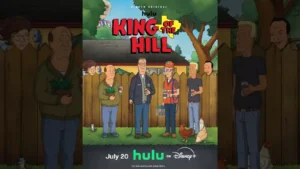
Choose Season 15 for warm, character-driven comedy, meaningful growth, and a finale that rewards longtime fans. Skip it if the short binge format, uneven replacement voices, or occasional clumsy commentary...
Pros: episode structure, season finale quality
Cons: release schedule, bingeability

Choose The Pitt Season 2 for a gripping, realistic medical drama with superb acting and emotional depth. Skip it if graphic procedures, unresolved arcs, or slower character-driven pacing bother you.
Pros: episode structure, main cast performance
Cons: age appropriateness, plot clarity

Best for powerhouse performances, thorny character work, and a tense revenge mystery that grows richer as it goes. Skip it if abuse, trafficking, graphic violence, or deliberately messy moral questions...
Pros: episode structure, supporting cast performance
Cons: cinematography, sexual content level