

Best Medicine, Season 1
Where It Has the Edge
No clear scored advantage over the other product.

Scorata scores summarize analyzed review evidence on a 1–5 scale; they are not laboratory measurements or a simple average of customer star ratings. Feature scores summarize the reviews covering that feature. The overall score averages feature scores within each review, then combines review averages. When both expert and customer evidence are available, those two groups receive equal weight. Products can have different review coverage, so small score gaps do not establish a winner.
Recommendations prioritize important features for the category, with a score of at least 3.5, a gap of at least 0.25 points and at least two supporting reviews per product. Features with widely varying scores or broad connectivity contexts are excluded from recommendations. These safeguards do not establish statistical significance.
Quick verdict
The available evidence supports the recommendation below, but does not establish an overall winner. Check the remaining features against your priorities.
There is not enough comparable review evidence to recommend Best Medicine, Season 1 over the other product.
Choose Outlander: Blood of My Blood, Season 2 for theme depth and acting quality.
No clear scored advantage over the other product.
Scores are out of 5. Missing scores mean missing review evidence, not a missing feature.
The remake struggles to justify its existence for skeptical critics, who describe it as derivative and question what this version adds beyond the original formula.
The prequel is seen as earning its place beyond simple franchise expansion by making its central couples feel important in their own right.
One review sharply criticizes the handling of George and Greg, arguing that the gay couple is reduced to flamboyant stereotypes rather than given enough dimension.
Scottish traditions and folklore are woven into the wartime setting in a way that feels captivating rather than decorative.
Themes around community, class, and individualism often feel underexplored. Critics complain that potentially meaningful ideas are treated superficially or abandoned quickly.
Love, family, agency, trauma and inheritance give the season more to explore than romance alone, and several reviews praise how those ideas shape character choices.
The ensemble can feel overstuffed, with one review arguing that the show tries to serve too many personalities and spreads itself too thin.
Despite separating four protagonists, the episode finds enough room for Henry, Julia, Brian and Ellen while still developing supporting players.
Elaine’s characterization drew a specific continuity complaint, with her priorities and personality seeming to shift from episode to episode.
Ellen’s growth feels continuous with Season 1: she remains recognizably the same woman while becoming more capable of taking charge.
Blood, scraped skin, bodily fluids, and medical imagery appear, but the content-focused review specifically says the amount is not excessive.
The institutional electroshock material is described as especially hard to watch, making the season’s treatment of violence and suffering potentially overwhelming for some viewers.
Humor is the most persistent fault line. Several critics find it bland, forced, muted, or unsophisticated, while more positive coverage enjoys the dry wit and later episodes’ comic rhythm.
Comic relief lands well amid the heavier drama, from intimate couple banter to the episode’s more knowingly outrageous clan dynamics.
Pacing impressions conflict: one reviewer thought the hour moved like a half-hour comedy, while another found the pilot slow and dragging.
Episode-level pacing is generally praised as brisk and confident, with the story raising stakes quickly and moving without much wasted time.
Glendon initially has the makings of a stronger antagonist, but one review feels the show reforms him too quickly and sands away useful conflict.
The antagonistic figures are effective because they can be sinister without becoming flat; Lord Lovat in particular remains disturbing while showing enough complexity to stay compelling.
As a comfort dramedy, the show is polarizing: one reviewer says it delivers exactly the soothing experience it promises, while another rejects it even on those terms.
As a historical romance, the season is considered one of the stronger current examples of the genre, especially for viewers who value emotional stakes as much as plot.
Casting reactions are mixed overall, but Josh Charles is repeatedly treated as a strong fit for the lead. Other commentary ranges from merely adequate to criticism of broader casting choices.
Casting earns strong approval, from the core ensemble’s resemblance and chemistry to the addition of Grace, who is described as exactly right for the role.
Martin’s brusque behavior can make him actively off-putting early on, but later episode coverage finds much of the supporting cast warm and likable.
The season’s characters are frequently described as charming and easy to root for, with Brian, Ellen and even a younger Dougal drawing particular affection.
The hour-long format is a recurring drawback for comedy-focused viewers, with one critic calling episodes inexplicably stretched and another preferring this style at sitcom length.
The premiere feels long to one viewer, but the action and emotional material are strong enough that the length does not become a major drag.
Many reviewers think the heart-and-humor balance works, especially later in the season, but others find the whimsy forced or the mix of comfort comedy and bittersweet drama indecisive.
When the season settles into its Highland ensemble, it is praised as confident and alive, balancing romance, humor and looming war without losing its emotional identity.
Martin’s gradual softening and vulnerability become a clear strength as the season progresses. By contrast, several early reviews found the supporting townspeople thin, caricatured, or insufficiently developed.
Brian, Ellen, Julia and several supporting characters gain meaningful new dimensions, especially around leadership and agency. A minority view argues that some arcs regress or turn in odd directions to serve the plot.
Writing is a frequent weakness, with complaints about thin characterization and shallow material. A notable exception is the romance-focused episode writing, which one review found especially well matched to the characters.
Writing reactions are divided. Some episodes are praised for natural character work and deft scripting, while harsher reviews call out convenient plotting, weak memory logic and dialogue that can feel functional rather than organic.
Music reactions are split: one reviewer praises the melodic score for deepening emotional scenes, while another dismisses its sentimental piano as treacly.
Bear McCreary’s music remains an important part of the series’ atmosphere, with the score especially effective when it pulls back and lets quieter longing build.
The Martin-Louisa slow burn improves substantially after a shaky, telegraphed pilot. Later episodes earn strong praise for satisfying progress, sweet interactions, and convincingly staged romantic tension.
Romance remains the show’s defining strength: the central couples have palpable chemistry, emotional sincerity and convincing longing, and their relationships carry many of the season’s best moments.
Josh Charles and Abigail Spencer are repeatedly praised for their chemistry, especially once the romance develops. The pilot drew a more skeptical reaction, with one review calling the early romantic setup telegraphed and unearned.
Chemistry between the central couples is one of the season’s clearest strengths, carrying both intimate scenes and large declarations. Even skeptical takes on the story tend to praise how naturally the leads connect.
The premiere produced sharply opposing reactions: one review called it dull, predictable, and hard to stick with, while another said it set a high bar with wit and heart.
Reaction to the premiere is mostly enthusiastic, with praise for its emotional force and momentum, but one review finds it a significant regression that undoes too much Season 1 progress.
The pilot struggled to land its emotional hooks for one critic, but later episodes earned strong praise for romantic progress, family conflict, and a genuinely heartbreaking finale beat.
The strongest scenes inspire tears, heartbreak and anxiety, especially around separation, memory and family. One harsher take finds the premiere emotionally defeating rather than satisfyingly moving.
Episode 9’s medical emergency is praised for creating real tension and a sense of stakes even when the outcome never seems truly fatal.
The season creates genuine anxiety around family conflict, looming war and hidden agendas, leaving reviewers eager and nervous about the consequences.
Performances are a major strength, especially when the material gives the leads room for vulnerability and emotional shading. One pilot-focused review found the ensemble restrained, but later episode coverage was much more enthusiastic.
Performances are a major strength, with repeated praise for the emotional intensity and conviction of the ensemble. Even reviews critical of the plotting still find the acting difficult to fault.
The premiere follows the original British pilot extremely closely, described as essentially a beat-for-beat remake.
A key choice involving Claire’s family is praised for remaining consistent with established Outlander canon.
The medical-case-of-the-week structure generally works, especially when cases intersect with character growth. Repeated town traditions risk becoming formulaic, though later episodes use the format more effectively.
The season balances big twists with quieter emotional beats, and the two-timeline construction helps the stories echo one another rather than feel disconnected.
Originality is a consistent weakness. Multiple reviewers describe the premise, beats, and emotional arc as highly familiar, predictable, or formulaic.
Repetition is one of the clearest concerns: several critics feel the franchise falls back on familiar separations, contrived obstacles and recycled conflict patterns.
Port Wenn is widely seen as idealized and implausible, with thin economic and social friction. Some reviewers accept that fantasy as part of the comfort, while others find it unconvincing.
Several plot mechanics strain credibility, including an implausibly easy asylum escape, historically questionable electroshock timing and memory logic that some viewers find hard to accept.
Sexual material is described as restrained by network-TV standards, supporting a relatively mild assessment despite recurring innuendo and relationship jokes.
Intimate scenes are often praised for emotional intensity, chemistry and playful energy, though one review notes that viewers expecting more steamy material may find the season comparatively restrained.
Port Wenn can be an inviting fantasy that feels pleasant to revisit, yet several critics find it too polished, two-dimensional, or television-perfect to feel like a real community.
Season 2 expands the world while keeping its political, romantic and time-travel threads connected, making the setting feel larger without losing the core relationships.
Appeal depends heavily on tolerance for cozy, low-stakes small-town television. Some reviewers found it soothing and easy to like, while others reported boredom, disappointment, or little reason to continue.
The mix of romance, history and danger is repeatedly described as inviting and easy to get pulled into, especially for viewers who enjoy character-driven historical romance.
Critical response is divided rather than uniform, with positive notices for charm and performances alongside substantial complaints about writing, humor, and originality.
One review gives the season strong marks as a lush, romantic and emotionally persuasive return, particularly when it centers the two couples.
Martin Clunes’ Season 1 appearance is treated as an exciting tribute to the British original and helps give Episode 9 extra resonance.
Returning familiar faces such as Mrs. Graham add warmth and hope while reinforcing the sense of a connected Outlander world.
The supporting cast has charm and likability, but reviews repeatedly note uneven material, thin roles, and a risk of slipping into caricature.
The supporting ensemble is described as fantastic, with familiar characters gaining sharper personalities and unexpected new dimensions.
The lead cast is the clearest point of consensus, with Josh Charles repeatedly singled out as the anchor and Charles and Spencer earning praise even in otherwise negative reviews.
The four central performers are repeatedly described as the reason to watch, with particular praise for how they sell the romances and the season’s heavier emotional turns.
The show can be very effective as low-stakes comfort television, with several reviewers calling it soothing, enjoyable, or a favorite. Harsh detractors found the same formula bland or disappointing.
Reviewers repeatedly describe the season as thrilling, enjoyable or outright incredible, with the mix of romance, intrigue and action keeping it engaging.
The Ellen–Colum conflict lands because the episode gives both siblings room to face the damage they have done and the motives behind it.
The premiere is praised as action-packed, keeping the episode lively even at its longer runtime.
The glossy Highland adventure and romantic momentum make the season feel addictively watchable.
The rolling Highlands and poetic camera work remain a visual highlight, producing some of the season’s strongest praise even when the story itself divides opinion.
Continuity is a notable weak point for one critic, who argues that some explanations for established canon problems feel dramatically convenient rather than convincing.
Dialogue draws mixed reactions: rousing speeches and playful period phrasing stand out, while one critic finds some conversations too obviously shaped to deliver exposition.
The dramatic material is criticized as surface-level in early coverage, with the strongest emotional scenes standing out partly because the surrounding drama often feels thin.
Parallel editing between the two timelines is used effectively to connect their themes without overexplaining the parallels.
The show’s brief treatment of economic hardship drew a strong criticism for feeling out of touch and then brushing the issue aside.
The series is described as mostly family-friendly, though it includes blood, bodily fluids, sexual references, innuendo, and some light profanity.
Most reviewers like how the prequel deepens familiar characters and connects naturally to Outlander’s history. One critic worries that the series can cling too tightly to Claire’s legacy instead of forging its own path.
The interconnected family history and time-spanning mythology add resonance for longtime fans, though newcomers may need patience with how much shared lore the story assumes.
Scottish customs, Samhain traditions and the historical texture of the setting make the period world feel richly lived in.
The season is praised for explaining why the couples separate and for catching viewers up efficiently, even while juggling multiple timelines and political pressures.
The new questions around time travel and Julia’s abilities substantially raise the mystery and leave the story with more intriguing possibilities.
The season leaves viewers eager to keep going, with Brian’s growth and Julia’s uncertain path generating especially strong curiosity about what comes next.
Margot Ye’s episode script is praised as deftly written, giving four separated leads room to face new challenges while also deepening the supporting cast.
The early season is deliberately slow-burn and clearly building toward larger events. That patience suits the character work for some viewers but may feel too gradual for those wanting faster payoff.
The season is widely seen as a worthy prequel that can stand on its own while still extending Outlander’s past and emotional legacy.
Overall story reception is positive but not unanimous. Strong romance, character focus and thematic ambition impress many reviewers, while others criticize thin substance, repeated separations and convenient plotting.
Henry’s wartime and institutional trauma is often portrayed with vivid emotional force, but reactions split on how convincing the electroshock-related memory loss feels.
Costumes are praised for communicating status and period without making every scene feel like a fashion showcase.
The series is repeatedly called gorgeous, with windswept landscapes, candlelit interiors and polished period imagery creating a rich romantic atmosphere.
One critic felt the pleasant, promising show sold in the promotion did not match the disappointing, personality-light series they actually watched.
The music works best in quieter scenes, where it supports longing without forcing the emotional response.
One early review doubts the show will leave much of a lasting impression, suggesting limited staying power once the immediate coziness wears off.

Best for sharp adult humor, magnetic chemistry and a deeply satisfying farewell. Skip it if familiar will-they-won’t-they plotting or deliberately messy leads are dealbreakers.
Pros: season pacing, episode structure
Cons: none
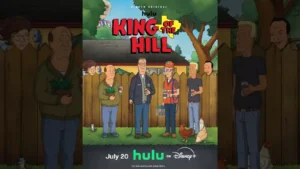
Choose Season 15 for warm, character-driven comedy, meaningful growth, and a finale that rewards longtime fans. Skip it if the short binge format, uneven replacement voices, or occasional clumsy commentary...
Pros: episode structure, season finale quality
Cons: release schedule, bingeability

Choose The Pitt Season 2 for a gripping, realistic medical drama with superb acting and emotional depth. Skip it if graphic procedures, unresolved arcs, or slower character-driven pacing bother you.
Pros: episode structure, main cast performance
Cons: age appropriateness, plot clarity

Best for powerhouse performances, thorny character work, and a tense revenge mystery that grows richer as it goes. Skip it if abuse, trafficking, graphic violence, or deliberately messy moral questions...
Pros: episode structure, supporting cast performance
Cons: cinematography, sexual content level