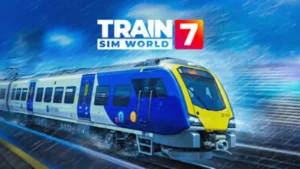
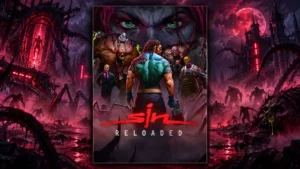
Train Sim World 7
Where It Has the Edge
- level design is 4.3 vs 3.4. The branching Yorkshire network is a standout for its varied journeys and freight work. Florida and Germany offer...

Scorata scores summarize analyzed review evidence on a 1–5 scale; they are not laboratory measurements or a simple average of customer star ratings. Feature scores summarize the reviews covering that feature. The overall score averages feature scores within each review, then combines review averages. When both expert and customer evidence are available, those two groups receive equal weight. Products can have different review coverage, so small score gaps do not establish a winner.
Recommendations prioritize important features for the category, with a score of at least 3.5, a gap of at least 0.25 points and at least two supporting reviews per product. Features with widely varying scores or broad connectivity contexts are excluded from recommendations. These safeguards do not establish statistical significance.
Quick verdict
The review evidence points to a tradeoff: level design versus crash stability and platform-specific feature support. Choose according to which strengths matter more to you; the overall score alone does not settle that choice.
Choose Train Sim World 7 for level design.
Choose SiN: Reloaded for crash stability and platform-specific feature support.
Scores are out of 5. Missing scores mean missing review evidence, not a missing feature.
Crashes during services and Freight Hauler put long sessions at risk, despite some otherwise playable runs.
Several complete or extended sessions reported no stability problems, a major improvement over the original game’s reputation.
The presentation can feel excellent, but recurring faults in doors, freight routing, and other small systems leave many buyers asking for more refinement.
Modern mechanics and presentation add a strong layer of polish while keeping the retro character intact.
Walking through trains and yards adds tactile appeal, but decorative cab controls and inaccessible station areas limit exploration.
Interactive terminals, destructible objects, cameras, vehicles, security systems, and reactive spaces remain one of SiN’s defining strengths, even if old-school obscurity can make some interactions frustrating.
The Training Centre helps explain basic driving, but advanced systems and Freight Hauler often leave players to work out crucial steps on their own.
The dedicated tutorial offers multiple simulations and weapon exercises, giving new players a useful way to learn systems before the campaign.
Freight Hauler and new assists give this annual release a fresh angle for some players. Others see a modest update whose core driving remains almost unchanged.
Locational damage, environmental interaction, reactive objectives, and branching level outcomes still feel remarkably forward-thinking for a 1998 FPS.
There is plenty to drive across the new routes, but Freight Hauler is initially confined to them and some routes or yards feel unfinished.
Bundling the base game, Wages of SiN, multiplayer, extensive options, and archival extras makes Reloaded feel comprehensive, though a few long-time fans wanted genuinely new campaign material.
Walking sideways with a controller slows awkwardly and takes time to get used to.
Movement can feel crisp and fast, but that same speed contributed to motion discomfort in at least one extended playthrough.
Smooth runs are possible on stronger systems, but busy stations, the German route, and handheld play can suffer drops and stutter.
Performance is generally smooth and high-frame-rate across tested hardware, though the Switch 2 version can show occasional dips.
Some small train interactions feel lifelike, while passengers still pop in and move unnaturally.
Cleaned-up gun animations remove some of the original wonkiness and make weapons feel much more polished in motion.
Steam Deck controls are comfortable and playability is acceptable, though stutter, dips near stations, and battery draw limit the experience.
Switch 2 delivers an impressively capable portable version, pairing strong performance with mouse-style control options and console simplicity.
Beginner controls and the Training Centre help newcomers reach the cab. The freight mode and advanced systems need clearer introductions.
Reloaded adds helpful guidance, but the game still assumes more patience and self-direction than most modern shooters, making the opening experience less friendly to newcomers.
Beginner controls and assists make train driving easier to approach while leaving the detailed cab procedures available. Several players welcome the flexibility, although the bright menus and limited hardware mapping remain barriers.
Granular toggles are a major strength, letting players mix classic visuals and behavior with modern quality-of-life changes instead of forcing one presentation.
Operating different trains is detailed and often satisfying, particularly with heavier freight. Unrealistic crash behavior and occasional control faults mar the simulation.
Vehicle handling is one of the most inconsistent areas: some versions feel much smoother and more refined, while others still suffer touchy controls, physics bugs, and frustrating sequences.
Detailed cabs, stations, and freight locations make many routes convincing. Other players find sparse scenery, quiet platforms, or omitted structures distracting.
Updated environments reward close looking, adding texture and small visual details even to otherwise plain interiors.
The relaxed pace and hands-on train work create a pleasant escape for enthusiasts, especially with the beginner scheme.
Despite dated mechanics and rough spots, the game is consistently described as fun, silly, and easy to enjoy for fans of classic shooters.
Cab interaction, regional sound, and live weather can make a drive feel remarkably authentic. Abrupt weather and visible technical faults can quickly puncture that effect.
Once the controls and systems click, the interactive environments and responsive mechanics can pull players deeply into the experience.
Launch bugs range from strange train behavior and missing freight jobs to stuck doors and broken paths. Some players encountered little trouble, while others had sessions derailed.
Reloaded is far more stable than the 1998 launch, but several playthroughs still hit vehicle-physics glitches, stuck enemies, progression problems, or other noticeable bugs.
New and familiar trains cover commuter, high-speed, and freight work with detailed models. Repeated stock and limited use for some add-ons temper the appeal.
ATVs, helicopters, forklifts, boats, and other vehicles broaden the campaign, with enough mechanical difference to keep traversal varied.
Freight Hauler brings welcome freedom to choose cars and plan deliveries without a strict timetable. Pathing bugs and limited jobs can make that freedom frustrating.
Individual levels offer an unusual amount of freedom and interactivity for a mission-based shooter, with alternate routes and optional actions rewarding experimentation.
Faster loading and menu returns are practical improvements for large libraries.
Modern hardware all but eliminates the long waits associated with the original release, making transitions quick and painless.
Enhanced lighting, shadows, and rain create memorable views. Some weather transitions and upscaling settings remain uneven.
Lighting and other effects receive strong upgrades, adding depth and atmosphere without overwhelming the original visual style.
Lighting, shadows, and train models earn frequent praise, especially on PC. A few players see only modest gains or dislike the compromises required for speed.
The visual restoration is a major success: textures, models, lighting, environments, and high-resolution output look crisp while largely preserving the 1998 aesthetic. A few model changes and wobble issues are exceptions.
The conductor can ease door duties and add atmosphere when it works. Repeated reports of stuck doors, missed actions, empty stations, and passenger glitches make AI reliability a major concern.
Enemy behavior is uneven: cover use and reinforcements can feel more involved than expected, but stuck enemies, simplistic reactions, and buggy mutants repeatedly undermine encounters.
The unhurried railway setting is a soothing draw, with real-time weather and train sounds deepening the sense of place.
Atmosphere remains a standout, from tropical ocean stages to the casino and darker industrial spaces, with lighting and music helping sell each setting.
Driving scheduled services remains a satisfying, leisurely routine for train fans. The same point-to-point rhythm may feel monotonous to others.
The run-and-gun loop is simple by modern standards, but its straightforward shooting is enlivened by interactive environments, branching objectives, and an easygoing arcade rhythm.
The authentic systems can be intimidating without guidance. Beginner controls and easier train options make the first services more manageable.
The retained old-school structure expects players to observe, experiment, and navigate without constant guidance, which can feel steep for anyone used to modern onboarding.
Yorkshire, Florida, and Germany supply different landscapes and mixes of passenger, high-speed, and freight services. This range is a widely praised reason to explore the package.
Weapons, set pieces, vehicles, alternate objectives, and expansion content provide plenty of variety, even if some campaigns encourage relying on only a few favorite guns.
Scenarios, scheduled passenger runs, and freight operations provide plenty of different assignments, especially on the Yorkshire network.
The campaign moves through a broad mix of scenarios and environments, though not every reviewer found the location variety equally strong.
Stopping markers and fault notices can be easy to miss, while the freight interface leaves some operations unclear.
The armor display can be confusing, with secondary bars whose purpose is not clearly communicated.
PC players receive enhanced lighting and graphics options that console players miss, while Steam Deck support receives a more favorable report.
Platform extras are meaningful rather than cosmetic, with Xbox Play Anywhere flexibility and Switch 2 mouse controls both adding real convenience.
Compatible purchases carrying forward is appreciated, and bundles can be a better deal than separate add-ons. The large catalog and premium route pricing still draw sharp criticism.
Wages of SiN is a standout inclusion, adding a well-liked expansion that strengthens the overall package.
The three-route bundles look worthwhile to several players, particularly newcomers. High deluxe pricing and launch bugs make other buyers favor the free starter or a sale.
Value is the most consistent purchase caveat. The full package has plenty to enjoy, but the $29.99 price can feel steep for newcomers or owners of SiN Gold, especially given the age and length of the core campaigns.
Branching services, varied trains, and random freight jobs provide plenty of potential replayability. The freight mode needs shorter, more reliable sessions for that promise to hold.
Branching routes, alternate objectives, secrets, and optional remaster settings encourage repeat runs, though not everyone finds the underlying campaigns highly replayable.
The refreshed interface has admirers, but its intense brightness is uncomfortable for several players and lacks a dark option.
The redesigned UI is cleaner, better scaled, and sharper at modern resolutions while still allowing players to restore the original presentation.
Train motors, track noise, horns, and changing acoustics often sound convincing. Some rolling stock audio draws complaints for poor authenticity.
Audio is one of the weaker restoration areas: old voice assets can clash with upgraded effects, and uneven mixing makes some sounds feel poorly balanced.
Freight Hauler turns wagon movements into an appealing planning exercise. Broken paths, inaccessible cars, and thin job structure can spoil that promise.
Set pieces, optional objectives, alternate approaches, and seamless progression give missions more texture than a typical linear retro shooter.
Simplified gamepad driving is convenient, but specialist controllers and custom mapping remain poorly served.
Modern controller support is generally smooth, but comfort varies by platform: gyro input and the small Joy-Con 2 footprint drew specific complaints.
Freight planning gives the route map a useful role, but fine map movement and setting valid paths can be awkward.
New clues and markers improve readability, but getting lost remains a common frustration, especially in dark or visually repetitive areas and some Wages of SiN maps.
The branching Yorkshire network is a standout for its varied journeys and freight work. Florida and Germany offer distinct settings, though a few route stretches feel sparse or familiar.
Level design is ambitious but uneven: strong set pieces and semi-nonlinear routes sit alongside obscure progression, bland corridors, and some expansion maps that feel overlong or underdeveloped.
The routes feel like working railways at their best, with stations, depots, and freight sites integrated into the journey.
The exaggerated cyberpunk world complements the story well, with distinctive character designs and an appealing dystopian setting.
New graphics options deliver smoother or better-looking play for many PC users. Traversal stutter, busy areas, and uneven handheld performance persist.
The remaster generally runs very well, with fast loading, high frame-rate targets, and smooth play across PC and consoles; Switch 2 is especially impressive for its size.
The music makes a stronger impression than in earlier entries for at least one player.
The varied industrial, rock, opera, and electronic score remains memorable, and remastered tracks generally sound cleaner and better integrated. Occasional playback problems are the main blemish.
Several trains feel quick and satisfying to drive, though a few technical faults interrupt throttle or door control.
Modernized controls are one of the remaster’s clearest wins, feeling fluid, responsive, and much closer to contemporary shooters without erasing the retro feel.
Regional voice work earns praise, while synthetic sounding announcements disappoint some players.
Voice work is a recurring presentation weakness: old recordings can sound muffled, hissy, or poorly mixed, and repeated lines wear out their welcome even when the performances are charming.
The updated menus look cleaner to some, but others find them too bright, confusing, or several layers away from starting a run.
Menus are generally functional, with only minor lag noted in one playthrough.
Steam Deck power draw runs high, limiting portable sessions to a few hours.
The new achievement set is a welcome addition, especially for completionists, with its presence singled out as part of the remaster’s appeal.
Aiming is markedly tighter in Reloaded, with improved mouse input, clearer weapon behavior, and accurate crosshair feedback making shots easier to place.
The remaster largely preserves SiN’s colorful cyberpunk and cartoonish identity while sharpening character and environment design; a few visual changes can feel more basic than the moodier original.
Adjustable camera speed helps frame scenic shots, though a handheld fault caused the view to lurch during one service.
The cast is memorable and contributes heavily to the remaster’s throwback personality.
Alternate routes, optional objectives, and mission outcomes can alter later levels or unlock bonus content, giving player decisions unusually tangible consequences for a 1990s shooter.
Route collectibles offer small, welcome diversions from the timetable.
Gunplay is usually punchy, fast, and satisfying, especially with locational damage and stronger weapons. The main caveat is that some basic guns and dated encounters can still feel simplistic or soft.
The dialogue is unapologetically cheesy and juvenile, which often works as part of the B-movie charm. Repetition and dated jokes can make the banter wear thin over time.
Rebalancing makes much of the campaign fairer while keeping its old-school bite, but sudden deaths, harsh damage spikes, and tough Normal-difficulty sections remain.
SiN aims for crude action-movie thrills rather than emotional depth, so its impact comes more from spectacle, humor, and attitude than genuine drama.
Enemy designs and challenges add useful variety, with different opponents helping the campaign avoid feeling visually or tactically flat.
Exploring SiN’s varied spaces is part of the fun, especially when alternate routes, secret areas, and interactive objects reward curiosity.
Reloaded is highly faithful to the original look and feel while layering in optional modern changes. That respect preserves the charm, though it also leaves some legacy rough edges intact.
Helicopter sections benefit from the remaster’s broader vehicle-control refinements and help diversify traversal.
The remaster improves pickups, weapons, traversal, and other legacy systems without changing the basic identity. Its interactive, branching design still gives the mechanics personality.
Optional point-of-interest markers make important objects easier to read, giving newcomers useful direction without replacing the old-school exploration.
The humor is intentionally corny, crude, and very 1990s. It lands as charmingly ridiculous for many players, but repetition and dated jokes make it strongly taste-dependent.
Automatic health and ammo pickups remove a dated manual-looting step and make moment-to-moment play much smoother.
The annual upgrade and expensive add-ons concern some players, even as others find the edition bundles reasonable.
The story is deliberately B-movie, cheesy, and over-the-top. Its cinematic presentation and personality can be hugely entertaining, though some find the writing rough or simplistic.
Even today, SiN’s mix of reactive levels, interactive environments, and unusual mechanics helps it stand out from more straightforward shooters.
Reloaded is widely seen as the best current way to experience SiN, pairing excellent restoration work with a game that is still fun and distinctive. The biggest divide is how much tolerance players have for the original’s dated design and jank.
Restored and reworked sections can improve flow, but parts of the campaign still drag and reveal the uneven pacing of the original design.
Flexible photo tools help capture the routes at their most scenic.
Traversal has been made noticeably less punishing, reducing the frustrating falls associated with the original.
Services, route tasks, Journey Mode, and Freight Hauler give drivers several structured reasons to return.
Nightdive’s restoration is the clearest point of agreement: it modernizes controls, visuals, performance, and quality-of-life features while preserving the original game’s identity. It is repeatedly framed as the definitive version.
JC adds useful context, banter, and objective help without turning into constant hand-holding.
The single-player package remains the main attraction, delivering a fun campaign and a well-liked expansion despite the intentionally corny tone.
Local competitive play works well in hands-on testing and is a welcome preservation feature for a retro FPS.
Stealth is improved and more forgiving in Reloaded, with alternate routes adding variety, but it can still feel trial-and-error and remains one of the weaker mechanics for some players.
The exaggerated gore and body-damage effects are part of the retro shooter appeal for players who enjoy graphic combat.
Reloaded improves many underpowered or awkward weapons and makes staples feel excellent, but a few guns remain weak or impractical compared with the strongest options.
The writing is knowingly dumb, pulpy, and very much of its era; for the audience that enjoys that tone, its personality is a bigger draw than sophistication.
Boss fights are a recurring weak point, criticized as disappointing, overly tanky, and reliant on cheap attacks rather than interesting mechanics.
Competitive multiplayer is a welcome preservation feature with flexible local and server options, but it remains secondary to the campaign and lacks some modern conveniences such as clear cross-platform support.
Light puzzles and environmental problem-solving retain an old-school appeal, but they can also feel obscure and dated.
The Vault is one of the package’s biggest attractions, packed with concept art, manuals, development documents, renders, storyboards, and other archival material.
John Blade’s exaggerated action-hero swagger, one-liners, and banter make him a particularly memorable and enjoyable retro FPS lead.
A missing wheel model in the livery designer spoiled one attempt to use a custom train appearance.
Player profile progress transferred from PC to Steam Deck, making portable play easier to resume.
A launch update and promised patches show active attention to reported problems, although the fixes have not erased every interruption.
Save-anywhere support is a welcome fit for an unforgiving old-school shooter and makes experimentation less punishing.
Some buyers feel that promoted improvements and promised systems overstated how well the launch version worked.

Best for fluid traversal, rewarding exploration, striking art, and forgiving quality-of-life features. Skip it if you want deep combat, radical genre innovation, or consistently demanding bosses.
Pros: difficulty balance, boss design
Cons: innovation, sandbox freedom

Best for superb combat, inventive builds, and richly voiced characters. Skip it if repeated runs, resource gathering, or visually busy battles outweigh the appeal of steady progress.
Pros: overall quality, combat system
Cons: pacing, grind level

Good if you want a beautiful, demanding survival sandbox built around exploration, building, progression, and memorable co-op. Skip it if long resource runs, harsh death recovery, and deliberate pacing sound...
Pros: town-building system, exploration quality
Cons: grind level, fast travel convenience

Leonida is a breathtakingly alive crime sandbox with memorable protagonists, spectacular heists, and extraordinary detail. The tradeoff is a 30 fps ceiling, occasional control awkwardness, and some progression friction.
Pros: immersion, graphics quality
Cons: grind level, controls responsiveness