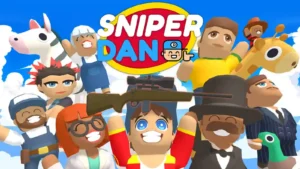
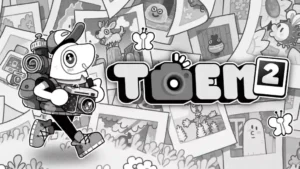
Sniper Dan
Where It Has the Edge
- content completeness is 4.8 vs 2.4. Most reviewers find the package substantial, with multiple locations, side activities and optional challenges extending well beyond a...

Scorata scores summarize analyzed review evidence on a 1–5 scale; they are not laboratory measurements or a simple average of customer star ratings. Feature scores summarize the reviews covering that feature. The overall score averages feature scores within each review, then combines review averages. When both expert and customer evidence are available, those two groups receive equal weight. Products can have different review coverage, so small score gaps do not establish a winner.
Recommendations prioritize important features for the category, with a score of at least 3.5, a gap of at least 0.25 points and at least two supporting reviews per product. Features with widely varying scores or broad connectivity contexts are excluded from recommendations. These safeguards do not establish statistical significance.
Quick verdict
The review evidence points to a tradeoff: content completeness versus handheld play suitability and world interactivity. Choose according to which strengths matter more to you; the overall score alone does not settle that choice.
Choose Sniper Dan for content completeness.
Choose TOEM 2 for handheld play suitability and world interactivity.
Scores are out of 5. Missing scores mean missing review evidence, not a missing feature.
Small screens make tiny targets harder to spot; reviewers describe needing to sit very close or struggling to see enough detail on handheld devices.
The compact sessions and relaxed pace fit portable play especially well. Both Switch 2 and Steam Deck use are described as natural ways to settle into the game.
The game places little emphasis on story, and one reviewer strongly criticizes the lack of any meaningful ending or completion payoff.
The central plot stays simple, but small friendship stories and themes of community give the journey warmth and meaning. Some find the final payoff too similar to the original or the main story too thin.
Most reviewers find the package substantial, with multiple locations, side activities and optional challenges extending well beyond a basic campaign run.
The biggest content complaint is that the adventure feels underfilled for a full sequel, with fewer areas than some expected and an ending that arrives quickly. Even positive takes often wish there were another region or more quests.
The scenes reward experimentation with reactions and jokes, but many objects are only decoration and some reviewers wish actions had more lasting consequence.
The sequel gives the environment more ways to react to the camera through tools, focus actions, and perspective changes. These interactions help the small spaces feel lively and responsive.
Visual fidelity is modest and sometimes called crude, but reviewers generally accept the low-detail look because it suits the playful presentation and keeps scenes legible.
The move toward richer 3D environments makes the sequel look cleaner, sharper, and more detailed while preserving its monochrome identity. Visual presentation is widely treated as an upgrade.
Reviewers consistently praise the unusual idea of solving hidden-object problems with a non-lethal sniper rifle, even when the underlying structure is familiar.
The sequel’s personality is still distinctive within cozy games, especially visually, but its structure and premise remain extremely close to the first TOEM. Returning players may feel the novelty has diminished.
One reviewer sums the game up as competent overall: functional and coherent, but not especially deep or refined.
TOEM 2 is repeatedly singled out as exceptionally polished, from presentation and controls to performance and general flow. It feels finished and carefully refined at launch.
Progression is divisive: some reviewers enjoy earnings, unlocks and reward boosts, while others consider the surrounding currency and rewards largely meaningless.
Stamp-based progression gives clear goals while allowing players to move on before completing every task. That freedom fits the low-pressure philosophy and still encourages completionists to keep filling the journal.
The tutorial is described as a solid introduction that clearly explains the simple search, zoom and fire basics.
The opening teaches movement and climbing through a simple in-world task, making the new controls feel immediately understandable.
The hidden-object/shooter hybrid is a clever concept, though one reviewer feels the game stops short of exploring the premise with more experimental mechanics.
TOEM 2 adds useful refinements, but the sequel rarely feels transformative. Its new tools and movement options work well enough, yet several players wanted bolder ideas or deeper use of the new mechanics.
Small animated payoffs give scenes life and often deliver the joke after a successful shot without making targets hard to read.
Small character motions add an outsized amount of personality, from playful traversal flourishes to expressive NPC movement. The animation helps the monochrome world feel lively rather than static.
Time Attack, Ammo Hunt, photography, minigames, collectibles and side jobs give the simple core loop more breadth than its premise initially suggests.
New traversal and camera tools broaden the activities, and some players find the missions more varied than before. Others feel the area-specific tool tasks become gimmicky and do not create enough meaningful variety.
Most reviewers have a very good time with the silly searches and visual jokes, although a few lose interest once the repetitive structure becomes more obvious.
The game is consistently described as joyful, charming, and easy to smile through. Even critics of its simplicity tend to enjoy the time spent photographing, helping characters, and poking around the world.
Jobs cover many different scenarios and are supplemented by bosses, emergencies and dynamic placements, though some reviewers still see too many one-object searches.
Mission variety benefits from the expanded camera tools, platforming, and playful side objectives. The broader assortment helps individual areas feel more distinct.
Challenge is inconsistent: cryptic clues can feel satisfyingly demanding, but obscure final targets and timed jobs sometimes cross into frustration.
The relaxed difficulty is welcoming, but this is also one of the most consistent criticisms. Many puzzles and platforming sections are so forgiving that experienced players may miss the stronger observation challenges of the original.
The mechanics are intentionally straightforward and easy to understand, which supports the relaxed tone and keeps attention on observation rather than technical shooting.
Photography remains intuitive and fun, while jumping, climbing, focus actions, drones, and regional tools add new ways to interact. The tradeoff is that several tools feel underused, overly simple, or less interesting than photography-driven problem solving.
The absurd premise, slapstick situations and cheerful tone are widely praised, though one reviewer finds the humor more smile-worthy than laugh-out-loud.
Warm, funny, economical writing gives small quests personality without overexplaining them. Character moments and community themes land with surprising sincerity for such a light adventure.
Estimates range from roughly four to ten hours for the main content, with optional modes and collectibles providing extra time for players who want it.
The three-to-five-hour runtime is the most divisive trait. Some love the concise, one-afternoon format, while others feel the adventure ends just as it finds its groove and want another area or two.
Hidden extras and trophy-like curiosities give completion-minded players plenty to hunt for beyond the main jobs.
Critters, outfits, cassettes, photos, and hidden items make completion feel playful rather than like busywork. The collectibles are frequently tucked into clever spots and give curious players strong reasons to keep exploring.
The bright, exaggerated cartoon style is widely praised for fitting the silly tone and keeping busy scenes readable, though a few reviewers find locations visually repetitive.
The black-and-white diorama look remains one of the game’s defining strengths, with richer 3D depth and playful detail. A minority preference for the flatter original style makes the visual upgrade slightly divisive, but praise is otherwise overwhelming.
The hidden-object-through-a-sniper-scope idea is broadly enjoyed, but a minority of reviewers say the limited interaction grows repetitive once the novelty wears off.
Helping townsfolk, taking photos, earning stamps, and roaming to the next destination remains highly satisfying. The main reservation is that photography sometimes feels less central than it did in the original.
The non-lethal premise, slapstick humor and collaborative spotting make this unusually family-friendly for a game built around a sniper rifle.
The low-stakes stories, violence-free ethos, cute characters, and forgiving structure make this especially easy to enjoy with children. It also works well as a shared game for newer players.
The low-stakes structure creates a relaxed, pleasant mood that several reviewers describe as ideal for unwinding at an easy pace.
TOEM 2 excels as a calm, cozy escape built around whimsy, kindness, and unhurried wandering. Its low-stress tone consistently complements the photography-focused play.
Despite the sniper-rifle premise, reviewers approve the cartoonish, non-lethal treatment of people and animals as unusually suitable for children.
The violence-free, low-threat design is treated as a positive part of the game’s mellow identity, reinforcing its suitability as a gentle adventure.
The commitment to aiming and shooting through menus fits the joke, but reviewers describe the resulting navigation as awkward or clunky.
Menus are enjoyable to navigate, with responsive presentation and sound feedback that makes even routine interface use feel playful.
The basic controls are generally viewed as simple and intuitive, with the main problems appearing in precision-heavy or timed situations rather than ordinary play.
Basic movement and interaction controls are easy to grasp, intuitive, and responsive. That simplicity supports the relaxed tone without making navigation feel sluggish.
Outfits, weapon cosmetics, office themes and playful visual options give players plenty of ways to personalize Dan and his surroundings.
Outfits, hats, masks, and crossover-style accessories make the protagonist fun to personalize. Cosmetic rewards give exploration and gift-box hunting a satisfying extra payoff.
Reviewers repeatedly frame the non-lethal slapstick as suitable for children and families, with only occasional difficulty spikes complicating that broad appeal.
The gentle structure and approachable objectives make this easy to share with younger players or newcomers. Its low-pressure design avoids the intensity found in many adventure games.
Switch 2 is described as solid and gains mouse support, but the absence of motion aiming and weaker controller play make some console versions less satisfying.
DualSense haptics add a worthwhile tactile layer to zooming and photography on PS5, giving the camera interactions extra physical feedback.
Backing out of a level can cost current progress, which one reviewer found particularly annoying when already stuck on an objective.
Autosave can effectively protect progress when a glitch occurs, though one earlier build reportedly had a save-file problem that was later fixed.
Several reviewers call the budget-priced package substantial and easy to recommend, although one sees it as enjoyable but limited to a few hours.
The one direct value judgment is strongly positive, with the complete experience considered worth buying despite its short length.
Randomized placements, score chasing, side modes and collectibles add reasons to return, though the incentive tapers once most surprises have been seen.
Completion cleanup and dense optional discoveries give the short adventure reasons to revisit, and its cozy format suits repeat play. The absence of meaningful postgame challenge limits replay incentives for players who finish everything.
Creative clues and absurd objectives are a major strength, yet some instructions are vague enough to turn the final search into guesswork.
Side missions are compact and varied enough to keep the journey moving, mixing photography, traversal, and small environmental interactions without much downtime.
Busy dioramas are packed with jokes and details, but repeated layouts, visual clutter and similar-looking locations can make later searches less distinctive.
Compact towns are dense, visually distinct, and built to reward curiosity, with stronger verticality and memorable themes. A few comparisons to the original note slightly reduced density or complexity, but the overall level work is highly regarded.
Ambient effects and weapon sounds generally fit the playful world well, with one reviewer especially praising the authentic rifle and reload audio.
Ambient noises, tactile menu sounds, camera feedback, and small environmental details make the monochrome world feel alive. Audio design consistently supports the calm, playful mood.
The best moments come from deciphering cryptic requests and recognizing the correct target, with satisfying discovery offset by occasional tedious searches.
The best puzzles use perspective, observation, and playful photography ideas to create satisfying little discoveries. The recurring weakness is simplicity: many solutions are obvious enough that experienced puzzle players may want more depth.
The light music supports the relaxed mood, but opinions range from pleasantly unobtrusive to repetitive because of the limited number of tracks.
The laid-back score is one of the strongest points of agreement, with relaxed, catchy tracks that suit each area without overwhelming exploration. Several players treat the music as a standout they would happily listen to outside the game.
Most completion goals are approachable, but at least one photo challenge can be obscure enough to leave the achievement set frustratingly unfinished.
Aiming is acceptable when there is no pressure, but controller and timed challenges expose frustrating precision limits, especially with thumbsticks.
Technical issues appear uncommon, with multiple playthroughs reporting no meaningful bugs. One launch-era glitch caused a restart, but another earlier save issue was said to be fixed after an update.
The camera usually feels tactile and smooth, especially when switching viewpoints or lining up shots. Tool use can become awkward when movement is restricted while the camera is raised.
The gender-neutral protagonist supports an inclusive, open-ended way for players to identify with the character. That design choice is presented as a meaningful strength.
A large cast of oddball townsfolk and creatures keeps each stop lively. The sheer number of characters supports the game’s dense, personable world.
At least one full playthrough reported no crashes at all, supporting a very stable launch experience on that setup.
Dialogue stays concise and playful, using short exchanges and cute jokes without bogging down the pace. It communicates quest goals while preserving the game’s whimsical personality.
One reviewer found an important scope upgrade expensive enough to feel poorly balanced relative to how useful it becomes.
Despite its small scale, the game lands several thoughtful and moving moments about community, attention, and everyday wonder. Its themes can linger well beyond the short runtime.
There is little structured challenge after the main journey, with no New Game+ or notable postgame test highlighted. Completion is driven more by cleanup and collecting than by a substantial endgame.
Areas are dense with tiny visual touches, hidden objects, creatures, and incidental scenes. That detail rewards players who swing the camera away from the obvious path just to see what is there.
Wandering is one of TOEM 2’s strongest pleasures, with compact areas packed with optional discoveries and reasons to inspect every corner. New vertical movement makes the spaces more rewarding to roam.
The sequel deliberately preserves the original’s cozy photography identity, gentle structure, and whimsical tone. Fans wanting more TOEM are likely to appreciate how carefully it builds on the same formula.
Performance impressions are excellent where frame rate is discussed, including smooth 60 fps play on Switch 2 and no frame-rate issues in another full playthrough.
Optional cleanup and collecting rarely feel like busywork because discoveries are compact, playful, and naturally woven into exploration.
DualSense haptics make zooming and taking photos feel more tactile, adding a pleasant physical response to the camera interactions.
Hints can rescue obscure searches, but their limited supply, reputation cost and score tradeoffs make several reviewers reluctant to use them.
Cute jokes, absurd requests, oddball NPCs, and visual gags give the adventure a steady stream of gentle laughs. The humor stays warm and playful rather than disruptive.
The photographic travel format can strongly evoke the feeling of wandering through a real trip and collecting memories. The main drawback is that the newer 2D-character/3D-world blend can look less cohesive to some players.
Straightforward puzzles, forgiving progression, and easy-to-read interactions make TOEM 2 unusually approachable for younger or inexperienced players.
Loading is consistently praised as quick, helping the short adventure maintain a smooth, uninterrupted flow.
Jumping and climbing make the world freer, more vertical, and more enjoyable to traverse. Movement is generally described as smooth, light, and well matched to the exploratory pace.
New traversal abilities are introduced naturally through the opening sequence, letting players learn by doing instead of stopping for heavy instruction.
The relaxed concept is appealing, yet the low challenge can make areas pass too quickly for a game about slowing down and observing. New tools occasionally break up the walking, but the adventure can still feel breezier than intended.
Selfie tools, floating camera setups, focus, and flexible framing make taking pictures enjoyable even when a perfect shot is not required. Photography works as a toy as much as a quest mechanic.
The light platforming stays easy and unobtrusive rather than demanding exact execution. It adds vertical exploration without becoming cumbersome.
Each area gives players room to wander and tackle tasks in a flexible order. The freedom is modest rather than truly open-ended, but it fits the relaxed structure well.
Most townsfolk are charming, weird, and fun to talk with, helping the world feel personable. One notably negative take finds the cast flatter and more forgettable than the original.
Upgrades can improve reloads, capacity, zoom and earnings, but reviewers disagree on their importance; some find them useful while others see little gameplay impact.
Boss encounters are a welcome change from standard searches, adding more action and variety to the hidden-object formula.
On Switch 2, the GameCube controller was singled out as an especially natural match for the camera controls, including the shutter placement.
The new minimap is a major quality-of-life improvement and usually makes compact towns easy to understand. A few frustrations remain when trying to relocate specific quest givers because character markers are limited.
Quests are often funny, inventive, and rewarding, with memorable requests that encourage close observation. A minority of the game leans too heavily on straightforward fetch-style or tool-based tasks, creating a noticeable quality split.
The interface keeps the original’s friendly identity while feeling cleaner and more polished. Menus, journals, and presentation details fit smoothly into the handmade aesthetic.
The towns feel full of affection, personality, and quirky everyday life, giving the small journey a strong sense of place. The sequel’s world is often seen as richer and more interesting than before.
Across the versions discussed, TOEM 2 is repeatedly praised for smooth, polished performance. Reports highlight strong frame delivery, clean presentation, and very few technical distractions.
The small sheep-like photographer remains an adorable, lovable presence. Cute poses and customization strengthen the character’s charm without needing extensive dialogue.
There is no voice acting, and one reviewer links that absence to an audio presentation that feels less distinctive overall.

Best for fluid traversal, rewarding exploration, striking art, and forgiving quality-of-life features. Skip it if you want deep combat, radical genre innovation, or consistently demanding bosses.
Pros: difficulty balance, boss design
Cons: innovation, sandbox freedom

Good if you want fast, tactical roguelite combat with huge progression depth, striking art, and standout music. Skip it if repetition, resource micromanagement, or a less emotionally satisfying sequel story...
Pros: combat system, progression system
Cons: originality

Good if you want a beautiful, demanding survival sandbox built around exploration, building, progression, and memorable co-op. Skip it if long resource runs, harsh death recovery, and deliberate pacing sound...
Pros: town-building system, exploration quality
Cons: grind level, fast travel convenience

Best for joyful destruction, dense exploration, and a charming DK-Pauline adventure. Skip it if camera quirks, frame-rate dips, easy bosses, or premium Switch 2 pricing are dealbreakers.
Pros: fun factor, world interactivity
Cons: frame rate stability, boss design