
It’s Always Sunny in Philadelphia, Season 18
Where It Has the Edge
- character consistency is 5.0 vs 4.5. Reviewers repeatedly praise how firmly Season 18 understands the Gang’s established personalities, even when the world around them...

Scorata scores summarize analyzed review evidence on a 1–5 scale; they are not laboratory measurements or a simple average of customer star ratings. Feature scores summarize the reviews covering that feature. The overall score averages feature scores within each review, then combines review averages. When both expert and customer evidence are available, those two groups receive equal weight. Products can have different review coverage, so small score gaps do not establish a winner.
Recommendations prioritize important features for the category, with a score of at least 3.5, a gap of at least 0.25 points and at least two supporting reviews per product. Features with widely varying scores or broad connectivity contexts are excluded from recommendations. These safeguards do not establish statistical significance.
Quick verdict
The review evidence points to a tradeoff: character consistency versus originality and continuity. Choose according to which strengths matter more to you; the overall score alone does not settle that choice.
Choose It’s Always Sunny in Philadelphia, Season 18 for character consistency.
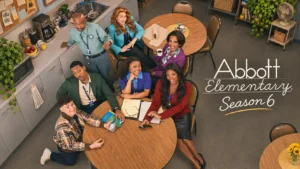
Choose Abbott Elementary, Season 6 for originality and continuity.
Scores are out of 5. Missing scores mean missing review evidence, not a missing feature.
One review felt the early episodes juggle too many separate schemes at once, which pulls focus from the Bonnie tribute and leaves subplots rushed.
The season makes a considerable effort to share meaningful stories across the faculty. The earliest episodes still leave Jacob with a weaker trajectory than some colleagues.
The Renaissance Faire episode pushes Dennis’s sexual material close to the reviewer’s comfort limit, making this one area where the darkness can feel excessive.
The raunchy names and double entendres at Bonetown generate awkward comedy. Their suggestive edge is deliberate, though it makes that episode less innocent than its school setting might suggest.
Originality is the season’s most persistent tradeoff: several episodes find fresh comic angles, while the heavy callbacks and familiar character beats can make other stories feel recycled.
New administrative friction and teaching dilemmas bring life to the established formula. Some episodes lean into inventive situations more successfully than the modest premiere and certain Halloween subplots.
Callbacks and returning history are often rewarding and accessible, but several reviewers think Season 18 leans on past episodes a little too heavily.
Small jokes and promises from earlier seasons come back with satisfying payoffs, including a long-delayed matching costume. Such callbacks reward ongoing investment without taking over the stories.
Story quality varies sharply by episode: the strongest entries are called series-level standouts, while weaker ones are criticized as contrived, under-executed, or simply less engaging.
Teaching dilemmas, staff rivalries and professional changes supply substantial plots. Some smaller arcs are less satisfying, particularly the drawn-out Halloween shopping errand.
Reviewers repeatedly praise how firmly Season 18 understands the Gang’s established personalities, even when the world around them changes.
Most characters remain recognizable even when new duties shift their relationships. Barbara's increasingly goofy behavior is one noted exception to that consistency.
The roughly 22-minute format is usually a strength for quick viewing, though one reviewer felt a crowded episode did not give a promising joke enough room.
The short, friendly half-hour format remains easy to fit into a busy day. Its modest stories do not demand lengthy recaps.
The writing remains strong when it trusts character dynamics and sharp satire, but weaker episodes are faulted for contrivance, repetition, or ideas that are better than their execution.
The scripts maintain a playful balance of sharp jokes, recognizable education concerns and long-running callbacks. Familiar characters are given enough new pressures to keep the comedy moving.
The season finds sincere emotion in Bonnie’s memorial material without abandoning Sunny’s grotesque comic tone.
Sensitive student issues and difficult choices give the comedy emotional substance. Classroom dilemmas rarely come with tidy answers, and that complexity is welcomed.
The broad consensus is that Season 18 is still very funny, but the hit rate varies by episode; some critics see near-classic comedy while others find more predictable chuckles and a few weaker outings.
Rapid-fire one-liners and awkward workplace pairings are consistently funny, with 'Tryouts' particularly celebrated. A few elongated or contrived bits, especially around Halloween, land less reliably.
The early tribute episodes can feel rushed when too many Mac, Dennis, Dee, and Bonnie-related threads compete for limited time.
Gregory's extended ring-shopping detour is singled out as a drag on the Halloween episode. Strong one-liners cannot entirely disguise the scene's lack of momentum.
Splitting the Gang into competing combinations remains a winning Sunny structure, though one later recap found only the Mac-and-Charlie branch of its episode engaging.
The show handles several school dilemmas within its brief episodes, often giving each a satisfying purpose. The premiere is more introductory and the Halloween outing is structurally uneven.
Frank and Sam’s relationship is valued for giving Frank moments of genuine attachment while still allowing the show to destroy sentiment in characteristically Sunny fashion.
Janine and Gregory's affectionate, increasingly committed relationship avoids endless manufactured breakups. The proposal storyline has a warm payoff, although an extended ring-shopping detour divides opinion.
The show’s harsh satire is praised for exposing cruelty and social ugliness rather than presenting the Gang’s behavior as admirable.
Janine's care for Courtney includes knowing when professional support is needed. The story values compassionate boundaries over trying to solve a student's problems alone.
The Bonnie tribute and other moments of attachment add genuine feeling, with several reviewers impressed that the show can be moving without becoming sentimental.
Compassionate teaching and small acts of encouragement bring heart to the jokes. Ava's understanding of a struggling student and Janine's growing maturity are especially affecting.
For viewers who want Sunny at its darkest and most depraved, Season 18 delivers exactly that blend of black comedy, discomfort, and absurdity.
Six seasons in, the mockumentary workplace sitcom is still praised as one of television's stronger contemporary comedies. Its dependable humor and character warmth remain central strengths.
The Gang’s chemistry remains one of the season’s clearest strengths, particularly when the cast is split into smaller pairings that sharpen their dysfunctional dynamics.
Established pairings remain an essential draw, especially the new Gregory–Ava partnership and the affectionate Janine–Gregory romance. Even ordinary staff disagreements gain energy from these contrasts.
Philadelphia-specific details such as the Mummers Parade help the city feel inhabited rather than like a generic sitcom backdrop.
Public-school constraints remain central rather than mere scenery, from staff shortages to the challenges of helping individual students. A few logistical shortcuts strain plausibility, but the professional detail is a strength.
The season finds fresh facets in familiar characters without fundamentally reforming them, a balance one reviewer considered a creative strength.
Gregory's promotion, Ava's emerging leadership, and Janine's growing sense of boundaries create welcome momentum. Jacob's early arc is comparatively thin, and not every episode moves everyone forward.
The ten-episode run is welcomed as a useful expansion after several shorter seasons and gives the show more room to play.
A generous episode order is welcomed because it leaves room for side characters and experimentation. The longer sitcom run feels like an opportunity rather than padding.
The dialogue-heavy ACL episode is praised for turning insular bickering, movie-watching rules, and recurring sarcasm into a particularly funny set piece.
Sharp, affectionate dialogue lets simple classroom problems become entertaining character exchanges. The jokes tend to come from personality rather than insults at students' expense.
Sunny’s usual grim look still fits, while the Gilligan’s Island episode stands out for a more overtly playful and innovative visual homage.
The unobtrusive documentary-camera aesthetic works with the school's modest setting. Reaction shots and casual staging direct attention to the performers instead of flashy visuals.
The Gilligan’s Island homage earns praise for recreating the classic-show look through the main cast’s costumes.
The Halloween episode continues the series' playful costume tradition. The imaginative outfits, including Barbara's Cheesecake Factory gag, attract some of the clearest praise for the special.
The Gang remains intentionally awful, yet one reviewer says their monstrous codependence is still exactly why viewers cannot get enough of them.
The faculty is stubborn, messy, funny and deeply invested in its students. Their flaws create jokes without erasing the warmth that keeps viewers attached.
The core cast is still viewed as a major strength, with reviewers praising how completely the performers inhabit characters they have played for decades.
The cast continues to draw laughs from precise reactions and committed character work. Quinta Brunson's eager Janine and the new comic guest pairings stand out.
The core ensemble remains one of the season’s safest strengths, with reviewers praising their command of tiny reactions, bickering rhythms, and decades-old character dynamics.
The regular performers remain assured and energetic after six seasons. Strong joke delivery helps each established personality feel lively rather than stale.
Even more cautious reviews still find plenty to enjoy, while stronger notices call individual episodes surprising, delightful, or immediately attention-grabbing.
A lively ensemble, inventive workplace problems and dependable laughs make this a rewarding continuation. Familiarity is generally an asset rather than a drag.
Season 18’s satire is praised for refusing to vindicate the Gang’s cruelty, keeping their worst impulses framed as the target rather than the lesson.
The bogus AI replacement teacher is an effective jab at school systems that offer technology instead of staffing. The outlandish twist feels at home in Abbott's classroom satire.
Short episodes and familiar character dynamics make the season easy to move through quickly, especially for viewers already invested in the larger series.
Carol Kane is singled out as a particularly strong addition, matching Danny DeVito’s eccentric energy without simply duplicating Frank.
The wider cast generally gets more meaningful material, though Jacob initially lags behind and Mr. Johnson sometimes deserves more time. A tightly focused premiere leaves portions of the ensemble in the background.
The season keeps Sunny’s grim, functional visual language, which one reviewer considers a perfect fit rather than something that needs glossy reinvention.
Snappy reactions, facial expressions and sharply played misunderstandings generate some of the season's biggest laughs. Janelle James and Miranda Cosgrove are among the standout comic performers.
The school's Black-led community feels specific and authentic rather than stereotyped. Distinct voices, humor and generational perspectives coexist with everyday ambition and friendship.
Heath Cullens is praised for helping the Gilligan’s Island episode land as a clever, visually committed tribute rather than a simple reference.
Barbara's response to a student's alopecia is caring and sensitive, even when her lesson produces unforeseen consequences. The story respects the student's dignity while letting the teacher learn.
Cutaways, held reaction shots, and comic timing are described as crucial to how the show still extracts laughs from familiar characters.
Several episodes find satisfying, tender conclusions, notably the Halloween relationship reveal. The premiere's quieter exit, however, could have used a stronger final laugh.
Returning characters and callbacks often delight longtime fans, especially the McPoyles, but the broader season sometimes relies on that history more than reviewers would like.
Melissa and Barbara's long-standing loyalty supplies comic warmth, while Gregory and Jacob's shared costume rewards their history. Partnerships can clash without losing their affection.
Internet references feel contemporary without derailing the school stories. The IShowSpeed mention is singled out as an especially smooth pop-culture touch.
Gregory's rule-bound methods bring fresh perspective to Ava's experience-driven instincts. Ava's empathy and ability to guide students make her growing professionalism convincing.
Long-running relationship history makes many jokes richer, though the Cricket material in one episode is criticized for adding little to his established lore.
Mr. Johnson's advice, Barbara's patient teaching and Janine's willingness to direct students toward better resources bring genuine substance to the school. The educators themselves continue learning.
Camera glances and confessionals create a second comedic layer without heavy exposition. The low-key documentary framing remains an effective complement to the cast's timing.
Season 18 often uses current issues effectively, especially workplace change and nostalgia, but the homelessness-focused episode is criticized for stopping at fairly basic commentary.
Most familiar dynamics are refreshed through new jobs and classroom situations. Barbara's accident gag and some established comic beats show that not every repetition pays off.
Barbara's possible retirement brings a meaningful new question about the school's future. The teased career decision raises personal stakes without turning the sitcom into high drama.
The car-accident reveal in the premiere is singled out as artificial rather than funny. Its repeated visual payoff does not justify the prolonged setup.
The overlapping stories usually remain understandable, but the many subplots can feel crowded. The Halloween ring-shopping thread is criticized for lacking a meaningful narrative purpose.
The Renaissance Faire episode is praised for taking unexpected turns and landing as a genuine surprise.
Teacher shortages, grading policies, classroom inclusion and daily work pressures give the comedy substance. The school-based dilemmas feel both recognizable and thought-provoking.
The strongest reviews explicitly want the series to keep going, arguing that the Gang still has enough comic life left for more seasons.
The new year moves briskly through career changes and school problems after a more meandering previous season. Some opening setup feels leisurely, and its promised momentum is still being tested.
'Jungle Classroom' offers a warm return and introduces promising changes, especially Gregory's new job. It also plays things rather safely, spending more time resetting relationships than developing major stories.
Moving Gregory into school administration gives Ava a compelling foil without abandoning the classroom. The shake-up refreshes established relationships more than it reinvents the series.
The better episodes use mortality, nostalgia, and social change for more than jokes, while A Virtual Insanity is criticized for raising issues without developing them deeply enough.
Season 18 stays confidently filthy, dark, and emotionally abrasive, and reviewers generally see that commitment as a strength rather than late-series desperation.
School staffing, social-media pressure, educational bureaucracy and grading expectations make the humor timely. The show tends to raise those issues through everyday situations rather than speeches.
The teachers bicker over methods and resources but remain invested in one another's success. The new principal–assistant principal partnership opens space for mutual learning.
Longtime fans have little reason to leave, and early verified audience response was strongly positive even as the show remains deliberately abrasive.
Early critical reception is exceptionally strong, with multiple articles highlighting a perfect Rotten Tomatoes score and broadly positive notices.
Guest actors add freshness to familiar rivalries, with Katy Mixon Greer, Miranda Cosgrove and Ali Wong singled out as good additions. Cameos also make for entertaining openings and surprises.
Returning and guest performers are a bright spot, with particular praise for Guillermo Del Toro’s Pappy and the McPoyle material.
Paddy’s Pub and the surrounding Philadelphia neighborhood still feel like lived-in places, which helps even absurd plots stay anchored in the show’s familiar world.

Best for sharp adult humor, magnetic chemistry and a deeply satisfying farewell. Skip it if familiar will-they-won’t-they plotting or deliberately messy leads are dealbreakers.
Pros: humor, writing quality

Choose Widow’s Bay for its dark laughs, richly haunted island and memorable ensemble. Skip it if you need straightforward scares, rapid answers to every mystery or a completely resolved finale.
Pros: humor, genre satisfaction
Cons: ending satisfaction, season pacing

Choose Season 15 for warm, character-driven comedy, meaningful growth, and a finale that rewards longtime fans. Skip it if the short binge format, uneven replacement voices, or occasional clumsy commentary...
Pros: franchise connection, character development

Best for sharply acted, compassionate, high-pressure hospital drama. Skip it if graphic procedures unsettle you or you need a neatly resolved season finale.
Pros: character development, acting performance
Cons: character consistency, dialogue quality