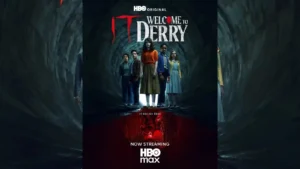
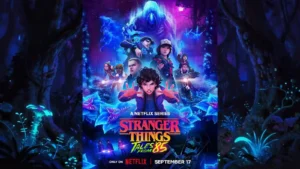
IT: Welcome To Derry
Where It Has the Edge
No clear scored advantage over the other product.

Scorata scores summarize analyzed review evidence on a 1–5 scale; they are not laboratory measurements or a simple average of customer star ratings. Feature scores summarize the reviews covering that feature. The overall score averages feature scores within each review, then combines review averages. When both expert and customer evidence are available, those two groups receive equal weight. Products can have different review coverage, so small score gaps do not establish a winner.
Recommendations prioritize important features for the category, with a score of at least 3.5, a gap of at least 0.25 points and at least two supporting reviews per product. Features with widely varying scores or broad connectivity contexts are excluded from recommendations. These safeguards do not establish statistical significance.
Quick verdict
There is not enough consistent, comparable evidence for a clear recommendation. Use the feature details and supporting reviews to weigh the tradeoffs.
There is not enough comparable review evidence to recommend IT: Welcome To Derry over the other product.
There is not enough comparable review evidence to recommend Stranger Things: Tales From ’85, Season 2 over the other product.
No clear scored advantage over the other product.
No clear scored advantage over the other product.
Scores are out of 5. Missing scores mean missing review evidence, not a missing feature.
The series is presented as accessible even to newcomers who have not read King or watched the films.
Early viewing performance is portrayed as weak, with the season failing to match the attention generated by earlier Stranger Things releases. That muted response feeds concerns about the spinoff’s broader appeal.
The graphic horror and disturbing material are viewed as inappropriate for children.
The season is described as broadly accessible and less graphic than the live-action show, but younger children may still find the monsters and intensity unsettling.
Critical response is visibly divided, with rave notices for craft and terror alongside sharp complaints about plotting and scares.
Reported aggregate scores place the season at or near the bottom of the franchise critically. The reception is not unanimous, but the overall critical picture is notably weak.
Long episodes can feel bloated when the story slows down or repeats information.
The half-hour format is praised as a natural fit for this smaller-scale animated adventure, letting episodes move briskly without the sprawl of the live-action seasons.
The music is repeatedly praised for heightening dread without overwhelming the drama.
A generic synth-heavy score is criticized as a poor substitute for the more distinctive musical identity expected from Stranger Things.
Casting, especially among the younger performers, receives strong praise and is repeatedly treated as a major asset.
Replacing the live-action stars remains a hurdle for some fans, who report difficulty connecting to the animated cast even when the performances themselves are often praised.
Added rules and weaknesses around Pennywise sometimes make the entity feel less unknowable or less threatening.
Making Eleven less able to solve every confrontation with her powers is praised for creating more interesting action and forcing the wider group to contribute.
Individual episodes are unevenly paced, with slow stretches, rushed revelations, and a frequently criticized midseason lull.
The half-hour episodes can move quickly without feeling rushed, especially when a clue turns into a mission and then a new complication.
The expansion feels King-like to some critics, while others question creative liberties or fan-fiction-like additions.
At least one strongly negative take considers the spinoff unfaithful to what made Stranger Things work, especially in tone, lore, and character behavior.
The show is emphatically not family-friendly because of graphic violence, disturbing imagery, and strong language.
The softer, family-friendly approach is both a selling point and a source of friction. It opens Hawkins to younger viewers, but supernatural and occult material may still trouble some families and can feel too gentle for longtime adult fans.
Connections to the films and wider King universe are a major draw, although the Easter eggs can become overbearing for some viewers.
The show can recapture bikes, friendship, Hawkins lore, and early-series adventure, yet several viewers feel the tone and mythology sit awkwardly beside the live-action series. Franchise connection is therefore one of the season’s defining tradeoffs.
The later episodes and finale earn substantial praise for spectacle and payoff, though a few critics found the ending bland or disappointing.
The finale is faulted for arriving abruptly after an overstretched middle, limiting the payoff of the season-long mystery.
Themes of fear, racism, collective apathy, and cycles of violence can add real weight, though some critics find the treatment too broad or didactic.
Friendship and courage remain present, but one critique finds the season’s themes too shallow compared with the family and relationship material that anchored the original series.
Effects quality varies sharply by episode, improving late in the season but suffering from conspicuous digital work earlier.
The premiere’s supernatural effects are praised as visually beautiful and consistent with the show’s established animated presentation.
The violence is extremely graphic and can be effective horror for some viewers, while others find it excessive or hard to watch.
The action can become intense, but it is described as neither especially gory nor overwhelmingly scary, keeping the violence relatively restrained for the franchise.
The season earns praise for ambitious lore and emotional stakes, but the military plot and overloaded structure divide critics.
Storytelling is the largest weakness in the overall consensus. Positive takes enjoy the mystery and Hawkins history, but negative reactions repeatedly call the plot thin, conventional, derivative, or unable to sustain eight episodes.
Multiple storylines and dense lore can make the narrative feel scattered, overloaded, or difficult to track.
The central mystery can be followed, but one late connection involving the returning threat feels overly convenient and insufficiently established.
When the character bonds land, the series can be moving and heartbreaking; weaker reviews say some intended emotional beats fail to resonate.
Emotional response is uneven. Warm sibling, friendship, and family moments land for some viewers, while others feel the spinoff lacks the heart and emotional weight of the live-action series.
The dual child/adult structure can broaden Derry effectively, while the strongest pilot uses its setup and reversals especially well.
The episodic-cartoon rhythm works for some viewers, but others find the repeated cycle of strange event, investigation, chase, and supernatural discovery too formulaic.
Many critics connect with the layered fears, grief, and friendships, although some reviews find portions of the ensemble underwritten.
This is one of the biggest divides. Some viewers appreciate added material for Max, Mike, Eleven, and Nikki, while many others feel the timeline permits only tiny, repetitive, or inconsequential growth.
Writing is one of the most divisive areas: strong concepts and emotional beats coexist with clunky exposition, weak dialogue, and contrived plot turns.
Writing is criticized when thin scripts, repetitive plotting, or limited character movement leave the season below the franchise’s usual standard.
A few critics flag inconsistent character behavior and logic as part of the show's uneven writing.
One harsh critique argues that familiar characters sometimes behave unlike their established live-action selves, particularly around the supernatural mystery.
Script reactions are mixed, ranging from a strong pilot to complaints about contrivance and implausible dialogue.
The script’s focus on monsters and action is criticized for leaving too little room for character relationships to breathe.
Interest in more seasons is positive overall but not universal; some reviewers are eager for more lore while others fear repetition.
Interest in another season is split: some viewers want more time to close unresolved character threads, while others feel little urgency to return. Weak audience traction also clouds the prospect of continuation.
The young ensemble often sells the friendships and group dynamics, though some critics feel the chemistry falls short of the 2017 film.
The kids’ friendships and group dynamics are frequently cited as the heart of the season. New combinations—especially the girls’ friendship and the core party working together—give the show some of its warmest moments.
Horror effectiveness is highly uneven: some critics found the series terrifying and inventive, while others found many scares silly, repetitive, or too CGI-heavy.
The kid-adventure, sci-fi, and supernatural-horror blend remains appealing, and the ghost-story angle gives the animated series a slightly different flavor from the main show.
Dialogue is a recurring weakness, with complaints about clunky exposition, wooden exchanges, and overly obvious monologues.
The younger-skewing dialogue is criticized for sanding down the way the established characters normally speak, making some exchanges feel less authentic.
The deeper history of Derry, Pennywise, and the wider King universe is one of the most consistently praised elements.
Hawkins history and the season’s paranormal ideas give fans some new material to explore. Monster mythology is less convincing for some, however, especially when origins and rules feel thin.
Some military logic, character decisions, and plot mechanics strain credibility even within the supernatural premise.
The cartoon logic stretches credibility for at least one viewer, especially when children survive extreme action set pieces with little consequence.
Cars, clothing, sets, and social context often sell the 1960s setting, though one critic found the era artificial and unlived-in.
Snowy Hawkins, arcades, bikes, school corridors, and an old-school cartoon texture create an appealing 1980s atmosphere even when the show favors stylization over strict realism.
The core kids are often easy to root for, and several reviewers became emotionally attached to them quickly.
The familiar core group remains easy to like, and their personalities and relationships continue to be a major reason to spend time in Hawkins.
A small number of critics strongly object to the use of real-world trauma and prejudice as shock material.
A faith-based review objects to the casual treatment of ghosts, occult ideas, and supernatural investigation, viewing that worldview as undermining otherwise positive themes.
Frequent strong profanity is treated as a major content concern rather than a neutral detail.
The cleaner, younger-targeted language is criticized by one viewer for making the established characters sound less like themselves.
Opinions split between fresh expansion of King lore and the sense that the show is repeating the Losers Club formula.
The new paranormal threat is praised as a fresher direction by some, while others think the season still lacks the daring originality associated with peak Stranger Things.
Performances are one of the most dependable strengths, with frequent praise for both the child ensemble and key adult leads despite a few complaints about stilted moments.
Voice performances are a consistent bright spot, with the cast often praised for capturing the familiar characters’ energy without relying on exact imitation. A few viewers still notice the distance from the live-action voices, but the overall performance consensus is positive.
Direction earns strong praise for atmosphere, visual control, and the show's most effective horror sequences.
The animated visual direction gives Hawkins a distinct identity while preserving the atmosphere associated with Stranger Things.
Suspense is inconsistent; the best sequences build real dread, but weak CGI and fragmented plotting often break tension.
The ghostly premise, jump scares, and mystery can create real tension, especially early on. The biggest limitation is that established characters are known to survive, which drains consequence from many fights and chases.
The show can swing abruptly between serious horror, emotional drama, and sillier spectacle, creating tonal friction.
The kid-forward, family-friendly tone gives the spinoff its own identity but can also make it feel disconnected from the grittier live-action show.
The premiere is widely seen as bold and memorable, with its opening and late twist frequently singled out even by otherwise negative critics.
The first episode is viewed as a solid, enjoyable start that establishes a new paranormal mystery and enough tension to keep going.
Cinematography is usually praised for making Derry picturesque, eerie, and cinematic, though one review found it bland.
Slow-motion and freeze-frame choices help showcase the expressive animation and give the action a more composed visual rhythm.
The prequel's value is contested: some call it essential or worthy, while others see it as unnecessary franchise extension.
The spinoff has a distinct animated identity and can be an enjoyable side adventure, but many reactions call it unnecessary, merely passable, or far below the franchise’s best. Its value depends heavily on accepting a lighter, lower-stakes version of Hawkins.
Early shocks and later reveals are among the most widely praised storytelling moves, especially the premiere's major reversal.
The eventual explanation connecting the haunting back to Daniel is praised as an earned and effective reveal.
Bill Skarsgård's Pennywise is usually a highlight when present, but many critics complain that the clown is held back too long or underused.
Creature design is frequently praised, especially the ghostly and plant-based threats, but the villain material is not universally successful. Some viewers find the antagonists fresh and striking, while one reaction strongly dislikes the final design.
A slow or uneven first half is a common complaint, with many full-season reviews saying the back half improves substantially.
Pacing is deeply contested. Some like the steady flow of discoveries, but many find the mystery stretched, repetitive, or rushed once the shortened season accelerates toward the end.
Several critics found the expanding mystery easy to get hooked on and were eager to continue once the story gained momentum.
The half-hour mystery structure keeps clues arriving quickly enough that continuing into another episode can feel effortless.
The large ensemble can feel overstuffed, with too many characters and subplots competing for attention.
The heavy focus on the younger group leaves several established teen and adult characters underused, making the ensemble feel narrower than the live-action series.
Adult supporting work is generally respected, even when critics feel the material gives those actors too little to do.
Veteran supporting voices fit comfortably into the animated world without stealing focus from the younger ensemble.
The main ensemble, especially the younger cast, receives broad praise for carrying fear, grief, and emotional stakes.
The core animated performances are praised for staying energetic and recognizable, with standout vocal work helping carry weaker stretches of the story.
Sound design and immersive audio are praised for making quiet scenes threatening and big sequences more enveloping.
Loud screeches and audio-driven scare beats help sell the season’s jump scares and cliffhanger tension.
Derry often looks polished and striking, especially in credits and period design, but flat lighting or artificial backdrops occasionally undermine the look.
Bold color, neon lighting, clean creature design, and cinematic framing make the season visually distinctive. Even when the underlying story is criticized, the presentation is often admired.
The episodic format gives Derry, its history, and its mythology more room to breathe, which many critics see as a major advantage.
Exploring Hawkins history adds texture to the setting and gives the spinoff a worthwhile bit of franchise expansion without requiring a massive mythology reset.
Even mixed reviews often find stretches fun or entertaining, especially when the horror, lore, and Pennywise material are working together.
Enjoyment varies sharply from charming, quick fun to outright boredom. Viewers most receptive to a lighter animated Hawkins adventure tend to have a much better time than those seeking the intensity of the original.
The animated format allows for bigger, more varied chases and fights, and several viewers find that freedom fun. Others feel the repeated action starts to blur together and crowds out quieter character moments.
A recurring objection is that another adventure wedged between Seasons 2 and 3 has limited room to matter. Even some viewers who enjoy the ride question whether this particular spinoff needed to exist.
Animation is the clearest point of agreement: the creature work, expressive movement, lighting, and polished finish are repeatedly praised. Even strongly negative takes on the story often still single out the animation as a strength.
CGI is the clearest technical weakness: multiple critics found creature work obvious, cartoonish, or distracting even when the underlying scare ideas were strong.
The opening episode’s late supernatural escalation is seen as an effective hook that creates a classic Stranger Things-style cliffhanger.
Continuity is a major weakness for many viewers: new friends, major dangers, and altered character behavior can feel hard to reconcile with later live-action seasons. A few accept the animated story on its own terms, but canon questions persist.
The focus on racism, civil rights, and Indigenous history is often seen as meaningful, but some critics call parts of the treatment shallow, stereotyped, or heavy-handed.
Some relationship drama is viewed as forced rather than organically earned.
Editing draws unusually sharp criticism for jarring transitions and weak rhythm.
The ending resolves the central threat but leaves some character questions open, producing an unsatisfying sense of incompleteness for viewers hoping for closure.
Some embedded audience commentary strongly rejects the show's perceived contemporary political framing.
Where practical creature work is used effectively, it is praised as more convincing than the weakest CGI.
The rapid turnaround after both Season 1 and the live-action finale bothers several viewers, who feel more distance could have prevented franchise fatigue and built anticipation.
The Valentine’s Day relationships divide opinion. Some find the young romance sweet and believable, while others see Max and Lucas’s conflict as forced by the timeline.
The eight-episode length satisfies some viewers but frustrates others in opposite ways: the mystery can feel too thin for eight installments, while character-focused viewers wish the season had more room to breathe.
One family-oriented review strongly objects to explicit bodily imagery and nudity in the horror material.
Max’s response to her parents’ divorce receives specific praise for showing how family instability can shape a child’s emotions and relationships.
Period clothing is consistently praised for helping transport the show convincingly into the early 1960s.
Sets and overall production design are major strengths, giving Derry a polished, period-specific identity.
The season’s kid-focused lessons about fear, responsibility, friendship, and family are seen as well-intentioned, though the didactic approach may feel slight to older viewers.
Even viewers who find the season passably entertaining often show little desire to revisit it, with multiple reactions explicitly saying a rewatch is unlikely.
The physical 4K release is described as economical and well stocked with extras for committed fans.
Familiar franchise talent appearing in new voice roles adds a welcome extra touch without overwhelming the younger cast.
One viewer feels the show was promoted as much closer in spirit to the main series than the finished season actually feels.
Music receives mixed reactions: one review finds the pounding soundtrack exciting, while others miss the live-action show’s stronger needle drops and consider the synth work generic.

Best for sharp adult humor, magnetic chemistry and a deeply satisfying farewell. Skip it if familiar will-they-won’t-they plotting or deliberately messy leads are dealbreakers.
Pros: season pacing, episode structure
Cons: none
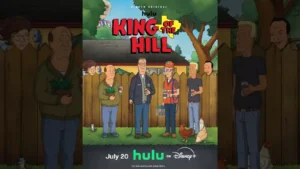
Choose Season 15 for warm, character-driven comedy, meaningful growth, and a finale that rewards longtime fans. Skip it if the short binge format, uneven replacement voices, or occasional clumsy commentary...
Pros: episode structure, season finale quality
Cons: release schedule, bingeability
Choose The Pitt Season 2 for a gripping, realistic medical drama with superb acting and emotional depth. Skip it if graphic procedures, unresolved arcs, or slower character-driven pacing bother you.
Pros: episode structure, main cast performance
Cons: age appropriateness, plot clarity
Best for powerhouse performances, thorny character work, and a tense revenge mystery that grows richer as it goes. Skip it if abuse, trafficking, graphic violence, or deliberately messy moral questions...
Pros: episode structure, supporting cast performance
Cons: cinematography, sexual content level