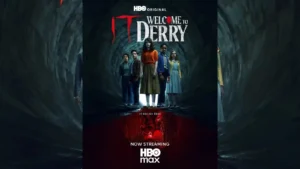
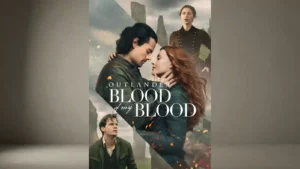
IT: Welcome To Derry
Where It Has the Edge
No clear scored advantage over the other product.

Scorata scores summarize analyzed review evidence on a 1–5 scale; they are not laboratory measurements or a simple average of customer star ratings. Feature scores summarize the reviews covering that feature. The overall score averages feature scores within each review, then combines review averages. When both expert and customer evidence are available, those two groups receive equal weight. Products can have different review coverage, so small score gaps do not establish a winner.
Recommendations prioritize important features for the category, with a score of at least 3.5, a gap of at least 0.25 points and at least two supporting reviews per product. Features with widely varying scores or broad connectivity contexts are excluded from recommendations. These safeguards do not establish statistical significance.
Quick verdict
The available evidence supports the recommendation below, but does not establish an overall winner. Check the remaining features against your priorities.
There is not enough comparable review evidence to recommend IT: Welcome To Derry over the other product.
Choose Outlander: Blood of My Blood, Season 2 for plot clarity and entertainment value.
No clear scored advantage over the other product.
Scores are out of 5. Missing scores mean missing review evidence, not a missing feature.
The large ensemble can feel overstuffed, with too many characters and subplots competing for attention.
Despite separating four protagonists, the episode finds enough room for Henry, Julia, Brian and Ellen while still developing supporting players.
One family-oriented review strongly objects to explicit bodily imagery and nudity in the horror material.
Intimate scenes are often praised for emotional intensity, chemistry and playful energy, though one review notes that viewers expecting more steamy material may find the season comparatively restrained.
Multiple storylines and dense lore can make the narrative feel scattered, overloaded, or difficult to track.
The season is praised for explaining why the couples separate and for catching viewers up efficiently, even while juggling multiple timelines and political pressures.
A few critics flag inconsistent character behavior and logic as part of the show's uneven writing.
Ellen’s growth feels continuous with Season 1: she remains recognizably the same woman while becoming more capable of taking charge.
Editing draws unusually sharp criticism for jarring transitions and weak rhythm.
Parallel editing between the two timelines is used effectively to connect their themes without overexplaining the parallels.
The show can swing abruptly between serious horror, emotional drama, and sillier spectacle, creating tonal friction.
When the season settles into its Highland ensemble, it is praised as confident and alive, balancing romance, humor and looming war without losing its emotional identity.
Individual episodes are unevenly paced, with slow stretches, rushed revelations, and a frequently criticized midseason lull.
Episode-level pacing is generally praised as brisk and confident, with the story raising stakes quickly and moving without much wasted time.
Long episodes can feel bloated when the story slows down or repeats information.
The premiere feels long to one viewer, but the action and emotional material are strong enough that the length does not become a major drag.
Suspense is inconsistent; the best sequences build real dread, but weak CGI and fragmented plotting often break tension.
The season creates genuine anxiety around family conflict, looming war and hidden agendas, leaving reviewers eager and nervous about the consequences.
The prequel's value is contested: some call it essential or worthy, while others see it as unnecessary franchise extension.
The season is widely seen as a worthy prequel that can stand on its own while still extending Outlander’s past and emotional legacy.
The focus on racism, civil rights, and Indigenous history is often seen as meaningful, but some critics call parts of the treatment shallow, stereotyped, or heavy-handed.
Scottish traditions and folklore are woven into the wartime setting in a way that feels captivating rather than decorative.
Dialogue is a recurring weakness, with complaints about clunky exposition, wooden exchanges, and overly obvious monologues.
Dialogue draws mixed reactions: rousing speeches and playful period phrasing stand out, while one critic finds some conversations too obviously shaped to deliver exposition.
Horror effectiveness is highly uneven: some critics found the series terrifying and inventive, while others found many scares silly, repetitive, or too CGI-heavy.
As a historical romance, the season is considered one of the stronger current examples of the genre, especially for viewers who value emotional stakes as much as plot.
Interest in more seasons is positive overall but not universal; some reviewers are eager for more lore while others fear repetition.
The season leaves viewers eager to keep going, with Brian’s growth and Julia’s uncertain path generating especially strong curiosity about what comes next.
Cars, clothing, sets, and social context often sell the 1960s setting, though one critic found the era artificial and unlived-in.
Scottish customs, Samhain traditions and the historical texture of the setting make the period world feel richly lived in.
Themes of fear, racism, collective apathy, and cycles of violence can add real weight, though some critics find the treatment too broad or didactic.
Love, family, agency, trauma and inheritance give the season more to explore than romance alone, and several reviews praise how those ideas shape character choices.
Script reactions are mixed, ranging from a strong pilot to complaints about contrivance and implausible dialogue.
Margot Ye’s episode script is praised as deftly written, giving four separated leads room to face new challenges while also deepening the supporting cast.
Bill Skarsgård's Pennywise is usually a highlight when present, but many critics complain that the clown is held back too long or underused.
The antagonistic figures are effective because they can be sinister without becoming flat; Lord Lovat in particular remains disturbing while showing enough complexity to stay compelling.
The young ensemble often sells the friendships and group dynamics, though some critics feel the chemistry falls short of the 2017 film.
Chemistry between the central couples is one of the season’s clearest strengths, carrying both intimate scenes and large declarations. Even skeptical takes on the story tend to praise how naturally the leads connect.
The deeper history of Derry, Pennywise, and the wider King universe is one of the most consistently praised elements.
The interconnected family history and time-spanning mythology add resonance for longtime fans, though newcomers may need patience with how much shared lore the story assumes.
The expansion feels King-like to some critics, while others question creative liberties or fan-fiction-like additions.
A key choice involving Claire’s family is praised for remaining consistent with established Outlander canon.
When the character bonds land, the series can be moving and heartbreaking; weaker reviews say some intended emotional beats fail to resonate.
The strongest scenes inspire tears, heartbreak and anxiety, especially around separation, memory and family. One harsher take finds the premiere emotionally defeating rather than satisfyingly moving.
Cinematography is usually praised for making Derry picturesque, eerie, and cinematic, though one review found it bland.
The rolling Highlands and poetic camera work remain a visual highlight, producing some of the season’s strongest praise even when the story itself divides opinion.
A slow or uneven first half is a common complaint, with many full-season reviews saying the back half improves substantially.
The early season is deliberately slow-burn and clearly building toward larger events. That patience suits the character work for some viewers but may feel too gradual for those wanting faster payoff.
Several critics found the expanding mystery easy to get hooked on and were eager to continue once the story gained momentum.
The glossy Highland adventure and romantic momentum make the season feel addictively watchable.
The dual child/adult structure can broaden Derry effectively, while the strongest pilot uses its setup and reversals especially well.
The season balances big twists with quieter emotional beats, and the two-timeline construction helps the stories echo one another rather than feel disconnected.
Early shocks and later reveals are among the most widely praised storytelling moves, especially the premiere's major reversal.
The new questions around time travel and Julia’s abilities substantially raise the mystery and leave the story with more intriguing possibilities.
Connections to the films and wider King universe are a major draw, although the Easter eggs can become overbearing for some viewers.
Most reviewers like how the prequel deepens familiar characters and connects naturally to Outlander’s history. One critic worries that the series can cling too tightly to Claire’s legacy instead of forging its own path.
The music is repeatedly praised for heightening dread without overwhelming the drama.
Bear McCreary’s music remains an important part of the series’ atmosphere, with the score especially effective when it pulls back and lets quieter longing build.
Many critics connect with the layered fears, grief, and friendships, although some reviews find portions of the ensemble underwritten.
Brian, Ellen, Julia and several supporting characters gain meaningful new dimensions, especially around leadership and agency. A minority view argues that some arcs regress or turn in odd directions to serve the plot.
Casting, especially among the younger performers, receives strong praise and is repeatedly treated as a major asset.
Casting earns strong approval, from the core ensemble’s resemblance and chemistry to the addition of Grace, who is described as exactly right for the role.
The violence is extremely graphic and can be effective horror for some viewers, while others find it excessive or hard to watch.
The institutional electroshock material is described as especially hard to watch, making the season’s treatment of violence and suffering potentially overwhelming for some viewers.
Opinions split between fresh expansion of King lore and the sense that the show is repeating the Losers Club formula.
Repetition is one of the clearest concerns: several critics feel the franchise falls back on familiar separations, contrived obstacles and recycled conflict patterns.
The season earns praise for ambitious lore and emotional stakes, but the military plot and overloaded structure divide critics.
Overall story reception is positive but not unanimous. Strong romance, character focus and thematic ambition impress many reviewers, while others criticize thin substance, repeated separations and convenient plotting.
Some military logic, character decisions, and plot mechanics strain credibility even within the supernatural premise.
Several plot mechanics strain credibility, including an implausibly easy asylum escape, historically questionable electroshock timing and memory logic that some viewers find hard to accept.
The premiere is widely seen as bold and memorable, with its opening and late twist frequently singled out even by otherwise negative critics.
Reaction to the premiere is mostly enthusiastic, with praise for its emotional force and momentum, but one review finds it a significant regression that undoes too much Season 1 progress.
Critical response is visibly divided, with rave notices for craft and terror alongside sharp complaints about plotting and scares.
One review gives the season strong marks as a lush, romantic and emotionally persuasive return, particularly when it centers the two couples.
The core kids are often easy to root for, and several reviewers became emotionally attached to them quickly.
The season’s characters are frequently described as charming and easy to root for, with Brian, Ellen and even a younger Dougal drawing particular affection.
The series is presented as accessible even to newcomers who have not read King or watched the films.
The mix of romance, history and danger is repeatedly described as inviting and easy to get pulled into, especially for viewers who enjoy character-driven historical romance.
Adult supporting work is generally respected, even when critics feel the material gives those actors too little to do.
The supporting ensemble is described as fantastic, with familiar characters gaining sharper personalities and unexpected new dimensions.
Performances are one of the most dependable strengths, with frequent praise for both the child ensemble and key adult leads despite a few complaints about stilted moments.
Performances are a major strength, with repeated praise for the emotional intensity and conviction of the ensemble. Even reviews critical of the plotting still find the acting difficult to fault.
The main ensemble, especially the younger cast, receives broad praise for carrying fear, grief, and emotional stakes.
The four central performers are repeatedly described as the reason to watch, with particular praise for how they sell the romances and the season’s heavier emotional turns.
Even mixed reviews often find stretches fun or entertaining, especially when the horror, lore, and Pennywise material are working together.
Reviewers repeatedly describe the season as thrilling, enjoyable or outright incredible, with the mix of romance, intrigue and action keeping it engaging.
Derry often looks polished and striking, especially in credits and period design, but flat lighting or artificial backdrops occasionally undermine the look.
The series is repeatedly called gorgeous, with windswept landscapes, candlelit interiors and polished period imagery creating a rich romantic atmosphere.
Period clothing is consistently praised for helping transport the show convincingly into the early 1960s.
Costumes are praised for communicating status and period without making every scene feel like a fashion showcase.
The episodic format gives Derry, its history, and its mythology more room to breathe, which many critics see as a major advantage.
Season 2 expands the world while keeping its political, romantic and time-travel threads connected, making the setting feel larger without losing the core relationships.
The Ellen–Colum conflict lands because the episode gives both siblings room to face the damage they have done and the motives behind it.
The premiere is praised as action-packed, keeping the episode lively even at its longer runtime.
The prequel is seen as earning its place beyond simple franchise expansion by making its central couples feel important in their own right.
CGI is the clearest technical weakness: multiple critics found creature work obvious, cartoonish, or distracting even when the underlying scare ideas were strong.
Continuity is a notable weak point for one critic, who argues that some explanations for established canon problems feel dramatically convenient rather than convincing.
Direction earns strong praise for atmosphere, visual control, and the show's most effective horror sequences.
Some relationship drama is viewed as forced rather than organically earned.
A small number of critics strongly object to the use of real-world trauma and prejudice as shock material.
The show is emphatically not family-friendly because of graphic violence, disturbing imagery, and strong language.
Comic relief lands well amid the heavier drama, from intimate couple banter to the episode’s more knowingly outrageous clan dynamics.
Frequent strong profanity is treated as a major content concern rather than a neutral detail.
Some embedded audience commentary strongly rejects the show's perceived contemporary political framing.
Added rules and weaknesses around Pennywise sometimes make the entity feel less unknowable or less threatening.
Where practical creature work is used effectively, it is praised as more convincing than the weakest CGI.
Romance remains the show’s defining strength: the central couples have palpable chemistry, emotional sincerity and convincing longing, and their relationships carry many of the season’s best moments.
The later episodes and finale earn substantial praise for spectacle and payoff, though a few critics found the ending bland or disappointing.
Effects quality varies sharply by episode, improving late in the season but suffering from conspicuous digital work earlier.
Henry’s wartime and institutional trauma is often portrayed with vivid emotional force, but reactions split on how convincing the electroshock-related memory loss feels.
The graphic horror and disturbing material are viewed as inappropriate for children.
Returning familiar faces such as Mrs. Graham add warmth and hope while reinforcing the sense of a connected Outlander world.
Sets and overall production design are major strengths, giving Derry a polished, period-specific identity.
Sound design and immersive audio are praised for making quiet scenes threatening and big sequences more enveloping.
The music works best in quieter scenes, where it supports longing without forcing the emotional response.
The physical 4K release is described as economical and well stocked with extras for committed fans.

Best for sharp adult humor, magnetic chemistry and a deeply satisfying farewell. Skip it if familiar will-they-won’t-they plotting or deliberately messy leads are dealbreakers.
Pros: humor, writing quality

Choose Widow’s Bay for its dark laughs, richly haunted island and memorable ensemble. Skip it if you need straightforward scares, rapid answers to every mystery or a completely resolved finale.
Pros: humor, genre satisfaction
Cons: ending satisfaction, season pacing

Choose Season 15 for warm, character-driven comedy, meaningful growth, and a finale that rewards longtime fans. Skip it if the short binge format, uneven replacement voices, or occasional clumsy commentary...
Pros: franchise connection, character development

Best for sharply acted, compassionate, high-pressure hospital drama. Skip it if graphic procedures unsettle you or you need a neatly resolved season finale.
Pros: character development, acting performance
Cons: character consistency, dialogue quality