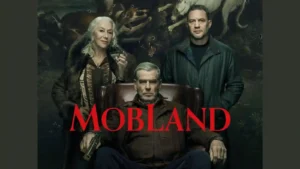
MobLand, Season 2
Where It Has the Edge
No clear scored advantage over the other product.

Scorata scores summarize analyzed review evidence on a 1–5 scale; they are not laboratory measurements or a simple average of customer star ratings. Feature scores summarize the reviews covering that feature. The overall score averages feature scores within each review, then combines review averages. When both expert and customer evidence are available, those two groups receive equal weight. Products can have different review coverage, so small score gaps do not establish a winner.
Recommendations prioritize important features for the category, with a score of at least 3.5, a gap of at least 0.25 points and at least two supporting reviews per product. Features with widely varying scores or broad connectivity contexts are excluded from recommendations. These safeguards do not establish statistical significance.
Quick verdict
There is not enough consistent, comparable evidence for a clear recommendation. Use the feature details and supporting reviews to weigh the tradeoffs.
There is not enough comparable review evidence to recommend MobLand, Season 2 over the other product.
There is not enough comparable review evidence to recommend The Circle over the other product.
No clear scored advantage over the other product.
No clear scored advantage over the other product.
Scores are out of 5. Missing scores mean missing review evidence, not a missing feature.
The darker, more serious mood is generally viewed as a coherent evolution, and the directing team is praised for keeping the style and tone consistent across episodes.
The replacement of the long-established host noticeably changes the show’s familiar comic tone.
The premiere’s recap and reintroduction work well, and its personal stakes sharpen the setup. One critic pushes back that quieter episodes can feel like filler rather than purposeful progression.
The isolated Y2K party and dance montage interrupt the social game without adding much to its story.
Editing draws split reactions. One critic misses the rapid-fire cutting associated with Ritchie’s action style, while another praises dynamically rhythmic edits that make action scenes sing.
The dance montage feels like forced filler rather than a rewarding break from the competition.
Maeve and Conrad’s combustible pairing earns strong praise, while the Harry-Maeve-Conrad triangle is also seen as an entertaining core dynamic.
The paired impersonators make a surprisingly amusing on-screen team once they start playing off each other.
The premiere works best when the power struggle becomes personal, tightening the conflict around damaged family relationships rather than only gangland mechanics.
A confrontational, competitive personality brings entertaining tension to the opening competition.
The weekly rollout is viewed positively as a way to sustain tension and make the season feel like an ongoing must-watch event.
Three episodes each week turn the show into an ongoing event, though fans accustomed to full-season drops may miss the old viewing rhythm.
Johnny Flynn’s arrival is widely viewed as inspired casting, though one harsh review argues Helen Mirren is badly miscast. Overall casting sentiment is positive but not unanimous.
The celebrity contestants freshen up the early episodes, while a volatile competitor and an unruly catfishing duo create entertaining moments. Some quieter players feel comparatively bland.
Dark humor is a major draw for many reviewers, especially when brutality and absurdity collide. Detractors find the jokes, banter, and profanity strained rather than funny.
The premiere loses some of the old host’s comic touch, but the contestants generate laughs through uncomfortable conversations and absurd catfishing attempts.
Season 2’s opening episodes usually move quickly, with critics praising how fast the premiere reestablishes stakes and throws viewers back into the conflict.
Both opening episodes move swiftly through conversations and rankings, particularly the energetic second installment.
Harry’s competence and insight make him unusually easy to root for, while the broader cast is praised as compelling even when the characters are morally awful.
Some contestants contribute little personality, but the supposedly irritating catfishing pair becomes more appealing once their messy antics take over.
Most reviews find the season highly watchable, fun, addictive, or outright excellent. A smaller but forceful group finds the chaos tedious, stalled, or a waste of the cast and audience’s time.
The early episodes remain entertaining despite uneven contestants and a changed hosting style. Awkward alliances, unpredictable social play, and the lively second episode do most of the work.
Irish-accent work is a recurring weak spot. Multiple critics call the accents unconvincing or comical, even when they still enjoy the performances around them.
One critic objects that the crime family never meaningfully reckons with the human consequences of its drug business, making the moral fallout feel underexamined.
Most reviewers find the action explosive, stylish, and high-impact, especially the dog-track opener. A notable dissenting review says the once-propulsive action stalls during the first four episodes.
Live voting promises exciting shake-ups and unpredictable weekly outcomes, but it also makes the contestants’ private popularity contest less self-contained.
The premiere quickly rekindled one reviewer’s desire to binge the entire season in one sitting.
Impersonation remains one of the format’s strongest pleasures, allowing players to create implausible identities and amusing social situations.
Familiar personality traits sometimes edge toward repetition, and Gina’s rapid shift into criminality is called whiplash by one critic. The returning characters otherwise remain recognizably themselves.
Many reviewers see richer motivations, stronger arcs, and more depth across the family, especially Harry. Critics on the other side argue some quieter episodes stall rather than develop the characters.
One review specifically misses the stylized camerawork normally associated with this kind of kinetic crime action, making the visual shooting style a relative weakness there.
Frankie’s late reveal in the premiere is praised as an effective warning that the threat board is getting more crowded.
The popularity rankings and false identities still make for an enjoyable, intentionally silly game. Letting outside viewers influence results raises questions about how fairly the winner can be judged.
Smart early alliances share the screen with clumsy moves and obvious catfishing mistakes. The poor decisions can be entertaining even when they are not effective.
The darker, more damaging direction is described as a natural evolution of what the first season had already been building toward rather than a shock-for-shock’s-sake pivot.
Dialogue reactions are sharply divided: some critics call it devilishly funny or almost Elizabethan, while others find it crass, less punchy, or effortful.
Guy Ritchie’s premiere direction is praised for combining menace, swagger, violence, and darkly funny understatement with confidence.
Harry and Jan’s marriage material lands as both heartbreaking and funny, giving the season emotional weight beneath the criminal chaos.
Several reviews like the wider focus and say the larger cast avoids feeling forced, but others find the number of active players daunting. Harry’s reduced centrality is generally seen as manageable.
Hour-long chapters are explicitly praised as worth the investment because the tension and danger stay high.
For viewers who want a modern gangster thriller, the season is widely described as a strong or even top-tier genre entry, despite familiar genre DNA.
Tinx has yet to develop the distinctive warmth and comic personality that gave the earlier seasons their identity. The transition is the revival’s most conspicuous disappointment.
Profanity is polarizing: one critic thinks the relentless cursing enhances the heightened style, while another argues the show depends on swearing so heavily that it becomes grating.
The expanded world gives viewers more meaningful insight into both major and secondary players, adding texture beyond the central Harrigan power struggle.
The season expands from street-level gang conflict into a more sophisticated political drama with international implications, a shift one review strongly praises.
Originality is one of the most consistent reservations: reviewers repeatedly call the gangster framework familiar or clichéd. Strong execution, eccentric characters, and energy often compensate for that familiarity.
Clarity varies by reviewer. Some praise how quickly the season establishes players and stakes, while others find the many feuds and schemes hard to follow without close attention.
The season’s shocking developments and expanding complications are repeatedly framed as a strength that keeps the story lively.
The cash prize provides a goal, but it is treated as modest compared with the contestants’ interest in broader influencer fame.
Some critics find the family power struggle more credible and appreciate Hardy’s grounding influence, while others call the Harrigans ludicrous or emphasize the show’s deliberately stylized unreality.
Enthusiasm for continuing is high, with multiple reviewers explicitly eager for more and relieved that a third season is already confirmed.
Eddie and Gina’s relationship adds a softer note to the violence, with reviewers praising their chemistry and the small touch of sweetness their bond brings.
Pacing is the most divided area. Some reviews call the season faster, relentless, or breakneck, while others say it is overbusy, slow to build, or outright stalled.
The Hulu premiere largely delivers the familiar social-strategy fun. Its host switch, however, leaves an unexpected hole.
One critic sees sex as part of an overreliance on sensational jolts, arguing that the spectacle can crowd out deeper exploration of the family.
Action effects such as muzzle flashes and bloody impacts are praised for making the upgraded violence feel vivid and hard-hitting.
The dominant view is that Season 2 is gripping, more ambitious, and improved over the first season. Dissenters see stalled momentum, thin substance, or squandered potential beneath the spectacle.
Most reviewers find the season tense, unpredictable, and hard to look away from, especially as characters become less safe. One critic thinks Frankie’s early danger is asserted more than earned.
Reviews split on depth: some praise the stronger focus on marriage, family damage, motivation, and humanism, while others see fireworks and criminal posturing crowding out substance.
Frankie is the breakout threat for most reviewers—strange, menacing, funny, and unpredictable—while Kat adds strategic pressure. One major dissent calls Frankie a temporary stopgap whose early menace lacks consequences.
Violence is intentionally extreme and very polarizing. Fans of the style praise the gore-flecked spectacle and upgraded impact, while detractors find the carnage excessive and unsupported by enough wit or charm.
The writing is praised at its best as whip-smart and tightly constructed, though one review criticizes moments when supposedly savvy characters make implausibly poor decisions.
The ensemble is one of the clearest strengths, with repeated praise for the leads and newcomers even from reviews that dislike the plotting. Several critics call the cast fantastic, top-form, or the main reason the show works.
The leads remain a major asset, especially Tom Hardy’s calm, menacing presence. Even reviews focused on story problems often acknowledge the strength of the central performances.
The soundtrack gets enthusiastic praise for its defiant choices and the way music energizes major action sequences.
The supporting players are described by the principal cast as top-tier British actors who add substantial quality around the leads.
The season wins over at least one self-described gangster-genre skeptic and earns a direct recommendation from another writer, suggesting broad appeal beyond committed mob-drama fans.
Early critical reception is presented as exceptionally strong, with writers emphasizing the initial perfect aggregator score while also noting the small early sample.
The internet-slang challenge adds little suspense or insight, leaving the temptation to skip ahead.
Maeve’s power-dressing wardrobe receives explicit praise as a standout visual detail this season.
One review says the punchy sound design associated with the show’s kinetic action style is largely missing this season.
The show is often called stylish, especially in the opener, but several reviewers find it less visually distinctive than The Gentlemen or more formulaic once the premiere settles down.
The broader criminal and political world is praised for feeling more developed, with added layers around both the Harrigans and the forces moving against them.

Best for sharp adult humor, magnetic chemistry and a deeply satisfying farewell. Skip it if familiar will-they-won’t-they plotting or deliberately messy leads are dealbreakers.
Pros: humor, writing quality

Choose Widow’s Bay for its dark laughs, richly haunted island and memorable ensemble. Skip it if you need straightforward scares, rapid answers to every mystery or a completely resolved finale.
Pros: humor, genre satisfaction
Cons: ending satisfaction, season pacing

Choose Season 15 for warm, character-driven comedy, meaningful growth, and a finale that rewards longtime fans. Skip it if the short binge format, uneven replacement voices, or occasional clumsy commentary...
Pros: franchise connection, character development

Best for sharply acted, compassionate, high-pressure hospital drama. Skip it if graphic procedures unsettle you or you need a neatly resolved season finale.
Pros: character development, acting performance
Cons: character consistency, dialogue quality