
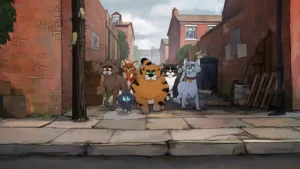
Pluribus, Season 1
Where It Has the Edge
No clear scored advantage over the other product.

Scorata scores summarize analyzed review evidence on a 1–5 scale; they are not laboratory measurements or a simple average of customer star ratings. Feature scores summarize the reviews covering that feature. The overall score averages feature scores within each review, then combines review averages. When both expert and customer evidence are available, those two groups receive equal weight. Products can have different review coverage, so small score gaps do not establish a winner.
Recommendations prioritize important features for the category, with a score of at least 3.5, a gap of at least 0.25 points and at least two supporting reviews per product. Features with widely varying scores or broad connectivity contexts are excluded from recommendations. These safeguards do not establish statistical significance.
Quick verdict
The available evidence supports the recommendation below, but does not establish an overall winner. Check the remaining features against your priorities.
There is not enough comparable review evidence to recommend Pluribus, Season 1 over the other product.
Choose Ricky Gervais Alley Cats for cultural representation and bingeability.
No clear scored advantage over the other product.
Scores are out of 5. Missing scores mean missing review evidence, not a missing feature.
Critical reception is portrayed as exceptionally strong in the supplied coverage, with the show repeatedly described as a major or even masterpiece-level arrival.
Critical reception is consistently described as severe, including extremely low aggregate scores and multiple one- or zero-star notices. This is one of the clearest areas of agreement in the source set.
Carol is intentionally difficult: cynical, angry, stubborn, and sometimes self-destructive. Some find that complexity fascinating or relatable, while others say her incuriosity and abrasiveness make the season harder to invest in.
Ponce and the broader group win affection in a few reviews, but several others find the cats unpleasant, bland, or hard to root for. Whether the abrasive personalities feel lovable or exhausting is a major dividing line.
The show has strong appeal for viewers who enjoy patient, idea-heavy science fiction, but several critics warn that its deliberate pace and prickly lead will push some people away.
Viewer appeal is broader than the critic response suggests, with strong streaming-chart performance and enthusiastic fans alongside disappointing audience scores and polarized reactions. Cat lovers and established Gervais fans appear to be the most receptive groups.
Editing is praised for giving the series a distinctive rhythm, with carefully shaped montages and unconventional transitions reinforcing its fresh narrative voice.
One review specifically criticizes the improvised audio for overlapping lines and sloppy editing, saying the roughness feels unfinished rather than spontaneous.
The choral-leaning score and use of silence fit the collective premise well. One dissenting review finds the music less captivating than a major sci-fi comparison point.
One critic says the piano-led emotional scoring feels aggressively manipulative rather than moving.
Writing is widely praised for trusting the audience, subverting familiar science-fiction tropes, and building character and ideas patiently, even when the pacing becomes divisive.
Writing is the dominant overall concern, with many sources calling it lazy, repetitive, underdeveloped, or overly dependent on Gervais’s familiar habits. A small minority finds it clever, observant, and meaningfully layered.
Originality is one of the strongest points of agreement. Even skeptical reviewers describe the central concept and its execution as unusual, inventive, or unlike most current television.
Most comments on originality are negative, arguing that the offensive-cartoon premise and joke targets feel dated or recycled. One review does grant the series some originality, but that is the exception.
The central story earns substantial praise for its bold premise and character-centered approach, though critics split over whether the slow narrative engine provides enough payoff within one season.
The lost-kitten premise is widely seen as thin or underdeveloped, with many critics saying side conversations crowd out the main story. A more positive view sees enough tenderness and direction for a low-key hangout comedy, but that is less common.
Dialogue is generally valued for trusting viewers and letting tense or funny exchanges carry ideas without excessive exposition.
The dialogue is highly polarizing: supporters hear natural, authentic, fast-moving banter, while detractors hear aimless improvisation, repetitive insults, and podcast-like chatter. The same loose style is either the show’s charm or one of its biggest weaknesses.
The episodic construction is widely admired, especially the cold opens and chapters that tell a complete mini-arc while still advancing the larger season.
Several reviews complain that episodes repeat the same sofa-chat, outing, conflict, and sentimental-ending rhythm. That formula makes the season feel predictable for viewers who do not enjoy the banter.
The series repeatedly blends dread, comedy, heartbreak, and philosophical drama. Most reviewers admire that tonal elasticity, though the same strangeness can make the experience feel uneven to some.
The swing between vulgar banter and sudden tenderness is the series’ defining gamble. A few reviewers think the bittersweet mix works beautifully, but many find the shifts jarring, formulaic, or emotionally unearned.
The season’s queer relationship is central rather than incidental, but one reviewer criticizes an early death as an overly familiar queer-character trope. International characters also draw some criticism for limited agency.
Positive takes praise the show’s distinctly British voice, especially its class-conscious banter and working-class social register. For those reviewers, the cats’ rough talk feels culturally specific rather than generic.
Dark, absurd humor is a major part of the appeal, repeatedly breaking the tension without undercutting the unsettling premise.
Humor is the most consistently criticized trait: many sources say the profanity, sexual jokes, and shock material rarely produce real laughs. A meaningful minority, however, finds the banter hilarious, droll, or among the funniest recent comedy.
Individual episodes often favor process and atmosphere over speed. Some reviewers enjoy that patience, while others feel certain chapters sacrifice too much forward motion.
Pacing is sharply split between reviewers who like the brisk, never-boring runtime and those who say even 15-minute episodes drag because of meandering conversations. The pace works best for viewers who enjoy the hangout banter itself.
Carol and Zosia’s relationship develops from wary dependence into something more emotionally charged. Reviewers who discuss it find the chemistry compelling and central to the season’s vulnerability.
The Gus-Lara relationship is a rare bright spot for some critics because it reveals vulnerability and warmth. Other reviewers find the romance underbuilt or unnecessary, while the Olive-Ponce thread earns praise from one thematic reading.
The season-ending turn is one of the sharper points of disagreement: some see an exciting launchpad for season two, while others find it weak or badly delayed payoff.
The finale has a few strong moments and a serviceable outcome, but the two detailed assessments stop well short of calling it a strong finish.
Carol is treated as a genuine character study rather than a simple mystery-box hero. Reviewers like how new layers emerge through isolation, grief, anger, and changing relationships.
Gus’s growing bond with Kitten is the main source of character growth and lands strongly for some viewers. Many critics, however, argue most characters remain one-note and that emotional turns arrive without enough development or payoff.
Grief, isolation, vulnerability, and sudden loss give the high-concept story a strong emotional undercurrent. Several reviews describe individual episodes or performances as heartbreaking.
This is the show’s biggest split. Some viewers are genuinely moved by Gus and Kitten, the mortality themes, and Gus’s mother, while many critics call the same beats abrupt, manipulative, or unearned.
The premiere is frequently highlighted as spectacular, dramatic, and unusually confident. A smaller number of reviewers object to specific early choices or feel the opening promises a faster show than the season becomes.
The pilot is viewed as decent in one episode-by-episode critique, with a few effective cat-specific gags and a promising Kitten setup despite too much aimless chatter.
Mystery and withheld information are a deliberate part of the experience. Some reviewers enjoy the ambiguity, while others find the lack of answers frustrating or confusing.
One detailed review says the series lacks a clear narrative identity, veering between a goal-oriented lost-kitten story and unrelated slice-of-life side plots.
Reactions to the ending are mixed. Some appreciate the open-ended setup, while harsher reviews argue the season stops where the main story should finally be accelerating.
The finale is considered acceptable rather than impressive in the one detailed assessment that directly rates its outcome.
The season is especially strong as a vehicle for questions about freedom, consent, happiness, grief, conformity, individuality, and community. Reviewers often value the questions more than definitive answers.
Mortality, grief, companionship, class, and finding meaning give the show more substance than its crude surface suggests for several positive reviewers. Others think those same ideas are shallow, preachy, or too familiar from Gervais’s earlier work.
Carol’s strongest screen partnerships add warmth and tension to an intentionally lonely story, especially her evolving connection with Zosia.
The group-recording approach produces relaxed, natural chemistry for several reviewers, and some say the cast feels like longtime friends riffing together. Others hear little chemistry at all, making the ensemble dynamic strongly taste-dependent.
Season pacing receives mixed reactions, with clear strengths offset by meaningful criticism.
The short season moves quickly, but some reviewers feel it delays the Kitten plot or races through themes before they can fully develop.
When its strange premise clicks, the season can be intensely absorbing and hard to stop thinking about. That pull is less reliable for viewers who find the slow build tedious.
The six short episodes make this an easy, low-commitment binge. Positive takes especially like how quickly the season can be finished.
The series grounds its extreme premise in recognizable grief, loneliness, and human behavior, though a few reviewers struggle with the plausibility of particular character choices.
One positive analysis argues that the cats’ crude, unfiltered social register authentically reflects how many working-class British friends talk privately.
As science fiction, the show is praised for mixing body-snatcher unease, satire, dark comedy, noir touches, and character drama without feeling like a routine genre exercise.
Positive genre-focused reviews think the series fits comfortably within adult animation and is worth watching for fans of crude, philosophical cartoons. Its appeal is much weaker for viewers who expect tighter plotting or more inventive comedy.
At least one full-season review argues that nine episodes are more than the story needs, suggesting the season could have delivered the same arc more efficiently.
Two positive-leaning reviews think six episodes are too few, arguing the short season rushes themes and leaves them wanting more.
Silence is used deliberately as part of the show’s soundscape, reinforcing isolation and letting quiet moments carry unusual weight.
One reviewer reports distracting, uneven dialogue audio from the group-recording setup, saying the changing levels break immersion.
Visual style is a major strength, from desert wides and surreal emptiness to carefully framed interiors and more globally scaled locations.
Visual reactions range from wonderfully expressive and beautifully painted backgrounds to ugly, flat, or hideous character designs. The background art earns more consistent praise than the character presentation.
Acting is one of the season’s clearest strengths. The cast is repeatedly praised for selling an unusual premise without losing the human emotion underneath it.
Voice acting draws sharp criticism in a few negative takes, especially for low energy, monotone delivery and Gervais’s lead performance. The broader cast is often rated more favorably elsewhere, but these acting-specific comments are notably harsh.
Rhea Seehorn is the consensus standout, with reviews repeatedly calling her performance masterful, magnetic, funny, vulnerable, and capable of carrying long stretches alone.
The voice cast is frequently one of the strongest elements, with several otherwise negative reviews still calling the ensemble talented or relatively strong. A few sources are less impressed, but the cast receives more praise than the writing or humor overall.
Music is generally treated as atmospheric and purposeful, although not every reviewer finds it especially memorable.
Music choices divide opinion sharply: one critic finds the needle drops obvious and unimaginative, while another praises the Smiths cue as a clever match to the action.
Rewatch value is a consistent strength, earning emphatic praise across the reviews that discuss it.
Rewatch interest is sharply polarized: one enthusiastic viewer immediately wants another viewing, while two negative reviewers have no desire to return.
Most critics find the season compelling, funny, strange, and absorbing, but a meaningful minority describe stretches as tedious, listless, or boring.
Overall enjoyment ranges from career-low disgust to enthusiastic praise. Most negative sources find the series boring or joyless, but a smaller group calls it fun, easy to watch, and highly entertaining.
One detailed video calls the show’s fight scene exceptionally weak and poorly animated, making action a clear low point when it appears.
Animation is one of the most divided areas. Some find it clean, expressive, charmingly simple, or well matched to the grimy cat world, while others call it cheap, stiff, flat, and inexpressive.
One strongly positive review calls the voice cast perfectly chosen, with familiar Gervais collaborators fitting the dysfunctional-cat ensemble naturally.
The cinematography is consistently singled out for unconventional framing, long takes, wide compositions, and carefully controlled visual storytelling.
The show frequently ends chapters with new possibilities rather than tidy answers. That unpredictability builds anticipation, though the season finale’s cliffhanger frustrates some viewers.
Direction receives strong praise for precise blocking, staging, visual patience, and the confidence to let quiet scenes play out at length.
The season deliberately concentrates attention on Carol, often functioning like a one-woman show. Some reviewers admire the focus, while others miss a fuller ensemble and more character interaction.
The roughly 15-17 minute episodes are usually viewed as a smart fit that keeps the show digestible and easy to binge. One writing-focused review argues that the short runtime leaves too little room for story and character development.
The writing earns praise for avoiding easy self-narration even when characters spend long stretches alone, trusting performance and visual storytelling instead.
Familiarity with Gilligan’s earlier work raises expectations, but reviewers generally value Pluribus for moving into a distinct kind of science fiction rather than simply repeating Breaking Bad.
Profanity is pervasive, especially repeated use of the c-word, and most reviewers who address it think the swearing is overused or substitutes for punchlines. Even some positive viewers warn that the language will be a barrier for part of the audience.
The depiction of Carol’s relationship with her readers is one of the more contested early choices, with criticism that it reduces fans to an oversimplified mass.
One review sees the provocative cultural framing as stale and overshadowing the show’s softer side rather than adding useful bite.
The season’s revelations and tonal shifts keep many reviewers unsure where the story will go next. That unpredictability is usually praised rather than treated as random.
The long gap anticipated between seasons is a concern for reviewers who already feel the first season withholds too much progress.
Ricky Gervais expresses exceptionally strong interest in continuing the series, saying he would like to keep making it indefinitely.
The recurring sexual and anal-sex material is criticized as excessive, repetitive, and quickly tiresome by the sources that address it directly.
Unease is sustained through eerie politeness, uncertainty, and sudden danger rather than constant action. Many reviews call the result creepy, tense, or thrilling.
One video finds genuine life lessons in the show’s discussions of death, companionship, and appreciating existence, even while criticizing much of the comedy.
Production design and scale help the premise feel global while retaining a distinct Albuquerque identity, with locations, built environments, and physical staging drawing repeated praise.
The hive-mind premise is developed through rules, social consequences, and lived details rather than dense exposition. Reviewers generally find the resulting world unusually rich and thought-provoking.
Supporting performers are well regarded, especially Karolina Wydra, Samba Schutte, Carlos Manuel Vesga, and Miriam Shor, who give Carol’s isolated story needed contrast and texture.

Best for sharp adult humor, magnetic chemistry and a deeply satisfying farewell. Skip it if familiar will-they-won’t-they plotting or deliberately messy leads are dealbreakers.
Pros: humor, writing quality

Choose Widow’s Bay for its dark laughs, richly haunted island and memorable ensemble. Skip it if you need straightforward scares, rapid answers to every mystery or a completely resolved finale.
Pros: humor, genre satisfaction
Cons: ending satisfaction, season pacing
Choose Season 15 for warm, character-driven comedy, meaningful growth, and a finale that rewards longtime fans. Skip it if the short binge format, uneven replacement voices, or occasional clumsy commentary...
Pros: franchise connection, character development

Best for sharply acted, compassionate, high-pressure hospital drama. Skip it if graphic procedures unsettle you or you need a neatly resolved season finale.
Pros: character development, acting performance
Cons: character consistency, dialogue quality