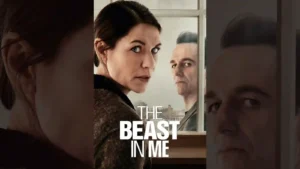
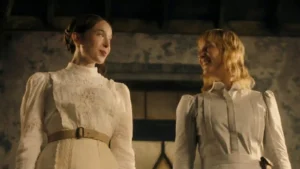
The Beast In Me
Where It Has the Edge
- main cast performance is 4.7 vs 4.0. The leads are the show’s biggest advantage. Claire Danes and Matthew Rhys are repeatedly praised as powerhouse performers...

Scorata scores summarize analyzed review evidence on a 1–5 scale; they are not laboratory measurements or a simple average of customer star ratings. Feature scores summarize the reviews covering that feature. The overall score averages feature scores within each review, then combines review averages. When both expert and customer evidence are available, those two groups receive equal weight. Products can have different review coverage, so small score gaps do not establish a winner.
Recommendations prioritize important features for the category, with a score of at least 3.5, a gap of at least 0.25 points and at least two supporting reviews per product. Features with widely varying scores or broad connectivity contexts are excluded from recommendations. These safeguards do not establish statistical significance.
Quick verdict
The review evidence points to a tradeoff: main cast performance versus plot originality. Choose according to which strengths matter more to you; the overall score alone does not settle that choice.
Choose The Beast In Me for main cast performance.
Choose Monster: The Lizzie Borden Story for plot originality.
Scores are out of 5. Missing scores mean missing review evidence, not a missing feature.
Matthew Rhys’s American delivery comes across convincingly; one critic notes how natural he sounds in an American role despite his native Welsh accent.
One fact-checking review mocked Andrew Borden's accent-stutter combination as implausible, making vocal authenticity a clear complaint.
The central mystery stays comparatively straightforward, avoiding the maze of red herrings that can bog down this genre.
Two reviewers found the narrative scattered and forced, especially when side stories pulled attention away from the Borden case.
Pacing is more divisive than the acting: some find the focus sharp and efficient, while others flag a slow start or late episodes that hurry through consequences.
One early-viewing reaction found the first episodes slow enough to prompt yawning, scrolling, and an early exit.
The setup feels familiar rather than groundbreaking, drawing obvious comparisons to prestige crime thrillers and true-crime stories about wealthy suspected killers.
The cross-era, female-killer framing struck several reviewers as fresh and unusual, with one calling the project unique on television.
Dialogue is usually a strength, especially in the lead confrontations, with praise for natural speech and sharp exchanges. A few negative reactions still point to clunky or over-expository lines.
The premiere's dialogue was criticized as over-the-top, fitting the season's deliberately heightened but divisive style.
The dark, heightened tone works best when the performances keep the pulpy material grounded, allowing the series to feel elevated rather than tipping fully into soapiness.
Tone is one of the show's biggest fault lines: some praise the fun, weird blend, while others find the camp, sensationalism, and detours disjointed.
The ending is highly divisive. Several reactions call it satisfying or even excellent, while others object to rushed consequences, tidy resolutions, or a finale that feels too neat for the careful buildup.
The ending's suffrage celebration was criticized for muddled irony, with its intended point getting lost in a scene played too sincerely.
Brief moments of levity work well as pressure valves, including the drunken Talking Heads sequence that gives the leads a welcome break from constant tension.
The dark comedy lands for some viewers and completely misses for others, ranging from 'frequently hilarious' reactions to one reviewer who did not laugh at all.
The grief and anxiety register strongly, especially through Aggie. Claire Danes makes the character’s pain feel immediate and recognizably human rather than merely melodramatic.
Emotional impact varies with tolerance for the spectacle: one review found the story haunting, while another said provocation diluted the feelings underneath.
Notoriety and public image matter to both Aggie and Nile, giving the story a useful thread about what happens when other people’s narratives begin to define a person.
One review felt the season leans too hard on sensationalist media frenzy instead of the underlying truth of the case.
Writing quality is one of the main fault lines: positive takes praise sharp, character-driven, taut work, while negative reviews call it simplistic, weak, clunky, or insensitive in how it handles its darkest material.
Writing drew heavy criticism for character choices and invented material that some reviewers felt disrespected the historical story.
The season can feel taut and addictive when the central duel is foregrounded, but the middle and penultimate stretch draw complaints about drag, detours, and lost momentum.
The eight-episode run was repeatedly criticized for padding, tonal impatience, and detours that slow the central story.
The underlying story inspires sharply mixed reactions. Many find it gripping, smart, and emotionally involving, while others see a familiar premise stretched too long or weakened by convenient plotting.
Story reactions split sharply: some found the retelling interesting and absorbing, while others called it directionless, over-invented, or a disservice to the real case.
The two leads can be intentionally abrasive and difficult company; one assessment calls them both deeply unpleasant, which may be part of the appeal for viewers who enjoy morally thorny protagonists.
One reviewer failed to connect with the characters strongly enough to continue past the second episode.
The dramatic material remains involving even when the plotting feels predictable, with the performances doing much of the work in keeping emotional stakes alive.
At its best the show works as a bitter domestic nightmare, but another reviewer found the opening insufficiently dramatic or cinematic.
The late flashback episode is one of the biggest structural fault lines. Some think it stops the story for information that should have been seeded earlier, while others feel the detour strengthens the climax.
The midseason shift to Aileen Wuornos was praised by the creator as a structural move that broadens and deepens the story.
Violence is infrequent but can be brutal, bloody, and upsetting. The intimate-partner murder scene in particular draws criticism for feeling gratuitous and exploitative rather than illuminating.
The gore is similarly divisive. Several critics found it lurid, fetishistic, or unnecessary, while another embraced the blood-soaked excess as part of the fun.
Several critics find the premise or character decisions increasingly implausible, especially Aggie’s willingness to remain close to someone she suspects is dangerous. Strong performances help some viewers go along with those leaps.
Realism is a major weakness, with several reviews describing the series as salacious, implausible, or far removed from known history.
Eight episodes feel tight to some and overlong to others. Several reactions specifically argue the material would have been stronger in six episodes or a more concise format.
Multiple reviewers felt eight episodes was too much for the material, citing padding, side quests, and a format that feels longer than necessary.
The acting is the clearest consensus strength, with frequent praise for the leads and ensemble. A small minority finds some performances over-heightened, but even negative takes often credit the cast with keeping the show watchable.
Acting is the clearest consensus strength. Multiple reviews praised the cast as excellent or able to sell the heightened material, though a few felt the writing limited what performers could do.
The cinematography gets strong marks for gothic atmosphere, harsh shadows, and memorable lighting. Its best images make homes and interiors feel uneasy rather than merely elegant.
The romanticized imagery around Lizzie and Bridget drew favorable comparisons to lush, rapturous period filmmaking.
Antonio Campos’s direction is praised as assured, particularly in the way it probes damaged characters and sustains unease through framing and pacing.
Max Winkler's command of the show's unusual dramatic-comic tone was specifically praised as clear from the outset.
The wealth, gentrification, and populist-politics material feels timely and recognizable. It is also sometimes judged too obvious, with thinly disguised real-world parallels that call attention to themselves.
The feminist framing splits reviewers: some see relevant exploration of gender and female rage, while others find it reductive or adolescent in execution.
The premiere does not work equally well for everyone; one reaction was not fully sold at first, though later episodes became much more absorbing.
The premiere divided reviewers: one enjoyed its restraint, while others thought the opening was sordid or flat rather than compelling.
Sexual content is present but not the show’s dominant element; one review notes sex without nudity, while family-oriented coverage still flags it as part of the mature package.
Sexual content drew some of the strongest disagreement: critics often saw fetishistic or misplaced sexualization, while one reviewer enjoyed its bold directness.
The series gets real mileage from grief, obsession, vengeance, wealth, and accountability, but reactions split on how deeply it follows those ideas. Some find the moral ambiguity rich; others say the themes remain simplistic, timid, or insufficiently examined.
The themes are highly divisive. Some reviewers saw a distinctive exploration of repression and female rage; others called the treatment superficial or unsatisfying.
The series is strongest when centered on Aggie and Nile. Side plots and the heavier emphasis on Aggie leave some critics feeling the character study is lopsided or diluted.
The Aileen Wuornos material and other side stories are repeatedly said to pull focus from the more compelling Borden household conflict.
Claire Danes and Matthew Rhys generate the show’s most dependable spark, with their antagonistic push-pull repeatedly described as the dramatic engine. One dissenting take feels the pairing never reaches the promise of its setup.
Beatty and Vicky Krieps were specifically praised for chemistry that helps ground the first episode's otherwise lurid setup.
Binge appeal is unusually strong. Even several mixed reviews call it compulsive, easy to devour, or worth finishing quickly, though a few feel the eight-hour run could have been tighter.
Audience reactions reported in one article included viewers finishing all eight episodes in a single sitting.
Character work divides opinion: some see damaged, fully realized people with meaningful emotional movement, while others find the leads familiar, static, or insufficiently changed by the end.
Character work is uneven. Some reviews praised the human stakes and Bridget's complexity, while others felt major figures were thin or unrealistically written.
Suspense is one of the strongest recurring positives, built through unease, dangerous intimacy, and psychological pressure. A few dissenters find the central mystery too predictable to sustain that tension all the way through.
One review praised the unresolved mystery for staying sharp, memorable, and difficult to shake.
Thriller fans are likely to enjoy the tension, performances, and gothic mood, but viewers who demand a radically original or deeply unpredictable mystery may come away less satisfied.
Reviewers receptive to gothic camp enjoyed the first episode's restraint, playful tone, and reduced reliance on the franchise's usual gimmickry.
Nile works as a magnetic, threatening antagonist, with his mix of charm, menace, and volatility making him compelling even when the mystery around his guilt feels predictable.
Rebecca Hall's Abby was praised as a phenomenal, highly entertaining villain.
The soundtrack gets a memorable boost from a particularly well-chosen Talking Heads cue that briefly shifts the mood without breaking the thriller’s tension.
The soundtrack is adventurous and often effective, though reviewers noted both inspired needle drops and choices that felt painfully obvious.
The leads are the show’s biggest advantage. Claire Danes and Matthew Rhys are repeatedly praised as powerhouse performers who can carry dialogue-heavy scenes even when the story around them is less convincing.
Ella Beatty's lead work drew solid-to-strong notices, with reviewers praising her restraint and emotional shifts even when one found her merely good.
The supporting ensemble is widely admired, with Brittany Snow repeatedly singled out and smaller roles often praised for adding weight, texture, or menace around the central pair.
Sarah Paulson's supporting work was singled out as so compelling that even a creator joked she could elevate a phone-book reading.
Production design is often handsome and richly detailed, with particular praise for the interiors and wallpaper. One dissenting view finds the finish a little too glossy for the material.
Ornate interiors, haunted textures, and convincing period presentation earned strong praise across several reviews.
Wardrobe choices quietly reinforce character psychology, from the Jarvis family’s polished cashmeres to Aggie’s more worn-in look.
Formal clothing contributes to the claustrophobic period world, reinforcing the pressure of rigid social expectations.
The supporting performances and lived-in interiors help Oyster Bay and the Jarvis orbit feel dirty, textured, and authentic rather than like a generic prestige-thriller backdrop.
Cramped rooms, formal clothes, and rigid social codes create a convincing pressure-cooker world shaped by judgment and confinement.
The visual approach is distinctive, using gothic spaces, grain, contrast, harsh shadows, and unusual framing to create unease. Some viewers love the look, while another finds the grittiness pushed too far.
The series' look is a consistent positive, described as stylish, handsome, strange, and visually compelling.
The sound design heightens Aggie’s anxiety through amplified everyday noises such as slamming doors and gurgling drains, turning domestic spaces into sources of unease.
The opening axe-murder sequence's foley work was called a masterpiece, making sound one of the premiere's standout technical elements.
Most reactions find the series engaging or outright addictive, even when they question its plausibility or depth. The harshest dissent sees prestige-TV monotony, while another negative take still admits it is entertaining.
Entertainment value is polarized: some found it energetic, highly watchable, and blood-splattered fun, while one reviewer quit after two episodes.
The central cat-and-mouse relationship is designed to be hard to look away from, especially when Aggie and Nile are locked together in tense scenes.
Early audience reactions cited by one article suggested strong immediate engagement, with viewers described as hooked.
Critical reception is genuinely split. Some outlets frame the series as top-tier television, while others see prestige-thriller monotony and underdeveloped ideas.
Critical reception was described as mixed rather than clearly positive or negative.
Aggie’s arc gives real weight to complicity and personal responsibility, moving her away from simple blame toward a harder reckoning with her own choices.
Action is used sparingly, but the bigger sequences are staged to hit hard, with the direction accelerating key moments to a heart-pounding effect.
Casting drew strong praise, from Beatty's immediate fit for Lizzie to broader comments about an impressive ensemble.
The Episode 6 cliffhanger lands especially well for viewers who like delayed payoff, with the following flashback episode stretching the tension before the story returns to the crisis.
Editing is a notable strength in the best-regarded episodes, with deft cuts and sustained tension helping the show move cleanly between suspicion, confrontation, and revelation.
Episodes mostly staying under 50 minutes helps the series move briskly enough for viewers who might otherwise find the premise overextended.
Historical faithfulness is the most consistent weakness. Reviews repeatedly faulted fabricated relationships, altered events, and major liberties with an unresolved case.
This is firmly adult-oriented viewing, with graphic violence, sex, profanity, and drug material making it a poor family-night choice.
As a Monster installment, the season is divisive: some found it fresh or enjoyed the Aileen expansion, while others called those links heavy-handed or the franchise's weakest use of them.
Strong profanity is a real content factor rather than background texture, and family-focused coverage flags the frequent heavy language as a concern.
Sarah Paulson's Aileen Wuornos transformation was praised for hair and makeup work that convincingly nails the look.
Period presentation is mixed: some reviewers found the details and production unusually authentic, while another felt the Massachusetts setting barely registered.
Twists are the most disputed craft element. Some find them measured, surprising, and earned, while many others see the major answers coming early or criticize the show for mistaking delayed confirmation for surprise.
The ending is complete enough to stand alone, yet at least one enthusiastic reaction still wanted the story to keep going.
Lizzie and Bridget's relationship was called the strongest part of the series by one reviewer, who valued how it grows from companionship into something more dangerous.
The score earns strong praise for its haunting synth textures and for supporting the thriller’s unease without overwhelming the performances.
The script can be effective in tense exchanges, but one strongly negative assessment calls out conspicuous clunkers that undercut the prestige tone.
The season-ending resolution works for some viewers but can feel overly clean, especially after a story built around moral messiness and danger.
One especially enthusiastic take treats the limited-series ending as a standing-ovation payoff, praising how it closes the story after the flashback detour.
The bloody effects were specifically praised as impressively executed even by a reviewer who disliked much of the season.
The series is a poor fit for younger or family viewing because its mature material includes brutal violence, sex, strong language, and drug-related content.
The show is a poor choice as a history lesson; its heavy dramatization makes it entertainment rather than a reliable account.
Rewatch enthusiasm is mixed. One viewer would gladly take the ride again, while others see it as a one-time binge or something that fades quickly after the credits.
One reviewer objected to the title itself, arguing that the extensive fictionalization makes it misleading as 'The Lizzie Borden Story.'

Choose The Pitt Season 2 for a gripping, realistic medical drama with superb acting and emotional depth. Skip it if graphic procedures, unresolved arcs, or slower character-driven pacing bother you.
Pros: episode structure, main cast performance
Cons: age appropriateness, plot clarity

Best for powerhouse performances, thorny character work, and a tense revenge mystery that grows richer as it goes. Skip it if abuse, trafficking, graphic violence, or deliberately messy moral questions...
Pros: episode structure, supporting cast performance
Cons: cinematography, sexual content level

Best for sharp jokes, standout performances, and a warm, emotionally satisfying goodbye. Skip it if you most valued the pricklier Deborah-Ava conflict and biting Hollywood satire; the final season is...
Pros: plot originality, episode structure
Cons: season length, realism
Best for fast, darkly funny spy thrills, standout performances, and a tightly wound six-episode run. Skip it if the familiar formula, dense callbacks, or a major cliffhanger ending are likely...
Pros: season finale quality, character development
Cons: accent authenticity, product placement