Scorata scores summarize analyzed review evidence on a 1–5 scale; they are not laboratory measurements or a simple average of customer star ratings. Feature scores summarize the reviews covering that feature. The overall score averages feature scores within each review, then combines review averages. When both expert and customer evidence are available, those two groups receive equal weight. Products can have different review coverage, so small score gaps do not establish a winner.
Recommendations prioritize important features for the category, with a score of at least 3.5, a gap of at least 0.25 points and at least two supporting reviews per product. Features with widely varying scores or broad connectivity contexts are excluded from recommendations. These safeguards do not establish statistical significance.
Quick verdict
What each product is best for
The review evidence points to a tradeoff: originality and cinematography versus audience appeal. Choose according to which strengths matter more to you; the overall score alone does not settle that choice.
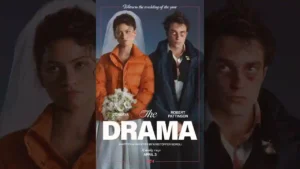
Choose The Drama for originality and cinematography.
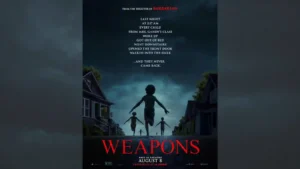
Choose Weapons for audience appeal.
Why these recommendations?
The Drama
Where It Has the Edge
originality is 4.9 vs 4.0. Originality is a strong point. Even mixed or negative reactions often acknowledge that the film takes unusual risks,...
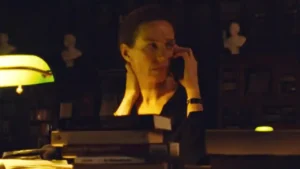
cinematography is 4.8 vs 4.1. Cinematography is a clear strength, praised for attractive compositions, increasingly dark imagery, and visual control that mirrors the...
drama quality is 4.5 vs 4.0. When judged as drama, the film’s relationship crisis and psychological pressure are often compelling. The stronger dramatic passages...
Weapons
Where It Has the Edge
audience appeal is 4.0 vs 3.2. Crowd reactions and shared surprise are part of the appeal, especially when the finale turns theatrical and funny.
The Drama3.8 overall score
Weapons4.0 overall score
Compare features
Scores are out of 5. Missing scores mean missing review evidence, not a missing feature.
Scored on both products
Other features
Dialogue quality
The Drama
4.5
The dialogue earns clear praise where it is directly discussed, especially for sharp comedy and high-quality exchanges that help social situations unravel.
Weapons
2.0
The film’s dialogue gets a pointed complaint for slowing the first half with dull exchanges.
Story quality
The Drama
2.5
The central story draws some viewers in with its provocative setup, but others find the narrative thin, confused, or unable to support the weight of its premise.
Weapons
4.0
The missing children premise and intersecting points of view keep the mystery absorbing. A few find the larger story thinner than its hook.
Screenplay quality
The Drama
3.0
The screenplay is sharply divisive: some admire its nerve, structure, and dark-comedy setup, while others find the writing shallow, underdeveloped, or unable to interrogate its charged ideas.
Weapons
4.2
The screenplay’s chapter design and measured reveals are widely admired; a few find the construction cleverer than its answers.
Character development
The Drama
2.5
Character depth is a recurring weakness, especially for Emma and the couple’s inner life. Strong performances often make the characters feel fuller than the screenplay actually writes them.
Weapons
3.5
The flawed teacher, grieving father, and peripheral townspeople give the mystery human texture. Some think the chapter format leaves several roles thin.
Makeup quality
The Drama
4.0
The younger Emma’s edgy styling and makeup are viewed as effectively supporting the depiction of her teenage spiral, even when the look is intentionally exaggerated.
Weapons
5.0
The makeup adds an eerie edge to the film’s most memorable presence.
Realism
The Drama
3.0
Realism is mixed: some find the emotional reactions recognizable and grounded, while others think the characters, premise, or escalating behavior strain credibility too far.
Weapons
4.0
Grounded reactions and imperfect people help the supernatural events feel closer to everyday life.
Plot originality
The Drama
3.1
The premise is widely seen as bold and unusual, yet reactions split on whether that provocation feels genuinely fresh or more like a thin conceit stretched too far.
Weapons
4.0
The chapter structure and unusual turns feel fresh to many viewers, though some see familiar horror machinery beneath the puzzle.
Originality
The Drama
4.9
Originality is a strong point. Even mixed or negative reactions often acknowledge that the film takes unusual risks, combines genres in an uncommon way, and feels unlike safer mainstream releases.
Weapons
4.0
The premise and unpredictable route through it feel unusually fresh, even to viewers who recognize some familiar genre pieces.
Emotional impact
The Drama
3.9
The film leaves a strong emotional impression on many viewers through anxiety, discomfort, sadness, and empathy. Even positive reactions often describe the experience as draining rather than comforting.
Weapons
3.3
The loss and suspicion land hard for some viewers, but others feel the film’s emotional depth fades behind its puzzle and mayhem.
Cinematography
The Drama
4.8
Cinematography is a clear strength, praised for attractive compositions, increasingly dark imagery, and visual control that mirrors the relationship’s deterioration.
Weapons
4.1
Tracking shots, deep shadows, and ominous framing make the familiar neighborhood feel threatening.
Drama quality
The Drama
4.5
When judged as drama, the film’s relationship crisis and psychological pressure are often compelling. The stronger dramatic passages are credited with giving weight to an otherwise heightened dark-comedy premise.
Weapons
4.0
The child disappearances and townwide suspicion give the horror a credible dramatic pull.
Runtime
The Drama
2.5
Runtime and length draw mixed-to-negative reactions. Some find the 106-minute film becomes exhausting or elongated despite its modest length, especially once the central conflict starts repeating.
Weapons
3.0
The long runtime feels justified to some by the layered mystery; others think repeated chapters could be trimmed.
Tonal consistency
The Drama
3.8
The tonal blend of romance, anxiety, tragedy, and dark comedy impresses many viewers for its daring balance. Others find the shifts jarring, baffling, or unable to sustain a consistent emotional register.
Weapons
4.3
The film pivots between grief, dread, and absurd comedy with confidence for many, though the shift can feel jarring.
Genre satisfaction
The Drama
3.9
As a genre piece, the film works best for viewers receptive to pitch-black rom-com and squirm-comedy territory. Some reject the dark-comedy label entirely, but others see the genre collision as one of its biggest strengths.
Weapons
4.3
Horror fans praise its mix of dread, gore, and absurd humor, while a few want steadier scares or deeper answers.
Directing quality
The Drama
4.1
Borgli’s direction is often praised for precision, discomfort, visual control, and escalating anxiety. The strongest criticism is that the filmmaking can become self-conscious or more interested in provocation than insight.
Weapons
4.5
Cregger’s control of viewpoint, staging, and abrupt tonal turns impresses many, even when the plotting divides them.
Theme depth
The Drama
3.8
The themes of empathy, judgment, forgiveness, love, and moral hypocrisy generate substantial discussion. The main divide is whether the film explores those ideas deeply enough or merely raises them and moves on.
Weapons
3.5
Images of missing children invite readings about grief, scapegoating, and violence. Some find those ideas suggestive rather than fully developed.
Ending satisfaction
The Drama
3.5
The ending is one of the sharper dividing points. Several viewers praise the final scene or bittersweet landing, while others call the reconciliation predictable, unearned, or emotionally weak.
Weapons
3.8
The wild, darkly comic climax is a major payoff for many. Others find its resolution unearned or less emotionally satisfying than the setup.
Chemistry between characters
The Drama
4.2
Zendaya and Pattinson’s chemistry is frequently praised as believable, easy, and essential to selling the relationship before it fractures. A minority feel the script gives the romance too little substance for that chemistry to fully pay off.
Weapons
4.5
The volatile connections among the townspeople help the overlapping stories feel more alive.
Editing quality
The Drama
4.5
Editing is among the film’s strongest consensus positives. Rapid cuts, flashbacks, fantasies, and time shifts are often praised for creating tension and comedy, though a few find the technique overused.
Weapons
4.3
The editing makes overlapping chapters legible and lets individual scenes simmer before they collide.
Pacing
The Drama
3.4
Pacing is uneven across the film: some find the escalating wedding-week spiral tightly calibrated, while others feel the middle drags or the movie becomes overextended.
Weapons
3.1
The patient buildup gives the mystery room to breathe, but repeated perspectives and slower chapters test some viewers’ patience.
Plot clarity
The Drama
2.3
The fractured chronology and imagined scenes can muddy what is actually happening. Some viewers found the flashbacks and jumps more confusing than clarifying.
Weapons
2.0
The delayed answers reward some viewers, while others question the logic or clarity of the eventual explanation.
Suspense
The Drama
4.4
Suspense is a notable strength when the wedding preparations turn psychologically tense. Editing, sound, and performance make ordinary situations feel increasingly ominous and unstable.
Weapons
4.1
Suspense grows through withheld information, shifting viewpoints, and the threat of something just outside the frame.
Humor
The Drama
3.9
The dark comedy lands very well for many viewers, especially the wedding-photo, speech, and social-discomfort sequences. Others barely laugh at all or feel the subject matter makes the humor abrasive or tasteless.
Weapons
4.2
The macabre comedy frequently releases tension without erasing the dread, though its broad final turn will not suit everyone.
Score quality
The Drama
4.6
Daniel Pemberton’s score is a standout technical element, frequently praised for its anxious, prickly, off-kilter quality and its ability to intensify otherwise ordinary scenes.
Weapons
4.4
The score underlines dread with abrasive textures, while quieter stretches leave room for the images to work.
Ownership and support
Rewatch value
The Drama
4.0
One viewer specifically found the film worth revisiting and owning, suggesting its provocative construction and performances can reward another watch.
Weapons
2.0
The film’s planted clues and shifting viewpoints invite another viewing, though one critic doubts the surprise will hold up.
Entertainment value
The Drama
3.9
Entertainment value is highly audience-dependent but often strong: many find the movie engrossing, funny, and impossible to ignore, while others are bored, frustrated, or eager for it to end.
Weapons
4.0
Many find the film a lively, unpredictable theater experience, with its black humor and shocks carrying them through the slower stretches.
Performance
Supporting cast performance
The Drama
3.8
The supporting cast is generally strong, with Alana Haim and several smaller roles frequently landing laughs or tension. A few viewers find some supporting characters irritating or one-note even when the performances work.
Weapons
4.8
The supporting players add offbeat energy and pathos to the expanding town mystery.
Soundtrack quality
The Drama
4.5
The soundtrack is praised for helping the opening draw viewers into the story and for working alongside voice-over and structure to establish the film’s uneasy mood.
Weapons
4.0
A pointed needle drop gives the opening disappearance an eerie, strangely dreamy quality.
Lead performance
The Drama
4.6
Zendaya and Robert Pattinson receive consistently strong marks, with Pattinson’s anxious unraveling and Zendaya’s quieter emotional control repeatedly singled out as reasons the film works.
Weapons
5.0
The central performers help anchor the shifting viewpoints and keep the disappearance personal.
Acting performance
The Drama
4.4
The ensemble is one of the movie’s safest strengths. Even skeptical viewers often credit the cast with elevating thin or difficult material through committed, expressive performances.
Weapons
4.5
The ensemble earns broad praise for making frightened, compromised characters feel vivid, with a few performances standing out even in brief chapters.
Controls and connectivity
Audience appeal
The Drama
3.2
Audience appeal is intentionally narrow and polarizing. Viewers who enjoy discomfort, ambiguity, and provocative dark comedy may be energized, while others are likely to feel repelled or alienated.
Weapons
4.0
Crowd reactions and shared surprise are part of the appeal, especially when the finale turns theatrical and funny.
Comfort and build
Visual style
The Drama
3.8
The visual style is polished and often striking, using clean compositions, flashbacks, fantasies, and heightened imagery to externalize anxiety. Some find that slickness sterile or overly mannered.
Weapons
4.0
The running children and other stark images linger, while the visual language shifts with each viewpoint.
Sound design
The Drama
4.3
Sound design repeatedly heightens the film’s anxiety, from muffled perspective shifts to intrusive cues that make ordinary moments feel threatening. It is one of the more consistently praised technical elements.
Weapons
4.3
Layered sound effects and quiet spaces sharpen the tension before violent or comic releases.
Evidence available for one product
Other features
4K video quality
The DramaNo score yet
Weapons
5.0
The 4K UHD image draws praise for deep blacks, clear detail, and effective HDR in the film’s dark interiors.
Action sequences
The DramaNo score yet
Weapons
4.0
A few set pieces draw praise for their sharp staging and sudden escalation.
Cultural representation
The Drama
2.2
The film’s racial and gender context is a major criticism. Multiple reviewers argue that making Emma a Black woman heightens the premise while the screenplay fails to meaningfully examine what that identity changes.
WeaponsNo score yet
Message quality
The Drama
3.2
The message about empathy, forgiveness, and accepting a partner’s past resonates with some viewers. Others find the moral argument muddled, underdeveloped, or compromised by the film’s handling of its central subject.
WeaponsNo score yet
Romance quality
The Drama
3.4
The romance works best when the leads’ chemistry and small moments of affection stay in focus. Some viewers buy the messy love story and final reconciliation, while others never believe the relationship has enough depth.
WeaponsNo score yet
Scares
The DramaNo score yet
Weapons
3.9
The film alternates jump scares, creeping dread, and startling violence. Some find the mystery more gripping than frightening throughout.
Controls and connectivity
Age appropriateness
The Drama
1.3
The handling of school-shooting trauma is especially troubling for some younger viewers, who describe the film’s comic treatment as careless rather than provocative.
WeaponsNo score yet
Performance
Atmos audio quality
The DramaNo score yet
Weapons
5.0
The Dolby Atmos mix uses enveloping effects and forceful bass to make the film’s uneasy spaces feel active.
Marketing accuracy
The DramaNo score yet
Weapons
2.0
The secretive campaign raised expectations for a colder nightmare than one critic felt the finished film delivered.
Comfort and build
Costume design
The DramaNo score yet
Weapons
4.5
Costume choices add to the film’s uncanny, exaggerated character design.
World-building
The DramaNo score yet
Weapons
4.0
The ordinary suburban setting becomes unsettling as neighbors turn suspicious and familiar streets feel unsafe.
Best for pristine archival footage, immersive sound, and a surprisingly tense look at Disneyland’s construction. Skip it if you want a comprehensive, deeply critical history; several reviewers found the 78–79-minute...
Best for an intimate, inventive archival portrait with strong emotional and cultural impact. Skip it if substantial nudity or an occasionally wandering biographical structure will frustrate you.
Pros: chemistry between characters, emotional impact
Best for an audacious, text-driven conspiracy thriller with gorgeous 16mm atmosphere and mounting dread. Skip it if long stretches of reading, deliberate repetition, and an intentionally austere narrative sound more...
Best for slow-burn suspense, iconic synth music, and shadow-soaked filmmaking that still feels influential. Skip it if you need fast pacing, polished sound, consistently natural dialogue, or modern gore-heavy kills.
Pros: chemistry between characters, directing quality