Scorata scores summarize analyzed review evidence on a 1–5 scale; they are not laboratory measurements or a simple average of customer star ratings. Feature scores summarize the reviews covering that feature. The overall score averages feature scores within each review, then combines review averages. When both expert and customer evidence are available, those two groups receive equal weight. Products can have different review coverage, so small score gaps do not establish a winner.
Recommendations prioritize important features for the category, with a score of at least 3.5, a gap of at least 0.25 points and at least two supporting reviews per product. Features with widely varying scores or broad connectivity contexts are excluded from recommendations. These safeguards do not establish statistical significance.
Quick verdict
What each product is best for
The review evidence points to a tradeoff: critic appeal and suspense versus runtime and theme depth. Choose according to which strengths matter more to you; the overall score alone does not settle that choice.
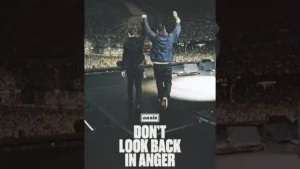
Choose Oasis: Don’t Look Back in Anger for critic appeal and suspense.
Choose Dear You for runtime and theme depth.
Why these recommendations?
Oasis: Don’t Look Back in Anger
Where It Has the Edge
critic appeal is 5.0 vs 3.8. Critical reception is presented as overwhelmingly positive, with the film repeatedly described as moving, nostalgic, and technically accomplished...
suspense is 4.8 vs 4.5. The rehearsal-room uncertainty and first Cardiff show retain real tension even though viewers know the tour succeeded, giving...
Dear You
Where It Has the Edge
runtime is 4.0 vs 2.5. The nearly two-hour length works for viewers who appreciate the patient character development, but others feel the film...
theme depth is 4.8 vs 4.3. The film draws substantial depth from migration, memory, female solidarity, sacrifice, kindness, and the way family history becomes...
ending satisfaction is 4.9 vs 4.5. The late emotional payoff is one of the film’s strongest areas, with the final meetings and revelations described...
Oasis: Don’t Look Back in Anger4.4 overall score
Dear You4.5 overall score
Compare features
Scores are out of 5. Missing scores mean missing review evidence, not a missing feature.
Scored on both products
Other features
Plot clarity
Oasis: Don’t Look Back in Anger
2.0
Dear You
4.0
Details and evidence for plot clarity
Oasis: Don’t Look Back in Anger
One recurring weakness is explanatory clarity: the film communicates the emotional result of the reunion far better than the practical reasons the brothers reconciled or the details of what changed.
The timeline handling improves as the film develops, and some find the transitions smooth and confident. Others say the rushed opening and abrupt early shifts can make the setup hard to track.
The two-hour length works for committed fans but draws criticism from casual viewers, especially when fan interviews repeat similar emotional beats. One reviewer felt the film could have been closer to 90 minutes.
The nearly two-hour length works for viewers who appreciate the patient character development, but others feel the film takes too long to reach its destination.
The written structure supports a clear forgiveness-and-reconciliation theme, but at least one critic finds the sermon material too scripted and heavy-handed.
The writing is praised for balancing identity, migration, intergenerational threads, and emotional themes with real subtlety at its best. Its weaker moments include one-dimensional antagonists, implausible selflessness, and occasional simplification.
The central reunion and fan story is often praised as moving, redemptive, and well constructed, but this is also the film’s biggest recurring weakness: many reviewers wanted far more about the 2009 split, the years apart, and the mechanics of reconciliation.
The core family story is overwhelmingly regarded as moving, compassionate, and compelling, with its qiaopi mystery opening into a broader portrait of love and migration. Even positive assessments acknowledge structural or historical simplifications.
The structure is praised for misdirecting expectations away from a conventional backstage exposé and toward a broader story about fandom, healing, and what the music means to people.
The story earns credit for steering away from an expected romantic triangle, though its intergenerational melodrama is also compared to a recent Thai hit with a similar emotional tenor.
Hidden cameras, unobtrusive rehearsal coverage, and genuine sibling interactions give the film a strong sense of authenticity. Reviewers often respond to moments that feel unguarded rather than staged.
Natural performances, dialect use, archival grounding, and lived-in settings create strong authenticity. That realism is weakened for some by saint-like characterization, implausible plot turns, or historical omissions.
Liam and Noel’s humor is a consistent strength, from caustic one-liners to Mick Jagger jokes and relaxed sibling banter that repeatedly breaks through the sentiment.
The film’s unusually soft, peace-and-love tone is a deliberate break from Oasis’s combative image. One critic finds that coziness a little strange, even while acknowledging the brothers’ familiar wit.
The warm blend of hope, sadness, humor, and tenderness often works beautifully, but several writers feel the modern comedy, heavy score, or occasional melodrama clashes with the film’s otherwise restrained historical sections.
The strongest dramatic material comes from the uncertainty around the brothers’ first rehearsals and opening show, where even a known outcome still feels tense and high-stakes.
The family melodrama is generally considered moving and effective, especially in its later emotional turns. Several writers nevertheless feel the third act or sentiment occasionally becomes too heavy.
Pacing is one of the more divided areas. Some find the film light, propulsive, and never boring, while others say repeated fan stories and post-Cardiff concert patterns make the middle and later sections drag.
Pacing is one of the most divided areas: some enjoy the patient, unhurried build, while others find the opening rushed, transitions abrupt, or the nearly two-hour journey slow to hit its stride.
Editing is often praised as subtle, snappy, and effective at moving between eras, cities, performers, and fans. Some reviewers push back when the cut leans too heavily on crying crowds or makes later concerts feel repetitive.
The brothers’ gradual softening toward each other is one of the film’s most affecting arcs, moving from awkward rehearsals to visible affection and a joint interview.
The women, especially Sogriu and Lamgi, are often praised as resilient, empathetic, and fully realized, while Bhagseng also gains depth over time. A recurring counterpoint is that some characters can feel saintly, underdeveloped, or implausibly selfless.
The film finds depth in music as community, escape, memory, healing, and intergenerational connection. Several reviewers see those ideas as more important than the mechanics of the Gallagher feud itself.
The film draws substantial depth from migration, memory, female solidarity, sacrifice, kindness, and the way family history becomes myth. Its strongest passages turn culturally specific experience into a broader reflection on connection.
The closing stretch is generally satisfying because it leaves the brothers visibly closer and the audience on a high, although one reviewer would have preferred the title song as the final musical statement.
The late emotional payoff is one of the film’s strongest areas, with the final meetings and revelations described as devastating, graceful, bittersweet, and memorable.
The rehearsal-room uncertainty and first Cardiff show retain real tension even though viewers know the tour succeeded, giving the early film an unusually strong sense of jeopardy for a concert documentary.
The mystery of who sent the letters and the multiple points where communication can fail create unusually effective dramatic tension for a quiet family drama.
As a concert film and rock documentary, the film earns very strong marks for spectacle, music, and feeling. The main genre-level criticism is that it sometimes behaves more like a celebratory tour film than a probing documentary.
As a family melodrama, it largely succeeds through sincerity, tragedy, and warmth. Its familiar emotional formula works for most writers even when the sentiment is judged slightly overdone.
The documentary does not reinvent the concert-film form for everyone, but several reviewers praise its fan-centered focus, blend of backstage intimacy and spectacle, and refusal to follow a standard rock-doc formula.
The Teochew-language approach, qiaopi-centered premise, and unconventional emotional structure give the film a distinctive identity even within a familiar family-drama framework.
Emotional response is the clearest consensus strength: critics describe tears, goosebumps, catharsis, euphoria, and a powerful sense of communal release throughout the film.
This is the clearest point of agreement: the film repeatedly brings viewers close to tears or fully to tears, with the final stretch described as devastating, heartbreaking, and deeply compassionate.
The documentary is praised for showing Oasis as a working-class Manchester phenomenon that now reaches across ages, nationalities, and generations, while also touching on the band’s Irish roots.
Its Teochew language, qiaopi tradition, and migrant history are widely treated as the film’s defining strengths, giving it identity, authenticity, and emotional specificity. One critique objects to simplified portrayals of Thai and Indian characters and nationalistic undertones.
Will Lovelace and Dylan Southern are widely praised for translating the reunion tour into an immersive cinema experience while keeping the brothers’ reconciliation and fan stories emotionally legible.
Lan Hongchun is mostly praised for patient, emotionally controlled direction that trusts small moments rather than spectacle. Even the more critical take still credits his melodramatic execution while finding parts overdone.
The film’s message of forgiveness, reconciliation, collective joy, and music as a unifying force resonates strongly with most reviewers. A few find the religious framing and brotherly-love emphasis overly sentimental or too neatly packaged.
The film’s emphasis on family duty, kindness, loyalty, sacrifice, memory, and connection across distance is widely admired. A minority view finds the moral framing too explicit or politically nationalistic.
Details and evidence for chemistry between characters
Oasis: Don’t Look Back in Anger
Liam and Noel’s revived chemistry is a major pleasure: reviewers highlight their comic timing, mutual respect, and the sense that their old sibling rapport has returned in a gentler form.
Reviewers repeatedly praise the concert photography for balancing stadium scale with intimate faces, using close-ups and huge crowd shots to make the reunion feel both massive and personal.
The Oasis songs remain the film’s engine, repeatedly described as thrilling, thunderous, timeless, and powerful live. The only notable complaint is that one reviewer wanted more complete performances instead of abbreviated songs.
Music selection gets mixed reactions: one period-incongruous song is called distracting and out of place, while another writer simply finds the music fitting.
The supporting ensemble is generally praised for adding warmth, flavor, and emotional continuity, especially Usha Seamkhum’s brief older-role work. One review finds some smaller performances uneven.
The central performances are a major strength, with Li Sitong repeatedly singled out for quiet expressiveness and emotional weight and the older female performances also drawing strong praise.
Critical reception is presented as overwhelmingly positive, with the film repeatedly described as moving, nostalgic, and technically accomplished even when critics want more depth.
The film arrived with festival acclaim, but one assessment notes that reactions from non-Chinese critics have been more measured than its strongest audience response.
The film lands most strongly with Oasis devotees and reunion-tour attendees, but several critics say its crowd energy can also win over agnostics. A minority warn that non-fans and casual listeners may tire of the sentiment, repetition, or long setlist.
The film has unusually strong emotional resonance with Chinese and Teochew diaspora audiences while several writers also find its family themes broadly accessible. One assessment cautions that its cultural and national framing may narrow appeal for some non-Chinese viewers.
The visual approach favors large-format spectacle, expressive crowd imagery, and polished concert photography. Most reviewers love the scale, though one critic thinks the slickness sometimes tips into corporate polish.
The film’s warm palette, vivid color, soft period lighting, and simple but elegant compositions are repeatedly praised, especially given the modest budget.
Most reviewers find the film highly entertaining, especially in a theater, thanks to the music, humor, scale, and crowd energy. Even several mixed reviews still describe it as exciting or enjoyable.
Despite its quiet scale, the film is described as charming, fascinating, easy to watch, and rewarding entertainment rather than a dry historical exercise.
Fans are repeatedly told they will want to relive the reunion, and some expect superfans to return multiple times to catch details or re-experience the concert euphoria.
One critic’s appreciation rose substantially on a second viewing, suggesting the film’s emotional distance and historical detail can reward revisiting.
The largely non-professional ensemble is repeatedly praised for natural, lived-in work that suits the Teochew setting. The main caveat is some unevenness in smaller roles.
Views are mixed: some see a credible, well-grounded entry point into Teochew migration history, while others criticize the film for glossing over political consequences and omitting major events from the era.
Archival material is used to bridge the 2009 breakup and the 2025 reunion, with reviewers praising the way old and new footage is blended into the film’s larger emotional timeline.
The first joint Liam-Noel interview in decades is frequently praised as funny, warm, candid, or moving. The recurring complaint is that the film does not push the brothers hard enough on how the feud ended or why the reunion happened.
One review explicitly treats the brothers’ heavy profanity as part of the fun, finding their foul-mouthed irreverence hilariously entertaining rather than distracting.
The love story is praised for enduring separation and distance, with devotion expressed through letters and long-term sacrifice rather than conventional romance.
The score is the most repeated craft complaint: several writers call it maudlin, treacly, manipulative, or too eager to tell viewers when to cry. A few still find it effective in parts.
The period environments are consistently praised as lived-in and evocative, with boarding houses, classrooms, and Bangkok streets giving the modest production convincing texture.
The sound is one of the film’s biggest technical strengths: reviewers praise the live mix, roaring guitars, stadium-scale impact, and IMAX/Dolby immersion. Even mixed reviews agree that a loud theater suits it.
The boarding houses, classrooms, and crowded Bangkok streets are described as worn, cluttered, and occupied, giving the period migrant community a convincing lived-in presence.