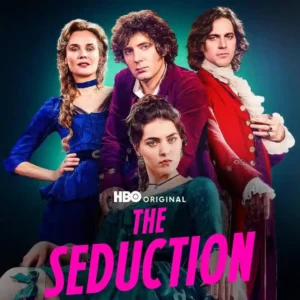

The Seduction
Where It Has the Edge
- sexual content level is 4.6 vs 2.0. The series is very explicit, but the strongest reactions say the sex is purposeful, strategic, and rarely gratuitous....

Scorata scores summarize analyzed review evidence on a 1–5 scale; they are not laboratory measurements or a simple average of customer star ratings. Feature scores summarize the reviews covering that feature. The overall score averages feature scores within each review, then combines review averages. When both expert and customer evidence are available, those two groups receive equal weight. Products can have different review coverage, so small score gaps do not establish a winner.
Recommendations prioritize important features for the category, with a score of at least 3.5, a gap of at least 0.25 points and at least two supporting reviews per product. Features with widely varying scores or broad connectivity contexts are excluded from recommendations. These safeguards do not establish statistical significance.
Quick verdict
The review evidence points to a tradeoff: sexual content level versus finale satisfaction and supporting cast performance. Choose according to which strengths matter more to you; the overall score alone does not settle that choice.
Choose The Seduction for sexual content level.
Choose East of Eden for finale satisfaction and supporting cast performance.
Scores are out of 5. Missing scores mean missing review evidence, not a missing feature.
The elegant, suffocating tone is praised for matching a story about intimacy, control, and hidden motives.
The somber mood is sustained with confidence but can become exhausting. Viewers who connect with the material find the darkness purposeful; others describe it as depressing or disturbing.
The series is very explicit, but the strongest reactions say the sex is purposeful, strategic, and rarely gratuitous. For its target erotic-period-drama audience, the level of sensuality is generally considered a feature rather than a flaw.
Sex and nudity are frequent and sometimes graphic, with brothel material and kink adding to the adult tone. Several viewers find the level excessive or uncomfortable rather than merely mature.
One highly positive assessment praises how secondary-character threads tighten episode by episode, giving the season a deliberate web-like structure.
The premiere’s flashback construction works for some as an effective hook but feels like a familiar streaming-device shortcut to others. Structural reactions are limited and mildly mixed.
Erotic-period-drama fans have plenty to enjoy in the intrigue, kink, and visual polish. Those wanting a sharper thriller, a soapier romance, or deeper narrative substance may be less satisfied.
As a sweeping family saga and prestige period drama, the series works very well for viewers who enjoy melodrama, moral conflict, and generational storytelling.
The ending is less harshly realistic than the source material, but it stops short of becoming a pure wish-fulfillment fantasy.
The best character work makes contradictory people feel psychologically believable rather than schematic. That human complexity helps the adaptation’s allegorical material feel lived rather than purely symbolic.
The screenplay draws opposite reactions: one take praises an airtight, fast-moving narrative, while another argues that a movie-sized script has been stretched across six episodes.
The scripts are praised for emotional weight, thematic ambition, and strong character scenes, even when some viewers think the adaptation overexplains its ideas.
The series can create palpable stakes and psychological tension, but not consistently. Some viewers are pulled into its slow trap, while others wait in vain for the thriller to reach edge-of-the-seat intensity.
The series can create tension from conversation alone, with emotionally loaded domestic scenes carrying more suspense than conventional action set pieces.
Binge appeal is sharply split. One take calls it compulsively watchable and another praises its pull, while a much harsher assessment says the six-episode run tests patience.
Despite its deliberate pace, the series can be highly absorbing once its character dynamics take hold. Some viewers described long stretches of continuous, immersive watching.
This is deliberately a loose, modernized reimagining rather than a strict adaptation. That freedom is part of its appeal for some viewers, but source purists may object to the substantial changes in character histories, tone, and ending.
The series is broadly credited with restoring far more of Steinbeck’s multigenerational scope than the 1955 film. Debate centers on whether modernizing Cathy and trimming the Hamilton family preserves or dilutes the novel’s spirit.
The ending lets consequences land through loss, regret, and damaged relationships rather than simple punishment. That softer reckoning still fits the adaptation’s moral outlook.
The series earns especially strong marks for pairing compassion with consequences, particularly in Cathy’s story. It explains damaging behavior without treating trauma as automatic absolution.
The central figures are intentionally difficult company: selfish, manipulative, and often cruel. That moral ugliness suits the premise but can make emotional investment harder.
Cathy is often difficult to sympathize with, but that discomfort is part of her appeal. She can be repellent without becoming dull, remaining one of the show’s most compelling presences.
The editing is a notable weakness in the harshest assessment, which argues that too many unnecessary scenes remain and should have been cut.
One strongly negative review calls the editing uninspired, while the premiere recap singles out a montage as an episode highlight. The limited feedback is mixed rather than conclusive.
Six episodes still feel too long to several critics. Repeated complaints suggest the material might have been tighter as four episodes or even a feature-length story.
Seven episodes restore much more of the novel than a feature film can, yet some sources still find the format too short for the full cast and generational sweep.
The story is criticized for giving Isabelle far more emotional weight than the people around her. Some supporting figures can feel interchangeable, underwritten, or like they are merely filling space.
This is one of the most consistent caveats. Cathy and Lee often dominate attention, while Charles, Aron, the Hamiltons, and parts of the later generation can feel compressed or underexplored.
Direction earns strong praise for keeping complicated deceptions coherent and for making the intimate material visually purposeful rather than merely explicit.
The direction is usually praised for balancing intimate character work with sweeping period scale. A smaller group finds the staging earthbound or overly somber, especially when paired with dark visuals.
The French setting, aristocratic behavior, and overall period detail are usually praised as convincing and immersive. The largest exception is costume accuracy, where one specialist critique finds the styling heavily modernized and historically messy.
The changing world—from rural interiors and clothing to technology and landscape—usually feels immersive and specific. The production convincingly conveys decades of social and material change.
Writing reactions are mixed. Some praise sharp dialogue and forward motion, while the harshest critique blames weak writing and stretched plotting for the season’s boredom.
The strongest writing is praised as poetic, emotionally intelligent, and capable of handling large moral ideas through character. Critics of the adaptation object mainly to over-explanation and the narrowed focus on Cathy.
The ending is generally one of the better-received parts of the season. It brings major threads together, lands its emotional reversals, and feels satisfying enough even when it softens or rewrites the source material.
The ending is one of the most consistently praised payoffs. Its final articulation of choice, guilt, and mercy gives the long family saga an emotionally resonant close.
The female-centered reframing of sex, power, and social freedom is one of the show’s defining ideas. Many find the approach fresh and incisive, though some think the empowerment message becomes blunt or undermined by the characters’ lack of agency.
The modern emphasis on Cathy’s agency, trauma, and gendered constraints is the adaptation’s most divisive creative choice. Some see it as vital and humane; others think it softens or overexplains Steinbeck’s conception.
The photography is a major strength, with repeated praise for cinematic framing, exquisite lighting, and lush period imagery. Even negative assessments of the story tend to admire how the series looks.
Most reactions praise the sweeping landscapes, painterly vistas, and period framing, but a minority finds the image too murky or visually flat. Lighting is the clearest point of disagreement.
Sex, power, manipulation, gender, and the cost of freedom give the series substantial thematic ambition. Many find those ideas compelling, though some think the show states them too bluntly or fails to give them enough narrative substance.
Free will, inherited trauma, good and evil, shame, and responsibility are treated as the story’s core rather than decorative ideas. Most sources find that philosophical layer substantial, even when it occasionally becomes too explicit.
The web of vendettas and shifting alliances produces rich, intimate drama, especially during the stronger buildup.
At its best, the family conflict is dramatically riveting, with moral arguments and intimate confrontations carrying real weight. The production rarely needs action to create tension.
The opening episode creates strong interest and clearly establishes Isabelle’s dilemma, though some motivations remain vague. Later pacing problems make the first episode look stronger in retrospect.
The first episode is visually striking and emotionally effective, though its flashback-heavy structure can feel familiar. Even slower reactions still see the premiere as a strong foundation.
As the miniseries conclusion, the finale works well as a deliberate rewrite of the familiar Dangerous Liaisons outcome while still preserving recognizable emotional and narrative beats.
The limited-series ending is a major strength, giving the long family story a focused emotional and thematic payoff.
Gercourt is a memorable villain figure, with Lucas Bravo praised for making him charming, malevolent, and vividly dark rather than one-note.
Cathy works as a compelling central antagonist/antihero precisely because she remains morally troubling while still magnetic to watch.
The French-language presentation is mostly treated as a strength that enriches the setting and story. Subtitle-averse viewers may find it less accessible, but the native-language choice is otherwise warmly received.
Lee’s expanded Chinese American perspective is one of the adaptation’s most valued additions. His code-switching, racism-related experiences, and autonomy broaden the story beyond the Trask household.
Pacing is the most repeated structural concern. Several accounts say the middle becomes circular, repetitive, or draggy, although a more enthusiastic take finds the narrative fast and airtight.
The season’s shape is uneven for some viewers: early sections can breathe slowly while later generations arrive in compressed fashion. Others find that contrast acceptable for the story’s scope.
The story earns genuine praise for its fresh origin angle, thematic ambition, and strong ending, but the middle often loses momentum. Repetition, thin supporting characters, and uneven substance keep the overall story response mixed.
Most sources see an ambitious, absorbing, emotionally rich saga, though a handful reject the Cathy-centered interpretation or find the whole experience tedious. The overall consensus is strongly positive but not unanimous.
Emotional response varies widely. The strongest takes find the late-season stakes and ending resonant, while others struggle to connect with characters or feel much pull from their schemes.
The series frequently lands as wrenching, moving, or deeply affecting, especially around family loss and the finale. Compression weakens that impact for a few detractors, but the dominant response is emotional engagement.
Performances are one of the clearest strengths, with the ensemble repeatedly described as engaging, captivating, and unusually strong. Even harsher takes on the story generally separate the acting from the writing problems.
The ensemble is one of the clearest strengths, with multiple sources describing the cast as excellent, layered, or career-best. Even dissenting takes tend to reserve praise for at least several performers.
The final episode is strongly received for resolving long-running questions, bringing narrative threads together, and landing its major reversal without feeling cheap.
The finale gives the series the emotional punch its long build needs, especially through the final treatment of timshel and Cal’s guilt.
Individual episodes can feel uneven: some payoff scenes are rushed while at least one action sequence lingers too long. A more positive take says the episodes still avoid feeling pointless.
The deliberate pace works beautifully for some viewers because it lets the generational story breathe. Others find the opening or middle episodes slow, while a few think later material moves too quickly.
Isabelle’s transformation is often praised as believable, magnetic, and morally complex, but the supporting cast draws much weaker reactions. Several critics say other characters lack dimension or that some developments arrive too abruptly.
Cathy and Lee gain substantial texture in this version, but the added focus can come at the expense of other characters. Charles and Aron are frequent examples of arcs that feel abbreviated.
Chemistry is a standout, especially around Isabelle, Rosemonde, and Valmont. The central pairings are described as dynamite, intoxicating, and compelling enough to elevate the material.
The brother dynamic and broader ensemble interplay land strongly, especially when Abbott and Faist share the screen. Emotional and lighter exchanges benefit from performers who play naturally off one another.
The dialogue is praised as beautiful and poetic, with an intentionally formal musicality that helps evoke the period world.
The strongest dialogue is poetic, emotionally precise, and capable of carrying large ideas without always turning into a lecture. The Lee-Hamilton conversations and Charles’s letter are recurring highlights.
The late use of “Hallelujah” divides opinion: it can feel familiar and overplayed, yet other reactions find the modern melancholy surprisingly fitting and effective in the finale.
Music reactions split sharply: one negative review finds it forgettable, while other coverage praises the score’s emotional presence. The broader scoring leans positive because Karpman’s work earns repeated praise elsewhere.
Supporting performances are generally well regarded even when the characters are underwritten. Abita, Kircher, and others are credited with doing more than the material sometimes gives them.
Hoon Lee is the standout supporting performer across the coverage, with strong notices also going to Ciarán Hinds, Martha Plimpton, Joseph Zada, and others. The ensemble depth is a major asset.
The leads are a major selling point, with Vartolomei, Kruger, Bravo, and Lacoste repeatedly singled out. Kruger and Vartolomei draw especially consistent praise.
Florence Pugh dominates the praise, with Christopher Abbott and Mike Faist receiving more varied but often strong notices. The leads give the dense material much of its urgency and emotional weight.
Sound is singled out alongside the visuals as unusually rich, helping the decadent aristocratic setting feel polished and immersive.
The only direct assessment calls the sound design functional. It does its job without emerging as a major strength.
The visual presentation is among the show’s strongest and most consistent qualities: lush, cinematic, opulent, and carefully lit. Even the costume skeptic concedes the camera often minimizes the most distracting styling choices.
The series is often described as cinematic, painterly, and beautiful, but not everyone agrees: dark lighting and a dreary palette are recurring criticisms. The visual consensus is positive with a clear minority objection.
Most reactions praise the lush, opulent costuming as part of the show’s visual appeal. One costume-focused critique strongly objects to the historical shortcuts and mishmash of styles.
The period wardrobe is widely admired for richness without showiness, especially Cathy’s evolving clothes. One negative take found the costumes merely adequate, but the overall response is strongly positive.
Production design is one of the most consistent strengths, from detailed rooms and salons to the broader sense of aristocratic wealth and decadence. The series often looks more assured than its narrative feels.
Sets and period spaces are usually praised as detailed, textured, and absorbing, though a few detractors find the world too clean or budget-conscious. The overall craft impression is strong.
The show’s world is praised for feeling elegant yet suffocating, a strong tonal fit for a story built around control, status, and seduction.
The changing turn-of-the-century environment feels immersive, with technology, landscapes, homes, and social pressures helping the decades-spanning story feel inhabited.
Critical enthusiasm is mixed rather than overwhelming. The strongest praise centers on craft and performances, while story substance, pacing, and faithfulness keep the overall reception more divided.
Critical reception within the supplied coverage is overwhelmingly favorable, with the series repeatedly described as accomplished and performance-driven. The praise centers most consistently on Pugh and Lee.
The series has clear appeal for viewers who enjoy erotic period intrigue, and its streaming popularity suggests a sizable audience. Its selfish characters, slower stretches, and less soap-romantic approach may narrow the fit for others.
The series strongly suits viewers who enjoy patient prestige drama, literary adaptation, and morally difficult characters. Its slow pace and bleakness make it less inviting for casual or fast-moving viewing.
Entertainment value depends heavily on tolerance for slow, repetitive stretches. Some call it a compulsive or genuinely fun watch, while others describe boredom and patience-testing padding.
Most sources find the series absorbing or compelling despite its weight, though a small minority finds it joyless or difficult to enjoy. Its appeal is strongest for viewers comfortable with slow, serious family drama.
The sword-fight material is a weak spot; one prominent duel is called overlong and unnecessary to the plot.
Several takes argue that the seven-part format justifies revisiting the material by restoring generational scope and reframing Cathy. The strongest praise sees the new version as a meaningful expansion rather than a redundant remake.
The large ensemble is generally viewed as unusually well chosen, with major roles feeling distinctive rather than crowded. Pugh, Abbott, Faist, and Lee are repeatedly singled out as especially effective fits.
At least one critical take finds Isabelle’s later changes too abrupt, describing them as heel-turns rather than properly developed arcs.
The adaptation’s handling of Cathy’s abuse and agency is one of its most debated choices. Supportive takes value the added context without excusing her actions, while critics think the reframing can distort moral emphasis.
This is firmly adult material rather than family viewing. Frequent sexual content, brothel settings, abuse, violence, and bleak moral themes make casual family watching a poor match.
The prequel links recognizable Dangerous Liaisons characters to a distinct origin story without simply repeating the familiar plot. Its best reactions praise that balance of connection and independence.
Humor is not a dominant mode, but Samuel’s warmth and dry wit provide welcome relief inside an otherwise heavy drama.
Aging makeup is one of the weaker craft elements. Pugh’s transformation works better for some than Abbott’s, and multiple takes find the passage of decades only partly convincing.
The knot of seductions and schemes is handled well in some accounts, especially as the finale gathers the threads. Other reactions find motivations hazy and the midseason narrative haphazard.
The origin-story angle and female-centered remix are widely praised as fresh, clever, and willing to depart from the usual adaptation template. Even mixed reactions generally recognize that it is trying to be its own version.
The final twist is praised for feeling earned rather than cheap or melodramatic, reinforcing the season’s ideas about control and manipulation.
The all-at-once release suits a story built around immersion and long-form accumulation. At least one binge viewer felt the format made the slow rhythm work better.
Laura Karpman’s score is often praised as lush, expressive, and integral to the period mood, but a few critics find the mournful strings overbearing. It is a noticeable, sometimes polarizing element.
Generational and sexual trauma are central to the adaptation’s reinterpretation of character. Many sources praise the nuance, while a minority argues that Cathy’s trauma framing changes the story’s moral architecture too much.
The violence can be bloody, abusive, and emotionally punishing, including beatings and self-harm imagery. Several sources treat that intensity as a serious viewing caveat.
The mature material is a poor fit for younger or family audiences. Graphic sexual situations, abuse, bloody violence, and bleak themes push it firmly toward adult viewing.
Martha Plimpton’s guest turn is a standout, with her Faye-centered material singled out as one of the darker, richer side stories.
The moral, literary, and historical ideas give the series considerable discussion value. Its treatment of free will, inheritance, family patterns, and social change can reward close viewing beyond simple plot consumption.
One highly positive viewer still had no desire to revisit the series because of its emotional heaviness. The experience can feel worthwhile without being easy to repeat.
Several sources object to promotion that suggests a conventional love triangle or a Cathy-only story. The finished series is broader and more generational than that framing implies.

Best for sharp adult humor, magnetic chemistry and a deeply satisfying farewell. Skip it if familiar will-they-won’t-they plotting or deliberately messy leads are dealbreakers.
Pros: season pacing, episode structure
Cons: none
Choose Season 15 for warm, character-driven comedy, meaningful growth, and a finale that rewards longtime fans. Skip it if the short binge format, uneven replacement voices, or occasional clumsy commentary...
Pros: episode structure, season finale quality
Cons: release schedule, bingeability

Choose The Pitt Season 2 for a gripping, realistic medical drama with superb acting and emotional depth. Skip it if graphic procedures, unresolved arcs, or slower character-driven pacing bother you.
Pros: episode structure, main cast performance
Cons: age appropriateness, plot clarity

Best for powerhouse performances, thorny character work, and a tense revenge mystery that grows richer as it goes. Skip it if abuse, trafficking, graphic violence, or deliberately messy moral questions...
Pros: episode structure, supporting cast performance
Cons: cinematography, sexual content level