
Football Manager 26
Where It Has the Edge
No clear scored advantage over the other product.

Scorata scores summarize analyzed review evidence on a 1–5 scale; they are not laboratory measurements or a simple average of customer star ratings. Feature scores summarize the reviews covering that feature. The overall score averages feature scores within each review, then combines review averages. When both expert and customer evidence are available, those two groups receive equal weight. Products can have different review coverage, so small score gaps do not establish a winner.
Recommendations prioritize important features for the category, with a score of at least 3.5, a gap of at least 0.25 points and at least two supporting reviews per product. Features with widely varying scores or broad connectivity contexts are excluded from recommendations. These safeguards do not establish statistical significance.
Quick verdict
The available evidence supports the recommendation below, but does not establish an overall winner. Check the remaining features against your priorities.
There is not enough comparable review evidence to recommend Football Manager 26 over the other product.
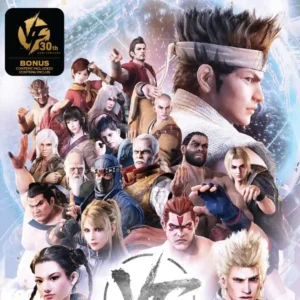
Choose Virtua Fighter 5 R.E.V.O. World Stage for polish and frame rate stability.
No clear scored advantage over the other product.
Scores are out of 5. Missing scores mean missing review evidence, not a missing feature.
Network play suffered from crashes, freezes and other severe problems, leaving multiplayer stability well below expectations in the reviews that tested it.
Rollback netcode is praised in most World Stage coverage for smooth, responsive matches, but a minority of PC and portable experiences report stutter, teleporting, disconnects, or unstable opponents.
The most consistent criticism is that FM26 shipped feeling unfinished, with missing quality-of-life features, rough UI behavior and technical problems giving it a beta-like quality.
The core fighting and modern ports feel refined after years of iteration, with reviewers repeatedly describing the mechanics and presentation as polished.
Frame-rate problems are particularly severe in some console and matchday reports, with choppy highlights, drops and even slideshow-like play. Other hardware fares better, so performance is inconsistent rather than universally poor.
A stable 60fps is a major strength across most tested platforms, including Switch 2 and Steam Deck, with only isolated PC-setting concerns.
Menu transitions and loading can feel noticeably slower than before, adding friction to a game built around moving rapidly through screens and data.
Match-to-match loading is quick on modern hardware, helping World Stage and repeated bouts maintain a snappy pace.
Opposition and player AI drew more criticism than praise: smarter pressing was noticed, but passive defending and weak tactical adaptation made some matches feel artificial.
World Stage’s player-inspired opponents are often praised for feeling more human and varied than ordinary CPU fighters, though several players still notice repetition or limits in higher-level adaptation.
The core Football Manager identity and tactical obsession are still recognizable, but missing features and the new interface make some longtime players feel that part of the series' old magic has been lost.
The update is repeatedly praised for preserving Virtua Fighter’s grounded, fundamentals-first identity while refining it for current platforms.
Veterans often need hours to unlearn years of muscle memory because familiar information has moved or been hidden. New-player guidance helps, but the redesigned workflow still makes basic navigation harder than it should be.
The three-button basics are approachable, but serious mastery is demanding and technical; players who invest the time generally find the learning process unusually rewarding.
The new tactical framework and Unity match engine provide a genuine foundation for the series' next era. The ambition is clear, though the surrounding regressions make this feel more like a promising rebuild than a fully realized revolution.
World Stage and modern online upgrades are useful refinements rather than a reinvention; longtime owners often see this as another careful evolution of a very old game.
Despite the frustrations, many reviewers still found FM26 enjoyable or outright addictive once they settled into a save. The strongest enjoyment comes from matches and tactical experimentation rather than navigating the surrounding interface.
Across skill levels, the fast matches and rewarding mind games are consistently described as highly enjoyable and easy to keep playing.
The separately sold in-game editor remains an unpopular extra charge, especially alongside concerns about the base game's value.
Locking Dural and portions of legacy customization behind paid DLC is consistently viewed as the package’s least fair design choice.
Matchdays feel livelier through improved stadium presentation, crowds, lighting and broadcast-style touches. Crowd reactions and audio are not universally convincing, but the on-pitch atmosphere is generally stronger.
The competitive arcade feel lands well for some players, but newer lighting choices can make certain scenes feel flatter than older versions.
The streamlined interface can work well for controller-driven and Steam Deck play, even though the same design compromises frustrate traditional desktop users.
Switch 2 and Steam Deck versions are widely considered strong portable options, with smooth performance outweighing some resolution, battery, or controller compromises.
The in-possession and out-of-possession tactical system is the standout success, giving managers more control over shapes, roles and transitions. Seeing those ideas play out in the new match engine makes tactical tinkering unusually rewarding.
Directional attacks, positioning, ring-outs, walls, and character-specific systems create a deep mechanical layer without relying on flashy meters or supers.
Tutorials are consistently praised as concise, detailed and useful, giving newcomers a strong route into a notoriously dense management sim.
Training is one of the package’s best support systems, with character-specific guidance, frame data, command practice, and battle concepts that help both beginners and serious competitors.
The familiar Football Manager loop remains intensely absorbing, with team building, long-term planning and match-to-match management still capable of consuming huge amounts of time.
Moving from fight to fight, ranking up, learning matchups, and chasing unlocks is highly addictive for players who enjoy pure fighting-game progression.
The Unity move delivers much smoother, more lifelike player movement and a wider range of actions. A few awkward or skating-like animations remain, but the overall jump is substantial.
Animations are widely praised as smooth, crisp, and readable in motion, with only a few comments that facial or legacy animation work still shows the game’s age.
FM26 is the best-looking Football Manager yet, with stronger lighting, stadium presentation and match visuals. It still trails modern action-focused football games and some reviewers wanted a bigger leap after the engine change.
The remaster often looks sharp and vibrant, especially at higher resolutions, but Switch 2 softness, ghosting, dated faces, and old assets keep the visuals from feeling uniformly current.
Women’s football and expanded licensing broaden the game meaningfully, but the loss of many legacy modes, analytical tools and quality-of-life features leaves the package feeling thinner in other areas.
World Stage meaningfully improves solo play, but opinions split sharply between those who enjoy its long challenge ladder and those who find the package repetitive, barebones, or short on story-driven variety.
Tutorials, contextual guidance and introductory systems are a clear strength, helping new managers understand the game's dense responsibilities without excessive hand-holding.
World Stage and expanded training tools form a strong bridge for newcomers, letting them learn safely before facing experienced online opponents.
Multiplayer was hit especially hard by bugs and crashes in the reports that tested it, making network saves far less dependable than the single-player experience.
Ranked, rooms, tournaments, spectating, and local versus provide a solid competitive framework, though missing casual matchmaking or awkward room-focused choices bother some players.
The redesigned UI is the clearest weakness, repeatedly described as clunky, unintuitive, slow or overly console-oriented. A minority appreciate its cleaner look or adapt to it, but the new layout routinely obstructs the management work players do most.
The interface draws mixed reactions: colorful menus and live match feeds are useful, but some players think the overall presentation has not evolved enough for a modern fighter.
Audio impressions are mixed: some reviewers noticed livelier, more dynamic matchdays, while others found crowd reactions soulless or disconnected from the action.
Hits generally retain satisfying impact, but several players call individual effects dated, weak, repetitive, or less iconic than the visuals and combat.
Full-price value is hard to justify for many reviewers because of the rough launch, missing features and proximity of a future entry. Discounts, Game Pass access and later patches make the proposition more reasonable for committed fans.
The budget base price is repeatedly praised as generous for the quality of the combat and modern feature set, though DLC and modest upgrades matter more for repeat buyers.
The unified interface produces very different platform experiences. Some console players find it natural and improved, while PC veterans often feel the design sacrifices mouse-and-keyboard efficiency and certain console builds struggled technically.
Platform support is mixed by context: Switch 2 networking and portability are praised, while PC’s missing ultrawide support is a notable limitation.
The depth of long-term management still makes it easy to sink dozens or hundreds of hours into a save, especially for players who enjoy building clubs over multiple seasons.
Deep combat, hundreds of challenges, cosmetic goals, and competitive play create strong long-term replay appeal for players willing to master the systems.
Controller impressions are sharply split: some console-focused design feels comfortable, while other reviewers found the controls awkward or poorly adapted. The experience depends heavily on platform and interface expectations.
Inputs are generally responsive and precise, especially with suitable controllers, though some handheld layouts and the dedicated guard approach can take adjustment.
The deeper manager creator is a welcome addition, giving players more ways to shape their avatar and management profile than before.
Customization is divisive: World Stage restores a steady stream of cosmetic unlocks, yet many players dislike reduced options, simple recolors, missing legacy items, and paid packs.
Menus are the game's most persistent frustration: basic information often takes extra clicks, important options are buried, and some layouts waste space. A few players adapted or liked parts of the redesign, but usability is broadly worse for veterans.
The streamlined menus are functional, but one comparison with older Quest-style presentation found they lose some personality and sense of place.
Performance is highly hardware- and version-dependent: some systems process huge saves smoothly, while others suffer laggy menus, slow transitions or uneven match performance. Patches improved matters, but consistency remains an issue.
Most modern ports run very well, especially at 60fps on Switch 2 and Steam Deck, though PC users may need graphics tuning to avoid frame-rate-related online problems.
Licensed Champions League music adds a small but welcome boost to presentation.
The energetic soundtrack is a consistent highlight, with selectable legacy music and nostalgic arrangements receiving especially strong praise.
The Xbox achievement list is strongly criticized as low-effort, repetitive, and excessively grindy.
The PC kernel-level anti-cheat implementation is viewed as an intrusive drawback that can interfere with how some players use the game.
The colorful arcade presentation and preserved series identity work well overall, although some character designs and lighting choices can look plain or less atmospheric.
FM26 launched with a heavy volume of bugs ranging from broken buttons and visual glitches to serious match and transfer issues. Later updates clearly reduced the problem for some players, but the rough launch dominates impressions.
Players looking for personality, character arcs, or meaningful story context will find the cast thinly developed.
The roster is consistently praised for distinct martial-arts styles and meaningful gameplay variety, even when some players wish newer editions added more fighters.
The three-button fighting system is the standout strength: fast, grounded, precise, deeply strategic, and rewarding enough to support years of mastery.
In-match text commentary can be nonsensical, making it a small but noticeable presentation flaw.
Spectating, replay feeds, and a welcoming enthusiast community make it easier to learn from other players and stay connected to the competitive scene.
Long-running tuning and newer balance changes are regarded as exceptionally strong, with diverse characters remaining viable and matchups rewarding knowledge rather than gimmicks.
Local versus remains a straightforward, highly enjoyable way to play, especially with proper controllers or arcade sticks.
Stability varies widely by build, platform and timing. Some players saw repeated crashes or freezes, while others reported few or no crashes and later patches brought noticeable improvement.
Press conferences, media interactions and team-talk choices remain repetitive, generic and often disconnected from what players want to say. This is one of the series' older weaknesses that the rebuild did little to improve.
The game can ease newcomers in before becoming demanding, but high-level play and some AI settings can feel punishing or overly reliant on sharp reads.
Stages are generally praised for colorful scenery, varied layouts, and useful environmental elements, although some backgrounds look flatter or less detailed than others.
World Stage adds many hours of solo fighting and challenge completion, giving offline-focused players much more to work through than recent VF5 editions.
World Stage can become grind-heavy, with repeated fights, rank gates, and cosmetic goals sometimes stretching the climb longer than players want.
Match information is a major weak spot, with pass maps, heat maps and other analytical views removed or harder to read. Several players felt they had less useful information for making tactical decisions.
Improved matches, licenses and presentation can pull players deeper into individual fixtures, but the interface and reduced access to wider-world data often weaken the broader save-world immersion.
Matchmaking experiences vary considerably: some players find opponents quickly, while others report long waits, repeat opponents, thin regional pools, or severe connection filtering problems.
Sidestepping and 3D positioning feel fluid and tactically important, giving matches a freer, more deliberate rhythm than many rivals.
There is essentially no meaningful story campaign, and players who want character-driven solo content repeatedly cite that absence as a weakness.
World Stage’s rank gates and repeated battles can slow progression, especially for capable players who want to reach harder opponents sooner.
Ranks, challenges, tournaments, and cosmetic unlocks give World Stage a clear sense of advancement, although reward pacing can feel slow or less generous than older Quest modes.
The TransferRoom-led recruitment overhaul is often praised for making scouting, targets and negotiations more coherent and easier to navigate. A few reviewers found it less exciting or ran into serious transfer bugs and missing comparison tools.
World Stage is broadly regarded as the most complete modern version of VF5, combining the refined combat with stronger solo and online features, even if some releases still carry legacy compromises.
Recurring competition is a welcome idea, but limited tournament scheduling leaves some players wanting more regular events.
Rooms, spectating, replay feeds, and tournament spaces help recreate some of the communal arcade feeling and give players useful ways to watch and learn.
On Switch 2, aggressive post-processing and upscaling can introduce visible ghosting that distracts from otherwise smooth play.
Cross-play is one of the most valued modern additions because it unifies platform communities; older REVO-only coverage highlights how limiting its absence was before World Stage.
Paid Dural is the clearest recurring complaint: players repeatedly argue that a legacy boss should be earned or included rather than sold separately.
Sports Interactive's frequent hotfixes and larger updates improved stability and restored or refined parts of the game over time. The patching effort is appreciated, even if many players felt too much repair work was needed after release.
Community skins and mods can soften some interface problems, but early limitations and reduced flexibility disappointed players who rely on customization. Later community fixes make the situation better without solving the underlying design.
Reports of disappearing, corrupted or failing saves are severe even though they are not universal, making save reliability a serious concern where it occurs.
Character voices are a minor and mixed part of the presentation, with some finding them enjoyable and others calling them stiff or weak.
The wider football world feels harder to follow because news, history and contextual information are buried or reduced. Long-term players especially miss the organic stories that used to emerge naturally around their own club.
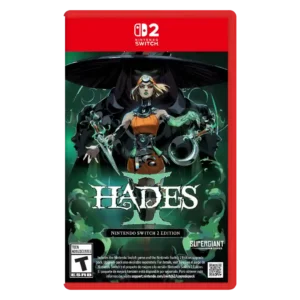
Good if you want fast, tactical roguelite combat with huge progression depth, striking art, and standout music. Skip it if repetition, resource micromanagement, or a less emotionally satisfying sequel story...
Pros: skill tree depth, dialogue quality
Cons: emotional impact, economy and resource balance
Good if you want a beautiful, demanding survival sandbox built around exploration, building, progression, and memorable co-op. Skip it if long resource runs, harsh death recovery, and deliberate pacing sound...
Pros: core gameplay loop, movement feel
Cons: economy and resource balance, map and navigation design
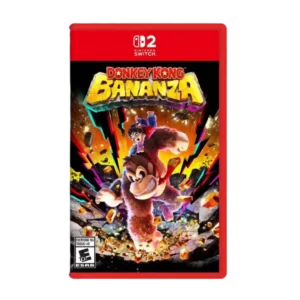
Best for joyful destruction, dense exploration, and a charming DK-Pauline adventure. Skip it if camera quirks, frame-rate dips, easy bosses, or premium Switch 2 pricing are dealbreakers.
Pros: gameplay mechanics, world interactivity
Cons: economy and resource balance, enemy variety
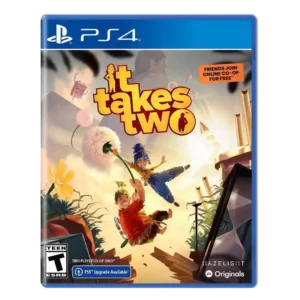
Best for joyful, inventive co-op with a partner, especially on couch. Skip it if divorce themes, uneven story tone, or Switch visual compromises would distract you.
Pros: core gameplay loop, movement feel
Cons: character development, dialogue quality